
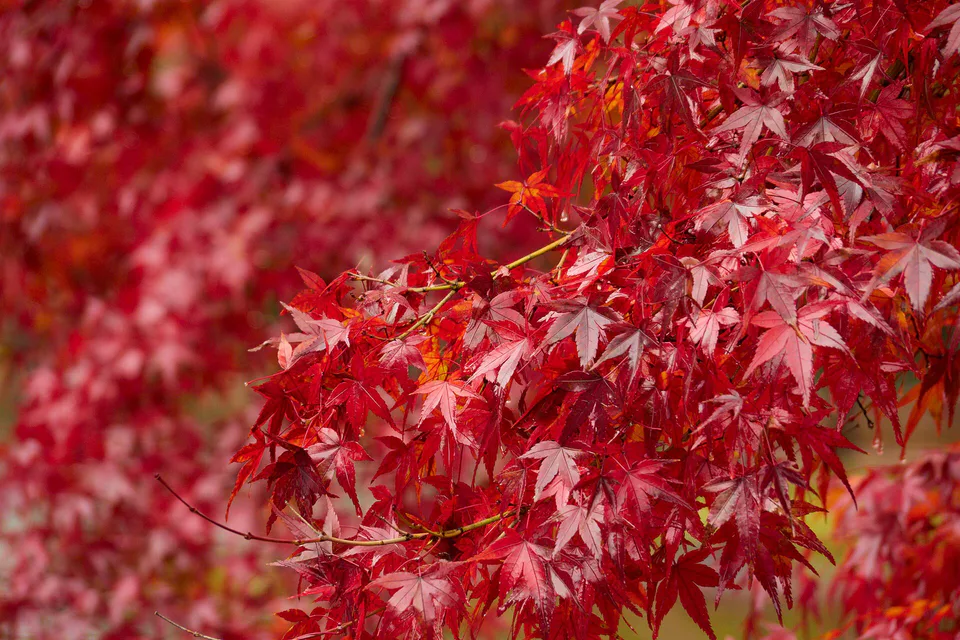
A good Arashiyama autumn day is not “see everything before the crowds.” It is choosing one high-value morning anchor, one deeper temple or scenic experience, and an exit before the day turns into queue management. For November 14–30, 2026, Tenryuji gives you a rare hard anchor: its Sogen Pond Garden opens at 07:30. I would build a first visit around that early garden, a short Bamboo Grove pass, and one deeper maple temple such as Jojakkoji—then stop adding attractions.
If the Sagano Scenic Railway is one of the reasons you came, redesign the day around the train rather than squeezing it into the same route. Individual tickets currently open one month before travel at 00:00 Japan time and are sold one way. A booked train is a fixed-time product; temple foliage is a flexible product. Do not let one destroy the other.
Checked August 25, 2026. Autumn colour still depends on the year. Use live foliage and weather reports near the visit date; the schedule below is designed to survive imperfect colour and heavy crowds rather than predict one peak day.
↔ Scroll table left or right
Your priority | Best route version | What to cut |
First visit, temples + classic Arashiyama | Tenryuji → short Bamboo Grove → Jojakkoji → river/bridge → leave | Scenic Railway, multiple extra temples |
Scenic Railway is non-negotiable | Train-led route + one temple cluster | Trying to cover both every northern temple and the full bridge area |
Older traveller / family / low walking | Bridge → Tenryuji → short grove → early lunch → leave or one seated stop | Jojakkoji stairs and long northern-temple chain |
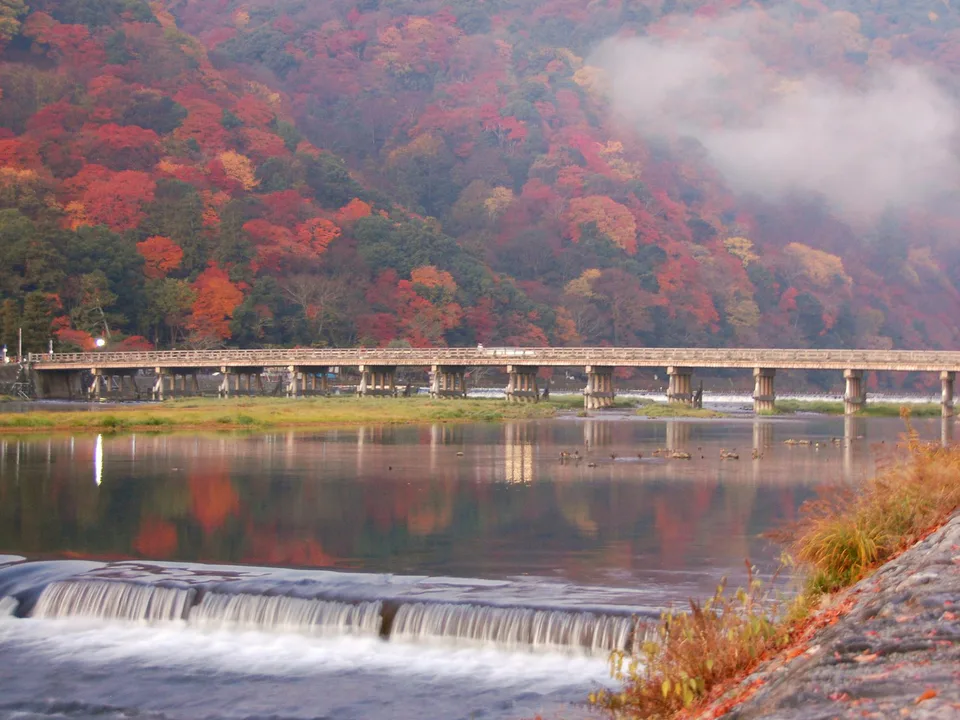
For November 14–30, Tenryuji’s 07:30 garden opening should control the first two hours
Tenryuji’s normal garden opening is 08:30, but the temple’s official 2026 calendar gives the Sogen Pond Garden a special 07:30 opening from November 14 through November 30. The temple buildings still open later; the early opening applies to the garden entrance.
That is more useful than a vague “arrive early” tip because it creates a real scheduling advantage. If your visit falls inside that period, I would be at the garden close to opening rather than spend the same early window photographing the Bamboo Grove first. The garden has a fixed official opening; the bamboo path does not disappear later.
Outside November 14–30, do not blindly copy 07:30. Use the current temple hours and shift the first public-space stop—bridge or grove—before the garden opens.
The station choice should match the first anchor, not the hotel brand
Arashiyama has several useful rail entrances, and they place you on different sides of the district.
↔ Scroll table left or right
Rail entrance | Use it when | Hidden cost |
JR Saga-Arashiyama | Coming from Kyoto Station; Scenic Railway or northern Saga sights matter | Tenryuji is still about a 13-minute walk from the JR station |
Randen Arashiyama | Tenryuji / central Arashiyama is the first target | Smaller local railway; may not be the fastest return to every Kyoto base |
Hankyu Arashiyama | Coming from Osaka/Umeda or starting with Togetsukyo | You begin south of the river and add walking to northern temples |
Tenryuji’s official access page is a useful reality check: Randen Arashiyama is essentially at the temple, JR Saga-Arashiyama is about a 13-minute walk, and Hankyu Arashiyama about 15 minutes. “All three stations serve Arashiyama” is true; “all three are equally convenient for the first stop” is not.
First-time route: use one deep maple temple, not three
My default 2026 autumn route is:
Tenryuji garden at opening when the special 07:30 period applies.
Short Bamboo Grove pass, without treating the grove as the foliage highlight.
One deep temple: Jojakkoji for layered maples and slopes, or Nisonin for a more formal approach.
Early lunch / river / Togetsukyo, then decide whether the day is still improving.
Leave when the next stop adds more queue than experience.
The deletion rule matters more than the exact clock. If Jojakkoji already delivered the temple foliage you wanted, another two paid temples are not automatically “better value.” A short first trip to Kyoto is usually improved more by leaving Arashiyama with energy for dinner than by collecting one more gate receipt.
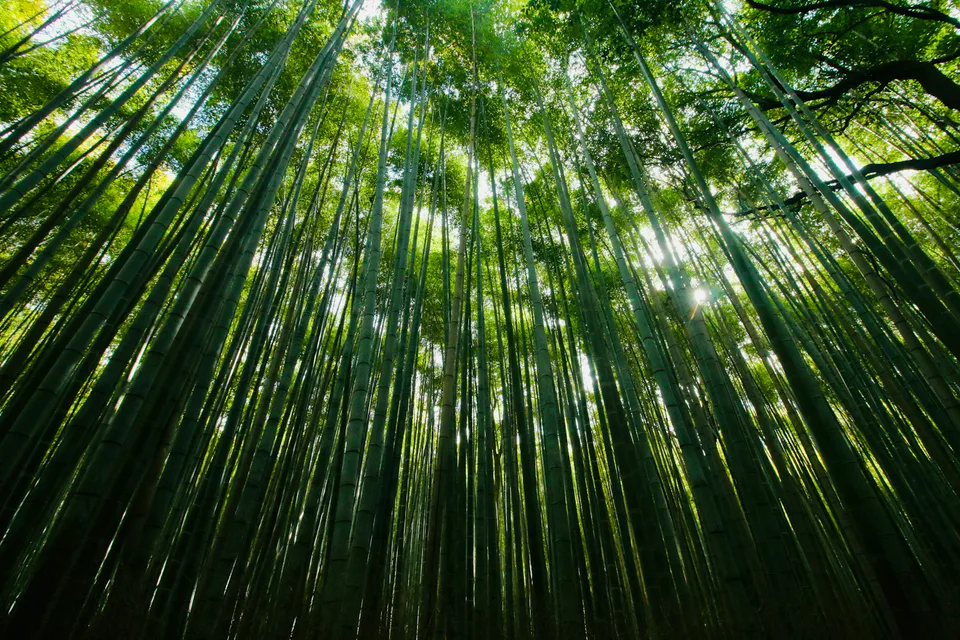
The Bamboo Grove is a connector, not the reason to sacrifice a maple opening
The bamboo itself is evergreen. It is visually important, but it is not the autumn-colour product. In peak foliage season, the grove’s narrow path also makes crowd density more noticeable than in a large garden.
I would therefore use it as a short geographic connector between Tenryuji and the northern Saga side rather than force a long photo session when the path is already congested. If the grove is flowing, enjoy it. If it has become a slow-moving queue, keep moving toward the temple that actually matches the autumn intent.
Scenic Railway: book it only when the train itself deserves a fixed time slot
The Sagano Scenic Railway sells individual tickets from 00:00 Japan time one month before the travel date. There is no return ticket product; each direction is purchased separately, and same-day tickets depend on remaining seats.
That makes the train a scheduling commitment. It is worth adding when Hozu Gorge scenery, a seated rail experience or the train itself is part of the trip. It is weak when you only added it because every Arashiyama checklist says you should.
I use a simple rule: if you would still want the Scenic Railway on a day when the temple maples are excellent, keep it; if you would resent leaving a beautiful temple to make the train, do not book it.
For families and older travellers, the train can replace walking rather than add to it. For temple-focused photographers, it is more likely to be an opportunity cost.
Do not turn a train booking into a cross-district luggage problem
The Scenic Railway is much easier without a full-size suitcase. A transfer-day traveller should store luggage at the hotel/station or send it onward before making a timed scenic train the centre of the day.
This is also why I would not stay in Arashiyama merely to avoid carrying bags unless the hotel itself has a job: early photography, ryokan dinner, a quiet morning or a special room. For most first-time Kyoto itineraries, a Kyoto base plus a day pack is more efficient than moving the entire hotel for one district.
Low-walking route: protect the bridge, Tenryuji and lunch
For older travellers, families with a stroller or anyone managing knee pain, the strongest route is much shorter: Togetsukyo → Tenryuji → short Bamboo Grove section → early lunch → optional café/garden → leave.
Jojakkoji is beautiful, but its slopes and steps are a real physical cost. Do not choose it because it ranks highly on a foliage list if the group then spends the rest of the day recovering. A flatter, shorter route can preserve both the scenery and the evening elsewhere in Kyoto.
The recommendation reverses for fit walkers specifically seeking temple depth. In that case, skip some central Arashiyama time and go deeper north rather than trying to keep every bridge/grove/shop stop too.
The crowd stop-loss rule: leave when the next hour becomes queue management
Kyoto’s official tourism tools publish congestion forecasts for major areas including Arashiyama. Use them as context, but make the final decision on the ground.
If three things happen at once—slow pedestrian flow, long restaurant waits and crowded outbound platforms—stop adding new sights. Have a simple fallback: eat outside the bridge core, use the rail line that best matches the hotel, or return to central Kyoto.
This is not “giving up because Arashiyama is crowded.” It is recognising diminishing returns. The first three hours may deliver the garden, river and one temple. The sixth crowded hour can add very little.
Bad foliage or rain should change the paid stops, not destroy the day
If colour is earlier/later than expected, the river, bamboo, Tenryuji garden structure and mountain backdrop still give the district value. Do not chase another temple at the same elevation simply because this one is past peak.

In rain, cut steep temples first and protect easy rail access, Tenryuji and a shorter central walk. If wind or operational issues affect the Scenic Railway, switch to the temple route instead of buying an unofficial resale ticket.
The day is resilient when every optional stop has a substitute. It is fragile when one scenic train, one restaurant and four temple tickets all need to work at exact times.
What not to add
Do not add a distant Kyoto district after a full Arashiyama day merely because the map says it is possible.
Do not add multiple hotels to this decision. A day-trip article should solve the district, not become an OTA catalogue.
Do not add an eSIM purchase because the Scenic Railway uses an e-ticket. Connectivity is a separate trip-wide decision.
Do not force both Jojakkoji and Nisonin unless temple depth is the purpose and the group still has energy.
Final verdict
For a first 2026 autumn visit, build around one real morning advantage and one deep foliage stop. During November 14–30, Tenryuji’s official 07:30 garden opening is the cleanest anchor. Add the Bamboo Grove briefly, choose Jojakkoji or Nisonin, use the river/bridge as flexible public space, and leave when crowds start reducing the value of the next hour.
Book the Sagano Scenic Railway one month ahead only when the train itself deserves a fixed place in the day. If it is merely an extra checkbox, the stronger Arashiyama itinerary is the one with fewer reservations and more ability to react to colour, weather and crowding.
Lake Kinrin Autumn Leaves Guide: Morning Mist, Fukuoka Access and Yufuin Hotels
Tokyo to Nikko Autumn Leaves: Trains, Passes, Day Trips and Overnight
Japan Autumn Leaves Early or Late: 30-, 14- and 7-Day Adjustment Plan
Jozankei Autumn Leaves 2026: Day Trip or Overnight? The Foliage Buses Change the Answer
14-Day Japan Autumn Leaves Itinerary: Six Routes, Flights and Hotels
References
Tenryuji — 2026 opening times, admission and access · Sagano Scenic Railway — ticket sale timing and ticket rules · Kyoto City Official Travel Guide — congestion guidance. Checked August 25, 2026.