
If Japan's autumn leaves look early or late, change the smallest part of the itinerary that the evidence can actually justify. Thirty days before travel, protect flexible hotels and scarce transport. Fourteen days before travel, build higher/lower alternatives from the same gateway. Seven days before travel, reorder days. Forty-eight hours before travel, exact weather, roads, ropeways and final services matter more than a nationwide seasonal trend.
As of 25 August 2026, tenki.jp and Weathernews still have not opened their nationwide 2026 foliage services; both point to September for the new season. At the same time, Asahidake has already produced a local late-August seasonal-transition signal. That combination is important: a high-mountain local watch is not evidence that “Japan 2026 is early.” Match the scale of the itinerary change to the scale of the evidence.
↔ Scroll table left or right
Evidence you have | Decision you may make | Decision that is too large |
Historical average only | Choose a broad month / region | Lock one exact peak day |
One dated high-elevation local signal | Start monitoring that mountain/corridor | Cancel Tokyo/Kyoto because “Japan is early” |
Nationwide/regional 2026 forecast | Adjust broad corridor or elevation targets | Treat forecast date as guaranteed live colour |
Dated exact-location report | Reorder nearby days / higher-lower alternatives | Ignore weather and operation |
Same-day colour + weather + operator status | Execute or switch Plan B | Protect a non-refundable plan for sunk-cost reasons |
Do not call the whole season early because one high mountain changed first
This is the main correction to make in late August. Asahidake Ropeway published a 19 August 2026 update describing the area as moving from summer toward the entrance to autumn, and its late-August upper-station temperatures already look alpine. That is exactly why Daisetsuzan belongs at the front of a September watch list.
It says almost nothing by itself about November Kyoto or late-November Tokyo. Elevation, latitude, tree species and subsequent weather are too different. The appropriate response is to monitor Asahidake and nearby high zones more closely — not to move a Kansai hotel by a week.
ValueNavi evidence rule: local evidence earns local changes; regional evidence earns regional changes; only a strong broader signal earns a broader route change.
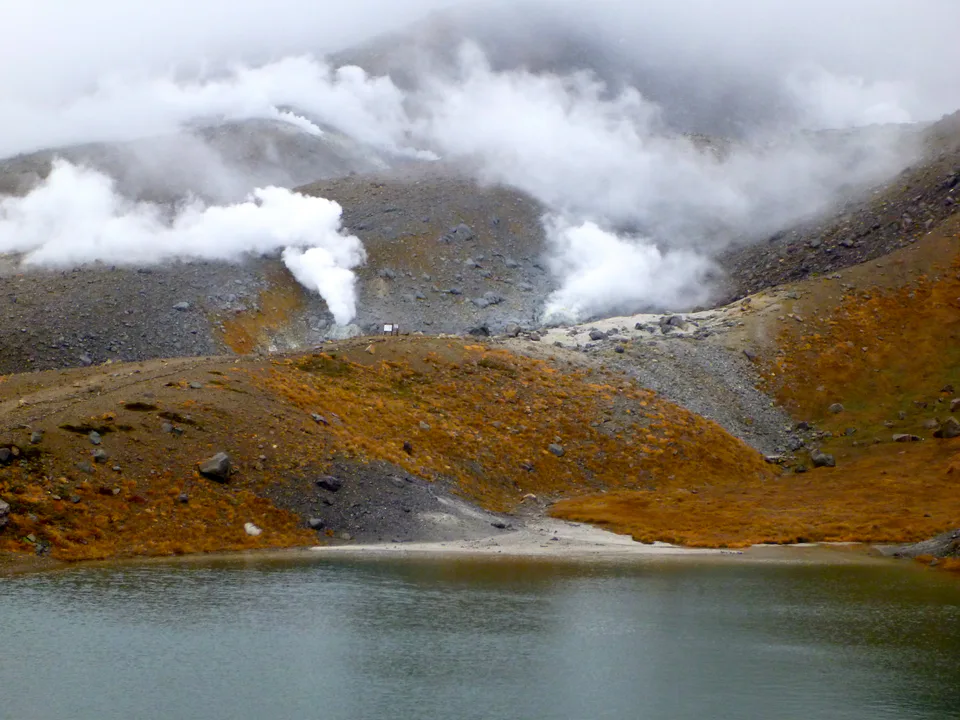
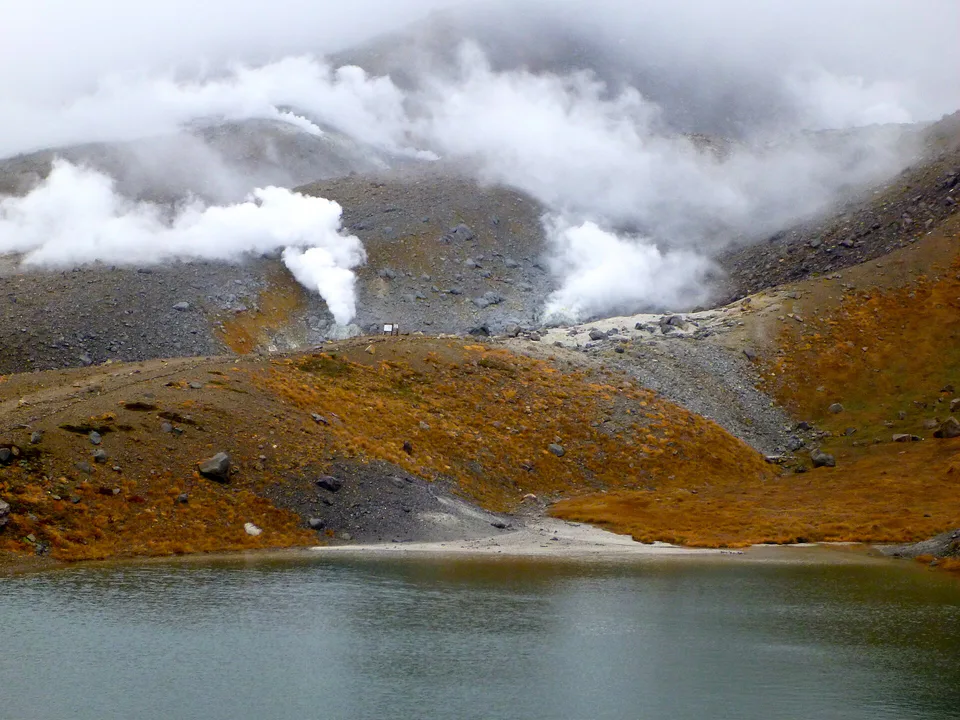
Historical Asahidake image; not a current August 2026 colour report.
Thirty days before: buy reversibility, not precision
At thirty days, you should still be protecting the skeleton rather than trying to predict the exact red-leaf day. Keep the gateway that makes geographic sense, record cancellation deadlines in Japan local time and lock only the scarce pieces whose loss would damage the route.
A refundable Kyoto base can reach several early/later corridors without moving luggage. Tokyo can switch among urban gardens, Takao, Kawaguchiko and selected Nikko sectors. Asahikawa can switch between Asahidake, Biei and lower alternatives. The flexible base is doing useful work even before the colour is known.
Do not hold five speculative hotels simply because they are refundable today. Flexibility is valuable only when the cancellations remain manageable and the alternatives are genuinely useful.
Fourteen days before: change elevation before changing the country
At fourteen days, the newest regional trend and local status can justify a more specific higher/lower choice. If colour is late, prioritise higher or colder sectors. If colour is early and a mountain is fading, move lower, south or to later tree species.
The best adjustment usually stays inside the existing transport corridor:
Hokkaido: Asahidake/Kurodake → Sounkyo lower zones → Sapporo/Jozankei later.
Tohoku: Hakkoda/upper Oirase → lower Oirase → Hirosaki/urban lowlands.
Tokyo/Kanto: Oku-Nikko/high Hakone → Takao/Kawaguchiko → Tokyo gardens later.
Kansai: higher/northern Kyoto or Koyasan → central Kyoto/Uji/Nara later.
Kyushu: Kuju/Unzen high zones → Yufuin/Takeo/lower gardens later.
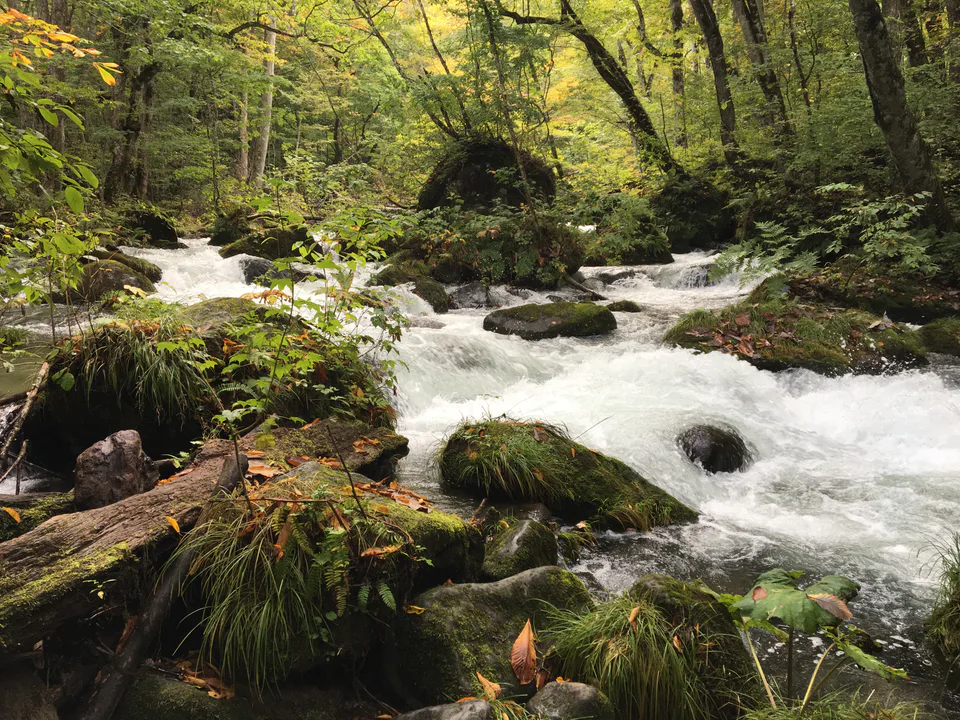
Changing elevation preserves the hotel and transport skeleton. Changing the country pays cancellation, luggage and transfer costs before you even see another tree.
Seven days before: reorder days before moving hotels
At seven days, weather becomes useful for assigning clear days to exposed mountain trips and wet/grey days to forests, temples, museums or onsen. A strong forecast difference can justify moving a mountain day from Tuesday to Thursday without changing any hotel.
Change accommodation only when all three conditions are true:
the replacement hotel is confirmed;
the cancellation/luggage/transport cost is acceptable;
the move improves at least two meaningful trip windows, not one photograph.
Never release the original room first. “There are other hotels” is not a booking plan in peak autumn demand.
Forty-eight hours before: colour chooses the target; operations decide whether you can go
At 48 hours, stop using a national seasonal forecast as the main execution tool. Check the exact location, weather, road, ropeway, bus, trail and final return. A cold snap can accelerate colour and simultaneously create frost or first snow. Strong wind can leave perfect leaves on a mountain you cannot reach.
Prepare A and B in the same direction. Download the timetable, save the Japanese stop names and know the last return before leaving the hotel. The same-day operator page should override the screenshot saved months earlier.
This is especially important at high Hokkaido. A current Asahidake colour report does not help if the ropeway is suspended. A Ginsendai report does not create a seat: in 2026 the 12–23 September autumn-control period uses reserved transport/access. Access is part of the live foliage status.
Calculate the cost of a route change before cancelling for colour
The real cost of a foliage change is not the new room minus the old room. Add:
hotel cancellation / non-refundable loss;
new rail, bus, flight or one-way car cost;
new reserved-seat or timed-ticket cost;
luggage forwarding or storage;
lost half-board meal or late-arrival problem;
the usable sightseeing hours consumed by the move.
If a same-base day swap solves 80% of the foliage problem, spending a large amount to solve the remaining 20% is often poor travel value.
Rail passes and sunk costs should not make the detour “free”
A rail pass can reduce the marginal ticket cost of a route change, but it does not make the travel time free. It also cannot create a bus seat, reopen a ropeway or shorten a hotel move.
The same applies to prepaid accommodation or a reserved car. Money already spent is not evidence that the mountain is safe or that the colour is worth the route. Red-team every adjustment by asking what you would choose if the sunk cost disappeared.
When not to change for foliage at all
Keep the original route when it is anchored by a family visit, festival, accessible room, fixed flight, scarce ryokan, child routine or another experience more important than peak leaves. A successful autumn trip does not require every tree to be perfect.
Also keep the route when the destination retains independent value: Kyoto temples, Nikko heritage, onsen towns, food, museums or mountain scenery can still justify the day when colour is imperfect. The more independent value a destination has, the less aggressively you should chase the peak.
Final verdict
Adjust autumn trips in layers. Thirty days out, protect flexible bases. Fourteen days out, move higher/lower within the corridor. Seven days out, reorder days. Forty-eight hours out, let exact weather and operation decide. Do not make a national route change from one high-mountain signal.
As of 25 August 2026, Asahidake's seasonal transition is useful local evidence, while the main nationwide 2026 foliage services are still waiting to open. That is the perfect example of the rule: monitor Hokkaido's highest elevations more closely, but do not declare the whole Japanese autumn early until broader 2026 evidence supports it.
Official sources and verification date
tenki.jp — 2026 foliage-service status · Weathernews — 2026 foliage-service status · Asahidake Ropeway — current seasonal and operating updates · Japan Meteorological Agency — warnings. Checked 25 August 2026.
Yamadera Autumn Leaves Day Trip: Sendai Trains, 1,015 Steps and Hotels
Japan Autumn Leaves Early October: Hokkaido, Tohoku and Kamikochi
10-Day Japan Autumn Leaves Itinerary: Regional Routes, Transport and Where to Stay
Japan Autumn Leaves Late November: Kyoto, Tokyo, Nara, Miyajima and Kyushu
Mt. Takao Autumn Leaves Day Trip: Cable Car, Trails and Timing