
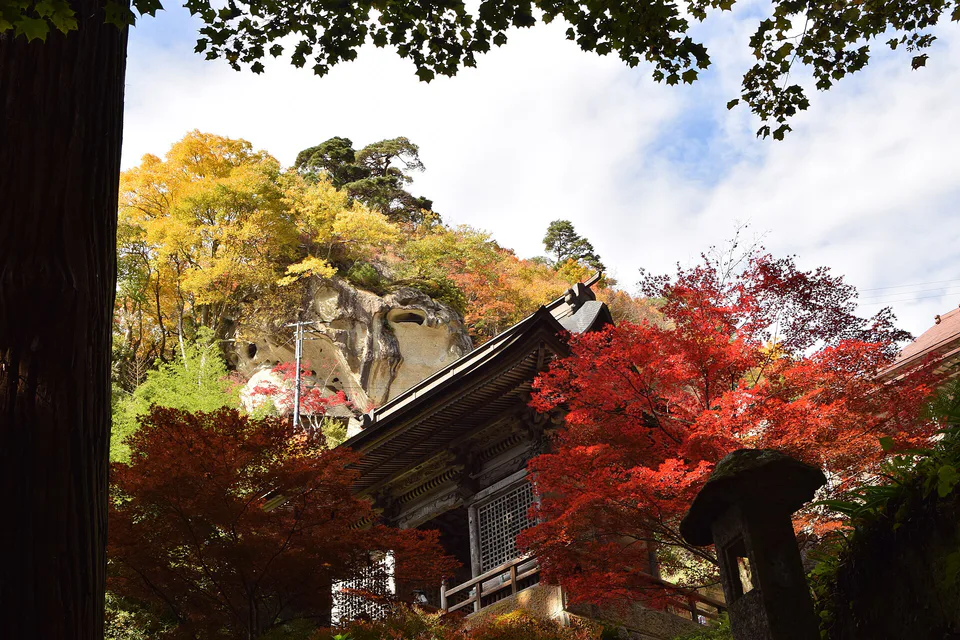
A Yamadera autumn leaves day trip from Sendai is practical, but it is not a station-side sightseeing walk. The upper temple route contains about 1,015 stone steps to Okunoin, with additional movement to Kaizando and Godaido. Senzan Line frequency, early autumn darkness, wet leaves, moss and knee strain on the descent must all fit the schedule. Allow 2.5–3.5 hours for a complete visit and more for photography or slower walking.
Information last checked August 4, 2026. Current upper-temple admission is ¥500 for adults and junior-high students or older, and ¥200 for children aged four or above; payment is cash only. A formal 2026 autumn illumination schedule has not been published, so prior-year dates are not used. Recheck the Senzan Line, temple opening and rain, snow or ice before travel.
Yamadera autumn leaves day trip: choose a full climb, Godaido priority or lower cultural route
The full route suits average fitness, dry surfaces and an arrival before early afternoon. It includes Konponchudo, Sanmon, Niomon, Okunoin, Kaizando and Godaido. The descent can be harder on knees and balance than the climb. If the traveller is already tired, footwear slips or the weather worsens before Sanmon, do not buy the upper-route ticket.
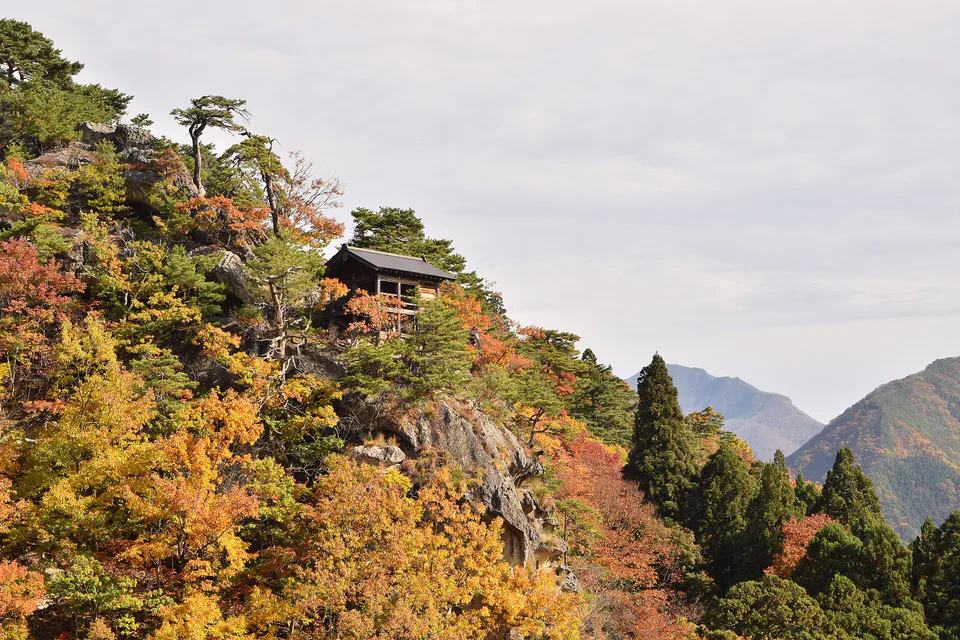
The Godaido-priority route suits travellers with good fitness but less time or a photography focus. It still requires most of the stone steps; it is not a half-climb or an accessible shortcut. Reach the viewpoint, manage the small shared space and begin descending rather than adding every sub-temple to protect a late train.
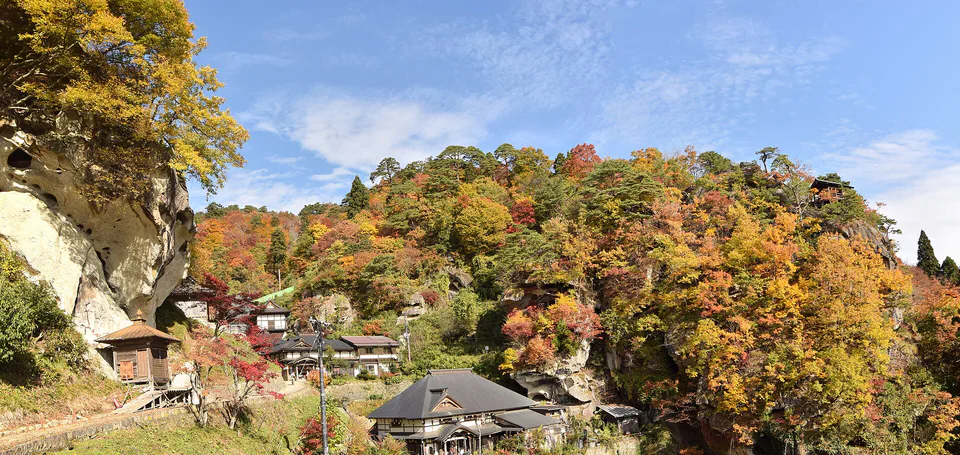
The lower cultural route suits seniors, young children, knee limitations, late arrival, rain, snow or ice. It retains Konponchudo, the village, Hie Shrine and Basho-related locations in about 45–90 minutes but does not provide the signature Godaido valley panorama. Pushchairs remain on public village roads; the paid stone route is not step-free.
Five safety decisions from Yamadera Station
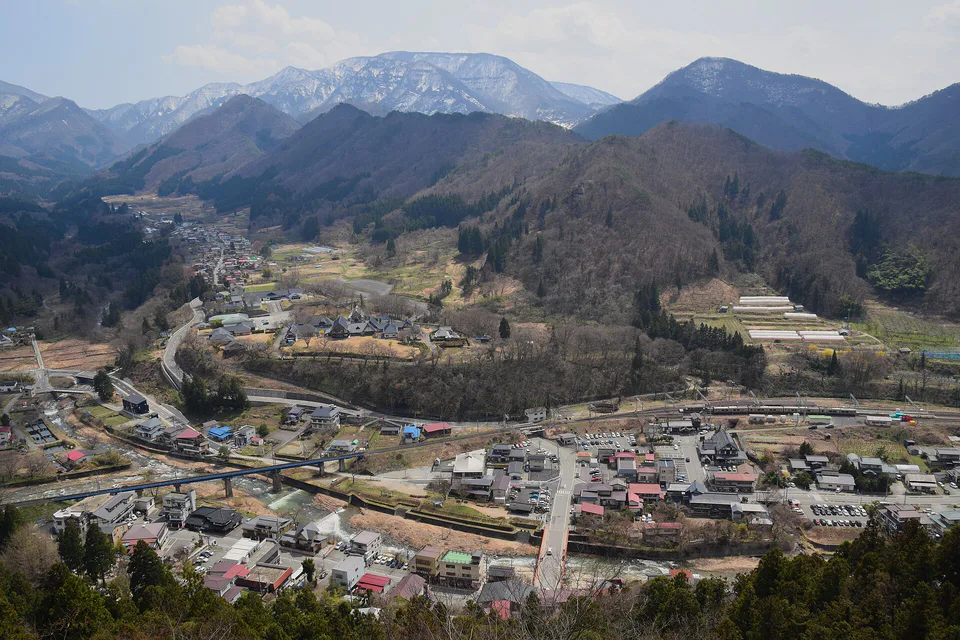
The first decision is at Yamadera Station: confirm the exact return, sunset, toilets and weather before walking away. JR East does not list a lift, escalator or accessible toilet at the station. Leave the full-size case at a Sendai or Yamagata hotel and use a daypack. Do not depend on finding an empty locker on arrival.
The second decision is between Konponchudo and Sanmon. The station-to-lower-precinct walk is about ten minutes, and this is the last easy point to change to the lower version. Recheck soles, rain, breathing and knees before paying cash and entering the long staircase.
The third decision is around Semizuka and Niomon after roughly twenty minutes of shaded stone, moss and leaves. Frequent stops, knee pain, reduced balance or insufficient daylight are reasons to turn around. Continuing upward converts the same slippery surface into a harder descent.
The fourth decision is Niomon to Okunoin, another approximate fifteen minutes and the main 1,015-step climb. Arrival is not the end: Kaizando, Godaido and the descent remain. The fifth decision is at Godaido, where wind, fog and a small crowded platform may reduce the value of waiting for another photograph.
A realistic Sendai day-trip timeline
From Sendai, take a Senzan Line service genuinely bound far enough toward Yamagata and stopping at Yamadera. Not every Sendai departure reaches Yamadera; a train terminating at Ayashi does not. The ride is normally about 50–65 minutes. Save the outbound and return details offline before leaving the hotel, because missing a useful service can create a long wait.
An arrival around 10:00 allows the full route before lunch, followed by a meal in the village and a relaxed return. A midday arrival should eat briefly and use the Godaido-priority route only if surfaces and daylight are suitable. In autumn, begin the complete route by 14:00 and commit to descending by 15:30. The official closing time is not a safe turnaround calculation inside a shaded valley.
After returning to Sendai, add dinner, shopping streets or hotel rest only. Do not combine Yamadera with Matsushima, Zao, Ginzan Onsen or Naruko Gorge. Each requires another local line, bus, transfer or long walking route. A disruption on the Senzan Line is a reason to remain in Sendai or Yamagata, not to improvise an expensive cross-mountain taxi.
Yamagata hotel version and open-jaw planning
Yamagata Station is about twenty minutes from Yamadera and works better for an early visit, older relatives, full-size luggage or a separate Zao direction the next day. An open-jaw structure can arrive through Sendai and continue from Yamagata rather than returning solely to collect a case. After an early climb, use Kajo Park, Bunshokan, station dining or a city museum.
The east side of Yamagata Station is strongest for the Senzan Line, buses, food and luggage; the west side is quieter while remaining walkable. Accommodation near Yamadera itself is limited and should be chosen only when dawn scenery is a deliberate purpose. Main examples are Hotel Metropolitan Yamagata, Daiwa Roynet Hotel Yamagata Ekimae and Richmond Hotel Yamagata Ekimae. Backups include Comfort Hotel Yamagata and Yamagata Eki-Nishiguchi Washington Hotel.
International travellers should verify room size, twin versus double beds, card acceptance, cancellation in Japan time, breakfast, luggage storage and English or written confirmation. A single Yamadera return does not justify a broad JR EAST PASS on its own; calculate other Shinkansen and long-distance travel before activating a pass.
Shoes, luggage, seniors and children
Use broken-in trainers or light hiking shoes with genuine wet-surface tread. Avoid smooth leather, platform soles and worn trainers. Carry water, medicine, a warm layer, rain shell, small towel, cash and a power bank. A full backpack or large camera setup affects balance in narrow sections; leave the main luggage at the hotel or use luggage forwarding between city bases.
Suitability for seniors depends on knees, balance, cardiovascular capacity and descent control rather than age. The group can split, with one party using the lower cultural route and meeting the climbers at a village restaurant or the station. Children must control their own movement on steps and wet surfaces; a pushchair stays below Sanmon.
Rain, snow, disruption and foliage Plan B
Light rain may permit the Godaido-priority or lower route. Heavy rain, thunder, early snow, ice or obvious slipping cancels the upper climb and becomes a Yamagata or Sendai day. Fog reduces the panorama but can retain the temple and cultural value; it is not a reason to risk the upper route for one image.
When foliage is green or past peak, do not make an emergency transfer to Zao or Naruko. Use the lower city or the next planned destination. A Senzan Line suspension is a city fallback. A paid ticket, booked hotel or once-in-a-lifetime narrative does not override slippery steps. Sudden knee pain means turning around at the next safe wide point and stopping photography while moving.
Compare Yamagata Station hotels on Booking.com
Compare Yamagata Station hotels on Expedia
Related planning
Tohoku autumn leaves timing guide
Official sources
Information last checked August 4, 2026. Reconfirm the Senzan Line, temple operations, autumn events, rain, snow and step conditions before travel.
Yamagata Hanagasa Late Arrival: 6:30, 7:30 or 8:30 PM?
Naruko Gorge 2 Day Itinerary: 2026 Trains, Trails, Onsen and Hotels
Tohoku Summer Festival One-Week Itinerary 2026: Morioka, Aomori, Akita and Sendai
Tohoku Autumn Leaves: Timing from Aomori and Iwate to Miyagi and Yamagata
Sendai Tanabata Festival 2026: Fireworks, Three-Day Plan and Where to Stay
Sendai Tanabata Night Itinerary 2026: Stay in the Arcades or Go to Aobayama?
Japan Autumn Leaves Without Changing Hotels: Tokyo, Sendai, Osaka and Fukuoka Bases