
Sendai Tanabata 2026 is over. The main festival ran August 6–8 and the official site now describes it as successfully completed. The useful night-planning lesson is that downtown and Aobayama solved different problems: the arcades protected continuity, while Aobayama bought contrast. A first-time visitor who had not finished the central decorations was usually better off staying downtown; Aobayama Night Fest became valuable only after the main festival route was already complete.
The exact 2026 Night Fest buses, parking and Vega observatory session are historical facts. Do not reuse them for another year until the organiser publishes the next edition. Keep the decision logic, not the expired timetable.
↔ Scroll table left or right
Your evening state | 2026 better choice | Reusable reason |
Main arcades still unfinished | Stay downtown | Decorations, dinner, photography and hotel return remain one continuous route |
Arcades finished by late afternoon | Aobayama | The hill added illumination, historic setting and a different night mood instead of more of the same |
Young children / older relatives / short night | Downtown | Removing the extra transfer preserved energy and exit simplicity |
Weather or transport uncertainty | Downtown | The fixed 19:00–21:00 hill window had less recovery room when the evening slipped |
Specific Night Fest-only programme | Aobayama if confirmed | A named extra event can justify the transfer when it is genuinely a trip priority |
Downtown was the default because it removed one entire transport layer
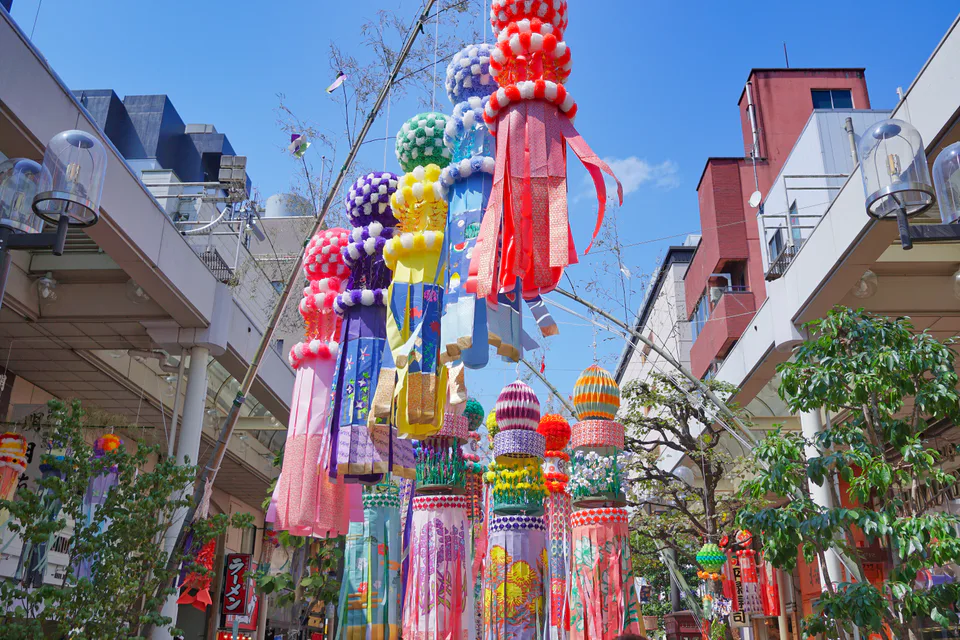
Sendai Tanabata's core decorations stretch from the Sendai Station side through central shopping arcades such as Chuo-dori and Ichibancho. Staying downtown kept the festival evening inside one geography: decorations, food, photos and the walk back toward the hotel.
That continuity matters because the night is not automatically “spare time” after daytime sightseeing. A family that has already walked the arcades for several hours may gain more from a slow dinner and another pass through the decorations than from adding a bus ride to a second zone.
The reusable test is: is the main event already complete enough that a second zone adds contrast rather than stealing time from the core? If not, stay central.
Aobayama only worked if you could protect most of the 19:00–21:00 window
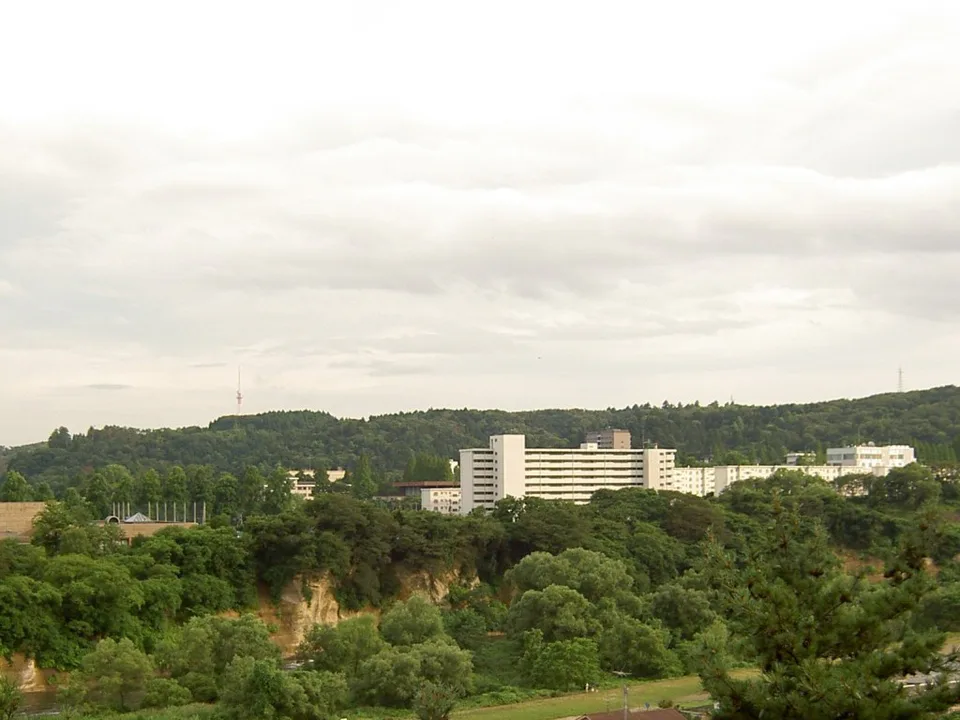
The 2026 Aobayama Night Fest ran August 6–8 with illumination from 19:00 to 21:00 across Aobayama Park, Sendai Castle ruins, the castle approach, Sendai Ryokusaikan, Naganuma and Zuihoden.
That fixed two-hour window made timing more important than raw distance. Leaving downtown at 19:30 after an unfinished arcade route did not create “two festival experiences”; it created a late transfer into a shrinking programme window.
For a future edition, I would only make the hill the second act when the group can leave central Sendai early enough to use a meaningful majority of the published night programme.
The 2026 bus service shows why event transport belongs inside the attraction decision
For 2026, the Loople Sendai Tanabata Night service left Sendai Station from 17:15 to 21:00 at roughly 15-minute intervals, while a free temporary shuttle linked Aobayama Park and Sendai Castle ruins from 17:30.
Those buses made the split evening workable. They were not permanent city infrastructure promised for every Tanabata. A future guide must recheck whether the same route, frequency and last departure exist before recommending the hill.
This is the bigger planning lesson: a temporary event bus is part of the attraction product. If it disappears, the recommendation can reverse even when the venue itself is unchanged.
Parking was not a reliable shortcut
The 2026 Night Fest offered a limited Aobayama Park event car park: 200 vehicles, first come, no reservation, 15:30–21:00 and JPY 1,000. The official page also said there was no other paid parking around the Sendai Castle ruins and encouraged public transport.
That made driving a capacity gamble rather than an automatic convenience upgrade. The future decision should be the same: only drive when the new organiser clearly publishes a workable parking product. Do not assume an ordinary map pin means event-night parking exists.
August 8 showed when one extra programme can justify the hill
On August 8, 2026 only, the mobile observatory Vega was scheduled at Aobayama Park from 19:00 to 21:00 for weather-dependent viewing of Tanabata stars such as Vega and Altair.
That is the kind of specific feature that can legitimately override the downtown default. If one named programme exists only at the second venue and somebody in the group cares about it, the transfer has a job.
The wrong reason is simply “there is another event over there.” Additional content is not automatically additional value.
Three future night patterns
Festival-core night: stay downtown, eat in the centre, finish the decorations properly and skip the hill. Best default for a first visit.
Split night: complete the arcades by late afternoon, eat early, then use the majority of the confirmed Aobayama night programme. Best when contrast is the goal.
Late-arrival night: stay downtown. A fixed two-hour hill event is a poor place to spend a delayed evening.
Do not move hotels just to make Aobayama easier
One festival evening rarely justifies a hotel change. A central Sendai hotel can serve daytime sightseeing, the arcades, restaurants and the station. Moving purely to reduce one Night Fest transfer adds checkout and luggage friction to solve a temporary evening problem.
Only move hotels when the new location solves another hard constraint as well—such as an early onward departure or several nights built around a different side of the city.
What must be rechecked next time?
Whether Night Fest returns and on which dates.
Published illumination hours.
Loople/event-shuttle operation and final departures.
Parking capacity and restrictions.
One-night-only programmes such as observatory events.
Wildlife, weather or safety-related cancellation rules for Aobayama.
The 2026 page is a map of decision variables, not a future timetable.
Final verdict
Sendai Tanabata 2026 showed that downtown should win by default and Aobayama should earn the transfer. Stay in the arcades while the core decorations still have unfinished value. Go to the hill only when the centre is already complete and a confirmed night programme gives you something meaningfully different.
For the next edition, rebuild the second half of the night from the new official programme. If the special buses or hill events change, let the recommendation change with them.
Yamaga Lantern Festival 2026: What Was Cancelled and How Refunds Work
Japan Autumn Leaves in Early November 2026: What You Can Book Before the Forecast Exists
Yamaga Lantern Festival 2026 Seats: Refund Deadline, Ticket Types and What You Get Back
Aomori Nebuta Haneto 2026 Is Over: Should You Watch or Dance Next Time?
Asakusa Samba Carnival 2026: When to Arrive, Where to Stand and What Not to Bring
References
Sendai Tanabata Festival — official annual Aug 6–8 outline · Aobayama Night Fest 2026 programme and transport · Official post-event notice confirming 2026 completion. Checked August 25, 2026. Future Night Fest transport and programme details must be reverified.