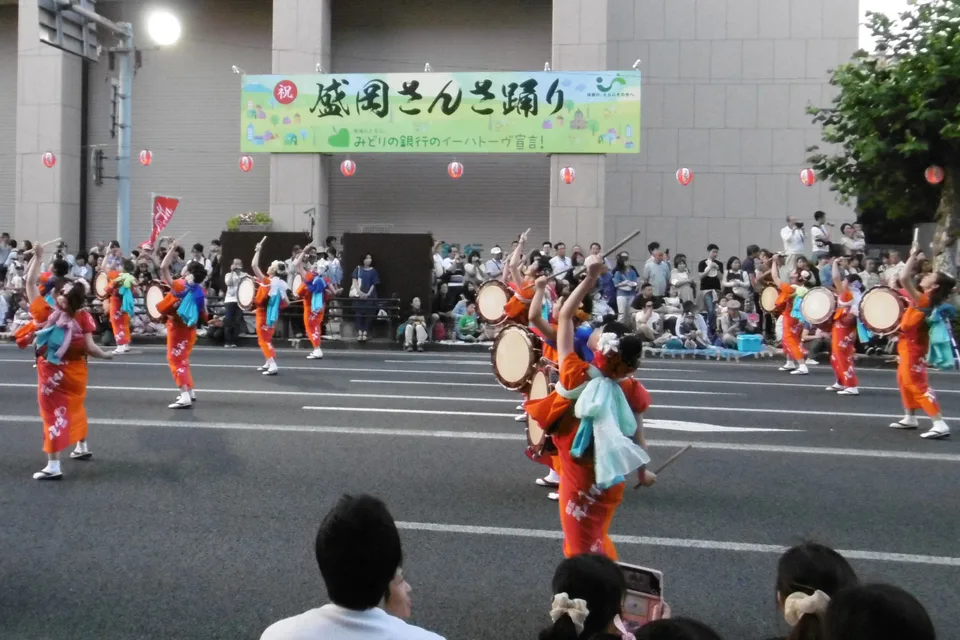
Morioka Sansa Odori 2026 is over. The main Chuo-dori parades ran August 1–4 from 18:00 to 21:00. The 2026 reserved seats cost JPY 4,000, opened from 17:00 and gave visitors an assigned place to watch the same moving drum-and-dance parade that free roadside viewers could see. If you are planning a future Sansa trip, the useful question is no longer whether to buy a 2026 ticket. It is what that JPY 4,000 actually bought: certainty, sitting and late-afternoon freedom—not a different show.
Do not carry the 2026 price, seat locations, sale date or rain-replacement rules into another year until the organiser publishes the new edition. Keep the decision framework; recheck the operating facts.
↔ Scroll table left or right
2026 choice | What it really bought | Reusable lesson |
JPY 4,000 reserved seat | Assigned sightline, a place to sit, entry from 17:00 | Pay when protecting the afternoon and reducing uncertainty matter more than moving around |
Free roadside viewing | Ability to change position and photograph different groups | Choose it when flexibility is part of the experience and you accept variable sightlines |
Traditional Sansa competition | A separate daytime indoor performance product | Do not treat it as a substitute for the evening street parade unless weather or schedule makes that trade worthwhile |
August 4 finale | World's Largest Taiko Drum Parade and grand circle-dance finale | A date-specific finale can justify one night, but future programmes must be checked again |
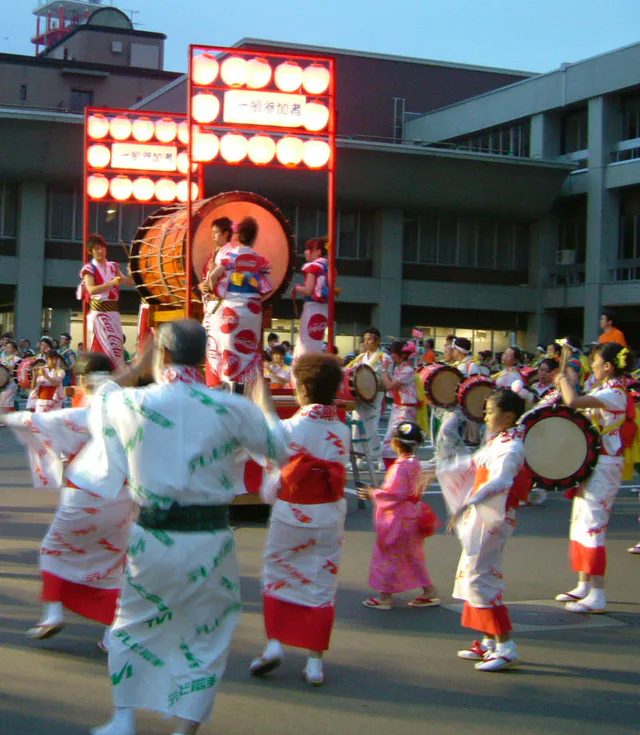
The JPY 4,000 premium was a time-management product
The official 2026 seat page listed assigned seating along Chuo-dori at JPY 4,000 per person, with entry from 17:00 for the 18:00 parade. That means the seat's biggest advantage can be measured before the drums start.
A free viewer who wanted a strong first-row roadside position had to trade away part of the afternoon to hold or find that position. A reserved-seat holder could use more of the afternoon for lunch, Morioka Castle, hotel check-in or rest and still arrive with a defined place to sit.
This is the right way to compare future prices. Do not ask only, “Is the seat expensive?” Ask:
seat premium
versus
hours of position-protection + sightline uncertainty + need to sit
For a solo photographer, the free option can still be better. For parents, older travellers or a visitor with only one Sansa night, certainty can be the higher-value purchase.
Free viewing was better when movement was the point
Sansa is not one float that passes and disappears. Groups of drummers, flutists and dancers move through the route with different costumes, rhythms and formations. A free roadside viewer can change position and see the parade from different angles.
That flexibility is only valuable if you actually use it. If your group wants to stay together, sit when tired and avoid negotiating a second-row sightline, the “freedom” of free viewing may be mostly theoretical.
The red-team question for a future visit is: would I still choose free viewing if my best available position is second row? If not, budget for the reserved-seat option when the new ticket details are published.
August 4 showed why the date can matter more than the seat
The official 2026 general information said the final night included the World's Largest Taiko Drum Parade and the grand circle-dance finale. That was a real programme difference. Someone who cared about the closing-night mass participation had a stronger reason to choose August 4 than to obsess over the exact seat category.
Carry that hierarchy forward: choose the date for programme content first; choose free versus reserved viewing second. A premium seat on the wrong night cannot recreate a finale or special programme that happens on another date.
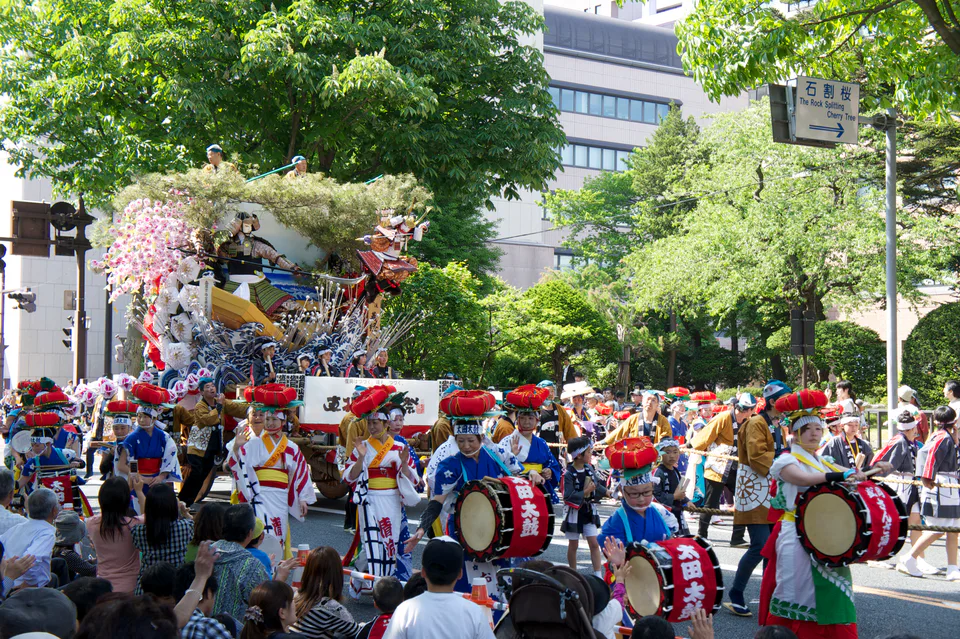
The daytime Traditional Sansa competition was not “backup Sansa”
In 2026 the Traditional Sansa Odori Competition ran August 1–4 from around 13:00 to 16:00 at Morioka Civic Cultural Hall. It was a ticketed indoor performance focused on regional traditional styles. The main evening parade was the mass city-centre spectacle.
Those solve different needs. The indoor event is stronger for detailed viewing, seating and weather protection. The street parade is stronger for scale, crowd energy and the feeling of the city becoming the venue.
For a future rainy forecast, do not automatically replace one with the other. Decide whether you are willing to trade street atmosphere for a more controlled performance.
Post-show station time should be treated as a range, not a 15-minute walk
The 2026 reserved-seat guidance placed the viewing area about a 15-minute walk from Morioka Station. That was a normal-distance estimate, not a promise that a 21:00 parade finish meant reaching a platform at 21:15.
At festival close, thousands of people are leaving the same corridor. The reusable planning rule is to work backwards from the train you cannot miss and add crowd margin before choosing a viewing position.
If the next night is Aomori Nebuta, Akita Kanto or another Tohoku festival, the cost of missing one train can be much larger than the JPY 4,000 seat decision. Protect the onward route first.
What should a future first-time visitor choose?
Reserved seat: one-night visit, family, older traveller, need to sit, arriving later in the afternoon, or photography is secondary to simply seeing the parade well.
Free viewing: solo/couple, comfortable standing, happy with variable sightlines, want to move between sections, or the seat premium would displace a higher-priority part of the trip.
Final night: choose it when the official future programme again gives the closing date a distinctive finale worth prioritising.
Do not pre-commit to those exact categories until the next organiser information is live. The 2026 structure is a decision model, not a future ticket catalogue.
Final verdict
The 2026 Sansa seat debate is finished, but its economics are reusable. JPY 4,000 mainly bought time and certainty. Free viewing bought movement and flexibility. Neither was universally better.
For the next edition, first choose the night whose programme matters most. Then decide whether a guaranteed seat is worth the late-afternoon time it gives back to you. Recheck the new ticket price, locations, rain policy and station controls before payment; do not reuse a 2026 screenshot as a booking rule.
Sapporo Odori Beer Garden 2026 Has Ended: Six-Zone Guide and What to Check Next
Gujo Odori 2026: What Dates Are Left After the All-Night Dance?
Sapporo Ramen Tour 2026: Ramen Alley Is Free — So What Are You Paying a Guide For?
Obon Shinkansen 2026: What the Reserved-Only Nozomi Rule Actually Changed
Lake Biwa Fireworks 2026: Free Viewing, Closures and Otsu Access
References
Morioka Sansa Odori — official 2026 site · 2026 reserved-seat rules and JPY 4,000 price · 2026 Traditional Sansa competition · 2026 parade and finale information. Checked August 25, 2026. Future prices and operating rules must be reverified.