
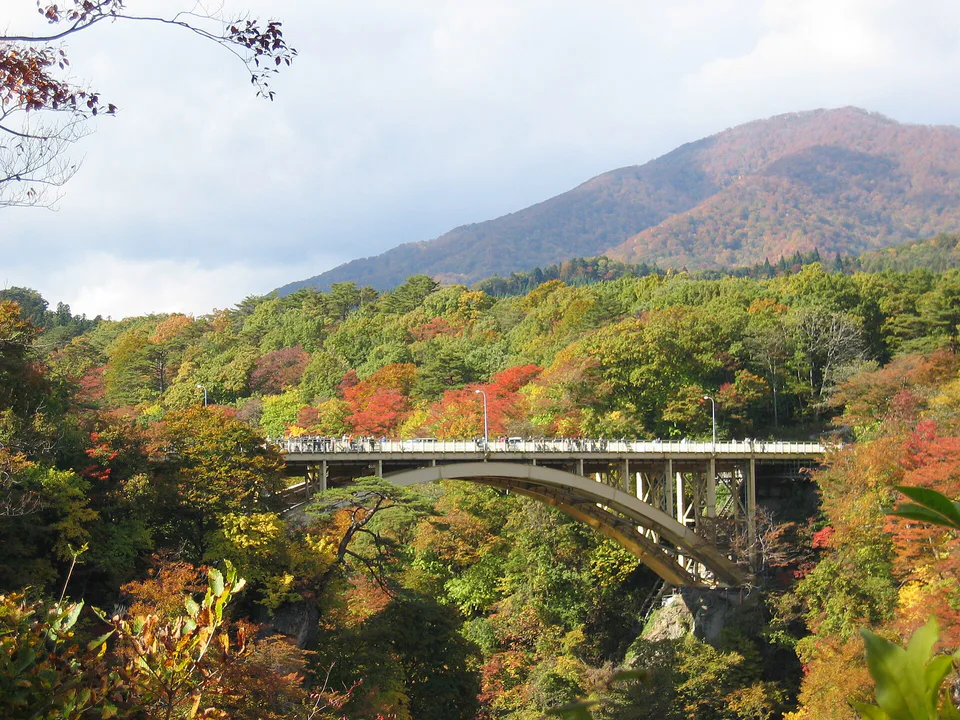
A Naruko Gorge two-day trip is worth the overnight mainly because it buys weather flexibility and transport margin, not because the gorge itself needs two full days. For a car-free first visit, stay in Naruko Onsen, keep the ryokan dinner as the fixed anchor, and put the gorge into whichever half-day has the better weather and confirmed trail status. Do not lock “gorge on Day 1, onsen on Day 2” months in advance.
The 2026 planning constraint is unusually important. JR East still has the Rikuu East Line suspended between Naruko-Onsen and Shinjō after the July 2024 heavy rain, with substitute buses operating on that section under a timetable revised from April 1, 2026. Naruko Gorge itself is open in limited legal sections rather than as one continuous through-trail. Heavy rain in August 2026 also caused fresh closures on nearby walking routes, which is a reminder to recheck conditions on the morning of the visit instead of relying on an old map.
↔ Scroll table left or right
Your situation | Best plan | Why |
Car-free first visit from Sendai | 1 night in Naruko Onsen | Normal rail still reaches Naruko-Onsen from Furukawa; the town gives the easiest luggage, dinner and recovery base |
Day 1 clear, Day 2 uncertain | Do the gorge on Day 1 | Use the confirmed weather window rather than saving the main objective for later |
Day 1 heavy rain, Day 2 forecast clear | Check in / use onsen first; move gorge to Day 2 | The overnight creates option value; do not force wet or closed trails because the itinerary says Day 1 |
Driver during peak foliage | Stay flexible on visit time | Route 47 congestion and parking can erase the theoretical freedom of having a car |
Large suitcase | Naruko Onsen + hotel storage | Do not drag the bag to the gorge or build the overnight around a replacement-bus segment |
Low-walking / older traveller | Taxi + Rest House viewpoints + short legal trail | The main gorge experience does not require the 2.2 km loop |
The overnight buys a second weather window, not a second full gorge day
A day trip can cover Naruko Gorge’s principal viewpoint area. The reason I would spend one night is that autumn travel here contains several hard variables: the Rikuu East Line timetable, a taxi or other final transfer, trail opening status, daylight, foliage traffic and a fixed ryokan dinner. An overnight separates those risks instead of stacking all of them into one return-to-Sendai deadline.
Think of the two days as two weather windows around one fixed hotel night:
Window A: arrival day from late morning to the ryokan dinner deadline.
Window B: the next morning after breakfast until the return train/bus margin begins.
Put Naruko Gorge into the better of those two windows. Put Naruko Onsen town, bathing, a café, souvenir shopping and low-effort local time into the weaker window. That is a stronger itinerary than assigning attractions permanently to Day 1 and Day 2.
The boundary is the ryokan. If dinner is included, its check-in and seating time is the most expensive fixed appointment in the trip. Weather flexibility should never become “stay at the gorge until dinner is missed.”
2026 trail reality: there is no full Naruko Gorge through-walk to plan around
Osaki City’s current 2026 information divides the Naruko Gorge walking experience into three legal pieces:
Nakayamadaira-side Naruko Gorge trail: from the Rest House entrance to Kaiko Bridge, about 350 metres one way, then return the same way. Current opening hours are 09:00–16:00.
Naruko-side Naruko Gorge trail: from the Otani Bridge side for about 230 metres one way, then return. Current opening hours are also 09:00–16:00.
Ofukasawa walking loop: a separate loop of about 2.2 km starting around the Rest House area. The city currently lists it as open through the day during the seasonal opening period.
For 2026, the city currently lists the seasonal trail-opening period from April 28 to late November, with weather-related closure possible without notice. That means a historical map showing a continuous gorge route should not be converted into a current itinerary.
This changes the time budget. A traveller who only wants the signature bridge-and-gorge scenery may not need a three-hour hike. A fit traveller who also wants the 2.2 km loop can spend much longer. Do not force everyone into the same “Naruko Gorge walk.”
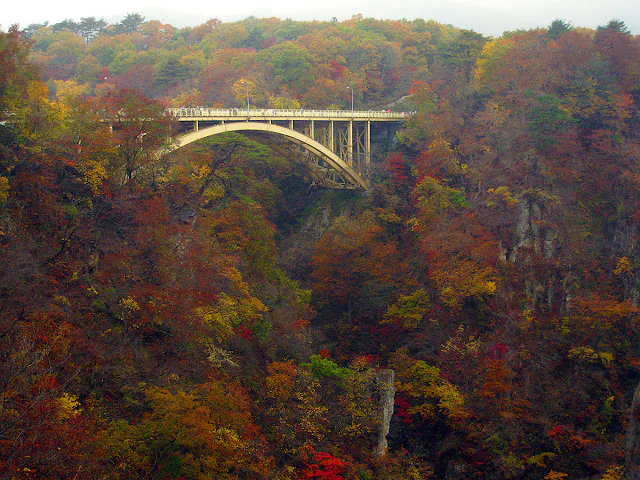
JR still reaches Naruko Onsen normally from Furukawa; the suspension starts beyond it
The July 2024 flood damage still affects the Rikuu East Line in 2026. JR East currently states that rail service remains suspended between Naruko-Onsen and Shinjō, with substitute buses operating through the suspended section. JR revised part of the substitute-bus timetable from April 1, 2026.
This creates an important distinction that old travel advice often blurs:
Sendai → Furukawa → Naruko-Onsen: this remains the straightforward car-free approach using the Tohoku Shinkansen to Furukawa and the operating Rikuu East Line onward.
Naruko-Onsen → Nakayamadaira-Onsen → Shinjō side: do not plan this as ordinary through rail. Use the current substitute-bus timetable and any hotel/taxi arrangements that apply to the exact date.
This is why Naruko Onsen remains the safer first-time base even though Nakayamadaira is geographically closer to the gorge. A closer hotel can still produce a more fragile journey when it sits inside the suspended railway section.
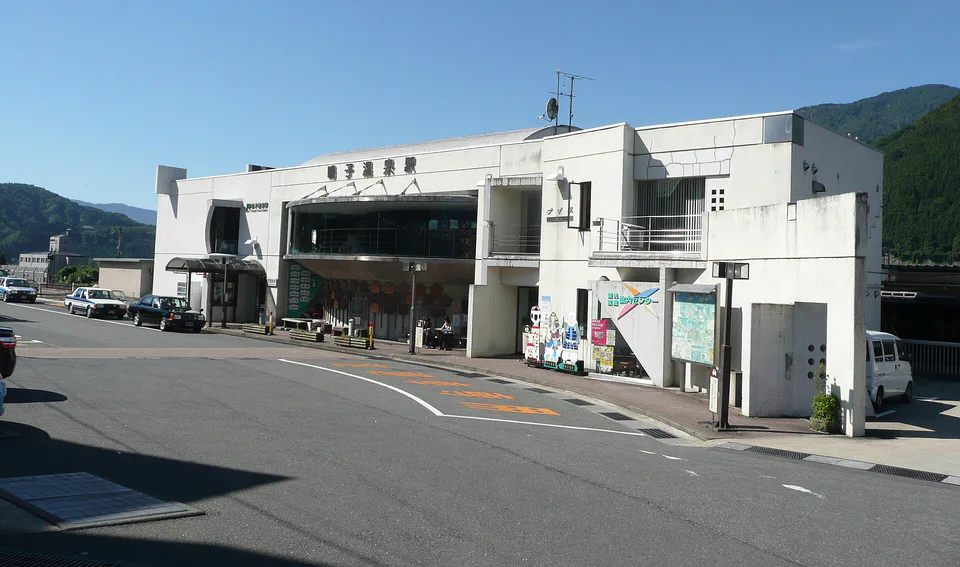
Naruko Onsen vs Nakayamadaira: choose by failure recovery, not map distance
Naruko Onsen is my default without a car. It keeps you on the normally operating rail side, gives more accommodation and food choices, and makes it easier to store luggage before or after the hotel night. Osaki City currently lists Naruko Gorge at about ten minutes by taxi from Naruko Onsen; walking to the Nakayamadaira-side entrance is listed at roughly 60 minutes, which is a poor default with luggage or in autumn traffic.
Nakayamadaira is the specialist choice. It is closer to the gorge, so a driver or traveller with a confirmed hotel transfer can turn that geography into a better morning. But a car-free visitor must treat the replacement bus, hotel pickup or paid taxi as part of the accommodation product. “Closer to Naruko Gorge” is not enough.
A useful booking test is: if the planned transfer fails, can I still reach dinner and the bed without inventing a new route? Naruko Onsen normally survives that test better.
Day 1 should be conditional, not fixed
Version A: Day 1 has the better weather
Leave Sendai early, transfer at Furukawa and reach Naruko Onsen with enough margin to store luggage at a hotel that has confirmed early storage. Continue to the gorge by a reserved taxi, hotel transfer or a seasonal service that has actually been announced for your date.
At the gorge, choose the walking level before starting. For a low-walking visit, use the Rest House / bridge views and one short legal out-and-back. For a fuller walking day, add the 2.2 km Ofukasawa loop if it is open and conditions are safe. Finish early enough to protect the hotel’s check-in and dinner window.
This is the default when the weather is good because autumn weather can deteriorate. Do not save the main objective for Day 2 simply because a sample itinerary places it there.
Version B: Day 1 is wet and Day 2 is better
Do not force the gorge in heavy rain or during a safety closure. Go to Naruko Onsen, check luggage, use the town and onsen, and contact the hotel if the arrival time changes. Move the gorge to the next morning.
This version only works if you also protect the Day 2 departure margin. The gorge is not beside the station. You still need the vehicle connection back to Naruko-Onsen Station, luggage collection and the Furukawa connection. The second weather window is valuable because you stayed overnight; it is not unlimited time.
Day 2 should carry the flexible activities unless the weather reverses
On a normal good-weather Day 1 itinerary, Day 2 can be deliberately light: breakfast, a morning bath, Naruko town, a day-use bath or a short local cultural stop, then return via Furukawa. This makes the trip resilient rather than under-planned.
Do not automatically add every nearby attraction. Katanuma requires its own vehicle/time plan. The Jigokudani walking trail in Onikobe is not a reliable 2026 fallback: after heavy rain on August 1–2, Osaki City reported it fully closed from August 3 because of fallen trees and slope damage, and the city’s August 20 update still listed the closure. The Miyagi Olle Osaki/Naruko course was also closed after the August heavy rain. These are separate routes from the main Naruko Gorge trail, but they demonstrate why “we can just hike somewhere else” is not a robust backup strategy.
If rain removes outdoor walking, let the onsen night do its job. A two-day trip does not fail because one afternoon becomes baths and rest.
The 2026 onsen-hopping ticket is not a planning tool anymore
Naruko Onsen’s tourism association suspended sales of the shared Yumeguri onsen-hopping ticket from April 30, 2026 while the programme is reviewed. Existing valid tickets can still be used within their validity conditions, and individual baths can continue accepting cash where offered.
For a new 2026 visitor, this means Day 2 should not be built around buying the old ticket and hopping freely between many baths. Check the operating bath you actually want and pay under its current rules. This is a small operational change, but it prevents a surprisingly common failure: designing the flexible day around a product that is no longer being sold.
Drivers gain flexibility but also inherit autumn traffic
A car makes Naruko Onsen vs Nakayamadaira much less important because the hotel can be chosen around dinner, onsen and room quality instead of the replacement bus. It also makes the gorge easier to revisit the next morning if weather changes.
But a car does not remove peak-season constraints. Osaki City warns that Route 47 becomes congested during the foliage period. The main Nakayamadaira-side parking area has roughly 253 passenger-car spaces plus bus parking, and the city announces the paid autumn parking period separately; the 2026 paid-period details are due to be announced after September.
That creates a simple driver rule: do not use a ryokan dinner deadline and an optimistic Google driving time as the two ends of the same tight schedule. During peak colour, visit early or keep a large return buffer.
Large luggage: the best solution is usually to remove it from the gorge day
A full-size suitcase adds almost no value at Naruko Gorge and creates repeated failure points: rural rail, taxi loading, hotel storage, wet paths and a return connection.
The cleanest patterns are:
Leave the main suitcase at the Sendai hotel and travel with an overnight bag if you are returning to Sendai.
Forward the main suitcase to the next city using the Japan luggage-forwarding guide and carry one-night essentials.
If the suitcase must come to Naruko, use a Naruko Onsen hotel that has confirmed pre-check-in and post-checkout storage.
Do not assume the station or tourist office will solve large-bag storage on a peak autumn weekend. The hotel should be part of the luggage plan before arrival.
How much walking should you actually plan?
Low-walking version: taxi to the main viewpoint/Rest House area, use the shortest legal section, return by taxi. This is the best fit for older travellers, families with small children or anyone who mainly wants the classic gorge view.
Moderate version: viewpoint area plus one or both short gorge out-and-back sections if open. This captures the canyon without turning the day into a long hike.
Fuller walking version: add the separate 2.2 km Ofukasawa loop. Treat wet leaves, rain and closure notices as real constraints rather than minor inconvenience.
The key correction is that “Naruko Gorge trail” does not describe one continuous experience. Pick the legal section that matches the traveller.
Ryokan dinner is the hard stop that makes the rest of the itinerary honest
A half-board ryokan is not a Tokyo hotel with a flexible restaurant downstairs. Confirm the latest check-in, dinner start or final seating, what to do after a transport delay and whether a missed dinner can be re-served. Never assume it will be refunded.
I would work backward from the hotel’s required arrival time:
required hotel arrival
− taxi / transfer buffer
− autumn traffic buffer
− gorge exit time
= latest sensible time to start the last walking section
This is more useful than trying to maximise every viewpoint. The hotel dinner, bath and morning are part of why you paid for the overnight.
Five versions that still make sense
Car-free first trip: Naruko Onsen base, one overnight bag, taxi/confirmed transfer to the gorge, weather-first ordering.
Driver: either Naruko Onsen or Nakayamadaira, but use early gorge timing and protect dinner from Route 47 congestion.
Low-mobility trip: station-near Naruko hotel, taxi to the main viewpoint, no 2.2 km loop.
Photography-first trip: stay one night specifically to create two weather/light windows; keep everything else optional.
Sendai-based minimalist trip: keep the main suitcase in Sendai, carry one small bag and accept the extra room cost if avoiding luggage movement matters more.
When the overnight is not worth it
Stay in Sendai and do Naruko as a day trip when the gorge is the only objective, the weather forecast is stable, you can secure the final transfer and you do not care much about ryokan dinner or an onsen morning. The overnight should solve weather, dinner, transport or experience problems. It is not automatically superior because the destination has hot springs.
Likewise, if the current trail status has removed the walking experience you came for and the onsen is not enough to justify the trip, changing destinations can be better than preserving a non-refundable-looking itinerary at all costs. Check current Tohoku foliage timing and Mount Kurikoma vs Naruko Gorge before committing to a weak date.
Final verdict
For a first car-free visit in autumn, book one night in Naruko Onsen and keep the gorge day flexible. Use the better weather half-day for Naruko Gorge, use the weaker half-day for the onsen town, and treat the ryokan dinner as the fixed appointment. Nakayamadaira is better only when its replacement-bus, taxi or hotel-transfer chain is already solved.
The two-day itinerary is valuable because it removes the need to gamble everything on one rural transport-and-weather window. In 2026 that flexibility matters more than adding another attraction.
Compare Naruko Onsen stays for your dates
Related planning
Tohoku Autumn Leaves Timing Guide · Mount Kurikoma vs Naruko Gorge · Where to Stay for Tohoku Autumn Leaves · Japanese Onsen Bathing Etiquette
References
Osaki City — Naruko Gorge 2026 trail sections, hours, parking and access · JR East — current Rikuu East Line suspension and substitute-bus notice · JR East — April 1, 2026 substitute-bus timetable revision notice · Osaki City — current Miyagi Olle Osaki/Naruko closure notice after August 2026 heavy rain · Osaki City — current Jigokudani trail closure · Naruko Onsen Tourism Association — Yumeguri ticket sales suspended from April 30, 2026. Checked August 25, 2026. Trail closures, autumn parking, rail substitute buses and road conditions can change; recheck the morning of travel.