
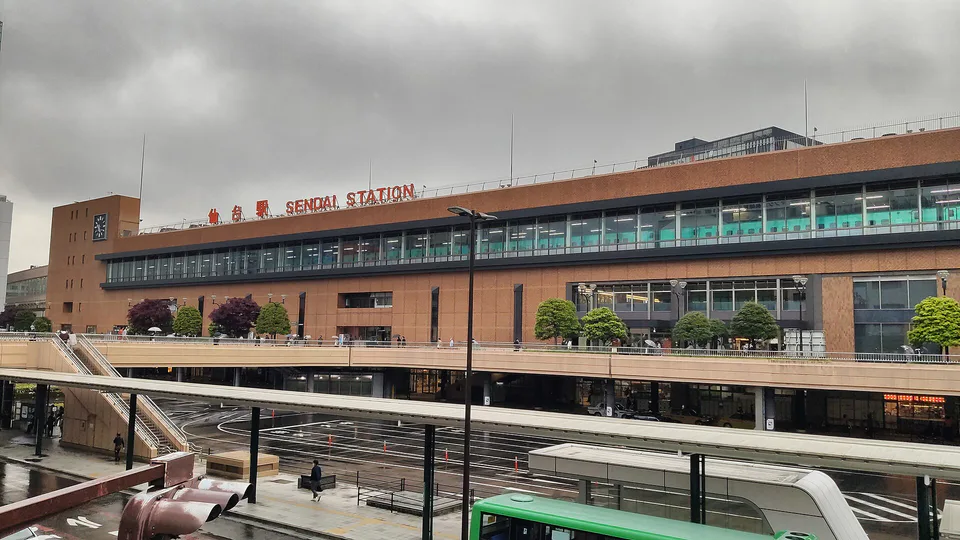
For a car-free first autumn trip through Tohoku, I would normally use two city bases across five to seven days, then replace one city night with a mountain night only when that night removes a real transport bottleneck. Sendai is the strongest base for southern Tohoku, Morioka for Hachimantai and the Akita corridor, Aomori for Hakkoda and Hirosaki, while Hachinohe becomes especially useful when Oirase Gorge is the main event and your rail route runs through the Tohoku Shinkansen.
The important correction is that there is no single “best-connected” city for the whole region. Tohoku’s Shinkansen is fast; the difficult part is often what happens after the train. Hachimantai’s summit is roughly 110 minutes by bus from Morioka, Hakkoda Ropeway is about an hour by bus from Aomori, and the Oirase–Lake Towada corridor depends on a much thinner bus network than the main railway. A hotel that saves ¥2,000 but forces you to repeat the wrong final-mile journey can be false economy.
Transport facts were rechecked on August 26, 2026 against JR East, Hachimantai Tourism, Amazing AOMORI and the Lake Towada National Park Association. The JR EAST PASS currently costs ¥35,000 for 5 consecutive days or ¥50,000 for 10 consecutive days. Seasonal buses, ropeways, road conditions and hotel shuttles can change, so recheck the exact operating date before locking a non-refundable stay.
Choose the base by the morning you need to protect
↔ Scroll table left or right
Your trip shape | Start with | What the base actually buys | When I would reverse the choice |
Naruko, Yamadera, Matsushima and a Tokyo/Sendai sequence | Sendai | Simple intercity rail, airport access and a resilient city Plan B | Two or more major days are actually in northern Tohoku |
Hachimantai plus Kakunodate, Lake Tazawa or the Akita direction | Morioka | You start the mountain or Akita day from the correct transport node instead of adding another Shinkansen leg first | Your only Iwate stop is one easy city day and the rest of the trip is farther north or south |
Hakkoda, Sukayu and Hirosaki, with Oirase as one additional day | Aomori | One northern base can serve several different directions without a hotel move | Oirase is the trip’s main purpose and you are arriving from or continuing south by Shinkansen |
Oirase Gorge is the priority and the next rail leg is southbound | Hachinohe Station area | Direct JR bus access to the Oirase corridor plus immediate Tohoku Shinkansen access | You also need Hakkoda, Hirosaki or Aomori Airport, which makes Aomori the more useful multi-day base |
Two substantial days around Oirase / Lake Towada | One mountain or lakeside night | You turn one long final-mile journey into two usable sightseeing blocks | You arrive after dark and leave immediately after breakfast, so the expensive location creates almost no extra usable time |
Five to seven days covering several Tohoku regions | Two city bases first | Enough geographic change to shorten repeated journeys without turning every morning into check-out | A third base removes a repeated two-hour-class final leg or unlocks a genuinely different early-morning experience |
If you have not decided the overall route yet, solve that before the hotels with the Tohoku five- or seven-day autumn itinerary. Accommodation should follow the route; the route should not zigzag just because one room is cheaper.
The Shinkansen is rarely the real bottleneck
A common planning mistake is to look at a rail map and conclude that a city can work as a base because the Shinkansen journey is short. That ignores the second journey.
Hachimantai Tourism lists the fastest Sendai–Morioka Shinkansen trip at about 43 minutes, but Morioka–Hachimantai summit is around 110 minutes by bus. Staying in Sendai for a Hachimantai day therefore does not create a “43-minute commute.” It creates a rail leg, station transfer, then the long mountain bus before you even start walking.
The same logic applies farther north. Hakkoda Ropeway is about 60 minutes by bus from Aomori Station. Oirase and Lake Towada have direct JR bus access from Aomori, Shin-Aomori and Hachinohe, but those services are far less interchangeable than city trains. Missing one mountain bus can matter much more than missing one Shinkansen.
My rule: choose the hotel around the longest inflexible leg you will repeat. A fast trunk railway does not cancel a slow final mile.
Sendai: use it as a southern Tohoku base, not a universal Tohoku base
I would choose Sendai when the trip repeatedly points toward Naruko Gorge, Matsushima, Yamadera, Sendai itself or the Tokyo / airport corridor. It is the easiest city in this comparison to use as a “recovery base”: there are many trains, plenty of food and a full urban day available if the mountain plan collapses in bad weather.
Where I would not use Sendai is as a hotel shortcut for Hachimantai, Oirase or Hakkoda. The Shinkansen may make the first section look harmless, but you then stack another long, timetable-sensitive journey on top. That is exactly the kind of itinerary that looks efficient in a spreadsheet and feels wasteful on the ground.
For a first trip with older relatives or large luggage, I would pay modestly more to stay within a genuinely simple walk of Sendai Station rather than chase a cheaper room that needs a subway ride before every regional departure. The premium is worthwhile only if you use the station repeatedly. If you spend three straight days inside central Sendai, the same premium loses much of its value.
Morioka: the strongest operational base for Hachimantai and the Akita corridor
Morioka is where I would base a car-free trip that combines Hachimantai with Kakunodate, Lake Tazawa or another Akita-direction day. The value is not that Morioka is exciting enough to justify every night by itself. The value is that several very different regional journeys begin from the same transport node.
For Hachimantai, that matters because the bus is already the expensive time component. The official access guide gives roughly 110 minutes from Morioka Station to Hachimantai summit. Adding a hotel outside Morioka just because it saves on the room rate can turn the mountain morning into a chain of rail + station transfer + bus.
I would stay by Morioka Station rather than in a prettier but less useful part of town when the first bus or a reserved Akita Shinkansen matters. The trade-off is a less atmospheric evening. If your next day is only a relaxed city day, a central restaurant district can be equally rational; the station premium only earns itself when you repeatedly use it.
One failure mode is booking a mountain day first and the hotel second without checking whether the seasonal bus actually operates on your date. Autumn services are not a metro line. If Hachimantai is non-negotiable, verify the current timetable before the cancellation deadline, not the night before departure.
Aomori vs Hachinohe for Oirase: the answer depends on what comes before and after
The older shortcut “Hachinohe is for Oirase, Aomori is not” is too crude. The Lake Towada National Park Association currently lists direct JR buses from Aomori Station, Shin-Aomori Station and Hachinohe Station into the Oirase–Lake Towada corridor. So the hotel decision should be made by route shape, not by pretending only one city is a gateway.
↔ Scroll table left or right
If your wider trip includes... | I would lean toward... | Reason |
Hakkoda + Hirosaki + one Oirase day | Aomori | The same hotel supports several northern directions, so you avoid moving just to save one Oirase transfer |
Oirase as the main attraction + onward Shinkansen south | Hachinohe Station | You pair the Oirase bus gateway with the next intercity rail move |
Two days around Oirase and Lake Towada | Consider sleeping in the Oirase / lake area | The second day benefits more from waking locally than from debating Aomori versus Hachinohe |
Aomori Airport or a Hirosaki finish | Aomori | Your final-city geography outweighs a small theoretical advantage on one bus day |
There is another hidden choice inside Hachinohe: Hachinohe Station and central Hachinohe are not the same base. The Shinkansen and the direct Oirase bus use Hachinohe Station; the livelier dining area is closer to Hon-Hachinohe. For one Oirase night with luggage, I would usually give the station the advantage. For two relaxed city evenings and no early bus, the balance can reverse.
Aomori earns its hotel nights when Hakkoda and Hirosaki repeat
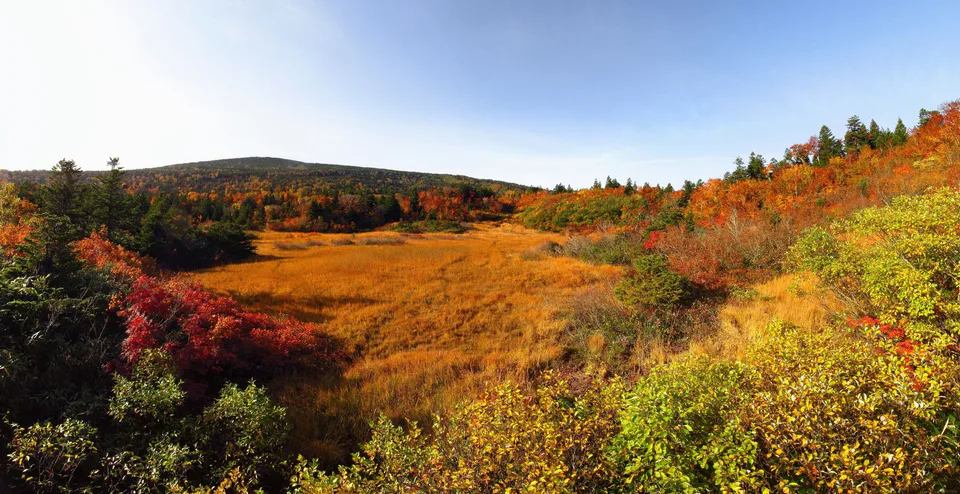
Aomori becomes much stronger when the itinerary uses more than one of its directions. Amazing AOMORI lists Hakkoda Ropeway at about an hour by bus from JR Aomori Station, with the ropeway normally operating 09:00–16:20 from March to early November. The official tourism site gives late September to mid-October as the typical Hakkoda foliage window, but that is a historical planning range rather than a promise for your exact year.
If Hakkoda is your only northern objective, Aomori may be just a functional night. If you also want Hirosaki, Sukayu or another Aomori day, the hotel starts earning its value repeatedly. This is the same principle as every base in this guide: one useful connection is not enough to make a base “best”; repeated useful connections are.
Weather is the reversal condition. If the ropeway is suspended or the mountain is clouded in, an Aomori base still leaves you with Hirosaki or an urban day. A remote mountain hotel can be more atmospheric, but it gives you fewer ways to salvage a bad-weather morning.
When a mountain overnight is worth paying for
I would not add a mountain night merely because the hotel looks scenic. It should buy at least one of three things that a city hotel cannot:
usable morning or evening time beyond the bottleneck — you wake up near Oirase, Lake Towada, Hachimantai or another mountain objective instead of spending the best part of the morning reaching it;
removal of a fragile final bus — the day no longer depends on getting back to the city after the last useful sightseeing block;
an experience you would pay for anyway — onsen, dinner, quiet lake or forest time is part of the trip rather than incidental accommodation.
A mountain room fails this test when you arrive after dark, eat quickly, sleep and leave on the first bus after breakfast. You have paid the higher room cost, accepted a tighter cancellation policy and moved your luggage without buying much extra mountain time.
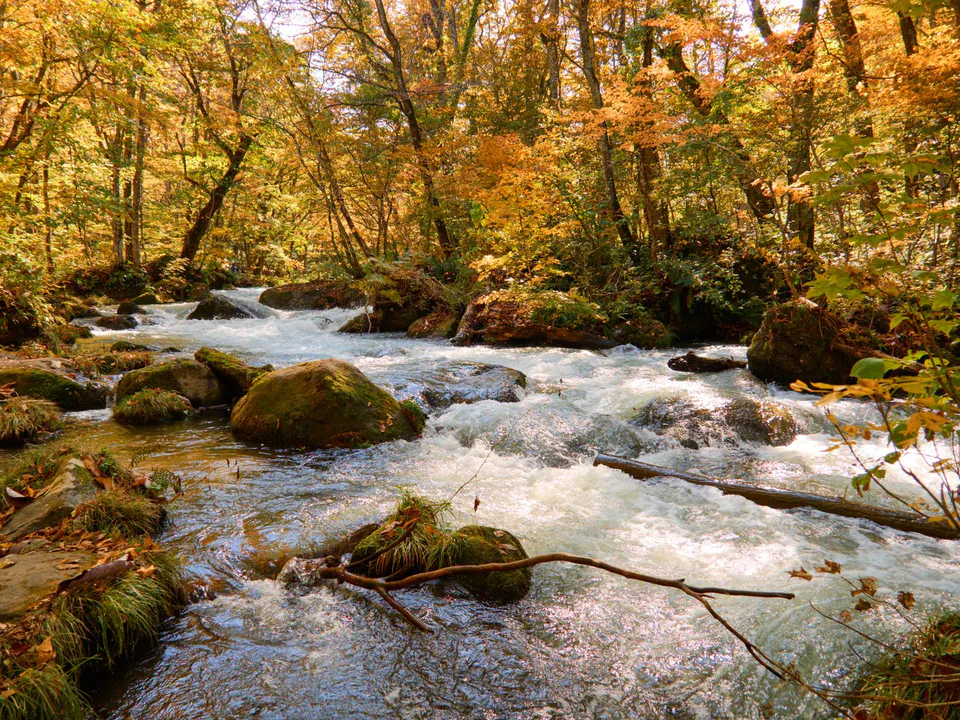
For Oirase and Lake Towada, the strongest use case is two sightseeing blocks: arrive while there is still daylight, sleep locally, then start again before returning to the rail corridor. If the trip only needs one focused gorge walk, a city base can remain the better buy. Use Where to Stay for Oirase Autumn Leaves when that specific overnight is the decision.
Five days: two bases are usually enough
Five days is where hotel over-planning hurts most. Every extra base consumes check-out time, luggage handling, another arrival and another period when you do not have a room. I would normally use one of these shapes:
Southern / central Tohoku: Sendai 2 nights + Morioka 2 nights, with the fifth day used for arrival or departure.
Northern Tohoku: Hachinohe 1–2 nights + Aomori 2–3 nights if Oirase, Hakkoda and Hirosaki all matter.
Oirase-heavy: Hachinohe or Aomori + one Oirase/Lake Towada night + one city base, rather than three unrelated city hotels.
I would only add a third base when it removes a journey that would otherwise be repeated or creates an early-morning block that materially changes the trip. Moving from Sendai to Morioka for one Hachimantai morning can pass that test. Moving from Aomori to Hachinohe for one dinner usually does not.
Seven days: a third base can work, but it should replace friction rather than add variety
Seven days gives enough time for a north–south sequence such as Sendai → Morioka → Aomori/Hachinohe. The important word is sequence. If the hotel order makes you travel north, then south, then north again, no amount of Shinkansen speed fully recovers the wasted transitions.
A practical seven-day trip can use two nights in Sendai, two in Morioka and two around Aomori or Hachinohe, with one travel day connecting the sequence. If Oirase is central, replace one northern city night with a mountain night rather than simply adding a fourth hotel.
This is also where an open-jaw flight or a different departure city matters. If you can enter through Tokyo/Sendai and finish near Aomori—or reverse the route—you avoid a long rail return purely to reach the original airport. The accommodation plan should reinforce that one-way movement.
With large luggage, the “closest hotel” is the one closest to your actual departure point
Station-area hotel descriptions can be misleading in large transport complexes. Five minutes to “the station” is not the same as five minutes to the bus stand or Shinkansen entrance you need at 07:00 with two suitcases.
For a mountain overnight, I would keep the main suitcase in the city sequence whenever possible and carry a one-night bag. If you return to the same city hotel, ask whether it will store the large bag. If you forward luggage to the next city, confirm that the receiving hotel accepts deliveries under your reservation name and keep medication, documents, batteries and a change of clothes with you.
Families and older travellers should put even more weight on this final 500 metres. A slightly more expensive hotel that removes one taxi, underground passage or morning transfer can be worth more than a better view. But again, frequency decides the value: pay for the easier route when you use it repeatedly, not because “station hotel” sounds convenient.
The last night should be the most resilient night, not the most scenic
I would not place the final night before an international flight at a hotel that depends on one seasonal bus, a mountain road or a long weather-sensitive transfer. Autumn in higher Tohoku can bring fog, strong wind and early cold conditions; a ropeway or scenic road does not owe your flight schedule anything.
Move back to Aomori, Sendai, Tokyo or another transport-resilient city before the flight when the consequence of a disruption is expensive. A mountain night is valuable when it buys mountain time. It is poor value when it turns a weather delay into an aviation problem.
What I would book first
Fix the foliage corridor, not the hotel. Use current dated reports rather than assuming the same peak week every year. The Tohoku autumn timing guide is the starting point.
Confirm the hard transport. Check seasonal bus dates, first and last useful services, ropeway operation and any hotel shuttle reservation deadline.
Choose the city base that protects the next morning. Only then compare hotels within walking distance of the correct station or bus departure.
Add a mountain night only if it creates additional usable time. Do not buy scenery you will only see through the window at breakfast.
Keep the final night resilient. The closer you are to the flight home, the less tolerance the itinerary should have for a single-point transport failure.
Final verdict
If I were planning a first car-free Tohoku autumn trip, I would choose fewer bases than the map initially suggests. Sendai and Morioka cover very different southern/central jobs; Aomori and Hachinohe should be chosen by the combination of Oirase, Hakkoda, Hirosaki and your onward rail direction rather than by a blanket ranking. A mountain night is a tool for removing a bottleneck, not a badge that makes the itinerary more “authentic.”
The recommendation reverses for a road trip: with a rental car, some city-base disadvantages shrink and the value of mountain accommodation can rise because you are less dependent on the final bus. For a fully car-free trip, however, the best hotel base is the one that makes the hardest morning predictable.