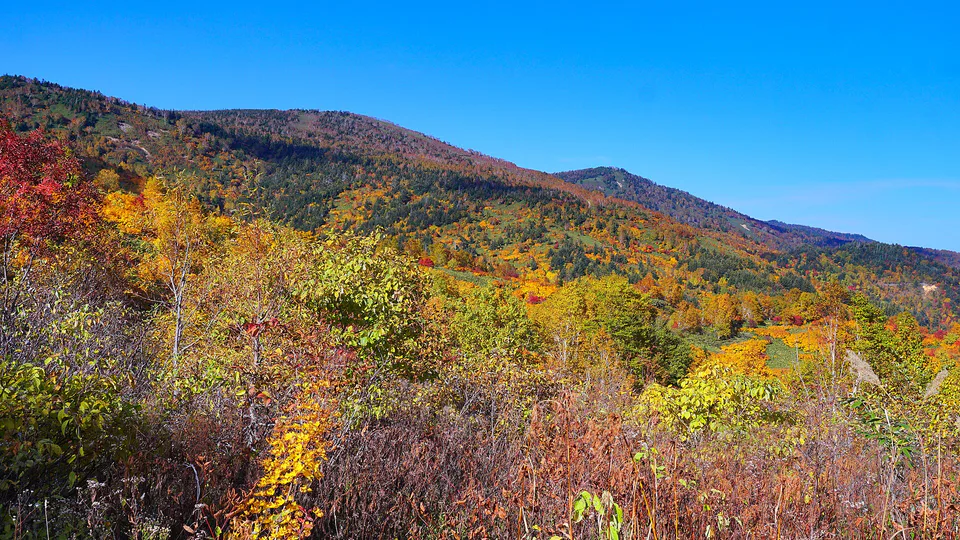
Quick answer: A five-day Tohoku autumn leaves itinerary should complete one corridor. A seven-day trip can connect two neighbouring bases, but it still should not combine Hakkoda, Hachimantai, Oirase, Naruko and Yamadera. Late September to early October suits Kurikoma or Hachimantai; early to mid-October suits Morioka, Hachimantai and Tazawako; mid- to late October suits Hachinohe, Oirase and Aomori; late October to early November suits Sendai, Naruko and Yamagata.
As of August 4, 2026, detailed 2026 colour reports had not opened across Tohoku. The routes below use official historical timing and current transport information, not a guaranteed forecast. The current JR EAST PASS costs ¥35,000 for five consecutive days or ¥50,000 for ten consecutive days. The old Tohoku-area product is no longer sold. Some mountain buses, ropeways, cruises, rental cars, taxis and luggage-forwarding services remain outside the pass or require separate reservations.
Four five-day routes, day by day
↔ Scroll table left or right
Day | Sendai–Naruko–Yamadera | Morioka–Hachimantai–Tazawako | Hachinohe–Oirase–Aomori | Ichinoseki–Kurikoma–Hiraizumi |
Day 1 | Arrive Sendai; use the day for luggage, tickets and station logistics | Arrive Morioka; stay near the station and confirm seasonal transport | Arrive Hachinohe; stay by Hachinohe Station for the early mountain bus | Arrive Sendai or Ichinoseki; confirm the year's shuttle and road controls |
Day 2 | Naruko Gorge and onsen; stay overnight when bathing or final-train protection matters | Single Hachimantai objective; use the confirmed bus or morning road check | Selected one-way Oirase walk; stay near the stream or Lake Towada | Mount Kurikoma day under the exact year's road and shuttle system |
Day 3 | Absorb Naruko disruption or move to Yamagata; never add Oirase/Hachimantai | Lower elevation or onsen return toward Morioka; do not repeat a failed summit | Choshi Otaki/lakeside, then Aomori; preserve a bus alternative to the cruise | Onsen or lower mountain day as the weather buffer |
Day 4 | Full Yamadera day with a defined turnaround for rain, knees or daylight | Lake Tazawa or Kakunodate, or a light combination | Hakkoda only when fully operational; switch to Hirosaki for wind, snow or maintenance | Hiraizumi culture day and weather fallback |
Day 5 | Return through Sendai; use Matsushima/city only if departure remains protected | Hiraizumi or Morioka before departure | Depart via Aomori Airport, Shin-Aomori or Tokyo; avoid a mountain final night | Return through Sendai; do not add Aomori or Tazawako |
Five days or seven days
↔ Scroll table left or right
Version | Hotel structure | Transport / pass logic | Buffer / keep out |
Five-day southern Tohoku | Sendai 3 nights + Naruko/Yamagata 1 | Local JR and buses can make individual tickets cheaper than a five-day pass | Keep a city half-day; exclude Oirase and Hachimantai |
Five-day Iwate mountains | Morioka 3 + Hachimantai/Appi 1 | Test the five-day pass only when Tokyo returns and expensive Shinkansen sectors are concentrated | Use lower elevations after a failed summit; exclude Aomori/Oirase |
Five-day northern Tohoku | Hachinohe 1 + Oirase/Towada 1–2 + Aomori 1 | The pass is more plausible when Tokyo–Hachinohe/Shin-Aomori is fixed inside five days | Keep Hakkoda/Hirosaki interchangeable; exclude Yamadera/Matsushima |
Seven-day southern Tohoku | Sendai + Naruko night + Yamagata night; add Hiraizumi or a complete Matsushima day | Seven days do not automatically need the ¥50,000 ten-day pass; compare individual tickets and open-jaw flights | Keep one lower-elevation buffer day; exclude Oirase |
Seven-day northern open jaw | Morioka 2 + Hachimantai/Appi 1 + Hachinohe 1 + Oirase 1–2 + Aomori 1 | Morioka in and Aomori out can remove backtracking; count only eligible JR sectors | Hachimantai and Oirase may not align; keep a city buffer day |
Choose one five-day corridor by date
↔ Scroll table left or right
Route | Best window | Hotel structure | Keep out |
Sendai–Naruko–Yamadera | Late Oct–early Nov | Sendai 3 nights + Naruko/Yamagata 1 | Oirase and Hachimantai |
Morioka–Hachimantai–Tazawako | Early–mid Oct | Morioka 3 nights + mountain 1 | Naruko and Yamadera |
Hachinohe–Oirase–Aomori | Mid–late Oct | Hachinohe 1 + local 1–2 + Aomori 1 | Yamadera and Matsushima |
Ichinoseki–Kurikoma–Hiraizumi | Late Sep–mid Oct | Sendai/Ichinoseki 3 + onsen 1 | Aomori and Tazawako |
The “keep out” column is more important than the attraction list. Tohoku distances look small on a map but a mountain branch can consume half a day after train, local bus, waiting and hotel check-in are included. Keep one city or lower-elevation buffer day because snow, wind and sold-out transport are structural risks, not unusual accidents.
Five days: Sendai, Naruko and Yamadera
Day 1 is an arrival and logistics day in Sendai. Do not plan a gorge after an international flight or a long Tokyo transfer. Stay near Sendai Station, collect reserved tickets, confirm the following day’s Rikuu-East Line connection and check the Naruko walking conditions. The east and west station areas both work, but choose the side that reduces the next morning’s movement and the final airport transfer.
Day 2 is Naruko Gorge and Naruko Onsen. Travel from Sendai through Furukawa and continue on the Rikuu-East Line. The gorge viewpoints, walking paths, station transfer and onsen town need a full operational window. Stay in Naruko when bathing, a quieter morning or protection against the final train matters. Return to Sendai only when the plan is limited to viewpoints and a short walk.
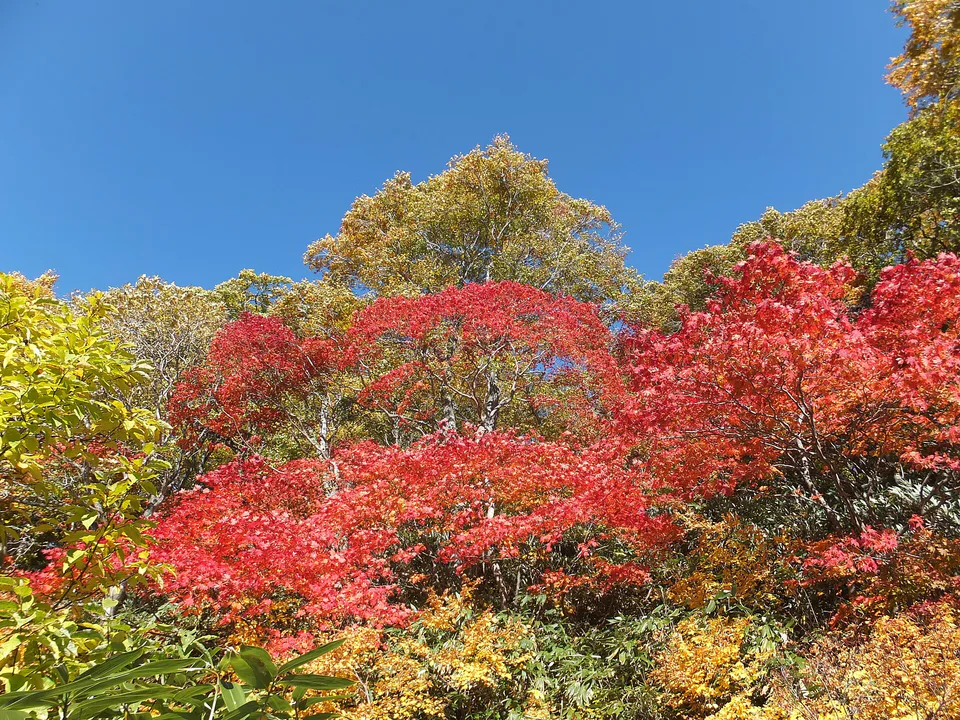
Day 3 absorbs disruption or moves the base to Yamagata. If the previous day was affected by rain, a closed path or a delayed local train, use the morning to finish Naruko. When operations are normal, return through Sendai and continue to Yamagata. The Yamagata night buys an earlier Yamadera departure and reduces the temptation to combine Yamadera with Zao.
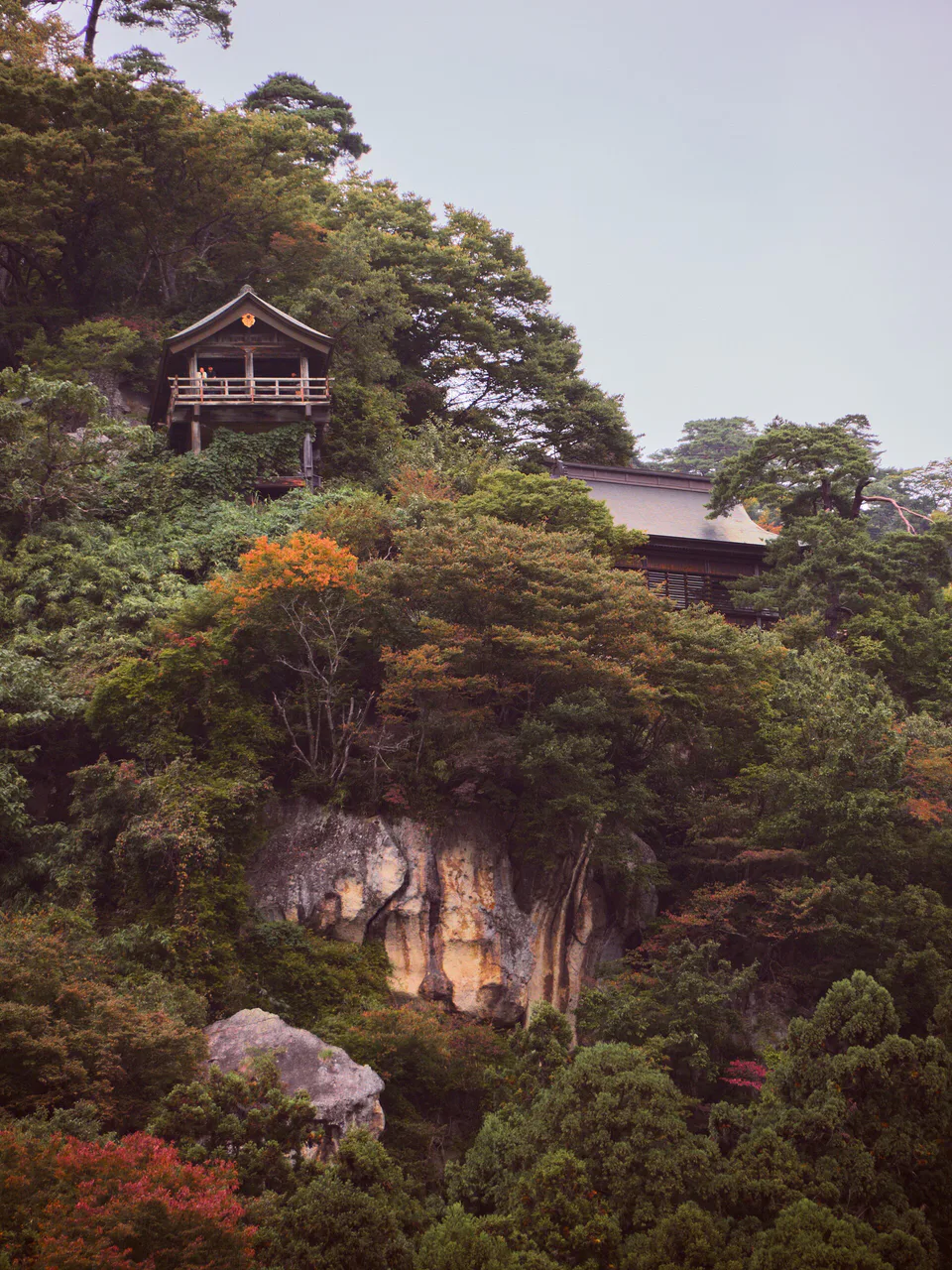
Day 4 is Yamadera. Allow time for stairs, wet stone, photography, lunch and an early autumn sunset. Older travellers and anyone with knee problems should use a defined turnaround point rather than treating the upper temple as compulsory. Day 5 returns through Sendai, with Matsushima or a city half-day only when the airport or Tokyo connection remains protected.
Five days: Morioka, Hachimantai and Tazawako
Day 1 reaches Morioka and stays near the station. Day 2 is the single Hachimantai objective. Public-transport travellers must build around the confirmed seasonal bus rather than inventing extra stops. Drivers should check summit roads, ice, visibility and parking in the morning, then choose between the summit, Onuma, Goshogake and Matsukawa. A route that tries to visit every level usually spends the best light inside the car.
A Hachimantai or Appi night is valuable when it removes the late return and protects the next morning. Day 3 returns toward Morioka through lower elevations. If the summit failed because of snow, fog or road control, do not gamble on the same summit again; use Matsukawa, Appi, an onsen or Morioka’s cultural sites.
Day 4 uses Lake Tazawa and Kakunodate as a flexible pair. Local bus timing limits the lake, while Kakunodate is stronger in rain and for travellers seeking culture rather than another exposed mountain. Day 5 can use Hiraizumi or Morioka before departure. Do not add Aomori and Oirase to this five-day version.
Five days: Hachinohe, Oirase and Aomori
Day 1 arrives at Hachinohe and stays near Hachinohe Station if the next morning uses the reserved mountain bus. Hachinohe Station and central Hon-Hachinohe are separate hotel areas. Day 2 enters Oirase, walks a selected one-way section such as Ishigedo toward Kumoi Falls and stays near the stream or Lake Towada. The same-day city return removes the most valuable early and late hours.
Day 3 finishes Choshi Otaki, Nenokuchi or the lakeside before continuing to Aomori. The Lake Towada cruise is optional, not the only viable connection; preserve a bus alternative. Mountain hotels can have fixed dinner and shuttle deadlines, so the arrival day cannot contain a full gorge walk, cruise, multiple photo stops and a late check-in.
Day 4 chooses Hakkoda only when the ropeway, buses, visibility and walking conditions are suitable. Strong wind, maintenance, first snow or a past-peak upper canopy should move the day to Hirosaki. Day 5 departs through Aomori Airport, Shin-Aomori or Tokyo. Do not sleep in a remote mountain hotel before a long-haul flight.
Five days: Ichinoseki, Kurikoma and Hiraizumi
This version suits the earlier end of the season. Day 1 reaches Sendai or Ichinoseki. Day 2 is Kurikoma and must follow the exact year’s road control or shuttle plan. Day 3 uses an onsen or lower mountain route. Day 4 is Hiraizumi, which also serves as the weather fallback. Day 5 returns through Sendai. Do not add Tazawako, Oirase or Aomori merely to increase prefecture count.
How to extend the trip to seven days
A southern seven-day route can add one Naruko night, one Yamagata night and Hiraizumi or a complete Matsushima day. It works well without a car and in late October. Keep Oirase outside this version. Travelling north after Sendai adds a new bus and hotel system that will remove the flexibility the extra two days were meant to create.
A northern seven-day route can enter through Morioka and leave through Aomori: two Morioka nights, one Hachimantai or Appi night, one Hachinohe night, one or two Oirase nights and one Aomori night. This is a genuine surface open-jaw itinerary and avoids returning to the original base. Hachimantai and Oirase may not align in the same foliage week, so use current colour reports to decide whether both mountain branches remain.
Even seven days needs one city or lower-elevation buffer. Use it for a suspended mountain bus, luggage delay, poor weather or colour mismatch. When everything works, add Hirosaki, Kakunodate, Hiraizumi or Matsushima. Do not pre-fill the buffer with another remote branch.
Is the current JR EAST PASS worth it?
The five-day pass is plausible when Tokyo–Sendai–Morioka–Hachinohe or Shin-Aomori sectors are concentrated inside five consecutive days. A Sendai, Naruko and Yamagata itinerary may cost less with individual tickets. Include airport trains and reserved seats in the comparison, but do not count unrelated mountain buses, cruises or rental cars as covered.
A seven-day holiday does not automatically require the ten-day pass. If the first and final days are flights and two middle days rely on buses or a car, ¥50,000 may not be competitive. An open-jaw flight entering through Sendai and leaving through Aomori can also remove the cost and time of returning to Tokyo.
Pass users still need reservations on appropriate trains and must carry the required passport. Build the pass period around the expensive covered rail days, not around the calendar start of the holiday. If a service is delayed or suspended, the pass terms do not automatically pay for replacement hotels or taxis.
Gateways, international flights and the final night
Sendai Airport is useful for a southern route; Aomori Airport or Shin-Aomori can finish a northern route. International travellers connecting through Tokyo should keep a city night before a long-haul departure, because a mountain bus or road delay can destroy a same-day flight connection. Open-jaw planning is worthwhile only when it removes backtracking without creating a difficult separate ticket.
The hotel base should buy the next morning’s first usable hour. Hotel Metropolitan Sendai East suits rail-heavy southern routes; Hotel Metropolitan Morioka or Dormy Inn Morioka supports Iwate; JR-East Hotel Mets Hachinohe protects an early Oirase bus; Naruko Hotel, a Hachimantai mountain hotel or Oirase Keiryu Hotel trades a higher nightly cost for local time. These are location examples, not live prices or availability promises.
Choose the Tohoku base before booking
A five- or seven-day Tohoku route should not be funnelled into one Sendai search. Compare Sendai, Morioka, Aomori and Hachinohe first, then book inside the base you actually choose.
Compare Sendai, Morioka, Aomori and Hachinohe bases
Book only after the overnight bases match the route.
Luggage forwarding and booking order
Forward the main suitcase from Sendai to Morioka or Aomori and take an overnight bag into Naruko, Hachimantai or Oirase. Confirm the next hotel accepts deliveries under the booking name and allow the required lead time. Keep passports, medication, warm layers, batteries and the following day’s essentials with you.
Book in scarcity order: cancellable mountain or onsen room with a fixed dinner first, mandatory seasonal bus second, reserved train seat third, rental car or hotel shuttle fourth and ordinary trains last. Do not pay for a non-refundable room before confirming the only realistic inbound service.
Driving versus public transport
Public transport works when each day has one mountain objective and the itinerary is built backward from the final bus. It protects the traveller from parking and some road stress but does not remove congestion. A regional rental car can help a group, photographers and dispersed sights, but the real cost includes insurance, non-operation charge protection, fuel, tolls, parking, a second driver and the risk of a late return.
International drivers must carry the correct driving documents for Japan and understand the rental company’s winter-equipment policy. Travellers without cold-weather mountain-driving experience should not rent a car simply to chase an unconfirmed colour report. A bus-and-local-hotel route is slower on paper but can be safer and more predictable.
Early snow, sold-out transport and rain Plan B
Cancel exposed summits and night mountain roads for snow, ice, dense fog or strong wind. Replace them with lower gorges, onsen or city culture. A sold-out seasonal bus should keep the traveller at the gateway; do not improvise a rural one-way taxi trip without a confirmed return.
Heavy rain should remove long gorge walks and wet cliff stairs. Use Matsushima, Hirosaki, Kakunodate, Hiraizumi, museums or onsen after checking warnings. If colour is late, move higher only within the same base. If wind has stripped the high canopy, move lower. Delete the most distant mountain branch first, not the city buffer or the final confirmed transport.
Frequently asked questions
Is five days enough for Tohoku foliage?
Yes for one corridor, not for the entire region.
Can the trip be done without driving?
Yes, with one mountain objective per day and planning from the final bus.
Does a seven-day trip need the ten-day pass?
No. Compare ¥50,000 with individual tickets and open-jaw flights.
Official sources and last verification
Dynamic information was last checked on August 4, 2026. Exact 2026 colour reports and some seasonal transport notices remain subject to update.
10-Day Japan Autumn Leaves Itinerary: Regional Routes, Transport and Where to Stay
Takayama Autumn Leaves: Old Town, Hida Folk Village, Transport and Hotels
Yabakei Autumn Leaves Guide: Hitome Hakkei, Ao-no-Domon, Driving and Hotels
Lake Kawaguchi vs Lake Yamanaka for Autumn Leaves: Views, Access and Hotels
7 Day Japan Autumn Leaves Itinerary: Hokkaido, Tohoku, Tokyo, Kyoto or Kyushu