
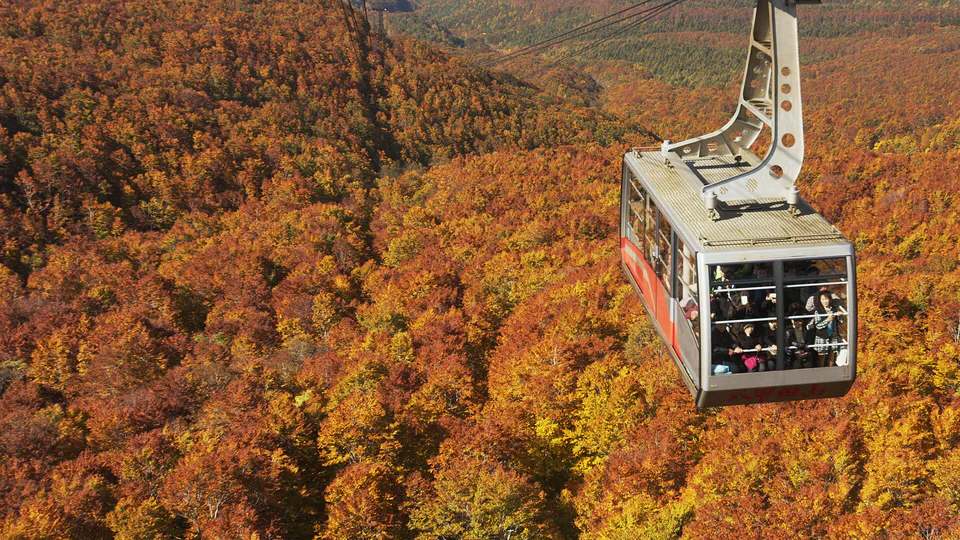
For a first Hakkoda autumn visit without a car, I would use the earliest useful JR Bus from Aomori, go straight to the ropeway if it is operating and visible, then decide whether Sukayu still fits after you know the queue. From September 18, 2026, JR Bus Tohoku adds a seasonal 07:30 departure from Aomori Station that reaches Hakkoda Ropeway at 08:24—before the normal 09:00 ropeway opening. That 40-minute advantage over the regular 08:10 bus is valuable because Hakkoda has two queues you cannot fully control: the mountain bus and the gondola.
The second rule is even more important: do not let a ropeway ticket turn into a sunk-cost trap. Hakkoda is an elevation system, not one viewpoint. The summit colours first, Sukayu and the surrounding forest follow, and lower areas such as Oirase generally run later. If wind, fog or operational suspension removes the summit, move down the mountain rather than waiting for hours.
↔ Scroll table left or right
Your trip | Best starting plan | Why | What can reverse it |
Car-free day trip after Sep 18 | 07:30 seasonal JR Bus → ropeway first | Arrives 08:24, before normal 09:00 ropeway opening | Ropeway suspended, zero visibility or unsafe surface conditions |
Car-free day trip before Sep 18 | 08:10 JR Bus → ropeway 09:04 | Still the cleanest early public-transport sequence | A long ropeway queue may force you to delete Sukayu |
One-night mountain stay | Sukayu / Hakkoda-side base | Buys a second weather window and removes the Aomori morning bus | The hotel is only being used to sleep and the city backup matters more |
Summit already past peak | Move lower: Sukayu, Jogakura, Oirase | Autumn descends by elevation | Current field reports show lower areas are also finished |
Strong wind / fog | Ground plan immediately | Ropeway value collapses when operation or panorama disappears | Conditions improve before your protected return cutoff |
Hakkoda is an elevation ladder, not one peak date
Aomori’s official tourism guidance places the wider Hakkoda autumn season from late September through October. Its more specific route guidance separates the mountain further: the ropeway destination is typically strongest from mid-September to mid-October, while Sukayu, Jogakura and Tsuta tend to run from early to late October; Oirase and Lake Towada generally extend later into mid-October and early November.
Those are historical planning ranges, not a 2026 colour forecast. The useful analysis is directional: when the summit is past peak, descend before you change prefecture. A traveller who reaches Hakkoda in the third week of October should not automatically chase the highest point because “mountain = more autumn.” The colour may already have moved below it.
That creates a three-layer fallback:
High: ropeway summit and alpine walking.
Middle: ropeway forest, Sukayu, Jogakura, Suiren-numa.
Lower: Tsuta, Oirase and Lake Towada on a later calendar.
Check live foliage and weather before departure. The layer that looked best when you booked the hotel does not have to be the layer you visit.
The September 18 bus expansion changes the car-free strategy
JR Bus Tohoku has published a specific 2026 autumn congestion measure: from September 18 it adds extra Mizuumi services. The most useful one for Hakkoda is Mizuumi 102, leaving Aomori Station at 07:30 and reaching Ropeway Station at 08:24, Sukayu at 08:35 and continuing toward Towada.
The regular timetable still includes Aomori 08:10 → Ropeway 09:04 → Sukayu 09:15 and Aomori 09:00 → Ropeway 09:54 → Sukayu 10:05. That means the seasonal 07:30 service does not merely add capacity. It changes the sequence for a first-time visitor: you can be at the ropeway before its normal 09:00 opening rather than arriving after operations have begun.
For a popular foliage date, I would value those 40 minutes more than I would value an extra breakfast hour in Aomori. The reason is not “earlier is always better.” It is that the early bus buys margin against a queue that can become long in autumn.
Do not confuse bus arrival with gondola boarding. Ticketing, weather checks and the opening queue still exist. But arriving 08:24 gives you a better chance to solve the summit before the rest of the day becomes hostage to it.
How much ropeway time should you budget?
Aomori’s official information currently lists the ropeway at JPY 2,200 return for adults and normal operation from 09:00 to 16:20 in March through early November, with the final down service later than the final up service. The ride itself is only around ten minutes. That is the smallest part of the real visit.
Budget for:
ticket purchase and any queue;
the ride up;
visibility and surface check at the summit;
a short viewpoint or boardwalk route;
the descent queue;
the connection to your next bus or stop.
On a quiet day, two hours can be enough for a short summit visit. On a peak autumn day, the ropeway itself warns that waits can be substantial. Do not schedule Sukayu, Jogakura and a long summit walk as if the gondola leaves whenever you arrive.
The decision rule I would use is: protect the next hard transport first, then let the summit walk expand only if the queue is short.
Sukayu is not the consolation prize — it is the best ropeway failure plan
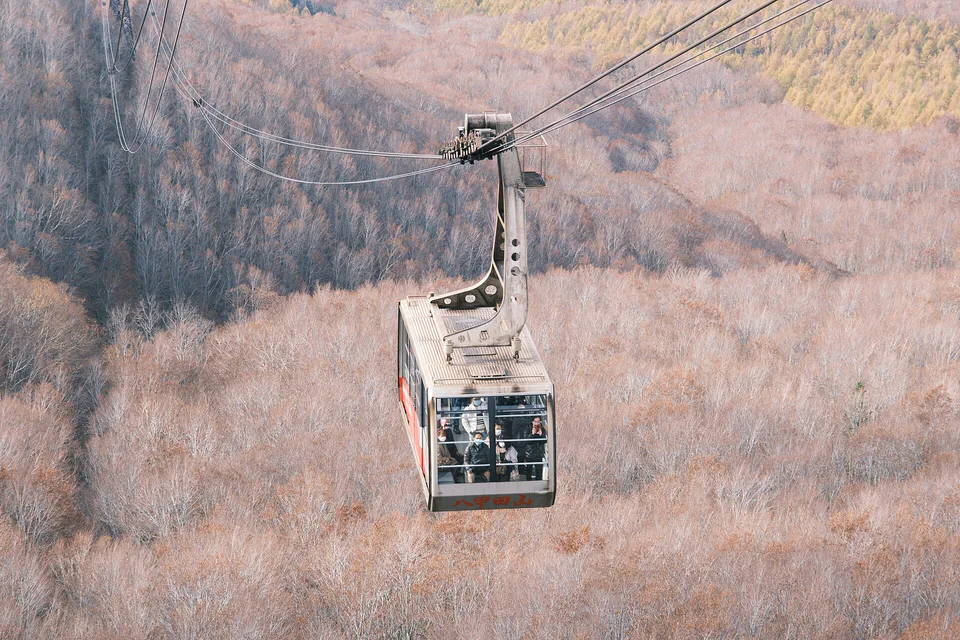
Sukayu is the strongest Plan B because it remains a destination when the summit fails. The onsen, volcanic landscape and middle-elevation forest give the day a different purpose instead of a weaker copy of the ropeway view.
From September 18, the added 07:30 bus reaches Sukayu at 08:35. The regular 08:10 and 09:00 departures reach it at 09:15 and 10:05. On the return, the current Mizuumi timetable includes afternoon services through Sukayu back to Aomori. The exact last useful bus depends on the dated timetable, so save that before leaving the city.
If the ropeway is suspended when you reach the stop, I would not wait indefinitely for a restart. Continue to Sukayu if the bus and road are operating. If the ropeway is open but the summit is completely inside cloud, ask whether the forest ride itself is still worth JPY 2,200 to you. For some travellers it is; for a panorama-first traveller it may not be.
This is an important difference between operation and value. A running gondola can still be a poor purchase on a zero-visibility day.
Do not hard-code an unverified maintenance closure
Earlier versions of this article carried exact November maintenance dates. Those dates circulate on tour-company pages, but they should not be treated as an operator-confirmed 2026 fact unless the ropeway publishes them in its current official operations information.
The safer 2026 rule is:
use the official ropeway / official Aomori information for normal hours and fares;
check the ropeway’s current operation notice or official social feed immediately before travel;
if your date falls in a maintenance period shown by the operator, switch to a ground plan before leaving Aomori.
A maintenance closure is different from a weather suspension. Maintenance can be planned around in advance. Wind and fog need a same-day decision.
Aomori day trip or mountain overnight?
Stay in Aomori when Hakkoda is one part of a wider Aomori trip, you have large luggage, or you want the strongest indoor/weather backup. The city also gives you more dining and rail options if the mountain day collapses.
Stay around Sukayu/Hakkoda when the mountain is one of the main reasons for the trip. The night buys two things: a much shorter first movement in the morning and a second weather window. If Day 1 is windy, Day 2 may not be. That is a more defensible reason to pay for the mountain night than simply wanting a hotel “closer to the leaves.”
The overnight is weak when you arrive late, sleep, then leave immediately after breakfast. In that pattern the hotel has not bought another mountain session; it has only moved the bed.
If you are still choosing between city and mountain, use Where to Stay in Aomori before opening an OTA.
Why Hakkoda and Oirase usually should not share one rushed day
JR Bus Tohoku’s 2026 autumn expansion makes the corridor easier, but it does not make Hakkoda Ropeway and a meaningful Oirase walk small attractions. Hakkoda can consume a large morning through bus + ropeway + queue + walking. Oirase then needs its own bus positioning and walking time.
A driver can physically touch both areas in a day, but that is not the same as using both well. A car-free traveller is even more constrained by the bus schedule. I would combine them only when one side is deliberately short: for example, ropeway ride with minimal summit walking + a selected Oirase section.
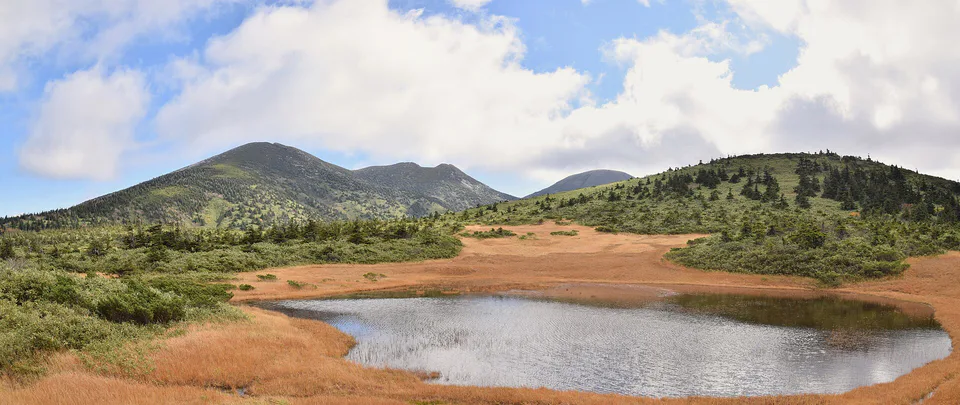
If Oirase is a major goal, use the Lake Towada–Oirase two-day plan and let Hakkoda occupy a separate weather window.
Self-drive does not remove weather or autumn-road risk
Driving gives you control over the middle elevations, not control over the mountain. You can move between the ropeway, Sukayu and Jogakura more easily, but the ropeway can still stop and fog can still erase the summit view.
Late October also brings a second boundary: early snow and black ice. A rental car with winter tyres is not a substitute for winter-driving experience. If conditions turn marginal, use the bus or stay in Aomori rather than treating a prepaid rental as a reason to continue.
The best self-drive day uses the car as a flexibility tool: summit clear → ropeway first; summit closed → Sukayu/Jogakura; road conditions deteriorating → leave the mountain.
Families and older travellers: the flat photo hides the cold and return climb
Summit boardwalk photographs can make Hakkoda look like an easy scenic stroll. The important variables are cold, wet or frosty timber, wind and the group’s ability to return on time. Do not expand the route simply because the first ten minutes feel easy.
For a family or older traveller, I would prioritise:
the earliest practical bus;
a short summit route;
Sukayu as the second stop only if the ropeway queue was reasonable;
one protected bus earlier than the absolute last connection.
The goal is not to extract every possible viewpoint from one ticket. It is to keep enough margin that the last hour of the day is not a race against a mountain timetable.
Clothing is part of the transport plan
The summit is substantially colder and more exposed than Aomori city. Bring a wind/rain shell, warm layer, gloves in colder autumn periods and footwear with grip. A weather-proof outfit is valuable because it lets a light-rain day remain usable without forcing you to wait indoors for perfect conditions.
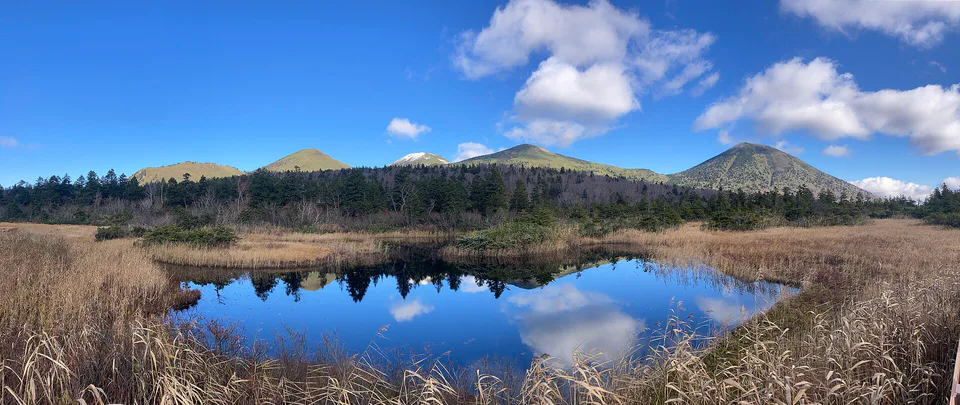
But clothing does not fix strong wind, severe fog or ice. The stop-loss rule remains the same: when the conditions remove the value or safety of the summit, descend the plan.
Three 2026 car-free itineraries that make sense
1. September 18 onward: queue-minimising day
Aomori 07:30 → Ropeway 08:24 → first practical gondola → short summit walk → reassess around late morning → Sukayu only if the ropeway queue did not consume the day → protected afternoon JR Bus back to Aomori.
2. Earlier season / before seasonal extra bus
Aomori 08:10 → Ropeway 09:04 → summit first → choose either Sukayu or a longer summit stay, not both by default → return on a bus with margin.
3. Mountain-first overnight
Travel from Aomori the previous afternoon → stay around Sukayu/Hakkoda → check weather before breakfast → use the best layer first → leave for Aomori/Oirase after the main mountain session. Best when Hakkoda is a trip priority and one bad-weather day would be genuinely disappointing.
Final verdict
For 2026, the biggest practical improvement for a car-free autumn visit is the September 18 seasonal bus expansion. Use the 07:30 Aomori departure when your date qualifies, because arriving 08:24 puts you at the ropeway before normal opening and gives the itinerary more margin against autumn crowds.
Then keep the recommendation conditional: ropeway first when it is operating and the summit has usable visibility; Sukayu or a lower-elevation plan when it does not. Do not wait for the mountain to rescue a fixed itinerary, and do not copy exact maintenance dates from a tour listing unless the ropeway’s current official information confirms them.
Kankakei Gorge Autumn Leaves Guide: Ferries, Buses, Ropeway and Where to Stay
Hachimantai Autumn Leaves Guide: Scenic Drives, Buses, Onsen and Road Closures
Kyoto Autumn Leaves by Elevation: Takao, Kibune and City Sequence
Hakone Autumn Leaves Guide: Foliage Timing from Gora to Lake Ashi and Hakone-Yumoto
References
Amazing AOMORI — Hakkoda Ropeway · Amazing AOMORI — Hakkoda autumn leaves · JR Bus Tohoku — Mizuumi/Oirase timetable · JR Bus Tohoku — Sep 18, 2026 autumn service expansion. Checked August 25, 2026. Recheck ropeway operation and the exact dated bus timetable immediately before travel.