
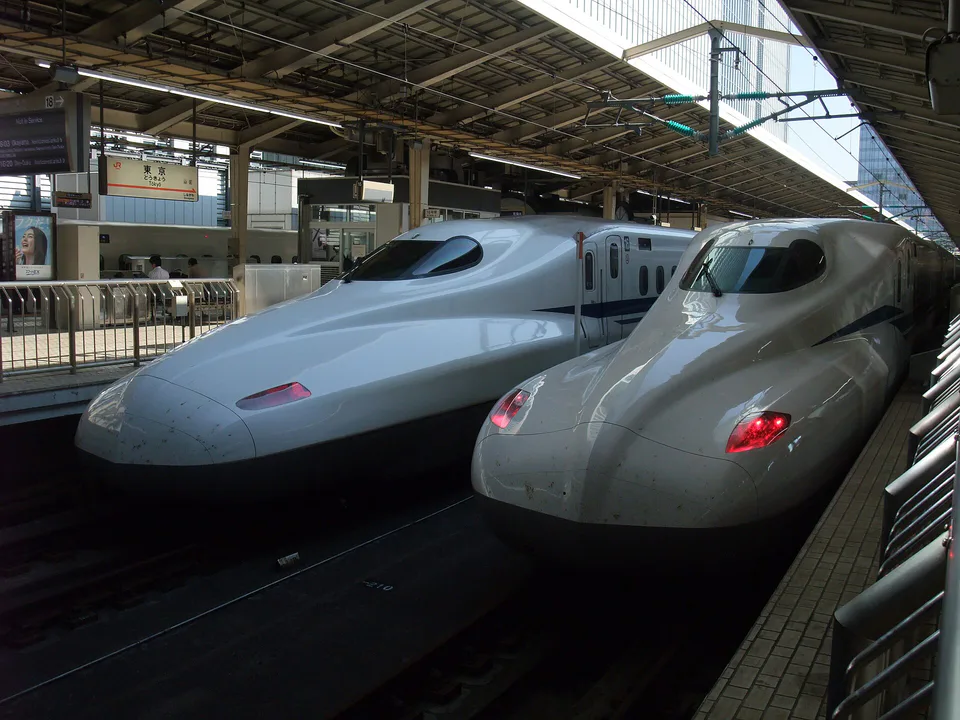
For an autumn-leaves trip, do not start by asking which JR Pass covers the most places. Start by listing the expensive JR journeys you will still take even if the foliage forecast, weather or mountain access changes. Those fixed trunk journeys are the only reliable break-even base. A pass that becomes “worth it” only because you might chase colour to a second region is not saving money; it is quietly pushing the itinerary farther than the leaves may justify.
That distinction matters more in autumn than on a fixed city itinerary. Tokyo–Sendai–Aomori may remain fixed while Oirase, Hachimantai or another foliage branch changes. Osaka–Hiroshima may remain fixed while a Kyoto illumination day moves. Sapporo–Hakodate may remain fixed while a mountain day becomes a rental-car or bus day. Build the foliage route first, then make the rail product serve it.
Checked August 25, 2026. Pass prices, eligibility, special-ticket products and reservation rules can change. The calculations below are planning examples built from current official prices, not guarantees that the same inventory or sales channel will be available for your dates.
The fastest decision: separate fixed rail from foliage optionality
↔ Scroll table left or right
Product | Current adult price | When it is strongest | Autumn-specific risk |
National JAPAN RAIL PASS | Official web: 7 / 14 / 21 days ¥50,000 / ¥80,000 / ¥100,000. Overseas designated agencies: 7-day becomes ¥53,000 for purchases from Oct 1, 2026 | Several expensive cross-region JR sectors are already fixed | You invent extra long-distance travel to reach break-even; Nozomi/Mizuho needs an extra special ticket |
5 days ¥35,000; 10 days ¥50,000 | Tokyo + Tohoku trunk travel is already the trip, not an optional foliage detour | Mountain buses, ropeways and other last miles can still sit outside the pass | |
Hokkaido Rail Pass | Advance 5 / 7 / 10 days ¥22,000 / ¥28,000 / ¥37,000; station purchase is ¥1,000 more | Several fixed JR Hokkaido intercity legs | A barely positive rail calculation can collapse if one day switches to car or bus |
Kansai-Hiroshima Area Pass | 5 days ¥17,000 | Hiroshima plus enough other covered JR West use inside the five-day window | Comparing only with a normal Shinkansen fare can hide cheaper visitor-specific one-way products |
Individual / discounted tickets | Route-specific | Open-jaw trips, one or two long sectors, or a route likely to change with foliage | Early-discount tickets can have limited inventory, blackout periods or stricter change rules |
Use three piles before doing any break-even calculation
I would divide the itinerary into three piles before pricing any pass.
Fixed trunk rail: airport JR, Shinkansen, limited express and intercity JR sectors that survive almost every reasonable version of the trip.
Optional foliage branches: journeys you may add, remove or move after checking colour, rain, wind, closures or energy.
Non-JR last miles: private railways, local or highway buses, ropeways, cruises, taxis, rental cars and transfers that the pass does not necessarily cover.
Only the first pile should prove that the pass is worth buying. The second pile can be upside after purchase; it should not be required to rescue the maths. The third pile stays in the trip budget regardless of how generous the JR map looks.
This is the most important autumn correction to ordinary pass advice. A rail pass can create psychological pressure to keep travelling after the foliage logic has changed. If the route only reaches break-even when you take a distant day trip that you would otherwise cancel, the pass has started designing the holiday.
The national JR Pass: Tokyo–Kyoto alone is not the case you need to prove
The official online ordinary-car national pass is currently ¥50,000 for seven days. The official website continues to show that web price, while exchange orders bought through designated overseas agencies rise to ¥53,000 for seven days from October 1, 2026. The purchase channel therefore matters before the itinerary calculation even starts.
A Tokyo–Kyoto return is still not enough reason by itself to treat the national pass as the default. If your route is essentially Tokyo + Kyoto/Osaka with one return, compare the actual Shinkansen products first. SmartEX now offers several Hayatoku early-booking products on eligible Tokaido/Sanyo/Kyushu sections, with limited inventory and exclusion dates. Some are deliberately less flexible: EX Hayatoku 21, for example, cannot simply be changed after reservation; you refund and book again.
The national pass also does not give unrestricted Nozomi/Mizuho use for free. A pass holder currently needs a separate special ticket for each Nozomi or Mizuho ride. Tokyo–Kyoto is ¥4,960 per ride. If you deliberately use Nozomi both ways, that is ¥9,920 of additional tickets on top of the pass. That does not automatically make the pass bad; it means the convenience of the fastest/frequent service has a measurable premium that belongs in the same comparison.
My rule for a first autumn trip is simple: do not buy the national pass because one Golden Route return looks expensive. Buy it only when several fixed cross-region JR sectors already make a convincing case before optional foliage chasing is added. For a 14-day calculation, use the dedicated 14-day JR Pass vs individual tickets guide rather than scaling a seven-day example.
JR EAST PASS: this is what a clean break-even case looks like
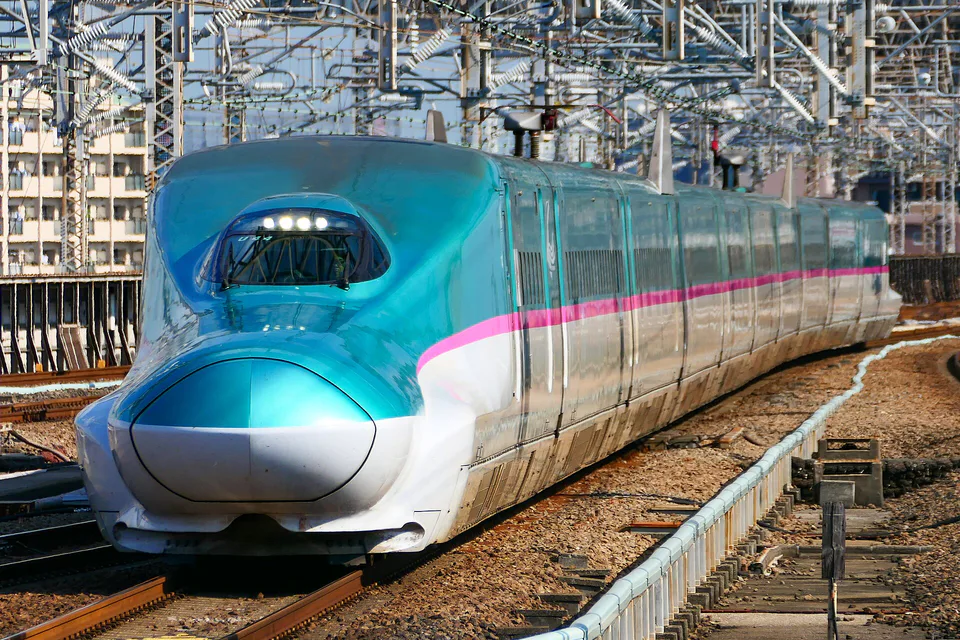
The current JR EAST PASS costs ¥35,000 for five consecutive days and ¥50,000 for ten. JR East itself publishes a useful reference route: Narita Airport → Tokyo on the Narita Express, Tokyo → Sendai, then Sendai → Shin-Aomori by ordinary-car reserved seats totals about ¥52,000 at regular fares.
That is a strong pass pattern because the expensive trunk route itself already does the work. The five-day pass is ¥17,000 below JR East’s own example before you add local JR rides. You do not need to invent an extra foliage trip to make the product look economical.
The red-team question comes after that: what portion of your actual autumn itinerary is off the rail trunk? Oirase, mountain ropeways, remote trailheads and other foliage highlights can require buses, cars or services outside the pass. A ¥35,000 rail pass can still be excellent while the most weather-sensitive part of the trip remains separately priced.
This is why I would prefer the JR EAST PASS for a genuinely Tohoku-led autumn route over a national pass purchased just because the map is bigger. The regional product matches the geography you are already committed to.
Hokkaido: a ¥1,140 saving is break-even, not a reason to redesign the trip
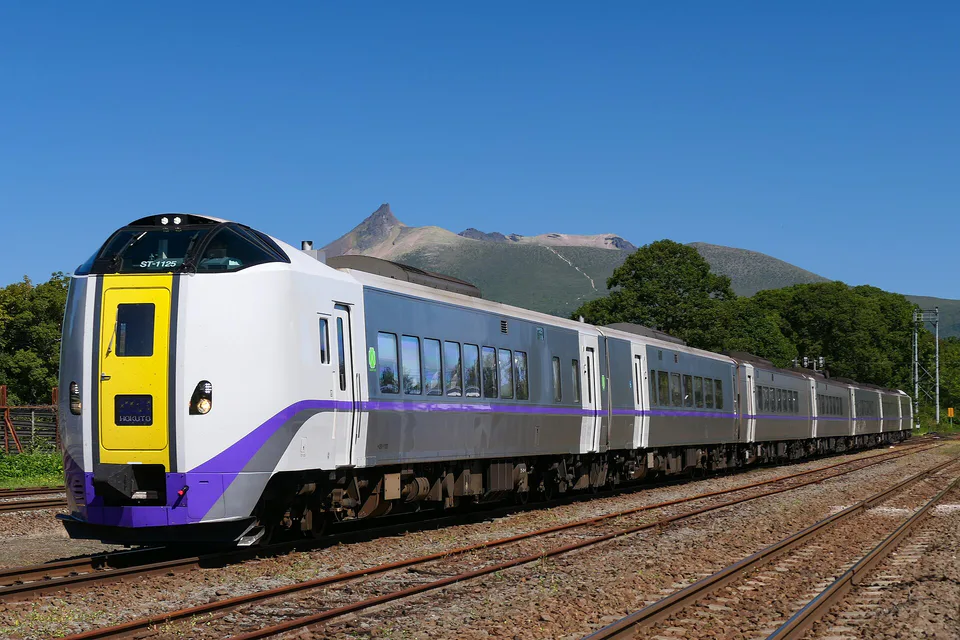
JR Hokkaido currently prices the five-day Hokkaido Rail Pass at ¥22,000 when pre-purchased, or ¥23,000 at designated stations. Its own savings example compares a Sapporo–Hakodate return plus a Sapporo–Otaru return: regular tickets total ¥23,140.
Against the ¥22,000 advance pass, the published example saves only ¥1,140. That is enough to say the pass can break even. It is not enough to say every similar autumn itinerary should lock itself into rail.
Suppose Hakodate and Otaru are fixed and the remaining autumn day might become Asahidake, Sounkyo or another place where a rental car or bus is more useful. The pass still covers the fixed journeys, but the financial cushion is thin. If one rail sector disappears, the “saving” can vanish immediately.
I use a stricter editorial rule for borderline passes: if a pass wins by only around ¥1,000–¥2,000, treat the price as effectively tied and decide on flexibility, reservation convenience and route shape instead. That ¥1,000–¥2,000 threshold is a ValueNavi planning rule, not an operator rule.
There are also hard coverage boundaries. The Hokkaido Rail Pass excludes the Hokkaido Shinkansen, South Hokkaido Railway, Sapporo streetcars and subway; some JR Hokkaido buses are covered, but it is wrong to treat every bus as included. JR Hokkaido also states that all seats on its limited express trains are reserved, so the pass does not eliminate the need to obtain a seat reservation.
Kansai–Hiroshima: compare the pass with the best realistic ticket, not the most expensive obvious ticket
The Kansai-Hiroshima Area Pass currently costs ¥17,000 for five consecutive days. It covers ordinary reserved seats on the Sanyo Shinkansen between Shin-Osaka and Hiroshima, covered JR West conventional lines, specified limited expresses including HARUKA, and the JR West Miyajima Ferry. It does not cover the Tokaido Shinkansen from Shin-Osaka to Tokyo or the Sanyo Shinkansen from Hiroshima to Hakata.
The trap is declaring the pass a winner as soon as you price a normal Osaka–Hiroshima return. JR West also sells a visitor-specific SANYO-SHINKANSEN One-way Ticket through selected overseas travel agencies. The current Osaka City ↔ Hiroshima City price is ¥7,900 one way for an eligible temporary visitor.
If your exact itinerary and purchase eligibility allow you to use that visitor product in both directions, two ¥7,900 sectors total ¥15,800. That is ¥1,200 less than the ¥17,000 pass before any other covered JR use is counted. The pass can still win—Miyajima ferry, airport HARUKA or other covered JR sectors can easily matter—but “Osaka–Hiroshima return” alone is no longer enough evidence.
The discounted one-way ticket has its own trade-offs: it is sold through selected overseas travel agencies, cannot be bought in Japan, does not allow intermediate stopovers, and has its own change/refund rules. That is exactly why break-even should compare realistic alternatives with their restrictions, not simply “pass price versus ordinary fare.”
For a Kyoto/Osaka autumn stay plus one Hiroshima/Miyajima excursion, calculate the full five-day window. If the pass only wins after you add ¥1,200 or more of covered JR usage that you genuinely plan to take anyway, the pass case becomes stronger. If those extra rides are speculative, keep the point-to-point option in the comparison.
Autumn flexibility has a price even when it does not appear on the ticket
Foliage travel is unusually sensitive to timing. Colour can be early or late; rain can make a mountain day unattractive; wind can suspend ropeways or ferries; a remote bus can be the true bottleneck even when the Shinkansen is running perfectly.
A pass gives freedom inside its covered network, but most major passes use consecutive calendar days and do not pause because the foliage day moved. The national pass terms also state that once use has started, the validity period is not extended and refunds are not issued merely because covered transport is suspended or delayed. JR West similarly states that the Kansai-Hiroshima pass validity period is not extended for service disruption.
Early-discount individual tickets have a different flexibility cost. EX Hayatoku products can be cheaper, but they use limited inventory, may have busy-period exclusions and can impose stricter change conditions. So the choice is not “pass = flexible, ticket = inflexible.” It is:
Pass: more freedom to change eligible trains inside a fixed consecutive validity window, but high upfront cost and coverage boundaries.
Flexible point-to-point ticket: pay only for the route you need, with product-specific change conditions.
Deep early discount: lower price, but you may be committing to a specific train/date earlier than an autumn forecast deserves.
If the colour forecast is the reason you are keeping the route flexible, read what to do when autumn leaves are early or late before buying a non-refundable or tightly constrained rail product.
A pass does not create seats, luggage space or a working mountain connection
Pass ownership solves payment and coverage; it does not create capacity. JR Hokkaido limited expresses are currently all-reserved. National-pass holders who want Nozomi/Mizuho still need the special ticket. Other popular reserved trains can sell out at the time you want even when your pass remains valid.
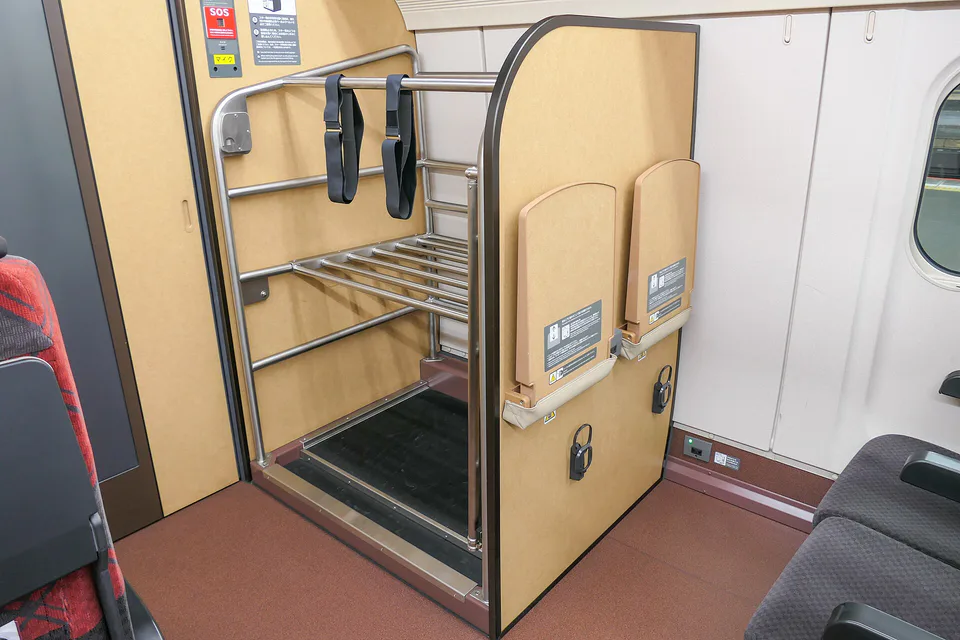
Oversized baggage is another separate constraint. On designated Tokaido, Sanyo and Kyushu Shinkansen services, luggage with total dimensions over 160 cm requires the appropriate oversized-baggage seat arrangement. If a mountain hotel is only one night, forwarding the main suitcase and carrying a smaller overnight bag can protect the transfer better than choosing a broader rail pass.
Most importantly, protect the scarce connection first. If the last mountain bus, hotel shuttle or fixed ryokan dinner is the hard deadline, book and sequence around that before optimising a frequent Shinkansen sector. A valid pass cannot rescue a missed final bus.
The five-minute buying test
Before paying for any autumn rail pass, run this sequence:
Delete every optional foliage detour. Keep only the journeys that survive bad weather and changed colour.
Price the best realistic alternative tickets. Include visitor one-way products or advance discounts you are genuinely eligible and organised enough to buy—not only the standard fare.
Add every compulsory pass surcharge. Nozomi/Mizuho special tickets, non-covered private transport and last-mile buses do not disappear.
Look at the margin. If the pass only wins by roughly ¥1,000–¥2,000, treat it as a tie and choose on flexibility and convenience.
Red-team the route. If the leaves are poor at the farthest stop, would you still take that train? If not, do not use it to justify the pass.
Four route verdicts
↔ Scroll table left or right
Autumn route | What I would start with | Reason |
Tokyo + Kyoto/Osaka, one return, perhaps one Fuji/Hakone day | Individual / SmartEX tickets | The national pass needs more fixed long-distance JR mileage; Fuji/Hakone last miles are not a clean national-pass justification |
Narita → Tokyo → Sendai → Aomori inside five days | JR EAST PASS | JR East’s own regular-fare example is ~¥52,000 versus a ¥35,000 five-day pass before optional foliage branches |
Sapporo ↔ Hakodate + Sapporo ↔ Otaru only | Hokkaido Rail Pass, but only as a borderline price win | Official example saves just ¥1,140; route flexibility can matter more than the small saving |
Osaka/Kyoto + Hiroshima/Miyajima within five days | Compare Kansai-Hiroshima Pass against the visitor one-way ticket first | Two eligible ¥7,900 one-way sectors would total ¥15,800; the ¥17,000 pass needs additional covered use to pull ahead |
Final verdict: buy the pass only when the fixed route wins without foliage wishful thinking
For autumn travel, the best rail pass is the one whose expensive fixed JR sectors already justify it before the leaves make you change your mind. JR EAST PASS is a strong example when Tokyo–Tohoku trunk travel is already fixed. Hokkaido can be worthwhile yet still be a near-tie on a simple Hakodate + Otaru pattern. Kansai-Hiroshima can be excellent, but only after comparing it with JR West’s ¥7,900 visitor one-way ticket rather than an artificially expensive benchmark. The national pass should be reserved for routes with several fixed cross-region sectors, not used to make a normal Golden Route feel “covered.”
If your break-even calculation needs one optional mountain detour, one uncertain foliage chase or one train you would skip in bad weather, remove that journey and calculate again. A pass is supposed to simplify the route you want. It should never become the reason you keep a weaker route.
References and next planning steps
Official sources checked August 25, 2026: JAPAN RAIL PASS prices · Nozomi/Mizuho special ticket · JR EAST PASS · Hokkaido Rail Pass · Kansai-Hiroshima Area Pass · SANYO-SHINKANSEN One-way Ticket · SmartEX fare products.
Continue with the autumn reservation guide, 7-day autumn itinerary, 10-day autumn itinerary or JR Kyushu Rail Pass decision once the route is fixed.