
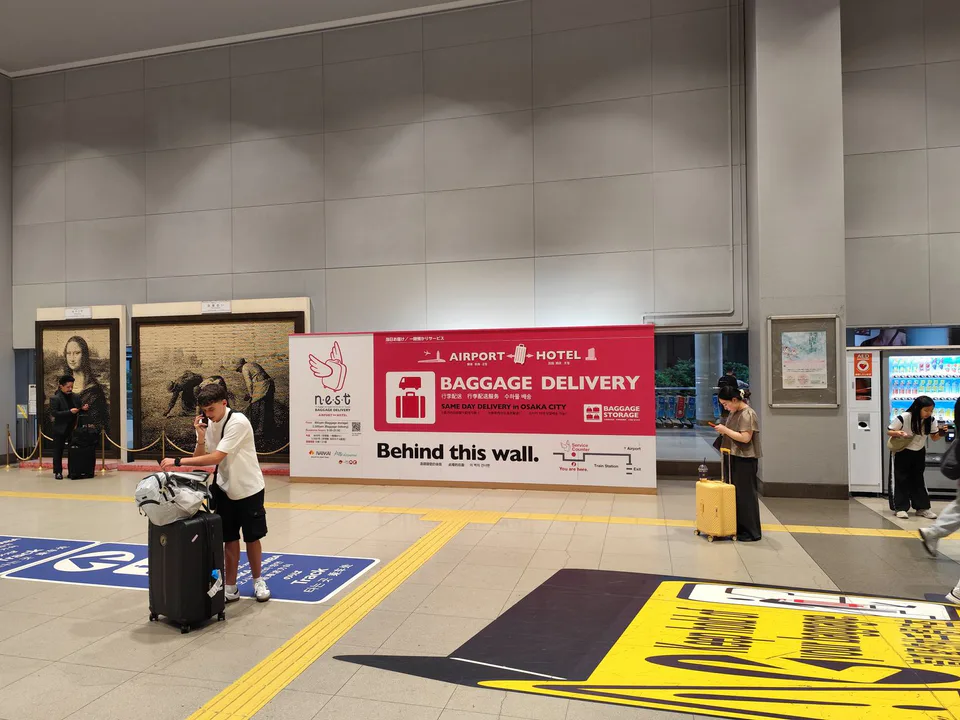
The best airport for a Japan autumn-leaves trip is the airport that puts you inside the correct foliage corridor on Day 1 and removes a backtrack at the other end. Do not choose from airfare alone, and do not choose from a generic “October = Hokkaido, November = Kyoto” chart. Autumn moves by latitude, altitude and weather. The same date can be too late for an alpine valley and too early for a low-elevation city.
As of August 25, 2026, Japan Meteorological Corporation’s public autumn-foliage page still shows its 2025 forecasts as the latest published autumn series. In other words, a precise 2026 city-by-city peak forecast is not yet something this guide should pretend to know. Use the planning windows below to choose a route shape now, then recheck the 2026 forecast and the exact mountain or garden status closer to travel.
↔ Scroll table left or right
Your rough travel window | Airport family to check first | What should decide it |
Late September–early October | Asahikawa / New Chitose | High-elevation Hokkaido first; choose Asahikawa for a Daisetsuzan-led route, New Chitose for Sapporo/Otaru and stronger flight recovery |
Mid October | Asahikawa / New Chitose / Sendai | Mountain foliage is still the anchor; do not base the choice on lowland city averages |
Late October–early November | Sendai / Haneda / Chubu / Toyama / Komatsu | Choose the first mountain or regional corridor: Tohoku, Nikko/Nagano, the Alps or Hokuriku |
Mid–late November | Haneda / Narita / Chubu / Kansai | Lower-elevation Kanto, Chubu and Kansai become more relevant; open-jaw Tokyo–Kyoto routing often matters more than airport-to-city minutes |
Late November–early December | Kansai / Fukuoka / Tokyo | Western and lower-elevation routes become stronger candidates, but the actual 2026 forecast must confirm timing |
First choose the foliage corridor; only then choose the airport
The most expensive mistake is selecting a cheap international airport and then building a long transfer to the place that actually matches your dates. If Daisetsuzan is the reason for the trip, “Tokyo has the cheapest flight” does not make Tokyo the correct gateway. If your trip is Kyoto, Nara and Osaka in late November, paying extra to enter Hokkaido because autumn starts there earlier is equally irrational.
Use three questions in this order:
Which region or altitude band is most likely to match the travel window? Treat this as provisional until the 2026 forecast is published.
Where is the first night? A remote ryokan, seasonal bus or rental-car desk creates a much harder arrival constraint than a city hotel.
Where should the trip end? If the route naturally moves south or west, an open-jaw ticket may remove an entire return journey.
This sequence prevents a common failure: buying the international ticket first, then forcing the foliage trip to bend around it.
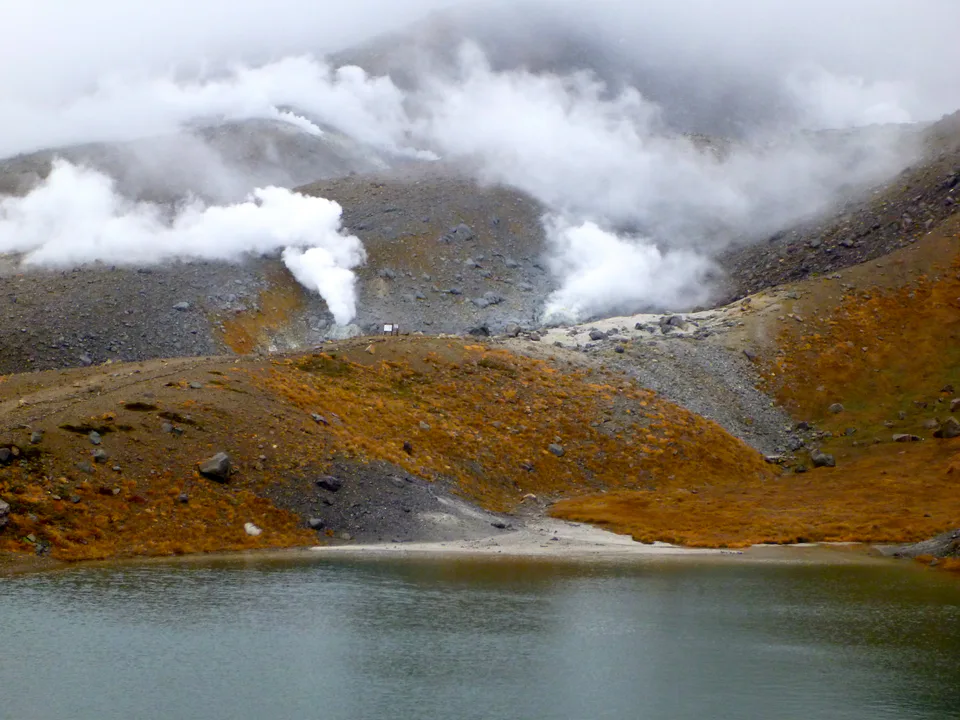
Hokkaido: Asahikawa saves geography; New Chitose buys recovery options
Choose Asahikawa Airport when Daisetsuzan, Asahidake, Biei or the Asahikawa side is the first real objective. The advantage is geographic: you avoid flying into New Chitose only to spend another long transfer moving north. That can be especially valuable on a short early-autumn trip where high elevation is the reason for going.
The trade-off is resilience. New Chitose has a much broader flight network and an easy Sapporo connection; Hokkaido Airports currently describes JR Rapid Airport access to Sapporo at about 37 minutes. If a cancellation or schedule change matters more than saving the first overland transfer, New Chitose is the safer gateway.
Asahikawa also illustrates why “airport near the mountain” is not the same as “airport bus timed to my flight.” The published Asahikawa Airport–Asahidake bus timetable explicitly notes that the service is not flight-connected. A late arrival can therefore destroy the assumed time saving. If the mountain bus no longer works, sleep in Asahikawa and protect the next morning rather than turning the first night into an expensive taxi experiment.
Best open-jaw pattern: Asahikawa in → Daisetsuzan/Biei → Sapporo/Otaru → New Chitose out. It is valuable when it removes the return to Asahikawa, not merely because two airport codes look more sophisticated on the ticket.
Tohoku: Sendai is a gateway for a south-to-north or north-to-south route, not a base for everything
Sendai works well when the trip begins with southern or central Tohoku: Matsushima, Yamadera, Naruko or rail connections north. It is much weaker as a daily hotel base for Oirase, Hakkoda or Aomori simply because “Sendai is the big airport I recognise.” Those places need their own regional base.
The important calculation is the first hard connection. If the flight lands late enough that the onward Shinkansen, mountain bus or ryokan arrival becomes fragile, the correct first night is Sendai. A foliage trip loses less by deleting one planned stop than by missing a fixed dinner, the last mountain bus and the next morning’s start all at once.
Useful open jaw: Sendai in → Tohoku route north or south → Aomori or Tokyo out. Tokyo becomes the better exit when the trip naturally keeps moving south; forcing a return to Sendai can consume the half-day the open jaw was supposed to save.
Tokyo: Haneda vs Narita should follow the first hotel and the first regional departure
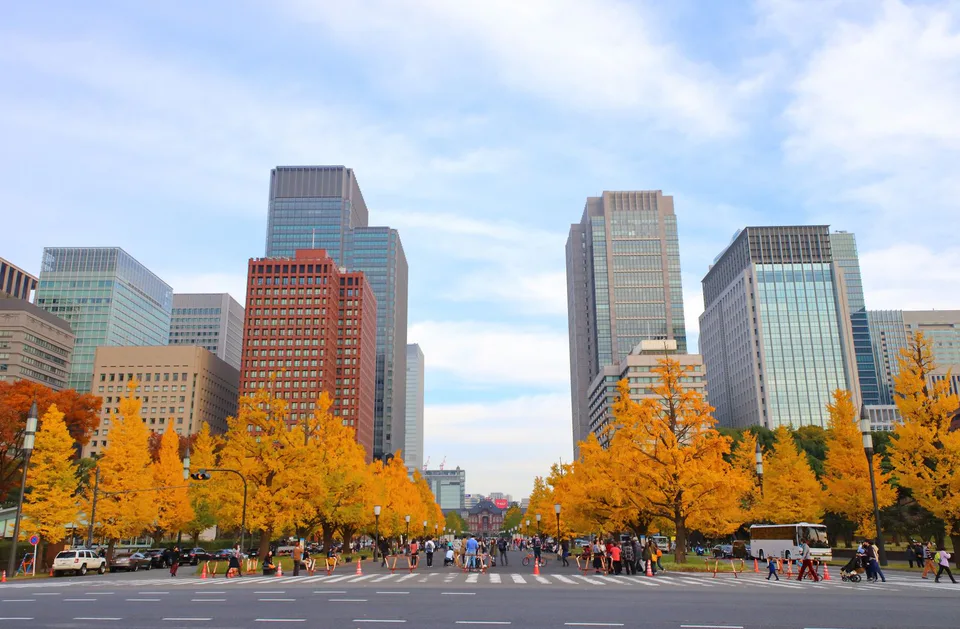
Haneda is the easier default for many Kanto foliage trips because it reduces the city-side airport leg. Keikyu currently quotes about 14 minutes from Haneda to Shinagawa. That matters when the next morning starts with the Tokaido Shinkansen, or when the hotel is on a route that avoids another large-station transfer.
Narita can still win when the long-haul flight is materially cheaper, arrives at a much better time or fits the airline network better. The correct comparison is not Haneda fare versus Narita fare. Compare landing → hotel door → next morning’s departure platform.
For a Nikko, Kawaguchiko, Hakone or Nagano trip, do not let a late international arrival push you straight into the mountains. Tokyo is the recovery buffer. Sleep where the next morning’s route starts cleanly, then leave with daylight and a real timetable margin.
Classic open jaw: Tokyo in → Kanto / Fuji / Alps → Kyoto / Osaka → Kansai out. The open jaw is worthwhile when it deletes a return Shinkansen to Tokyo and does not add a larger airfare penalty than the journey it removes.
Chubu and Hokuriku: the “central” airport is only useful if it is central to your actual route
Chubu Centrair is a logical gateway for Nagoya, Korankei, Nakasendo and many Takayama/Matsumoto itineraries. Toyama and Komatsu become stronger when the route is explicitly built around the Alps, Kanazawa or Kaga. The smaller airport can save a long rail approach, but it also gives you fewer flight-recovery choices when weather or a cancellation hits.
Do not plan an arrival-day mountain connection because the airport looks close on a map. Kamikochi, Shirakawa-go, Okuhida and Alpine Route access can depend on reserved or infrequent buses and seasonal operating windows. If missing one bus also loses a ryokan dinner, the gateway hotel is not wasted time; it is insurance against a chain failure.
Useful open-jaw logic: enter on the side where the route begins and leave from the side where it ends—Nagoya/Toyama in, Komatsu or another practical gateway out—only after checking the actual flight days. A regional airport with the perfect map location but no useful flight on your date is not a solution.
Kansai: KIX is strong for late-season Kyoto, but the first-night cutoff still matters
Kansai International Airport is the natural international gateway for Kyoto, Osaka, Nara and Koyasan. Its current access information lists the HARUKA at about 75 minutes to Kyoto and the Nankai Rapi:t at roughly 34–39 minutes to Namba. That makes the first hotel decision visible immediately: Kyoto if the arrival has enough margin and Kyoto mornings are the priority; Namba/Tennoji/airport side if the flight is too late to make the Kyoto transfer comfortably.
Do not move to Osaka for the final night automatically, either. If your Kyoto hotel is near Kyoto Station and the HARUKA schedule fits the flight, one extra hotel move may save less than it costs in packing and luggage handling. Move only when the final city night performs two jobs—for example, Osaka evening plus a materially easier KIX morning.
Open jaw: Tokyo in → Kansai out is the first comparison for a Golden Route autumn trip. Kansai in → Fukuoka out becomes logical when the route continues through Hiroshima or northern Kyushu instead of returning east.
Kyushu: Fukuoka is an efficient northern gateway, especially when the foliage trip moves west or south
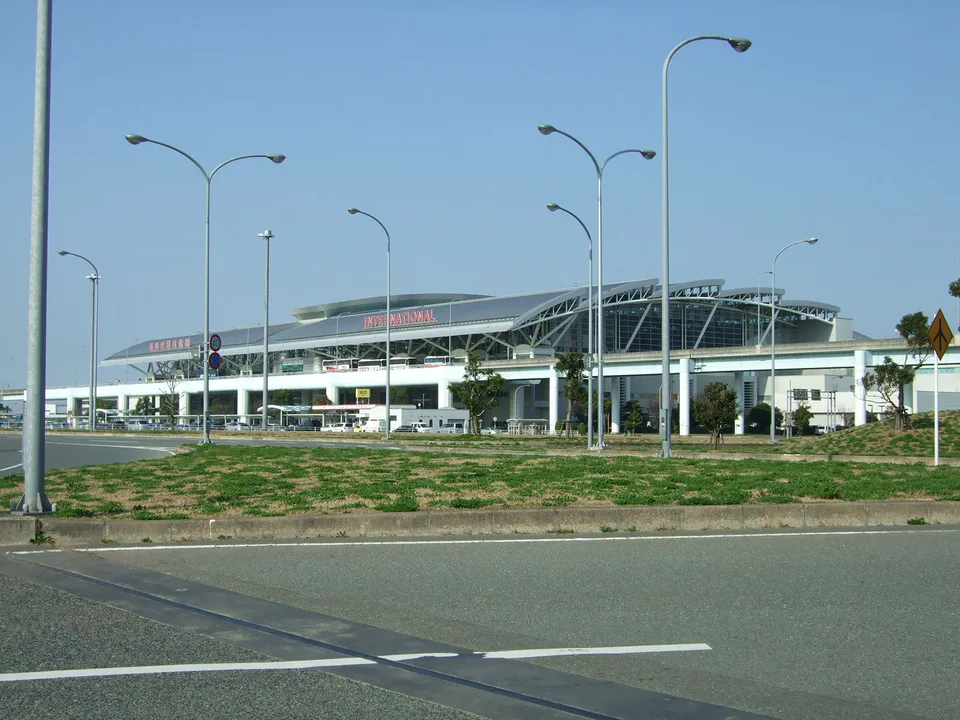
Fukuoka Airport is unusually efficient for a city gateway. The airport currently quotes about five minutes by subway from the Domestic Terminal to Hakata and 11 minutes to Tenjin. International arrivals have an extra layer: the subway is on the domestic side, and the airport currently gives about 10 minutes for the free International–Domestic terminal shuttle, with traffic able to extend that time.
That makes Fukuoka strong for a late-season northern Kyushu route, but not automatically for every Kyushu foliage destination. Aso, Takachiho, Unzen and southern Kyushu still require another rail, bus, car or hotel decision. If the remote part is the true purpose, compare a regional airport or open-jaw route rather than treating Hakata as a mandatory round-trip hub.
Useful westbound pattern: Kansai in → Hiroshima / Setouchi → Fukuoka / northern Kyushu → Fukuoka out. The value comes from deleting the eastbound backtrack after the trip has already moved west.
Use an open-jaw ticket only when it deletes a cost you can name
“Open jaw” is not automatically sophisticated planning. It earns its premium when it removes a real backtrack.
Use this calculation:
Open-jaw value =
backtrack rail/flight fare avoided
+ hotel or half-day avoided
+ luggage move avoided
+ schedule risk avoided
− extra airfare/open-jaw premium
− any new positioning cost
If you cannot name the backtrack being removed, a round trip may be simpler. If the open jaw deletes a four-hour rail return, one last hotel move and a high-cost reserved train, paying somewhat more for the flight can still be rational.
The first-night rule: never make the most fragile seasonal connection your arrival-day Plan A
Autumn foliage trips are unusually vulnerable to chain failures because mountain buses, ropeways, rental desks and ryokan dinners often have narrower operating windows than city transport. A delayed flight can therefore turn one missed connection into three lost products.
I would add a gateway night whenever at least two of these are true:
the onward bus or train has low frequency;
the hotel has a fixed dinner or pickup deadline;
you are collecting a rental car after a long-haul flight;
the route becomes difficult after dark;
missing the connection would force an expensive taxi or lose the next morning.
The gateway night is not “wasting autumn.” It protects the part of the trip that actually depends on autumn timing.
Do not lock the airport from a 2025 peak date
Japan Meteorological Corporation’s latest public autumn-foliage release currently visible is its final 2025 forecast. That page also publishes long-term average city dates—for example, average red-leaf dates around late October in Sapporo, mid-November in Aomori, late November in Tokyo and early December in Kyoto—but those city sample-tree dates are not a promise for a 2026 mountain, temple or garden.
Use those broad patterns only to decide which part of Japan deserves your first flight search. Once the 2026 forecast is published, re-run the route. If the season is running late, the correct action may be changing altitude or region inside the same flight plan rather than rebuilding every airport ticket.
Final verdict: choose the airport that gives the foliage route a clean first day and a clean last day
Early season: start with Hokkaido and high-elevation routes; Asahikawa is the geography play, New Chitose the resilience play. Mid-season: choose Sendai, Tokyo or Chubu/Hokuriku from the first mountain corridor rather than the cheapest airfare. Late season: Tokyo, Kansai and Fukuoka become more useful as lower-elevation and western foliage catches up.
Then test an open jaw. If the trip naturally moves from Asahikawa to Sapporo, Sendai toward Tokyo, Tokyo toward Kyoto, or Kyoto/Hiroshima toward Fukuoka, do not pay twice for the same ground. The best autumn airport is not the closest airport to one red maple. It is the gateway that lets the whole trip move in one direction without making a delayed flight destroy the first fragile connection.
Related planning
References
Japan Meteorological Corporation — public autumn foliage forecast page · New Chitose Airport — current access and flight information · Kansai International Airport — current rail access · Fukuoka Airport — current access information · Keikyu — Haneda rail access. Checked August 25, 2026. Recheck 2026 foliage forecasts, flight schedules and seasonal transport for the actual dates.