
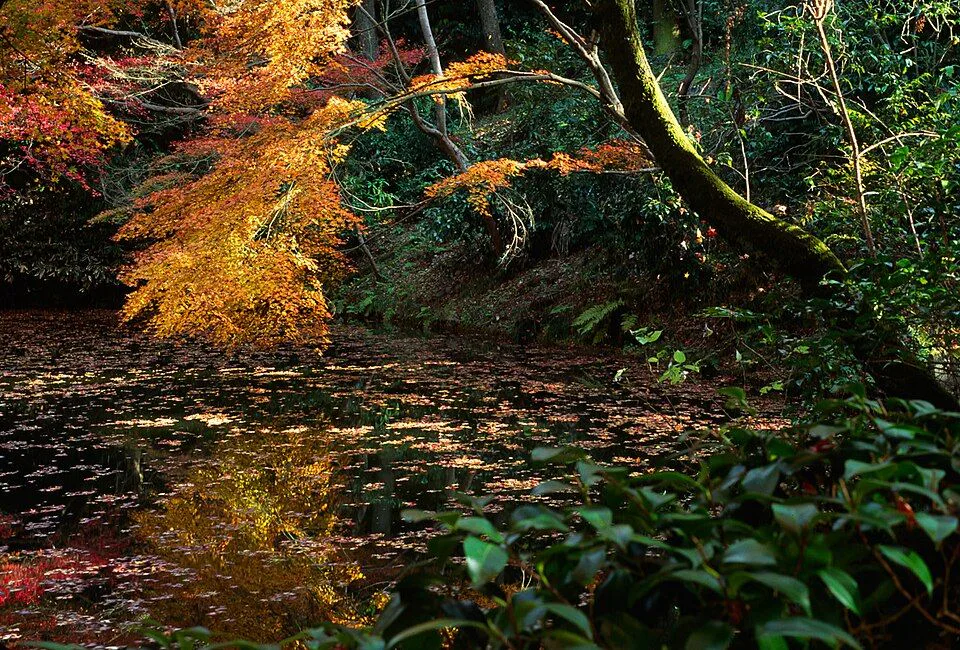
For most first-time international visitors, November is the best month for autumn leaves in Japan—not because the whole country peaks at once, but because it gives you the largest number of low-friction ways to move between elevations and regions without rebuilding the trip. October is better for a mountain-first trip through Hokkaido, Tohoku, Nikko or the Japanese Alps. September is a specialist high-elevation trip. Early December works only when the city trip is already worthwhile without foliage.
As of August 25, 2026, Japan Meteorological Corporation’s public autumn page still shows its 2025 forecast series as the latest published autumn forecast. So this article does not present historical dates as confirmed 2026 peaks. Use the month comparison to choose a route now, then adjust the exact elevation and day order when the 2026 forecast and live colour reports become available.
↔ Scroll table left or right
Month | Best for | Main advantage | Main failure mode |
September | Daisetsuzan, high alpine routes, hikers and photographers | Earliest colour and dramatic elevation changes | Too early in lowlands; wind, frost or mountain transport can erase the day |
October | Hokkaido, Tohoku, Nikko, Kamikochi and mountain corridors | Widest mountain/elevation choice | High dependence on seasonal buses, ropeways, daylight and weather |
November | First trip, rail travel, Tokyo/Kyoto/Fuji/Setouchi | Best ability to move higher/lower while keeping city bases | Peak hotel demand and crowd pressure at famous sites |
Early December | Late Kyoto/Tokyo/Osaka/Kyushu plus winter city travel | Can catch late colour with lower shoulder-season pressure in some areas | Leaf fall and seasonal transport closures make foliage unreliable |
The month is only a proxy: latitude and elevation are the real variables
“Japan peaks in November” is too blunt to plan a trip. Autumn generally moves from colder to warmer conditions: north to south, high elevation to low elevation. That is why the same calendar week can produce finished alpine colour, peak mid-elevation colour and still-green city parks.
Japan Meteorological Corporation’s latest public autumn page illustrates the scale of the difference through its long-term average city dates. Its average red-leaf dates range from around late October in Sapporo to late November in Tokyo and early December in Kyoto and Fukuoka. Those are city sample-tree averages, not mountain-tourism guarantees, but they show why a national “best week” does not exist.
The useful decision is therefore:
If your dates are fixed, choose the latitude/elevation corridor that fits them.
If your destination is fixed, choose the travel window around that destination’s historical pattern and update it with the 2026 forecast.
Do not use a Tokyo city average to time Okunikko, or a Kyoto city average to time a high mountain in Nagano.
September: choose it only when the mountain is the trip
September is not an early version of a Tokyo–Kyoto autumn holiday. It is a high-elevation product. Daisetsuzan and selected alpine landscapes can begin changing while Tokyo, Kyoto and Osaka still behave much more like late summer.
That makes September excellent for a traveller who would still enjoy the trip if the exact leaf colour is imperfect: hiking, volcanic scenery, alpine grass, onsen and photography. It is weak for a first-time visitor whose mental image of “Japan autumn” is red temple gardens and comfortable city walking.
Choose September when: high-elevation Hokkaido or another mountain corridor is the explicit purpose, you can move a mountain day by 24–48 hours, and the group accepts colder/wetter conditions.
Avoid September when: the trip is only three or four days, the group has heavy luggage or limited mobility, or the success criterion is “Tokyo/Kyoto must be red.”
The biggest hidden cost is transport fragility. Mountain buses, ropeways and exposed routes can be affected by weather even when the colour itself is excellent. Build one lower-elevation fallback into every two mountain days.
October: the best month for mountain variety—and the highest planning burden
October is the most interesting month for travellers who want to follow elevation. Hokkaido lowlands, Tohoku, upper Nikko and the Japanese Alps can all enter the decision at different points in the month. That does not mean you should cross the country chasing whichever Instagram post looks reddest that morning.
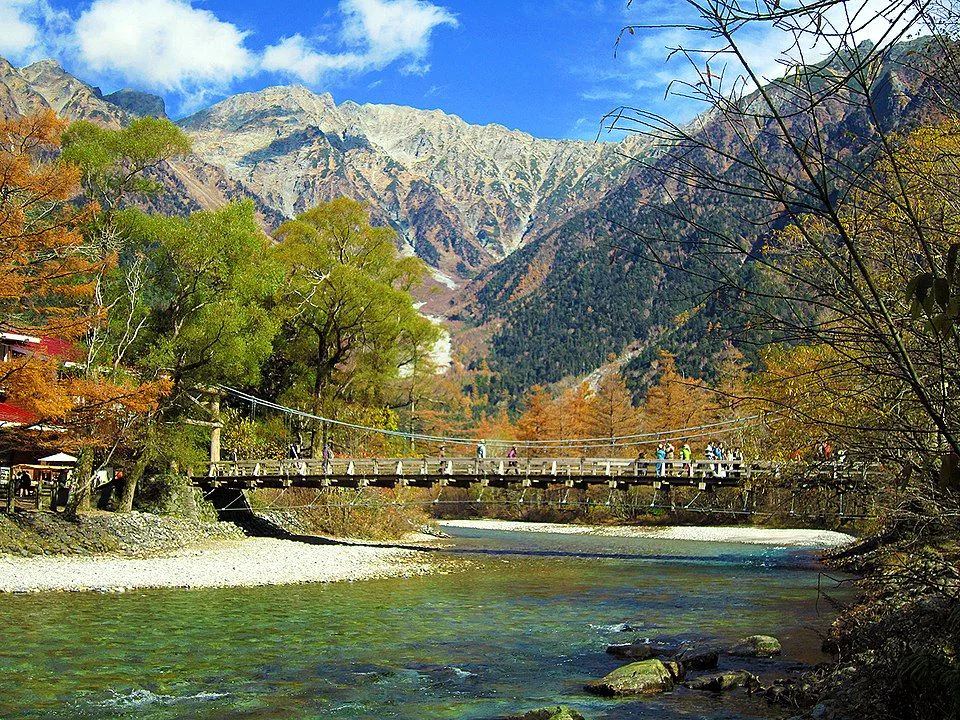
The right October trip is a corridor trip. Pick one region with several elevations and let weather decide whether you go higher, lower or stay in an onsen/city fallback.
Examples:
Hokkaido: Asahikawa/Daisetsuzan → Biei → Sapporo/Otaru.
Tohoku: Sendai/Naruko → Hachimantai/Oirase/Aomori depending timing.
Kanto: Tokyo base → Okunikko / lower Nikko / Kawaguchiko depending current status.
Alps: Toyama/Matsumoto/Takayama corridor rather than one isolated mountain day.
October’s opportunity comes with a clear cost: the transport network is less forgiving. A seasonal bus missed at 15:30 is not equivalent to missing a Tokyo subway. Shorter daylight also makes a one-hour delay more expensive.
November: the strongest first-trip month because you can fail gracefully
November is the best default for a first rail-based Japan trip because a missed peak does not automatically destroy the route. From Tokyo, you can choose higher or cooler day trips earlier in the month and lower urban gardens later. In Kansai, hills, temple districts, Nara and lower-elevation city foliage provide several layers of timing. Hiroshima and Miyajima add another western option without requiring a rental car.
This creates what matters most for a long-haul visitor: failure recovery. If one site is early, late or rainy, you can often change the day trip while keeping the same hotel. October frequently requires changing the transport product; November more often allows you to change the attraction.
That is why I would choose November for a first 7–14 day Japan trip unless mountain foliage itself is the main reason for travelling.
The trade-off is demand. Kyoto weekends, Kawaguchiko, Nikko, Miyajima and popular onsen towns can be expensive or difficult to book. Use cancellable rooms where possible and avoid building the itinerary around five consecutive famous “peak” sites. The most crowded month can still be the most resilient month if your route has multiple alternatives.
December: the itinerary must survive without autumn leaves
Early December can still work for late lowland colour in Tokyo, Kyoto, Osaka, Nara, Hiroshima or Kyushu, especially in a late season. But it should never be booked as if foliage is guaranteed.
The operational boundary becomes important. The Tateyama Kurobe Alpine Route, for example, is officially scheduled to operate only through November 30 in 2026. By December, many mountain products that helped you chase elevation in October are simply no longer part of the toolbox.
So the December rule is different: build a winter-capable city itinerary first—temples, food, museums, onsen, historic districts and illuminations—then use foliage as an optional half-day when current reports still justify it.
Choose early December when: you already want Tokyo/Kyoto/Osaka or western Japan and would be happy if autumn colour becomes a bonus rather than the trip’s only success metric.
Avoid December when: the group is flying long-haul specifically to photograph peak red leaves and would be disappointed by bare trees.
Why November beats October for first-timers even if October has more regional colour
October can offer more geographic variety, but variety is not the same as ease. Compare the type of decision each month forces you to make:
↔ Scroll table left or right
Problem | October response | November response |
Colour is late | Often move higher or north, possibly changing buses/base | Often choose a cooler day trip from the same city base |
Colour is early | Move lower or farther south | Use city gardens / lower-elevation temples |
Bad weather | Remote mountain day may lose its main purpose | City attractions, museums and covered transport provide easier substitutes |
Missed transport | Seasonal service can create a large failure | Rail/subway-heavy routes generally offer more recovery options |
This is the deeper reason November is the default recommendation: it has a better recovery network, not a magical nationwide peak.
Trip length changes the best month more than most calendars admit
3–4 days: choose one city or one mountain corridor. November is safest for city-based flexibility; October works only when the mountain objective is clear.
5–7 days: one regional corridor plus one fallback hub. October becomes much more attractive because you have time to swap days without crossing Japan.
10–14 days: November is strongest for a first trip because Tokyo, Fuji, Kyoto and western Japan can be combined without making every transfer seasonal. An October 10–14 day trip should still be designed regionally rather than as a national “leaf chase.”
Longer trips do not justify more hotel moves automatically. They give you more room to wait for the right day inside one corridor.
Use a two-stage booking strategy before the 2026 forecast is published
If international flights need to be bought now, make the expensive decision broad and the flexible decisions narrow.
Lock the month and gateway around a broad climate corridor. September/October mountain trip, November first-trip route, or early-December city route.
Keep the interior flexible. Use cancellable hotels where practical, avoid non-refundable remote nights on consecutive dates, and do not prepay every day trip before the 2026 forecast exists.
When the forecast arrives, change altitude before changing the whole country. A 300–800 metre elevation shift inside the same corridor is often cheaper than a Shinkansen cross-country rescue.
In the final week, use official live status and transport notices. Forecast dates are planning tools; actual colour and operating conditions decide the day.
Final verdict: pick the month by how much uncertainty your trip can absorb
September is for high-elevation specialists. October is the best month for mountain variety but demands the strongest transport and weather planning. November is the best default for a first international trip because city bases let you move up or down in elevation without rebuilding the itinerary. Early December is for travellers whose Japan trip is already good enough without leaves.
If you are choosing only one month and you do not yet know which exact foliage region you want, choose November. If you already know the trip is Daisetsuzan, Oirase, Nikko or the Alps, October may be more rewarding. The correct goal is not to predict one perfect national peak months in advance. It is to choose a month that gives your itinerary somewhere useful to go when the leaves are early, late or gone.
Related planning
References
Japan Meteorological Corporation — autumn foliage forecast and long-term average city dates · Tateyama Kurobe Alpine Route — 2026 operating period and live information. Checked August 25, 2026. The exact 2026 foliage forecast was not yet visible on JMC’s public autumn page at the time of checking; recheck current forecasts and official site conditions before travel.