
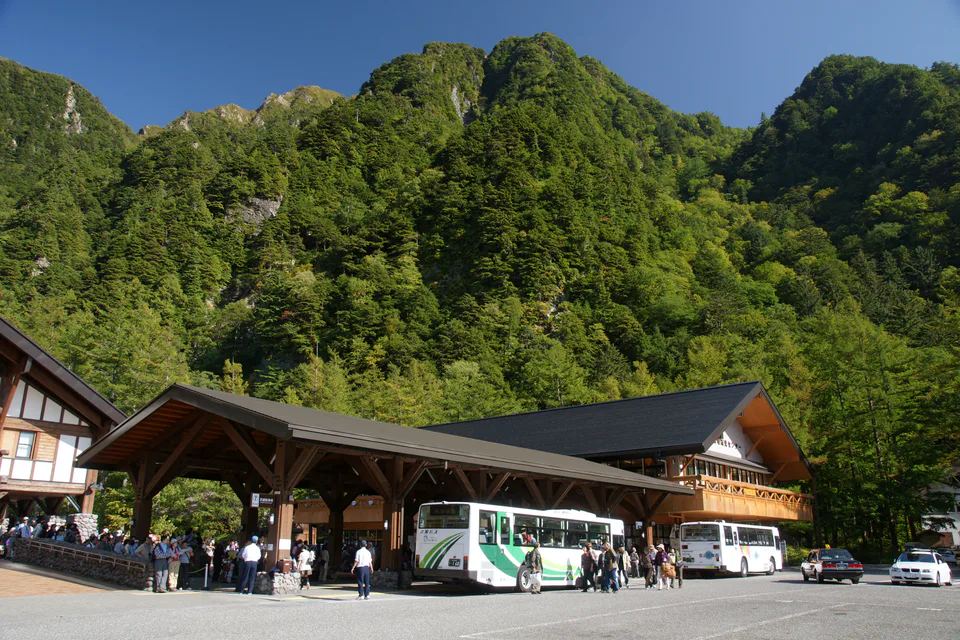
The best Japan autumn reservation strategy is not “book everything early.” It is to lock the things that have no good substitute, hold the route with refundable inventory, and leave weather-sensitive foliage days flexible until the colour and forecast are more useful. In 2026, that distinction matters even more because, as of August 25, Japan Meteorological Corporation’s public autumn page still shows its 2025 forecast series as the latest public autumn forecast. You can protect scarce accommodation and transport now without pretending you know the exact 2026 peak day.
Use three labels for every booking: LOCK, HOLD or FLOAT. If losing a reservation would break the route, lock it. If you need a hotel or route skeleton but may change the exact date, hold it with workable cancellation terms. If the attraction works best only in certain colour or weather, float it until closer to travel.
↔ Scroll table left or right
Reservation type | Default | Why | Example |
Scarce destination hotel / named room / half-board ryokan | LOCK or HOLD early | The room, meal and location may have no equivalent once sold out | Mountain lodge, Miyajima ryokan, Fuji-view room |
Essential reserved train or bus | LOCK when sales open | Missing the service can break the route, not merely delay it | Reserved sightseeing train, direct mountain/highway bus |
Small-capacity experience | LOCK in its actual sales window | Same-day inventory may be zero | Takachiho Gorge rental boat |
Open-entry garden / temple | FLOAT | Colour and weather are uncertain; pre-committing the day can reduce flexibility | Most ordinary daytime autumn sites |
Confirmed event with no reservation | HOLD the date, not a ticket | The event date is fixed but booking is not the bottleneck | Kiyomizu-dera 2026 autumn night viewing |
Lock the scarce product, not the foliage date
A mountain hotel, island ryokan or family room can disappear months before you know whether the leaves will peak on Tuesday or Friday. That does not mean you should lock every sightseeing day at the same time.
Think in layers. The hotel night protects a geographic position. The transport reservation protects your ability to reach it. The exact foliage stop is often the most replaceable layer.
For example, a refundable Kawaguchiko hotel can hold an overnight window while you keep the exact north-shore, Mt. Fuji viewpoint or nearby day order flexible. A Kyoto hotel can hold the city base while Kiyomizu, Tofukuji, Arashiyama and Nara remain swappable. The booking is doing its job when it protects access without forcing a bad-weather attraction.
ValueNavi rule: the earlier you book, the more the reservation should protect location and scarce capacity, not one predicted red-leaf date.
Half-board ryokan nights are harder locks than ordinary city hotels
A ryokan with dinner is not simply a room that happens to include food. The arrival window, dinner seating, shuttle and check-in are part of the product. Missing the final practical transport can mean losing the most expensive hours of the stay.
I would treat a half-board autumn ryokan as a hard reservation only after the route can answer four questions: What is the last transport I am comfortable relying on? What arrival time does the property require for dinner? What happens if the bus or train is cancelled? Can the main luggage be forwarded so a disruption does not become a suitcase problem as well?
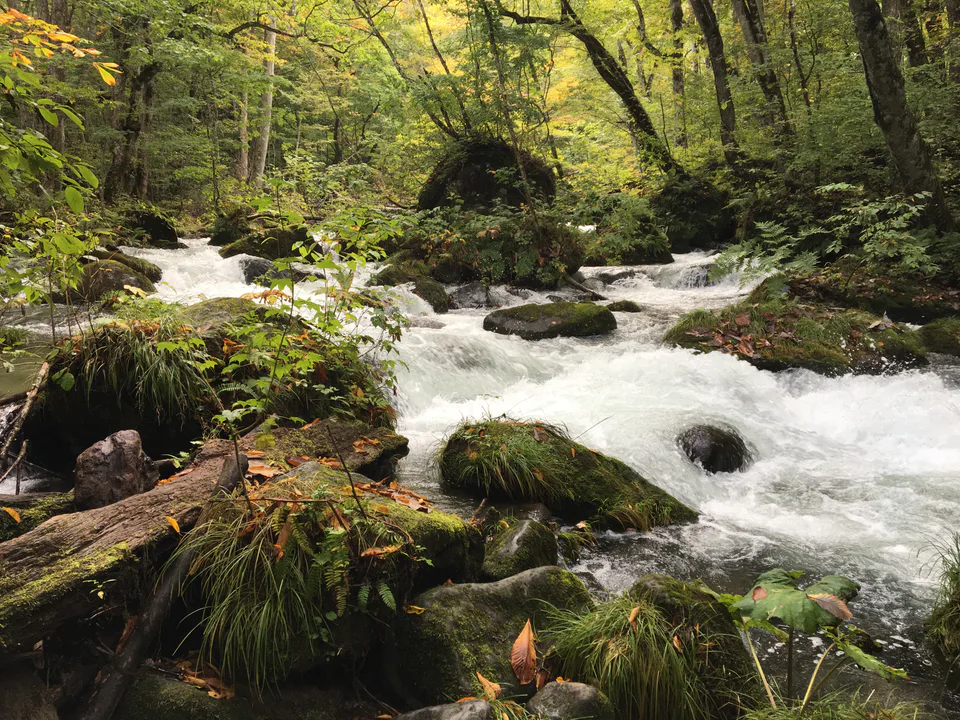
If those answers are fragile, move the ryokan night earlier in the route, sleep at the gateway first, or choose a property whose evening can survive a later arrival. Autumn scarcity is not a reason to buy a room you cannot reliably reach.
Do not confuse “popular in autumn” with “reservation required”
Kiyomizu-dera is a useful 2026 counterexample. The temple has confirmed autumn special night viewing from November 21–30, 2026, staying open until 21:30 with final entry at 21:00. Its official site also states that reservations are not required.
That means the planning problem is not “how do I secure a Kiyomizu ticket?” It is queue timing, the uphill approach, crowd pressure and how the night fits with the rest of Higashiyama. Pre-booking something that does not need booking would solve the wrong problem.
Toji provides a different fixed-date example: its 2026 autumn illumination and special night viewing is confirmed for October 31–December 13, 18:00–21:30 with final admission at 21:00. The current official adult night-viewing fee is JPY 1,000. Again, the fixed event calendar is useful for hotel planning even though the exact foliage colour can still vary.
This distinction should shape the whole autumn trip: event date can be fixed; colour date remains flexible.
Small-capacity experiences should be booked in their real sales window, not “as early as possible”
Takachiho Gorge’s rental boats demonstrate why every product needs its own booking clock. The current official rule allows online reservations from 09:00 two weeks before the ride until 09:00 two days before. There is no waiting list, telephone reservations are not accepted, and same-day inventory depends on what remains after advance bookings.
This is not theoretical scarcity. The official operating page on August 25, 2026 showed advance bookings sold out for that day and the next, with no same-day tickets available.
The useful lesson is broader than Takachiho: “book early” is meaningless until you know when the product actually opens. Put the release time in your calendar, then decide whether the experience is route-critical enough to justify locking that date.
If weather can suspend the product anyway, keep the rest of that day light. A prepaid outdoor experience is not a reason to overpack a schedule around it.
Reserved transport deserves priority when the fallback is materially worse
A train or bus should move up the booking order when the alternative changes the day rather than merely adding a few minutes.
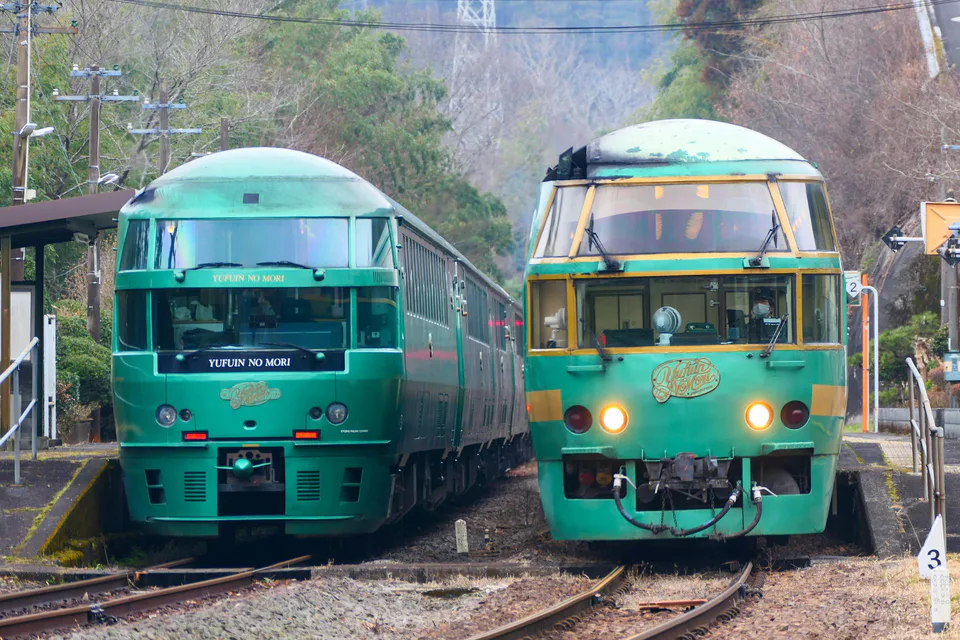
Examples include a reserved sightseeing train where the next service is much later; a direct mountain bus that avoids two transfers; a rural return bus whose missed departure would force a taxi or overnight; or a reserved connection that protects a ryokan dinner or another hard booking.
By contrast, an ordinary urban railway with frequent service usually does not deserve the same mental energy. Autumn planning works better when you reserve by consequence of failure, not by transport brand.
This is also why a rail pass should never be treated as a reservation. A pass may cover the fare; it does not necessarily create a seat, a bus reservation or a place on a limited-capacity service.
Use a booking ladder: national spine first, daily foliage last
I would use this hierarchy for a 7–14 day autumn trip:
Flights and route direction. Decide whether the trip is round-trip or open jaw.
Scarce overnight locations. Mountain, island, ryokan, family room, named-view room.
Hard transport. The reserved train/bus/boat that protects those nights.
Base-city hotels. Prefer cancellable terms while the 2026 foliage picture is still broad.
Ticketed events with fixed dates. Only if the event actually uses timed or limited admission.
Ordinary foliage sites. Leave them movable until weather and live colour are useful.
This ladder makes the trip more flexible even though you are booking important parts earlier. The expensive skeleton is fixed; the visible leaves stay adjustable.
The cancellation deadline is part of the reservation value
Two hotel rates with the same room price can have very different autumn value if one can still be changed after the seasonal trend becomes clearer.
For every important booking, record the free-cancellation deadline in Japan local time, first non-refundable amount, meal and child terms, latest check-in/dinner deadline, transport required to reach the property, whether forwarded luggage is accepted, and the backup hotel or city if the outdoor plan fails.
A refundable room is not automatically better if it costs dramatically more, but flexibility has real value before the 2026 forecast is published. Pay for it where it protects a date-sensitive overnight; do not pay for it reflexively on every city night.
Use 30 / 14 / 7 / 2-day checkpoints to release flexibility gradually
↔ Scroll table left or right
Checkpoint | What to review | What can still change |
30 days | Latest foliage outlook, hotel cancellation, seasonal transport inventory | One destination overnight if the broad region looks wrong |
14 days | Regional trend, weather pattern, small-capacity booking windows | Elevation target and one or two day-trip orders |
7 days | Forecast, live colour, rain/wind, operating notices | Which day gets the mountain / garden / illumination |
48 hours | Final weather, closures, last transport and day-of rules | Same-region Plan A / B; do not rebuild the national route |
The objective is not constant replanning. It is to make smaller decisions as certainty improves.
Sold out does not automatically mean “change the whole trip”
When one autumn hotel sells out, ask what benefit that hotel was supposed to create.
If the benefit was a dawn view, look for another hotel in the same destination. If the benefit was merely being “near the leaves,” a nearby gateway city may provide a better room and an early train. If the benefit was a fixed ryokan dinner and private bath, changing to a generic city hotel is not an equivalent substitute—but it may still preserve the regional route.
Useful fallback logic includes: Oirase/Lake Towada sold out → consider Hachinohe or Aomori, then protect the seasonal transport; central Kyoto sold out → test Otsu, Uji, Nara or Osaka based on the exact autumn corridor; Kawaguchiko view room sold out → decide whether the overnight still earns its place rather than buying an expensive poor-location room.
The correct fallback preserves the decision the original booking was meant to solve.
Families should reserve room geometry before sightseeing tickets
For a family of four or five, the scarce product may be the sleeping arrangement rather than the attraction. A room listed for four guests can mean four proper beds, two beds plus sharing, or a sofa/extra-bed arrangement. Those products are not interchangeable after the best rooms sell out.
I would therefore secure the correct family room before worrying about a garden that accepts walk-up visitors. The same logic applies to older travellers who need a lift-friendly hotel near a station or travellers who require an in-room/private bath.
Autumn demand makes “we can fix the room later” more dangerous than “we can choose another temple later.”
Final verdict: reserve the parts that cannot be substituted; keep the leaves movable
Lock scarce accommodation, fixed dinner nights, essential reserved transport and genuinely small-capacity experiences.Hold the national route with cancellable city bases where flexibility matters.Float ordinary foliage sites, gardens and weather-sensitive day trips until the 2026 season and forecast are clearer.
Kiyomizu-dera proves that a famous autumn attraction can have a fixed 2026 event date without needing a reservation. Takachiho Gorge proves the opposite: a small-capacity experience can sell out inside a short, specific booking window. Treating both as “popular autumn things to book early” hides the decision that actually matters.
The best reservation plan is not the one with the most confirmations in your inbox. It is the one where every hard booking protects something genuinely scarce and every flexible day still has somewhere useful to go.
Related planning
References
Japan Meteorological Corporation — public autumn foliage page · Kiyomizu-dera — 2026 special night viewing · Toji — 2026 autumn special openings and illumination · Takachiho Tourism Association — rental boat reservation and operating rules. Checked August 25, 2026. Reservation windows, operating conditions and foliage forecasts can change; verify the exact product and date before payment.