Do not wait for an autumn-leaves forecast before booking the parts of a Japan trip that are hard to replace. The better strategy is to book in two stages: secure a cancellable anchor reservation when the hotel or room type you actually need goes on sale, then adjust dates or bases later if the foliage timing changes. City hotels are usually replaceable. A specific Lake Kawaguchiko view, a small half-board ryokan, a Kamikochi seasonal hotel, a Miyajima island night or a family room near a late illumination is not.
There is no reliable universal rule such as “book every autumn hotel 180 days ahead.” Hotels open inventory on different calendars. Imperial Hotel Tokyo, for example, says its normal internet reservations are accepted up to about six months ahead, while Imperial Hotel Kyoto has published specific opening dates for particular 2026–27 periods. Kamikochi Imperial Hotel is seasonal and is open only from April 26 to November 15 in 2026. The useful trigger is therefore the property’s own sale window and the replaceability of the room—not an arbitrary countdown.
↔ Scroll table left or right
What you are trying to book | Default strategy | Why |
Ordinary Tokyo / Osaka city room | Book a good refundable rate once dates are credible; keep comparing | Several districts and hotel substitutes usually exist |
Kyoto peak-weekend family room or Higashiyama/Gion location | Secure earlier than an ordinary city room | Room layout and walkable evening location are less replaceable than “a Kyoto bed” |
Named Fuji/lake view, private bath, small ryokan | Book when acceptable inventory opens, preferably refundable | The feature itself is the reason for the stay; another room may not be equivalent |
Kamikochi / Oirase / other seasonal or transport-constrained stay | Book hotel and access as one system | A room can exist while the bus, shuttle, operating season or dinner time does not fit |
Miyajima island night | Prioritise the island stay if dawn/evening island time is the goal | Hiroshima or Miyajimaguchi can replace the bed, but not the same evening/morning experience |
Replace the 180-day rule with a scarcity test
Before deciding how early to book, ask how many acceptable substitutes remain if your first choice disappears.
Low scarcity: “A clean double room near a major Tokyo station.” If one hotel sells out, another district or brand can often solve the same job.
Medium scarcity: “A four-person room in Kyoto with a simple evening return from Higashiyama.” There are alternatives, but the exact room geometry and location narrow the pool.
High scarcity: “A north-shore Kawaguchiko room with the view I am travelling for,” “a solo-eligible half-board ryokan,” “one specific island ryokan,” or “a seasonal mountain hotel that lines up with the final bus.” Losing that inventory changes the trip, not merely the hotel name.
The higher the scarcity, the less sensible it is to wait for precise foliage timing before creating any reservation. The first booking does not need to be perfect. It needs to be good enough, reachable and cancellable on terms you understand.
Why waiting for the detailed foliage forecast is usually too late for scarce rooms
As of August 25, 2026, both Weathernews and the Japan Weather Association say their 2026 autumn-leaves information is expected to begin around September. That is useful for refining a route, but many scarce hotel products are already bookable by then.
This creates an information-timing mismatch. The hotel decision often has to be made before the foliage forecast becomes detailed. Do not solve that mismatch by guessing the exact peak six months out. Solve it by buying flexibility.
A practical sequence is:
Lock the scarce thing first: an acceptable room, view, dinner plan or island/mountain location.
Keep the wider route flexible: use a gateway city or second base that can absorb a one-week colour shift.
Recheck when seasonal information improves: move a day trip, swap elevation, or change a still-refundable night only if the gain is meaningful.
That is more resilient than waiting until September to start from zero, or booking every night non-refundable in spring because “autumn is busy.”
A refundable anchor is useful only if you know the exit date
“Book refundable” is incomplete advice. A flexible reservation becomes dangerous when nobody records when the flexibility disappears.
For every anchor booking, record five things in one place:
the exact room and meal plan;
the total price and whether payment has already been taken or merely authorised;
the free-cancellation deadline in Japan time;
the reason you are holding it;
the date on which you will make the keep-or-release decision.
This prevents two common failures. The first is assuming “free cancellation” means no cash-flow cost: prepayment, exchange-rate movement and card limits can still matter. The second is holding several scarce rooms until the last possible day because every traveller in the group booked a backup independently.
Parallel bookings are reasonable when they manage a real uncertainty—adjacent dates, two bases while a seasonal bus timetable is unpublished, or a mountain night versus a gateway-city fallback. They are not a substitute for making a decision.
Seasonal hotels should be booked with the transport, not before it
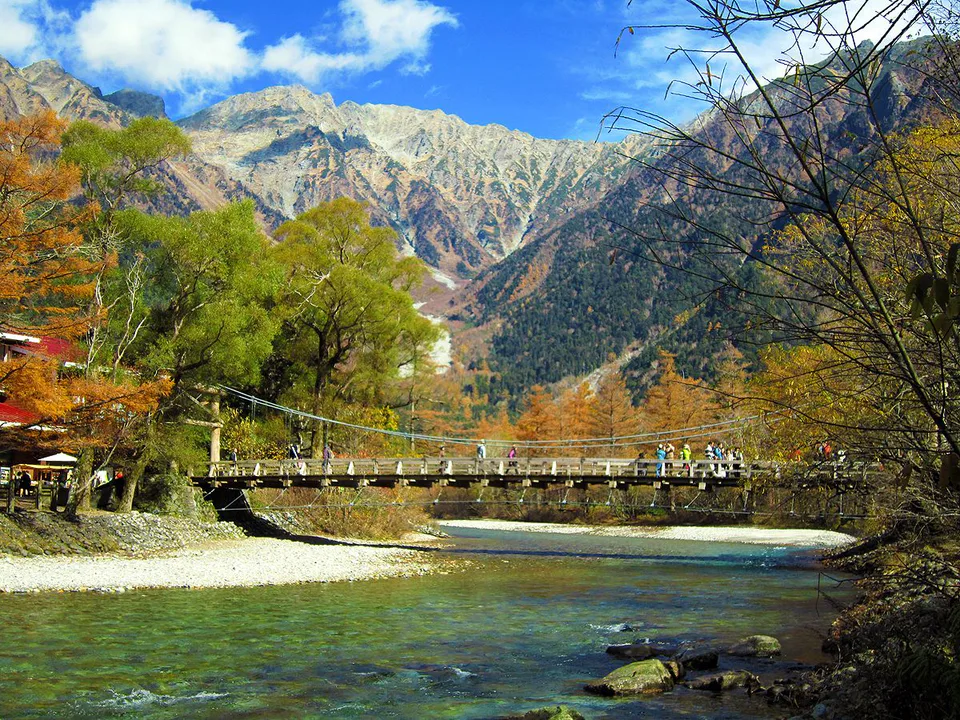
Kamikochi shows why room availability alone is a weak signal. Kamikochi Imperial Hotel’s 2026 operating period is April 26 to November 15, with November 14 as the final overnight. A room search outside the operating season is not just “sold out”; the product itself does not exist.
Oirase Keiryu Hotel shows another version of the same problem. Its current official access page lists scheduled hotel buses from Aomori and Hachinohe for 2026–27, requires reservations at least two days in advance and notes that services can fill. The hotel also says winter transfer information is published separately when schedules are settled.
ValueNavi rule: for a seasonal or remote stay, the booking is not complete until you can name the inbound route, latest workable arrival, meal deadline and outbound route. A “great deal” that reaches the hotel after dinner or misses the only useful bus is not a great deal.
City hotel, view room and ryokan are three different booking products
Do not use the same “wait for a deal” strategy for all three.
City hotel: you are mostly buying a bed plus a location. If one property rises sharply, another station district may still preserve the itinerary. This is where re-shopping a refundable rate can work well.
View room: you are buying a named attribute. A garden-view room in the same building may be an excellent hotel room but is not a like-for-like substitute if the trip was built around waking to Mount Fuji or a lake.
Ryokan / temple lodging / island stay: you may be buying dinner, breakfast, bath access and quiet evening/morning hours together. A cheaper city room can replace the bed but not the same time window. The cancellation decision therefore needs to compare the whole experience, not only the nightly rate.
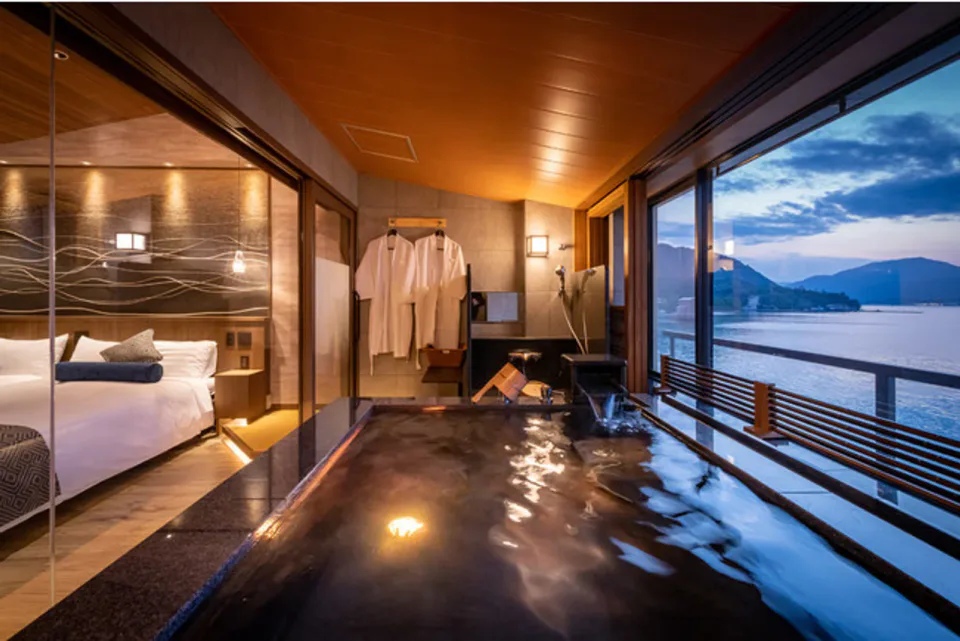
Iwaso on Miyajima, for example, is about a 15-minute walk from the ferry port. A Hiroshima hotel may be easier and cheaper, but if the purpose of the night is to be on Miyajima after day visitors leave and again before the first heavy morning flow, mainland inventory is not an equivalent substitute.
When a price drops, compare the product before comparing the number
Autumn hotel rebooking creates false savings when the new rate quietly changes something important. Before replacing a booking, match:
property and branch;
room type and actual beds;
view category;
occupancy and child terms;
breakfast / half-board;
tax and service charges;
payment timing;
cancellation deadline.
Then book the replacement first and confirm it exists in the hotel or booking account before cancelling the original. Cancelling first creates a small but unnecessary failure mode: the replacement can disappear or the second payment can fail.
The sold-out escalation order should preserve the itinerary before it preserves the hotel
When the first choice is gone, do not jump straight to another city. Change the smallest thing first.
Another room in the same property. Lose the view or a bed configuration only if that feature was not trip-critical.
Another property in the same transport area. Keep the same evening return and morning start.
A nearby backup base. Recalculate the first and last useful transport, luggage and dinner.
Another city. Use this only after measuring the new daily commute, not because the room rate looks lower.
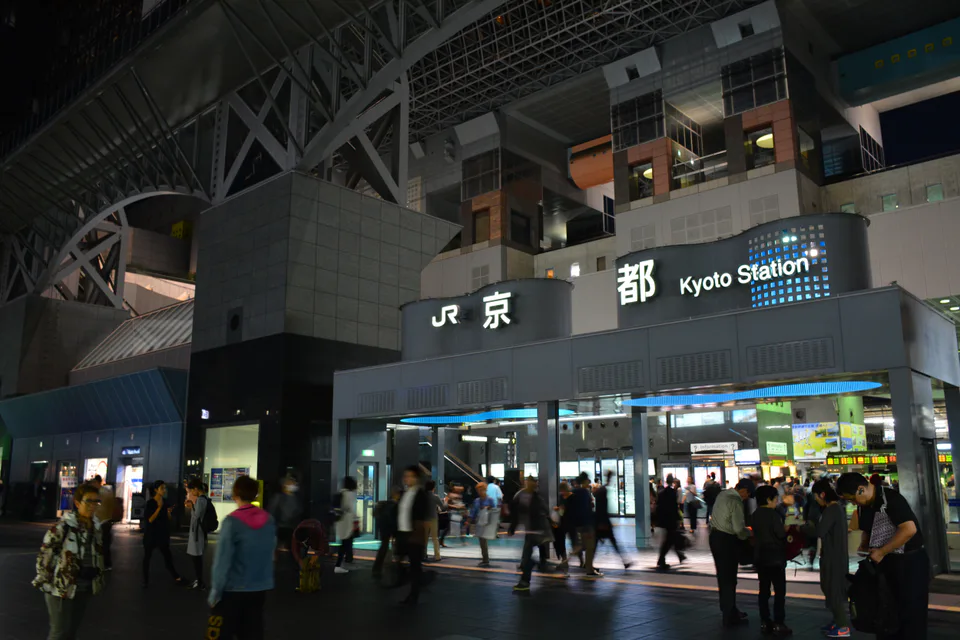
This is especially important in Kyoto. If a Higashiyama hotel is unaffordable, Kyoto Station, Karasuma or another Kyoto district may preserve far more of the trip than moving every night to Osaka. Likewise, if a Kawaguchiko north-shore view room is gone, a station-area hotel may preserve the Lake Kawaguchi itinerary better than moving to a completely different Fuji base.
Do not rebuild the entire route for a one-week foliage shift
Late-season information is best used to adjust movable parts of the plan. If colour is running early or late, first ask whether you can change altitude, swap the order of two day trips or move one refundable night while keeping the same gateway hotels.
This is where a resilient base beats a “perfect” one. Tokyo, Kyoto, Sapporo or another transport-rich city can absorb forecast uncertainty because several foliage zones sit within reach. A fragile route with five one-night hotel changes may match an early forecast beautifully and then become expensive to repair.
Use the 30-, 14- and 7-day autumn adjustment guide for the last-mile changes. The booking strategy here is to make sure you still have something economically cancellable when that information arrives.
Four scenarios: what I would book first
First-time Kyoto trip, four nights, flexible couple
I would secure one good cancellable Kyoto base once the dates are credible, then keep shopping. I would not hold several Kyoto districts for months unless an illumination or dinner location genuinely changes the hotel decision. The inventory is competitive, but the city has many workable bases.
Two adults who specifically want a Lake Kawaguchiko Fuji-view room
I would book the acceptable view category when it opens rather than waiting for the detailed foliage forecast. If the colour timing changes later, I would adjust a Tokyo day or other flexible night before sacrificing the feature that justified the Kawaguchiko stay.
Kamikochi overnight near the end of the season
I would verify the hotel’s operating dates and the final transport before treating any room as usable. The season boundary is a hard constraint; a late forecast cannot reopen a closed property.
Miyajima vs Hiroshima when only one night is available
If the goal is simply Itsukushima Shrine during normal daytime hours, Hiroshima or Miyajimaguchi is a viable substitute. If the goal is island evening/morning time, the Miyajima night is the scarce experience and should be protected earlier.
Final verdict: book uncertainty, not a prediction
The best autumn-hotel strategy is not to predict peak foliage months in advance. It is to identify which reservation would be painful to replace, secure that inventory on acceptable cancellation terms, and keep enough flexibility to react when better seasonal information arrives.
Ignore universal “180 days / 120 days / 90 days” countdowns unless they happen to match the actual hotel’s sale calendar. The official policies themselves vary: some hotels normally sell online only months ahead; others publish special opening dates; seasonal properties operate only part of the year. The booking trigger is therefore sale opening + scarcity + cancellation quality + transport fit.
Book ordinary city inventory when the itinerary is credible. Book scarce view rooms, ryokan, family rooms and seasonal stays when an acceptable version becomes available. Then set a decision deadline and use September-to-autumn foliage information to refine the route—not to start the hotel search from zero.
Shirakawa-go Autumn Leaves: Buses, Viewpoint, Luggage and Hotels
Tohoku Autumn Leaves Itinerary: 5 or 7 Days, JR EAST PASS and Hotels
Japan Autumn Leaves Reservations 2026: What to Book Early and What to Keep Flexible
Iya Valley Autumn Leaves Guide: Driving, Buses, Vine Bridges, Onsen and Hotels
Sources
Imperial Hotel Tokyo — normal advance reservation windows · Imperial Hotel Kyoto — property-specific reservation opening dates · Kamikochi Imperial Hotel — 2026 operating season · Oirase Keiryu Hotel — current transfer reservations and seasonal access · Weathernews — 2026 foliage information expected from September · Japan Weather Association — 2026 foliage information expected around September. Checked August 25, 2026.