
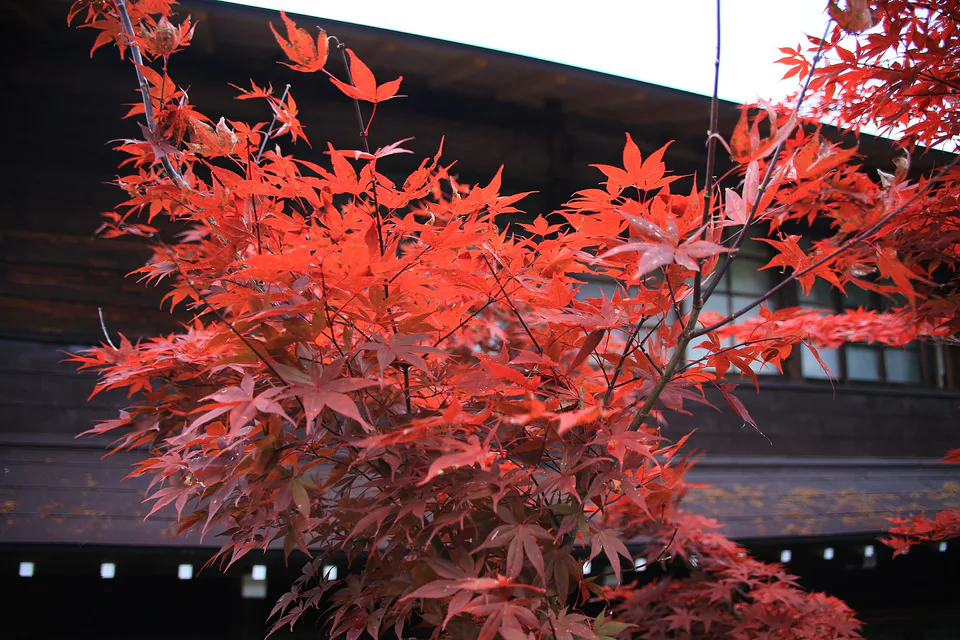
For most first-time autumn visitors, Shirakawa-go works best as a one-way stop between Takayama and Kanazawa or Toyama rather than as a return day trip. The village itself normally needs about two to three hours; the expensive part is the bus geometry. If you enter from Takayama, spend three to five hours in Ogimachi and continue to Hokuriku, the same transfer day also becomes the sightseeing day. Returning to Takayama or Kanazawa is still sensible when that city remains your base, but it should be a deliberate round trip rather than the default.
Stay overnight only when the night buys something a day trip cannot: a quiet late-afternoon/evening window as an accommodation guest, a gassho-style stay or fixed meal you genuinely want, and an early village walk before the main daytime arrivals. One night is weak value if you arrive near check-in, eat, sleep and leave on the first practical bus without using those off-hour windows.
Checked August 27, 2026. Shirakawa-go's official pages currently describe the usual autumn-colour period slightly differently: the seasonal overview says late October to mid-November, while the FAQ says the typical best period is late October to early November and stresses that annual temperatures change the exact timing. Treat those ranges as planning context, not a 2026 peak forecast. Approximate USD conversions use JPY 1,000 ≈ US$6.27; JPY remains the primary price reference.
↔ Scroll table left or right
Your trip shape | Best starting plan | Why | What can reverse it |
Takayama → Shirakawa-go → Kanazawa/Toyama | Use Shirakawa-go as a through-stop | The sightseeing stop advances the itinerary instead of creating a same-city return | Your onward bus times leave too little village time or luggage cannot be simplified |
Kanazawa or Takayama remains your hotel base | Day trip | One hotel and one luggage setup can be worth the return bus | You specifically want the village after daytime visitors leave and again early next morning |
Only 2–3 hours between confirmed buses | Village core first | The official tourism association says roughly 2–3 hours is enough to walk the village | Clear weather and a short viewpoint queue make the observatory your top priority |
4–5 hours between confirmed buses | Village + viewpoint + lunch/interior | You have enough buffer to add one slower block without making the departure fragile | Fog, rain or a long shuttle queue removes the viewpoint's value |
One overnight | Demand at least two off-hour benefits | The night should buy more than a different bed | Late arrival or early departure leaves almost no usable village time |
Large suitcase on a Takayama–Hokuriku route | Forward the main bag when practical | The village becomes a day-bag stop instead of a luggage-storage deadline | Your hotels cannot accept forwarding or the delivery timing does not fit |
ValueNavi Score: strongest as a through-stop, weaker as a forced round trip
Editorial score for a first-time autumn visit used as a Takayama → Shirakawa-go → Kanazawa/Toyama through-stop, where 10 = traveller-friendly. A return day trip or overnight has different economics.
Dimension | Score | Why |
|---|---|---|
Money Cost | The village itself is inexpensive; the meaningful cost is the intercity bus and any luggage solution | |
Time Cost | A 3–5 hour stop can double as the transfer day instead of requiring a separate excursion | |
Booking Risk | Reservation-required highway buses can make popular autumn windows fragile | |
Weather Risk | Rain and fog reduce viewpoint value, but the village architecture still gives the stop a reason to exist | |
Crowd Risk | Autumn concentrates visitors into the same bus, viewpoint and daytime windows | |
Route Fit | On a Takayama-to-Hokuriku route, sightseeing and the city transfer can be the same movement | |
Uniqueness | The gassho-zukuri village landscape is difficult to substitute with an ordinary city attraction |
The score is intentionally route-specific. Shirakawa-go's biggest strength is not that every category scores highly; it is that Route Fit can reach 10/10 when the stop replaces backtracking. If you must travel out and back solely to tick off the village, that advantage falls and the time/booking trade-off becomes much less attractive.
Choose the gateway from the next hotel, not from the shortest one-way ride
Shirakawa-go has no railway station. The current official access page puts Takayama at roughly 50 minutes by highway bus, Kanazawa/Toyama at roughly 1 hour 20 to 1 hour 30 minutes and Nagoya at roughly three hours. Nohi Bus currently advertises 16 round-trip services a day between Takayama and Shirakawa-go, with a mix of reservation-required and non-reserved departures, while the through network continues toward Kanazawa, Toyama and Takaoka.
That network creates two fundamentally different ways to visit.
Return day trip: use it when the same city is still doing useful work
A return from Takayama makes sense when you have another Takayama night, want dinner there and do not want to move luggage. A return from Kanazawa can make sense when Kanazawa remains the stronger regional base. The return ride is not wasted if it protects a hotel you genuinely need for the nights around it.
The weak version is returning only because you searched “Shirakawa-go day trip from Takayama” first, then moving to Kanazawa the following morning. In that sequence, the itinerary pays for the Takayama–Shirakawa leg twice and then travels north again.
Through-stop: strongest when the luggage problem is already solved
The more efficient Chubu/Hokuriku pattern is often:
Takayama hotel
→ Shirakawa-go
→ 3–5 hours in the village
→ Kanazawa or Toyama hotel
This turns Shirakawa-go into the sightseeing portion of a transfer day. It is one of the rare famous destinations where changing cities after the visit can reduce rather than increase backtracking.
The catch is luggage. A 29-inch suitcase changes a three-hour walking stop into a locker deadline and a bus-loading task. If both hotels accept luggage forwarding and the lead time works, use the Japan luggage-forwarding guide to send the main case ahead and carry one small day bag through the village. The through-route becomes much more convincing once the suitcase is removed.
Reserve the buses before choosing farmhouses or lunch
The Nohi/Hokuriku network currently marks many departures with R, meaning reservation required, while other departures are non-reserved. That distinction matters because “there is another bus later” is not the same as “I have a guaranteed seat later.” Autumn weekends compress many visitors into the same transfer windows.
Build the day in this order:
Choose the city you will sleep in before Shirakawa-go.
Choose the city you will sleep in after Shirakawa-go.
Secure the bus into the village.
Secure the bus out of the village.
Only then decide the viewpoint, farmhouse interiors and lunch.
This reverses the common attraction-first workflow, but it matches the real failure mode. Missing one farmhouse interior costs a few hundred yen and twenty minutes. Missing the only departure you planned around can change the next hotel, dinner and luggage chain.
If the preferred bus sells out, do not automatically replace it with a tighter standby plan. The better repair can be an earlier arrival, a shorter village visit, a different gateway or a different date. A non-reserved departure is useful capacity, not permission to make the entire onward journey depend on boarding it.
Two hours, three hours and five hours are different Shirakawa-go trips
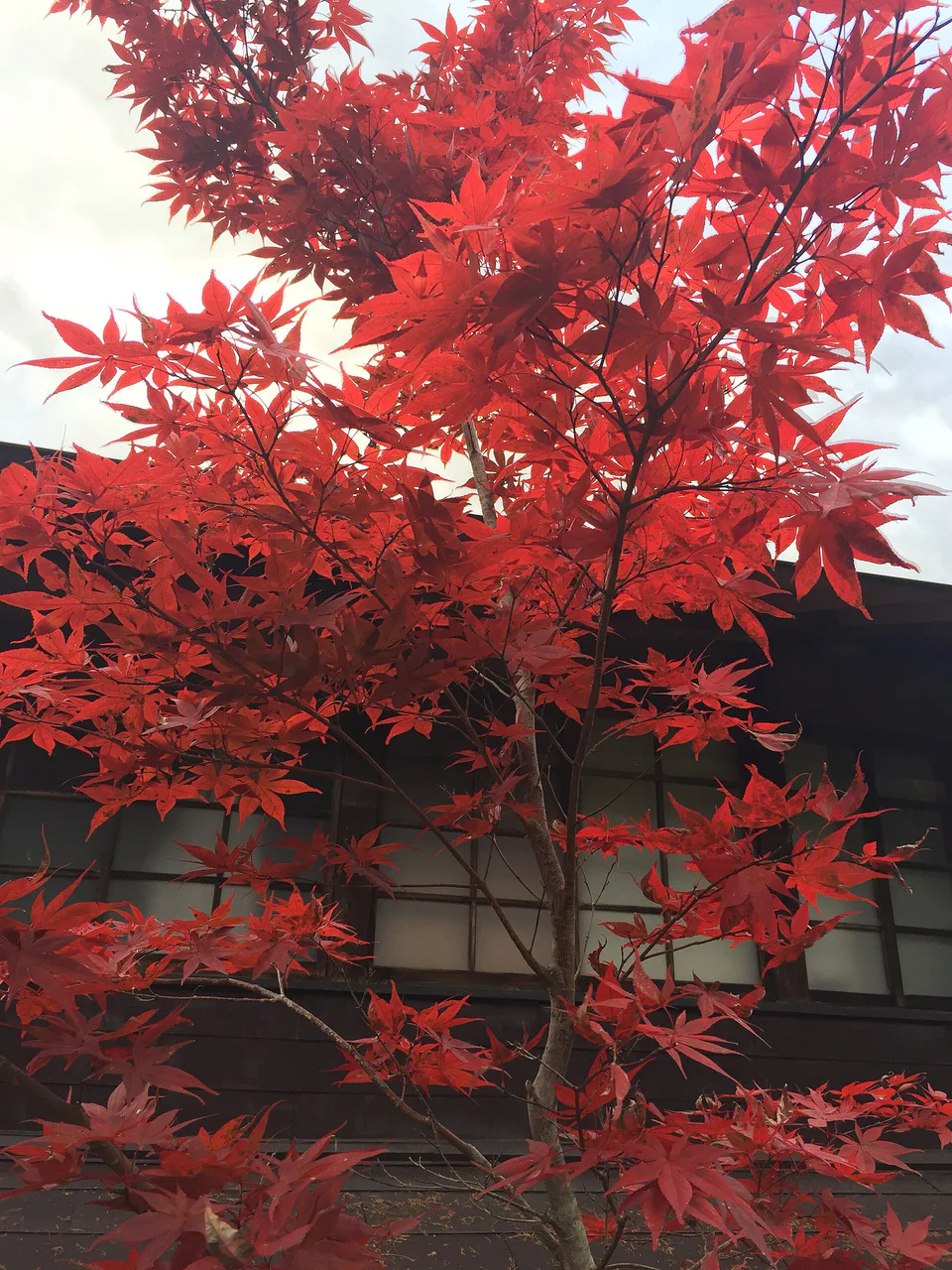
The Shirakawa-go Tourist Association currently says roughly two to three hours is enough to walk around the village. That is a useful baseline because it prevents a famous UNESCO site from expanding automatically into an all-day stop.
About two hours: protect the village core
Cross into Ogimachi, walk the main lanes, choose one farmhouse interior if the queue is reasonable and keep the bus-terminal return buffer intact. The viewpoint is the first thing I would delete. A panorama is valuable, but not if the shuttle queue converts the rest of the village into a race.
About three hours: the default first visit
Add a second interior, lunch or the viewpoint depending weather. Do not force all three. The point is to give the village enough unstructured walking time that it does not feel like three paid entries connected by a sprint.
Four to five hours: add one slow block
This is the comfortable through-stop window. The viewpoint, a proper meal and two interiors can coexist when operations are normal. It also gives enough slack to absorb a queue or rain without placing the onward bus at risk.
Longer is not automatically better. If the next hotel is Kanazawa and you would rather use the late afternoon there, a six-hour Shirakawa-go stop can have a real opportunity cost. The village does not need to consume the full interval simply because a later bus exists.
The viewpoint shuttle is optional — and the current English FAQ appears to be stale
There is an important official-source mismatch that English-speaking visitors can easily miss. The English FAQ currently still shows an older observatory-shuttle pattern of 10:00–14:40 and JPY 200 one way. The current Japanese FAQ instead lists service from 09:00 to 15:40 at roughly 20-minute intervals, with a midday break, and a fare of JPY 300 one way (about US$1.88).
For 2026 planning, I would use the current Japanese operational information and recheck the live timetable immediately before travel rather than copying the older English FAQ.
The viewpoint itself should pass three tests:
Visibility: if low cloud or fog removes the panorama, delete it.
Time: if the confirmed bus window is only two to three hours, the village core normally wins.
Mobility: use the shuttle when the uphill walk would consume disproportionate energy; do not add the viewpoint merely because a shuttle exists.
This is a better decision than making the observatory a mandatory “top attraction.” A clear panorama in a five-hour stop can be excellent. A foggy panorama that costs an hour of a two-hour stop is not.
Lockers solve a day trip; luggage forwarding solves a through-route
The current official FAQ lists bus-terminal lockers from 08:00 to 17:00: JPY 500 (about US$3.14) for small/medium and JPY 1,000 (about US$6.27) for large. It also lists adjacent luggage storage, and the current Japanese FAQ says the tourist association can accept bags when the normal storage fills, within the same-day 08:00–17:00 window.
That is useful for a day trip. It is less elegant for a Takayama → Shirakawa-go → Kanazawa transfer because the suitcase still has to be collected, carried back onto another highway bus and handled at the next hotel.
For a through-route, use a hierarchy:
Best: forward the large suitcase between hotels and enter Shirakawa-go with a day bag.
Second best: store the bag at the bus terminal when both bus times sit comfortably inside the storage hours.
Weak: walk the heritage village with full-size luggage because storage is full or the visit ends after the counter closes.
If your bus arrives after the storage service has closed and you are staying overnight, confirm the accommodation's luggage/check-in procedure directly. “I have a room in Shirakawa-go” does not automatically mean the property can receive bags at any time.
An overnight should buy at least two off-hour benefits
Staying in Shirakawa-go is not about adding many more attractions. It is about buying access to hours that day visitors cannot use in the same way.
The tourist association explicitly says that ordinary nighttime sightseeing is not accepted in the Ogimachi village except for accommodation guests, in order to protect residents' lives and privacy. The public Seseragi parking lot also closes at 17:00. That means an overnight guest does get a genuinely different time window — but it is not an invitation to treat the village as a 24-hour theme park.
I would book the night only when at least two of these matter:
Late-afternoon / evening atmosphere: you want to be in the village after normal daytime traffic thins, while respecting residents and accommodation rules.
The accommodation itself: a gassho house, local meal or traditional stay is a deliberate part of the trip.
Early morning: you will actually walk or photograph the village before the main daytime buses arrive.
Route protection: sleeping there removes a fragile same-day connection rather than adding another one.
A weak overnight arrives at 19:30, misses or rushes dinner, sleeps and leaves at 07:00. The room exists, but almost none of the off-hour value is used.
Do not buy “a farmhouse night” without checking the operating model
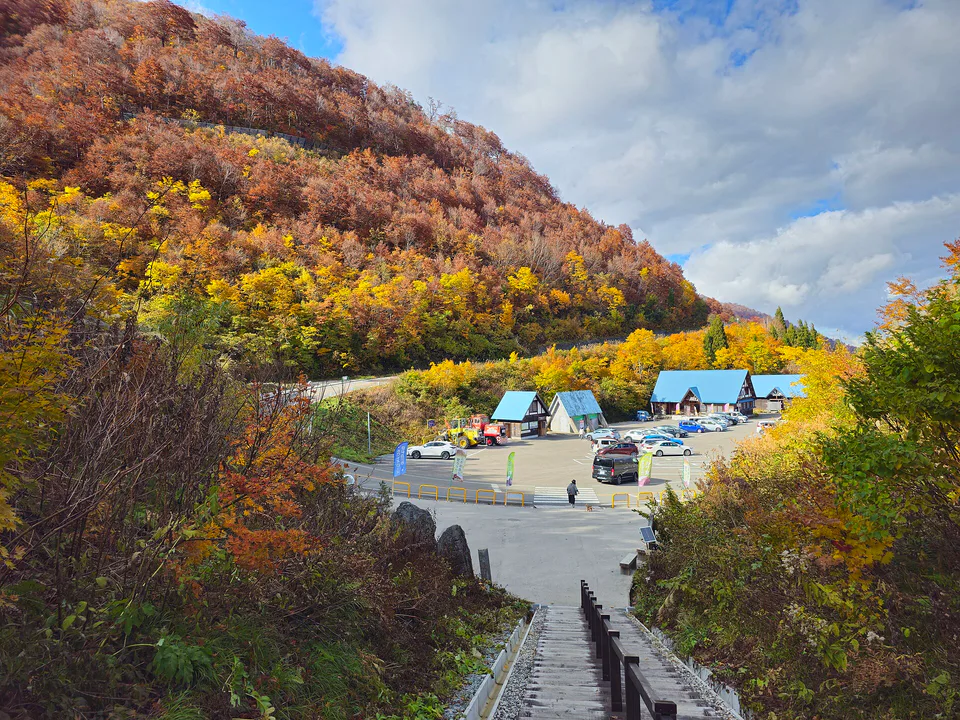
Accommodation in and around Shirakawa-go is not one product. The official tourism listings show everything from small gassho minshuku to guesthouses and larger onsen properties, with materially different rules.
Current official listings illustrate the range: some properties use shared bathrooms; some are limited to one group per day; check-in windows can end around 20:00; one listed onsen hotel runs dinner in fixed 17:30 and 20:00 seatings; another gassho property cannot host guests with infants. Those are examples of why the exact property matters, not universal Shirakawa-go rules.
Before paying, verify:
latest check-in and whether a delayed highway bus is accepted;
dinner time and whether late arrival forfeits the meal;
private versus shared bathroom;
stairs, bedding and heating for the actual room;
child/infant restrictions;
distance or pickup from Shirakawa-go Bus Terminal;
whether the property accepts luggage before check-in.
This is the real difference between an overnight that deepens the visit and one that creates another time-sensitive transfer.
Autumn timing: use a range, then let live colour and weather decide
The official seasonal overview currently says Shirakawa-go autumn colour is generally best from late October to mid-November. The FAQ gives a narrower typical peak around late October to early November and explicitly says annual temperatures change the exact date.
That disagreement is not a problem to “solve” with a fake precise 2026 date. It tells you how to plan:
For late October / early November, treat foliage as a major trip reason and book the critical bus seats early.
For mid-November, verify live colour rather than assuming the seasonal overview guarantees peak leaves.
For dates near the edge of the season, use flexible hotel and transport choices when possible because colour and weather can move in opposite directions.
Shirakawa-go's current FAQ says the first snow in recent years is usually around early December, with deeper accumulation later in winter. Autumn visitors should still prepare for cold rain and slippery surfaces, but do not market late-October foliage as a snow trip by default.
Driving removes the bus reservation — but not the capacity problem
The current official access page lists Seseragi Park parking from 08:00 to 17:00, with last admission at 16:30. During autumn, the village may reduce ordinary-car capacity when large tourist buses require more space. On designated light-up days, separate reservation and parking rules apply.
A rental car therefore trades one failure mode for another. You no longer need an intercity bus seat, but you still face road congestion, parking capacity and a hard parking day. The car is strongest when Shirakawa-go is one part of a wider rural Chubu route. It is weak when you rent only to avoid reserving a bus that already connects the two cities you wanted.
If the driver intends to continue after dark, remember that mountain weather and daylight change quickly in late autumn. Protect the driving margin rather than using the final 30 minutes of parking time simply because the lot remains open.
Three itineraries that actually solve different problems
1. Takayama return day trip
Best for: travellers keeping the same Takayama hotel and luggage base.
Take a confirmed morning bus, use roughly three hours for the village, add the viewpoint only if visibility and queues are good, then return for the same room and dinner.
Do not choose it if Kanazawa is already the next hotel and the following morning simply repeats the northbound journey.
2. Takayama → Shirakawa-go → Kanazawa/Toyama through-stop
Best for: open-jaw or multi-city Chubu/Hokuriku itineraries.
Send the main suitcase ahead when practical, reserve both bus legs, give the village three to five hours and continue north. This is my default first-trip structure because the destination and the transfer day do the same job.
Do not choose it when the only available onward bus leaves so early that Shirakawa-go becomes a rushed luggage transfer rather than a visit.
3. One night in Shirakawa-go
Best for: travellers who specifically want the accommodation, late-afternoon/evening atmosphere and an early morning.
Arrive early enough for check-in and any meal, use the late day respectfully, sleep in the village and take the next morning slowly before the onward bus.
Do not choose it merely because “staying in a World Heritage village sounds special.” If your schedule eliminates the evening and morning, spend the accommodation night in Takayama or Kanazawa instead.
Red-team the recommendation: when should you skip Shirakawa-go entirely?
Shirakawa-go can be famous and still be the wrong use of one Japan day.
Skip or postpone it when the only workable buses leave less than about two useful hours in the village.
Skip it when adding the stop creates two hotel moves and major backtracking inside a very short Takayama/Kanazawa itinerary.
Downgrade it when heavy rain or low cloud removes the viewpoint and the group has little interest in farmhouse interiors or village walking.
Keep it despite imperfect weather when the architecture, through-route geography or accommodation experience is already the reason for going.
The deletion test matters here. If Shirakawa-go is just “another autumn photo stop” inside a trip that already has Takayama old streets, mountain foliage and Kanazawa gardens, its opportunity cost is higher than the bus fare suggests.
Final verdict
For a first autumn visit, I would normally use Shirakawa-go as a three-to-five-hour through-stop between Takayama and Kanazawa or Toyama. Reserve both highway-bus legs first, simplify the luggage, protect the village core and treat the observatory as conditional rather than mandatory.
Choose a return day trip when the same city genuinely remains your base. Choose an overnight only when it buys at least two non-transferable benefits — accommodation experience, late-day atmosphere, early morning or route protection. The village is compact; the itinerary around it is the real product.
Compare Shirakawa-go stays for an overnight plan
Related planning
Takayama → Shirakawa-go → Kanazawa 4-Day Itinerary · Takayama Autumn Leaves · Japan Luggage Forwarding · Hokuriku–Chubu 5-Day Itinerary
References
Shirakawa-go Tourist Association — access and parking · Shirakawa-go Tourist Association — seasonal overview · Shirakawa-go Tourist Association — current Japanese FAQ for sightseeing time, viewpoint shuttle and luggage · Shirakawa-go Tourist Association — nighttime sightseeing etiquette · Nohi Bus — Takayama/Shirakawa-go/Kanazawa/Toyama timetable and reservation rules. Checked August 27, 2026. Bus schedules, autumn colour, parking, accommodation rules and viewpoint-shuttle operation can change; verify the actual travel date.