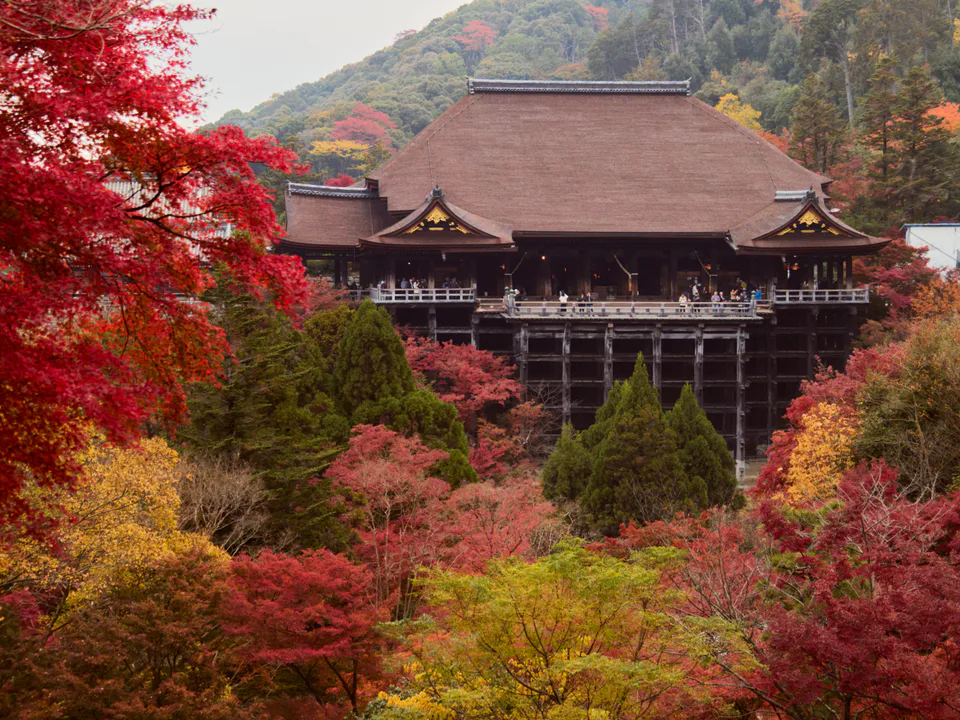
A Japan autumn leaves Plan B starts by figuring out what actually went wrong. Green leaves, fallen leaves, rain, low visibility, a suspended service, sold-out capacity and an unsafe route each call for a different response. Don’t rebuild the whole trip just because one viewpoint disappoints. Start with the nearest higher or lower option in the same transport corridor, protect your final return, and stick with your existing hotel base unless a destination overnight actually solves more than one future day.
Last checked August 15, 2026. Japan Weather Association says its autumn-foliage forecasts are released from September to November, so treat the historical ranges here as background until the first 2026 release. Before changing a same-day route, check Japan Meteorological Agency warnings, the exact railway, bus, road or ropeway operator, then a dated local foliage report or camera.
Japan autumn leaves Plan B: diagnose the failure in ten minutes
First, confirm the colour itself is actually the problem. A lake shore, an upper slope, a shaded garden and a sunny ridge can all be at different stages on the same day. Photos are only useful when the upload date, exact place, elevation and viewpoint are clear. A peak-colour photo from three days ago can already be outdated after wind or heavy rain, and a live camera might show one exposed slope rather than your actual walking route.
Then figure out whether it’s a capacity, operations or safety problem — they’re different. A sold-out reserved bus is a capacity problem, and there may be another official departure. A ropeway stopped by strong wind is an operating problem. A landslide warning, lightning, snow, flooding or an unconfirmed rural return is a safety problem. Only wait it out if the operator gives you a credible update and at least one safe return still exists; otherwise, leave the gateway while you still have alternatives.
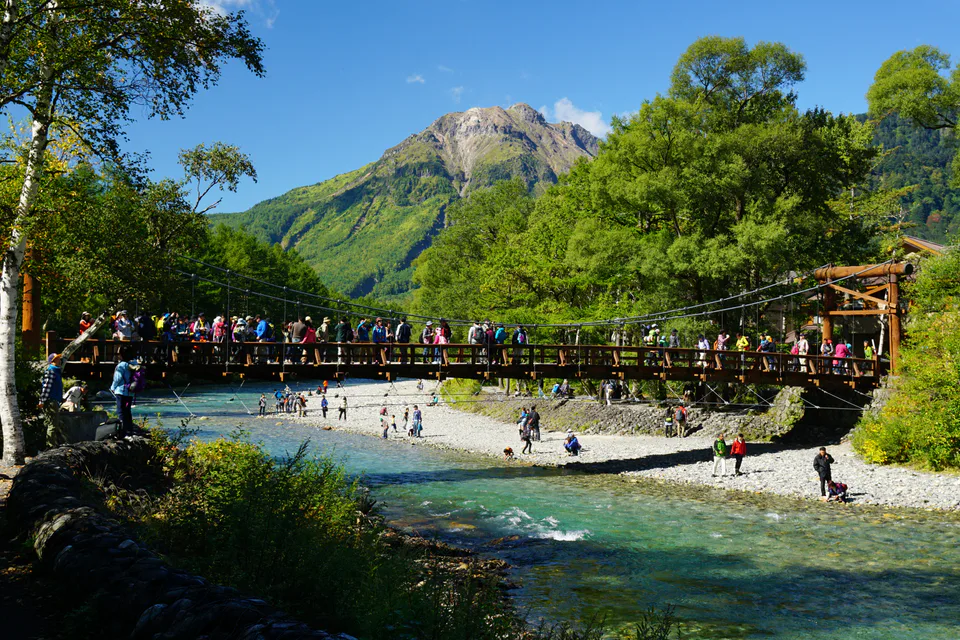
Leaves are still green: move higher without crossing Japan
When a lowland garden’s still green, look for a colder or higher alternative from the same base first. In Tokyo, compare Takao, Okutama, Kawaguchiko or Oku-Nikko before changing regions entirely. In Kyoto, compare Takao, Ohara, Kurama or Mount Hiei before giving up on Kansai. In Fukuoka, Kuju or another higher corridor is worth checking, but only once the bus, road and weather are confirmed. The goal is protecting your hotel, luggage and onward route.
Higher isn’t automatically better, though. Alpine foliage might already be past peak, the ropeway could be in seasonal closure, or frost might make the path unsafe. Check the operating area and final return, not just the destination’s name. If the higher option means unfamiliar night driving, a single rural return, or a speculative ticket, go with a city garden, museum or onsen instead.
Leaves have fallen: move lower and change the subject
After peak, move down the same corridor before you jump south or change cities. Swap a summit for a lake shore, an upper gorge for its lower section, or an alpine forest for an urban garden. Tokyo has lowland gardens and ginkgo; Kyoto has city temples, Uji and Nara; Fukuoka still has Dazaifu, Takeo or urban parks. Different tree species and protected gardens often stretch the usable season further than you’d expect.
Past peak doesn’t mean the day has no autumn value left. Fallen leaves, wet stone, bare branches, moss, river colour, historic streets and onsen can still add up to a good trip. Cut the exposed panorama, the long trail or the dangerous river section rather than cancelling everything. It’s also a smarter photography strategy than racing off to another distant site with unverified colour.
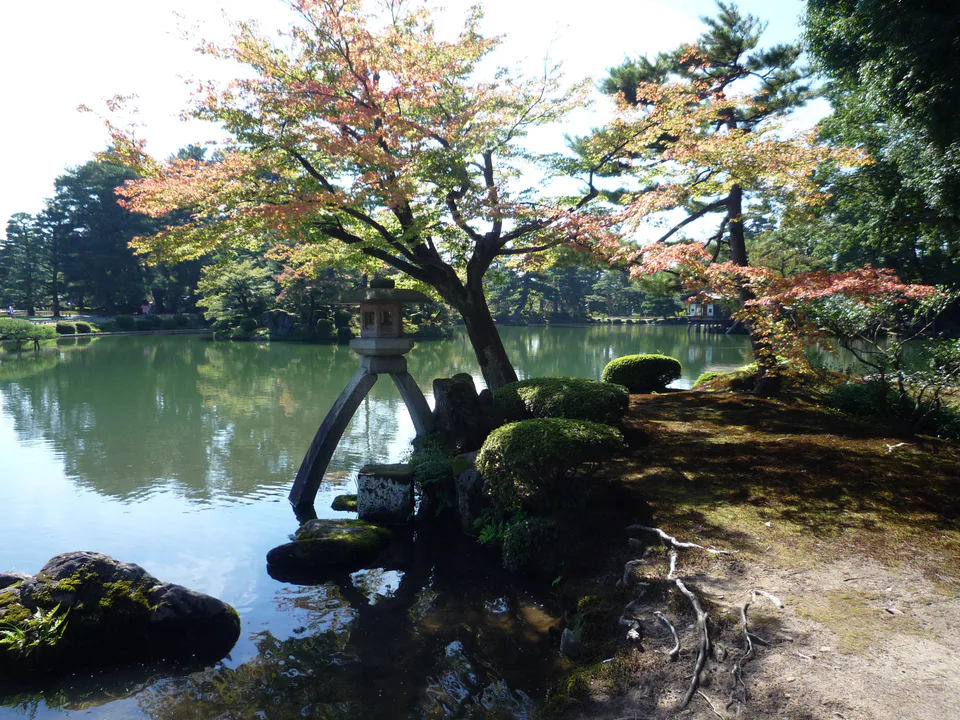
Rain, fog and a hidden Mount Fuji
Light rain and overcast skies can actually improve colour saturation, moss, reflections and temple detail. Shorten steep forest and riverside sections, avoid slippery timber and mud, and save a museum, covered market, pavilion or onsen for the heaviest rain. Hands-free waterproofing and shoes with good grip do more for you than another camera body or an umbrella that just blocks a narrow path.
When Mount Fuji is hidden, don’t chase several distant viewpoints under the same cloud cover. Keep the lake, maple corridor, shrines, museums and onsen, and treat any Fuji sighting as a bonus, not the point. An overnight gives you a second morning weather window; if you’re just visiting for the day, set a decision time — often by mid-afternoon — so waiting doesn’t eat into your return journey or the rest of the route.
Suspended transport and sold-out reservations
If a bus, ropeway, boat or road falls through, protect your accommodation and final return before trying to salvage the original plan. Stay near a staffed station, visitor centre or hotel gateway. Don’t take a one-way rural service and figure out the return later. For sold-out transport or events, use official cancellations, another authorised departure or a different destination — unknown resale tickets carry entry and identity risks.
Changing hotels the same day should normally be your last resort. Try another rail, subway or bus direction from your current base first. Only move if the next two days still need the same remote area, the replacement room is confirmed, the cancellation and luggage costs are acceptable, and the new location meaningfully improves access. Paying for two rooms and losing a meal can end up costing more than simply dropping one sight.
Same-base alternatives around Japan
From Sapporo or Asahikawa, swap a closed alpine ropeway for city parks, museums or a lower valley. From Aomori, Hachinohe or Sendai, use Hirosaki, Matsushima, city museums or a separately confirmed Yamadera day. In Tokyo, switch between gardens, museums, Takao and Kamakura. Kanazawa still has Kenrokuen, covered markets and the 21st Century Museum. Kyoto and Osaka can lean on Nara, Uji, Otsu or sheltered temples. Fukuoka has Dazaifu, city museums, covered shopping or Beppu onsen.
A resilient hotel sits near a major station, stores luggage, and gives you both outdoor and indoor options nearby. Hotel Metropolitan Tokyo Marunouchi, Hotel Granvia Kyoto and Hotel Metropolitan Sendai East are good primary examples; Hotel Granvia Osaka and JR Kyushu Hotel Blossom Hakata Central work as backups. These aren’t live availability or rate claims — compare refundable terms, final check-in and luggage receiving for yourself.
Search flexible Japan hotels on Booking.com
Compare flexible Japan hotels on Expedia
Safety thresholds that override sunk cost
Cancel exposed mountains, gorges, rivers, boats and cliff paths the moment official warnings, flooding, landslide risk, lightning, strong wind, snow or operator closures apply. Don’t drive an unfamiliar mountain road after dark or on unsuitable tires. A prepaid pass, a non-refundable hotel or a once-a-year trip is never a good enough reason to ignore emergency advice. Cold, injury, motion sickness, a dying phone battery and no confirmed way back are all valid reasons to stop, too.
Related planning
Hitachi Seaside Park kochia timing guide