
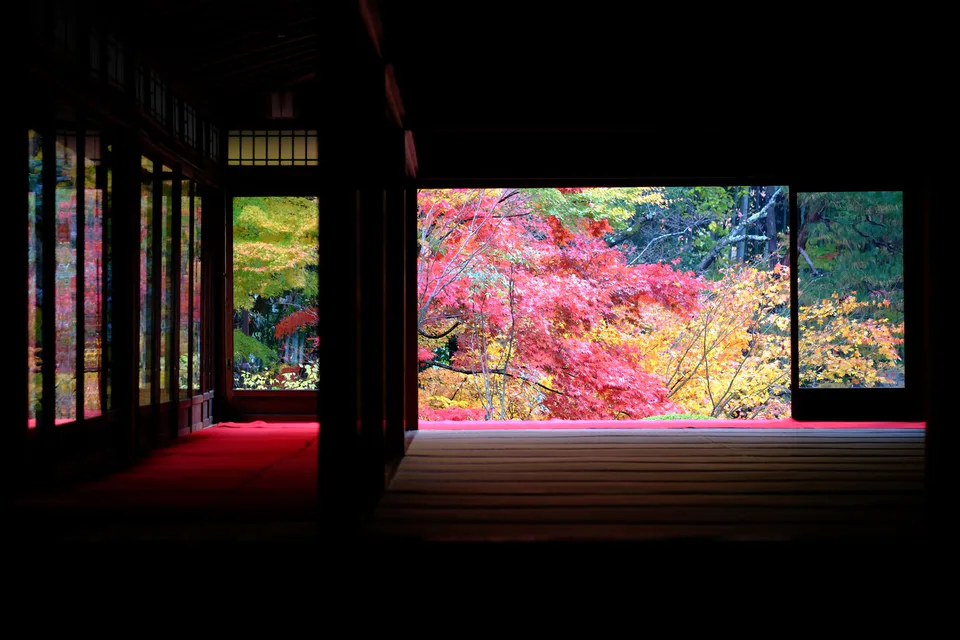
Japan autumn photography is an access and timing problem before it is a camera problem. Dawn is valuable only when the site is open or the traveller can reach it safely. An illumination is useful only when entry, equipment rules and the final train are understood. Decide whether the subject is a mountain layer, temple architecture, Mount Fuji, a person, wet reflections or night lighting, then choose the time, hotel and lens.
Last checked August 4, 2026. Photography rules vary by place and date. Eikando's current official visitor guidance prohibits tripods and monopods in the grounds, prohibits selfie sticks inside buildings and asks visitors not to use them in crowded outdoor areas; cultural properties inside buildings may not be photographed. Other temples, gardens, ropeways and illuminations can impose different restrictions, and on-site instructions override general advice.
Japan autumn leaves photography: choose time by subject, not by a generic golden hour
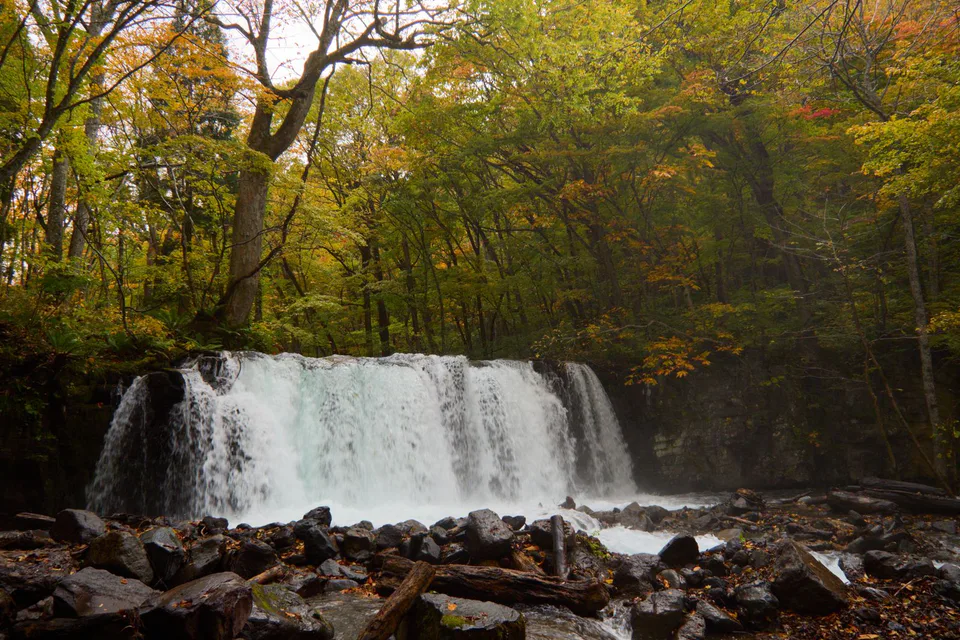
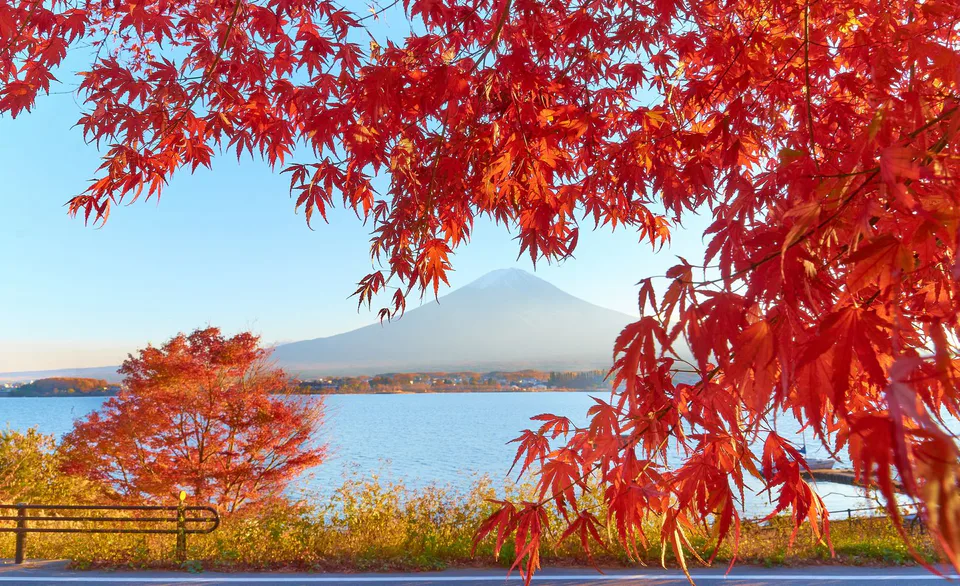
Lakes, mist, Mount Fuji and reflections often benefit from early morning, but only when accommodation or transport makes the start practical. Temple gardens are governed by opening time; the first entry and soft morning light may matter more than sunrise. Gorges and forests work well under cloud because contrast is lower and colour, moss and water detail remain visible. Bright midday sun can still produce backlit leaves, architectural shadow and telephoto mountain layers.
Evening and blue hour suit bridges, rivers, historic streets and illuminations. Work backwards from final admission, clear-out, return transport and the walk to the hotel. A long illumination queue can consume the best light before entry. When support equipment is prohibited, practise bracing against your body or a safe fixed surface without turning railings or narrow paths into a private work area.
Bright sun, overcast and rain require different choices
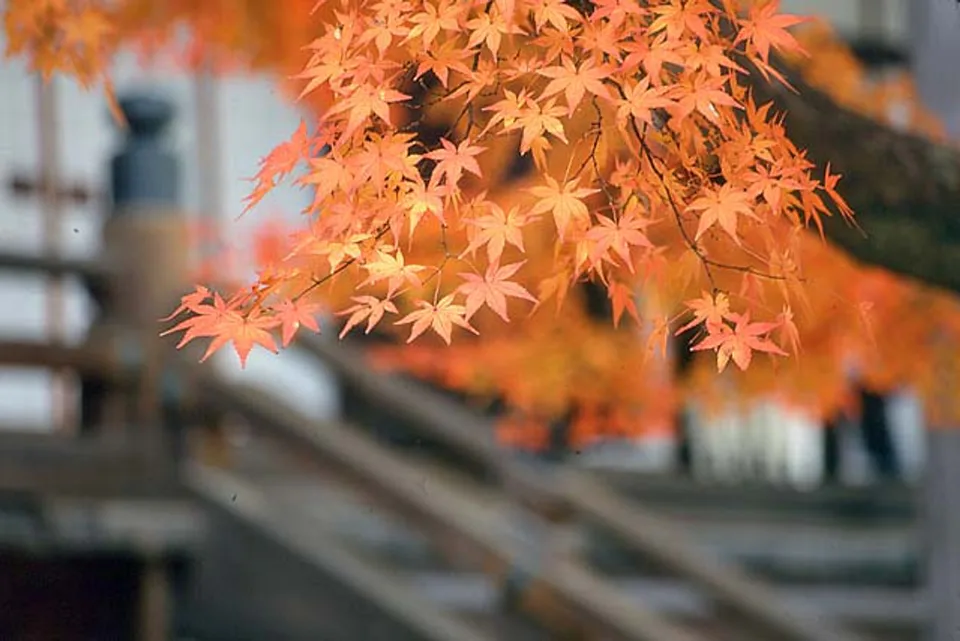
In bright sun, protect highlights. On a phone, tap a bright leaf or lamp and reduce exposure slightly so red and orange retain texture. On a camera, watch the brightest leaves and accept darker shadows rather than clipping colour. Backlight reveals veins and translucency, while side light gives architecture depth. Change angle or use shade instead of trying to make sky, leaves and faces equally bright in every frame.
Overcast weather suits forest, moss, stone, temples and close leaf detail. Reduce empty grey sky with eaves, trunks or foreground. After rain, wet leaves, steps, umbrellas and reflections become subjects, but the kit needs a simple rain cover and separate cloths. When moving from cold outdoors into a warm room, leave the camera in its bag while it warms to reduce condensation.
Heavy rain, lightning and strong wind are safety thresholds, not creative challenges. Remove rivers, cliff edges, long timber paths and exposed viewpoints. Use museums, covered corridors, station architecture or a short garden near the hotel. Do not remain on a remote trail after dark to rescue a disappointing photo day, and never walk backwards on wet steps while composing.
Phone technique: stability, exposure and native focal lengths
Clean the phone lens, use the main camera or a native telephoto and avoid extreme digital zoom. Tap the subject and reduce exposure when bright foliage or lamps lose detail. Night mode works only when the subject is sufficiently still and the phone can be braced without obstructing others. A short burst is often more reliable than repeatedly changing modes when wind, people or deer are moving.
For video, decide the final horizontal or vertical format before recording. One environmental clip, two details and one human or moving moment usually tell a better story than minutes of unedited footage. Do not brighten night footage until it resembles daytime; retain the relationship between lamps and darkness. Low temperature drains the phone faster, so keep it and the power bank inside a layer and reduce background uploads and display brightness.
Camera and lens choices: carry a defined purpose
A standard zoom covers most temples, streets, people and landscapes. A wide lens helps in tight spaces and with strong foreground, but it also records crowds, signs and blank sky. A telephoto compresses Fuji, valleys and layered foliage and simplifies busy backgrounds. A fast prime helps at night and with people, but framing is less flexible. Add a second lens only when the itinerary has a clear subject for it.
When handholding, protect shutter speed before insisting on low ISO. Wind moves leaves, people move and the photographer moves; a clean ISO 100 file with a blurred subject is not the goal. Auto ISO with a practical minimum shutter speed is useful for travel. Shoot a short sequence, check the brightest area and accept moderate noise when it preserves a usable moment. Do not dismantle the kit on a wet or crowded trail.
Crowds, privacy and ethical framing
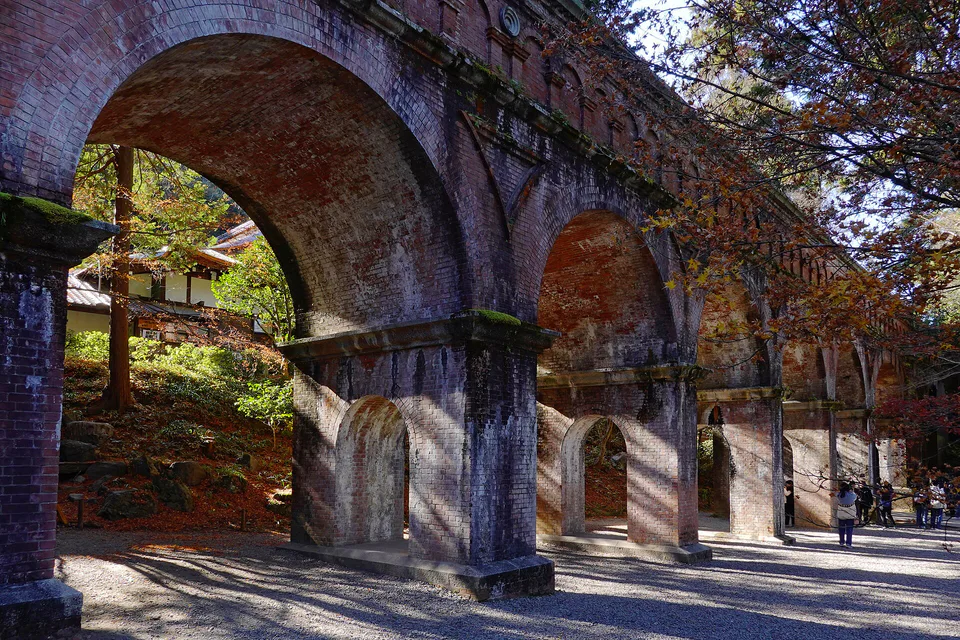
Avoiding crowds does not mean demanding an empty famous site. Arrive early, stay overnight, use tighter framing, place trunks or doors around the scene, wait for natural gaps or use people as seasonal context. For portraits, build the frame before the subject steps in and finish quickly. Move as soon as a queue forms, residents need the route or staff ask visitors to continue.
Do not cross ropes, step into moss, stand in roads, occupy the middle of a bridge or block worship. Ask before photographing recognisable strangers, children, ceremonies or private property, or avoid a clear face. Admission does not grant commercial-shoot, drone or cultural-property rights. A model-focused session may be treated differently from ordinary travel photography.
When an overnight stay has real photography value
Stay overnight when the hotel creates a genuine dawn, evening, illumination or second-weather advantage. Kawaguchiko can provide another Fuji morning, Oirase can reduce first-bus pressure, Miyajima changes after day visitors leave, and Kyoto may support consecutive early and late temple visits. If the attraction opens late and the hotel remains far from the entrance, a nearby room may not create useful access.
Fuji View Hotel, Hoshino Resorts Oirase Keiryu Hotel and The Westin Miyako Kyoto are destination examples; Hotel Metropolitan Tokyo Marunouchi and Hotel Granvia Kyoto are rail and rain-day backups. These are not live availability, room-view or fixed-rate claims. Confirm orientation, final check-in, breakfast, luggage receiving and the cancellation deadline.
Search Japan autumn photography bases on Booking.com
Compare Kawaguchiko hotels on Expedia
Green leaves, leaf fall, battery and storage Plan B
Before peak, photograph mixed colour, backlit green, mist and elevation transitions. After leaf fall, use ground colour, branches, moss, stone, reflections, architecture and people. If a battery or card fails, protect the files already captured and use the phone rather than formatting media on a mountain. Back up important images each evening to another device or cloud service.
Cold, camera use and weak mobile signal increase battery drain. Carry spare power close to the body. Keep the main suitcase at the city hotel or forward it, and use one compact weather-protected bag with only equipment that has a defined purpose. A lighter kit improves balance, allows safer hand use and makes it easier to leave a crowded viewpoint promptly.