
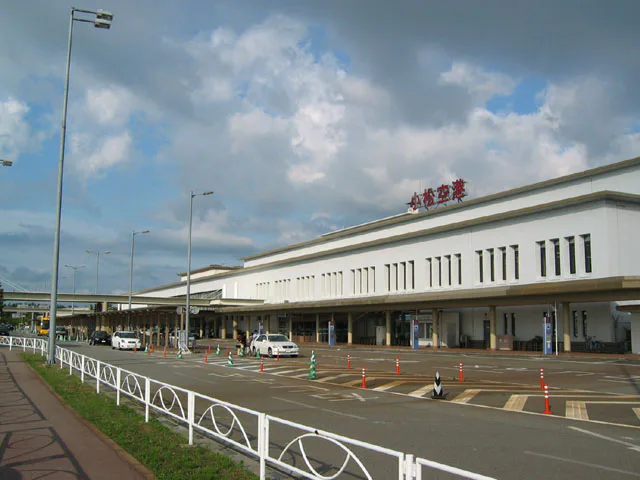
Choose Komatsu Airport for Kanazawa, Kaga Onsen, Fukui and most multi-city Hokuriku trips. Choose Noto Satoyama Airport only when northern Noto is genuinely the first or last destination and the ground transfer is already real—not merely possible on a map. Komatsu is the stronger recovery airport; Noto is the stronger geometry airport.
The 2026 decision becomes much clearer once the last leg is priced. Noto Airport’s Furusato Taxi currently costs only JPY 1,300 to Wajima/Anamizu, JPY 1,800 to Suzu, JPY 1,300–1,800 to Noto Town, JPY 2,200 to Nanao/Nakanoto and JPY 2,900 to Shika/Hakui. Those fares can make Noto surprisingly competitive—but only if you reserve by 15:00 the previous day. Without a reservation, the shared taxi does not operate for you.
↔ Scroll table left or right
Your route | Start with | Why |
Kanazawa first night | Komatsu | About 40 minutes to Kanazawa Station by airport bus and a larger recovery network |
Wajima / Anamizu first night | Noto, if transfer is booked | Furusato Taxi is currently JPY 1,300 and removes a large Kanazawa backtrack |
Suzu / Oku-Noto first | Noto, conditionally | JPY 1,800 shared-taxi fare is attractive; road conditions and shared stops still add timing risk |
Wakura / Nanao | Compare both | Noto Furusato Taxi is JPY 2,200, but Komatsu can be more resilient for a wider car-free Hokuriku trip |
Kaga Onsen / Fukui next | Komatsu | The airport already sits on the southern side of the route |
Noto first, then Kanazawa/Kaga/Fukui | Noto-in / Komatsu-out | Open-jaw routing can delete the largest backtrack |
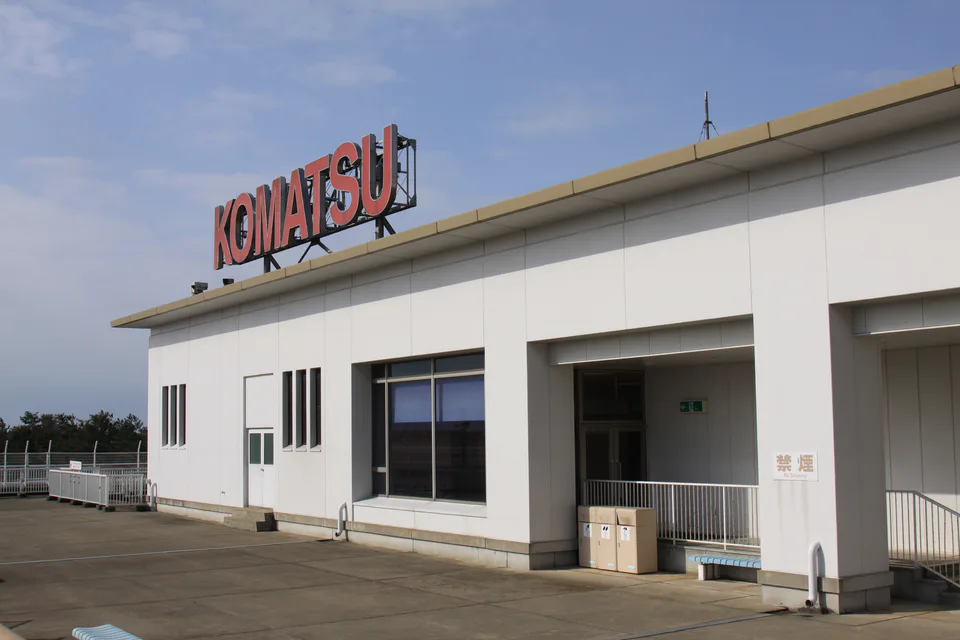
Komatsu wins by recovery, not by being geographically central
Komatsu Airport currently publishes roughly 40 minutes to Kanazawa Station West Exit and about 55 minutes to Korinbo. Since August 1, 2026, the Kanazawa Station airport-bus fare is JPY 1,400. That is the cleanest default when Kanazawa is Night 1.
The more important advantage is what happens when the flight is late or the itinerary changes. Kanazawa is a large transport hub with onward options toward Toyama, Fukui, Kaga Onsen and the wider Hokuriku corridor. Komatsu also has a broader flight network than Noto. You are buying a route that is easier to rebuild.
If your itinerary starts Kanazawa → Kaga/Fukui, flying into Noto simply puts you on the wrong side of the trip. Do not choose an airport because it shares the prefecture name with the destination.
Noto wins when the JPY 1,300–2,900 final leg deletes a much larger backtrack
Noto Satoyama Airport currently operates two Haneda round trips per day for the March 29–October 24, 2026 timetable. The morning Haneda flight arrives at 09:50; the afternoon service reaches Noto around 16:25–16:30 depending on the date period.
The airport’s geographic advantage becomes concrete when paired with the current Furusato Taxi fares:
Wajima / Anamizu: JPY 1,300 per adult
Wajima Monzen area: JPY 1,800
Suzu: JPY 1,800
Noto Town: JPY 1,300; Uchiura area JPY 1,800
Nanao / Nakanoto: JPY 2,200
Shika / Hakui / Hodatsushimizu: JPY 2,900
For a Wajima first night, that JPY 1,300 fare is not a trivial detail. It means Noto can combine a northern airport with a low fixed ground cost instead of forcing a private taxi or a long Kanazawa detour. For two adults, Wajima is JPY 2,600 total; Nanao is JPY 4,400. Compare those totals against the extra airfare and the time you would otherwise spend backtracking.
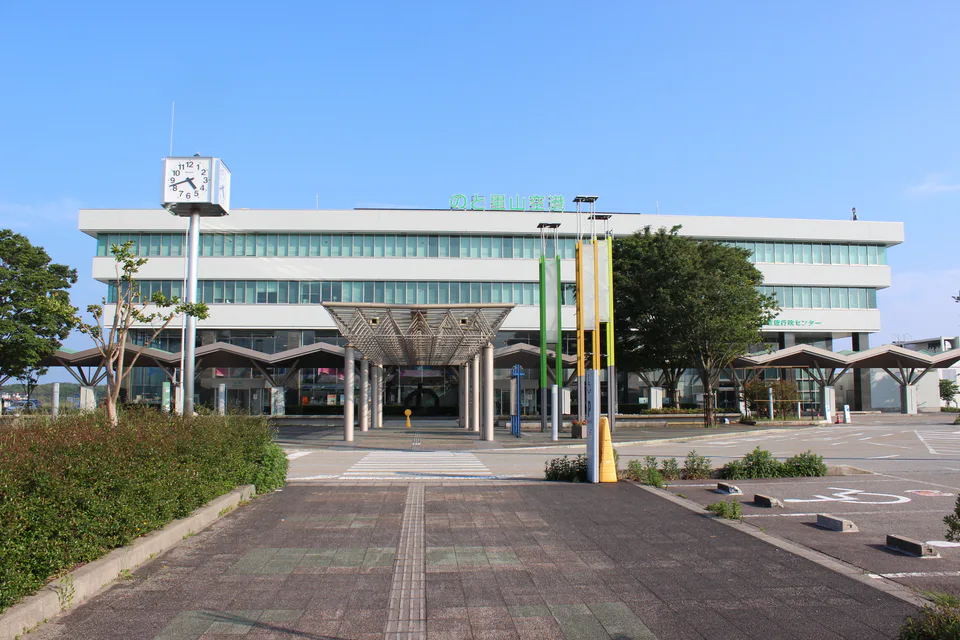
The Furusato Taxi is cheap only after you pass four operational gates
The fixed fares make Noto look easy, but the service has hard rules. The airport currently requires a reservation by 15:00 on the day before travel. If nobody books, the service does not operate. It can also refuse reservations when full.
Payment is currently cash only. The shared vehicle follows major roads and may not serve a remote accommodation door directly. It also stops for other passengers, and Noto Airport warns that damaged roads, congestion or closures can materially extend travel time.
There is a fifth failure mode for travellers who assume a taxi will simply be waiting at the airport: the airport explicitly says taxis are not stationed there and same-day dispatch may not be possible. A normal private taxi therefore also needs advance contact.
ValueNavi ground-lock test: do not book Noto because the fare looks good until the exact drop-off, reservation confirmation, payment cash and hotel check-in deadline all work together.
Wajima: Noto Airport is often the cleanest first-night gateway
If Wajima is the reason for the trip, I would actively price Noto-in. The morning flight plus a confirmed JPY 1,300 Furusato Taxi can turn Day 1 into a northern-Noto day instead of a Kanazawa transit day.
The recommendation breaks when the flight premium is very high, the shared-taxi drop-off does not suit the hotel, or the first accommodation has a hard dinner time with too little road buffer. The afternoon Noto arrival around 16:25–16:30 deserves a much stricter ryokan test than the 09:50 arrival.
Wakura and Nanao are the true edge case
Nanao/Nakanoto currently costs JPY 2,200 per adult by Furusato Taxi. That makes Noto a plausible car-free entry, especially if Wakura is the first expensive stay and Kanazawa comes afterward.
But Wakura also sits on the broader Nanao rail/road network. If Kanazawa is central to the trip and you value disruption recovery, Komatsu can still be the better overall airport. In this case the answer is not “Noto is closer.” It is whether the saved northern backtrack is worth a smaller flight network and a reservation-dependent last leg.
Open-jaw is the most underused answer
If the route begins in Wajima or Oku-Noto and then moves south, Noto-in / Komatsu-out often has better geometry than forcing one airport to serve both ends. The reverse can work too: Komatsu-in for Kanazawa/Kaga/Fukui, finish in northern Noto, then fly Noto→Haneda.
Price the airfare difference against one avoided long land transfer, one hotel move and the sightseeing time recovered. Open-jaw does not need to be cheaper to be better.
Large luggage makes confirmed shared transport more valuable
Komatsu’s airport bus gives a simple first hand-off into Kanazawa. Noto’s Furusato Taxi can be just as clean once booked. The bad version is an unconfirmed Noto arrival with two large suitcases and a plan to improvise local transport.
If several hotel changes follow, use the Japan luggage-forwarding guide. Do not let luggage force you into the wrong airport direction; solve the bag separately when possible.
Final verdict: compare route geometry after adding the last vehicle
Komatsu: default for Kanazawa, Kaga Onsen, Fukui and most first-time multi-city Hokuriku trips. Its value is recovery and network depth.
Noto: choose it when Wajima, Suzu, Anamizu or another northern-Noto stop is first or last, and the Furusato Taxi or another vehicle is confirmed. The current JPY 1,300–2,900 shared-taxi fares can make the airport much more competitive than the map alone suggests.
Do not choose Noto without the ground lock. Reservation is required by 15:00 the previous day, payment is cash-only, capacity can fill, and a normal taxi may not be waiting at the terminal.
If the trip moves north-to-south or south-to-north, open-jaw Noto/Komatsu is often the cleanest answer of all.
Official sources
Noto Satoyama Airport — current Haneda flights and ground-transport warnings
Noto Satoyama Airport — Furusato Taxi fares, reservation and payment rules
Checked August 25, 2026. Flight schedules, road conditions, shared-taxi operators and airport-bus fares can change; verify the live transport on the travel date.