
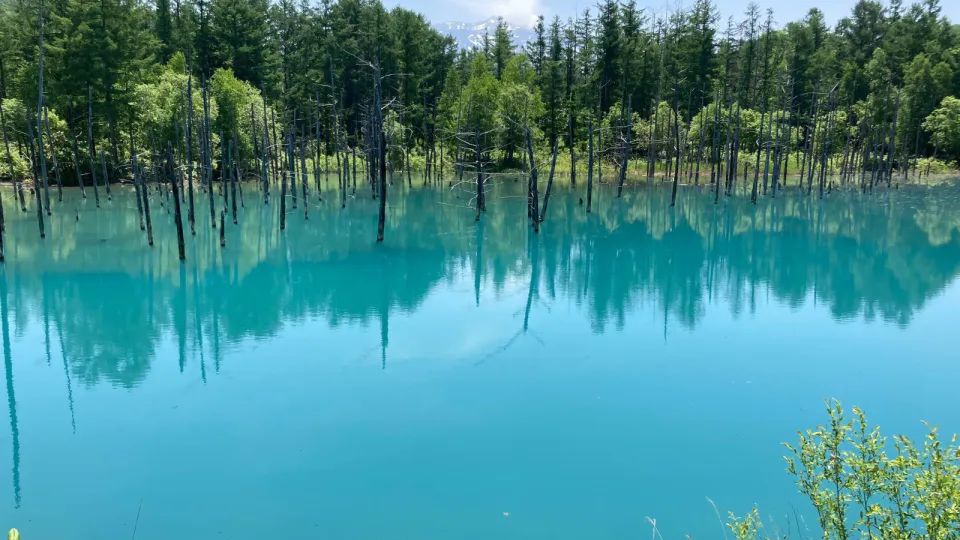
Furano and Biei without a car is practical when you build the trip around JR and fixed sightseeing buses instead of copying a self-drive route.
Can you visit Furano and Biei without a rental car? In 2026, yes—and it is easier than many older guides suggest. The condition is that you accept a trip built around the main sights and fixed schedules instead of trying to copy a self-drive itinerary onto JR. JR Hokkaido has the Furano Lavender Express, the Furano Line and the Furano–Biei Norokko train, while the Biei tourism office’s sightseeing bus can put the Blue Pond, Shirahige Falls and Shikisai no Oka into a fixed half-day route. For a first visit focused on representative highlights, going without a car is completely workable.
But “I can reach it” and “I have self-drive freedom” are different products. Without a car, you trade flexibility for a timetable: staying 20 minutes longer, changing the plan for weather, finding a cafe full or missing one train can affect the next segment. What the rental car really buys is not one more attraction—it buys the right to take the day back from fixed departure times.
Furano and Biei without a car: the 30-second decision
Farm Tomita, central Furano, Blue Pond, Shirahige Falls and Shikisai no Oka: car-free is feasible. First visit, two people, willing to book the sightseeing bus: prioritize JR + bus. Patchwork Road, Panorama Road, scattered cafes, farms, sunrise/sunset photography: rent a car. Traveling with young children or older relatives but not wanting a long self-drive: use JR + sightseeing bus and fill gaps with short taxi rides. First time driving on snow: do not force a rental because “Hokkaido requires a car.” If only one or two days truly need a car, a partial rental is usually better than renting for the whole trip.
The biggest 2026 change: the Biei sightseeing bus now links the three hardest core stops
For summer 2026, the Biei sightseeing bus leaves from the Shiki-no-Johokan information center beside JR Biei Station. The morning route departs at 9:40 and returns at 12:45; the afternoon route leaves at 14:10 and returns at 17:10. The route covers the Blue Pond, Shirahige Falls and Shikisai no Oka. It runs daily from July through September, with selected dates in June and October. For a first-time visitor, those three stops already cover the most common Biei checklist.
That makes the old claim that “Biei is impossible without a car” inaccurate. A better description is: you can complete the popular highlights efficiently without a car, but you must accept fixed departure times and fixed stop lengths. The sightseeing bus is not a substitute self-drive; it is a different, redesigned car-free product.
Furano itself is easier without a car; the difficult part is the dispersed countryside
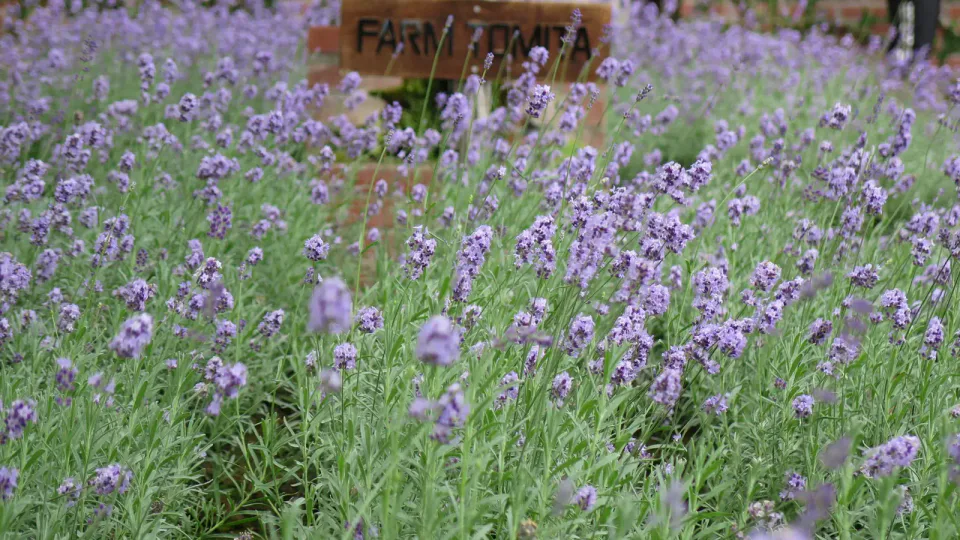
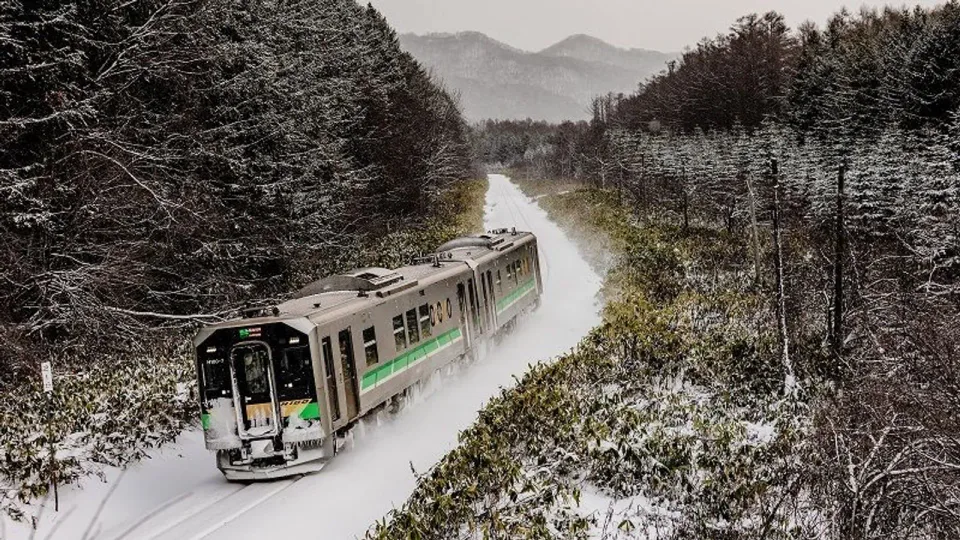
If your targets are Farm Tomita, Nakafurano, the area around Furano Station and the major summer flower fields, rail can handle a large share of the trip. In 2026, JR Hokkaido’s Furano Lavender Express connects Sapporo directly with Furano in about two hours, and the Furano–Biei Norokko links Asahikawa, Biei, Nakafurano and Furano. You can stay one night in Furano and take JR to Biei the next day, or base in Asahikawa and come south on the Furano Line.
The catch is seasonality. The Norokko is scheduled for its final year of operation in 2026, with the last run on September 23; the Furano Lavender Express also runs only on selected dates. A combination that works in July may not exist in October. The biggest mistake in a car-free itinerary is copying someone else’s month instead of checking your own travel date.
The real cost of going car-free: every stop has an exit time
Self-drive freedom usually appears in small decisions, not in “driving 100 extra kilometers.” If the Blue Pond is too crowded, you can go somewhere else first. If clouds clear, you can return to the hills. If you see beautiful farmland, you can stop where parking is legal. Without a car, the next JR train or bus becomes a hard boundary. Stay an extra hour at Farm Tomita or miss the Biei bus check-in and the rest of the day may need to be rebuilt.
Car-free travel works best for people with a short, clear list. If you insist on six to eight stops every day, the problem is not the transport mode—it is the capacity of the itinerary.
Patchwork Road and Panorama Road are where the rental-car value starts to jump
The strongest reason to rent in Biei is often not the Blue Pond—it is the hills. Patchwork Road, Panorama Road and scattered farmland are not single attractions with one entrance and a fixed 40-minute visit. Light, crops and viewpoints change, and you often decide where to stop only after seeing the road. The sightseeing bus is for “I want to complete the representative sights.” A rental car is for “I want the road itself to be part of the trip.”
Self-drive freedom does not mean entering fields, stopping on private roads or crossing restricted areas. Biei is a living agricultural landscape, so flexible travel requires even more respect for parking and farmland rules. The freedom of a rental car is only an advantage when used legally.
Your hotel base can make or break a car-free itinerary
Without a car, I would put hotel-to-station distance ahead of scenery. Staying near Furano Station makes the next-day trip to Biei straightforward; staying near Asahikawa Station gives you more JR options and city dining; a remote resort can add shuttle and taxi costs. For a car-free traveler, a station-area hotel is essentially buying one less transfer in the morning and one less wait at night. The Where to Stay in Furano guide compares those bases directly.
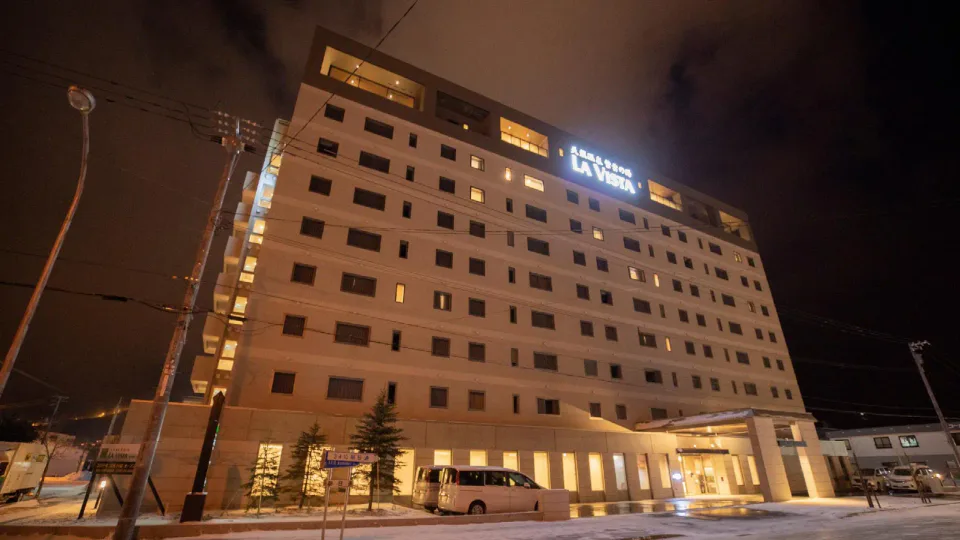
If both Furano and Biei are priorities, the number of nights affects difficulty too. The “one night or two nights in Furano?” decision often comes before the rental-car question. Adding a night and removing one Sapporo round trip can suddenly make the car-free route much more comfortable.
A Sapporo day trip works, but you have to choose one main line
JR Hokkaido even publishes a 2026 sample Furano/Biei route from Sapporo, so the day trip is not a theoretical plan. But you already have a long rail journey in the morning and must return to Sapporo at night. One day should therefore focus on either the Furano flower-field line or the Biei Blue Pond + Shikisai no Oka line. If both are non-negotiable, the usual improvement is not squeezing in one more train—it is moving one night to Furano or Asahikawa.
For families and older travelers, not driving can actually be more comfortable
Not every family benefits from long-distance self-driving. A fixed sightseeing bus hands navigation, parking and route decisions to the driver, so the group can rest. The trade-off is strict meeting times and less room for spontaneous changes. The Biei bus also notes that some parking areas still require around five minutes of walking to the attraction, so older travelers and stroller users should not interpret “there is a bus” as “there is no walking.”
A partial rental is often the most underrated answer
You do not have to choose between “never rent” and “rent for the whole trip.” Take JR to Furano or Asahikawa, rent for only one or two days to cover the Biei hills, scattered farms and photo stops, then return the car and continue by rail. This works especially well for travelers who do not want to drive long distance from Sapporo but are comfortable with short self-drive days near the destination. Let the car handle only the area where it has the clearest advantage. For the wider route decision, our Hokkaido itinerary-by-region guide helps decide which sections actually justify a car.
Final verdict: a car-free trip is a different itinerary, not a weaker self-drive itinerary
Main highlights, willingness to follow fixed times, first visit: car-free is completely viable. Want to roam the hills, chase light, stop at cafes and farms: rent a car. Worried about snow driving or simply do not want the driving load: do not rent just because someone says Hokkaido requires it. If only one or two days truly need a car, partial rental is the most sensible compromise. The key to Furano and Biei without a car is not copying a road-trip checklist onto JR; it is reducing the number of stops, staying near transport nodes and letting the timetable become the structure of the trip.
Japan Autumn Leaves Without Changing Hotels: Tokyo, Sendai, Osaka and Fukuoka Bases
Osaka Solo Travel Itinerary: 7 Days of USJ, Kyoto and Kobe — Without Filling Every Hour
10 Days in Japan: Tokyo, Kyoto and Osaka Without Turning the Trip Into a Transfer Marathon
Ishigaki Private Car Charter: 4–8 Hours, 5-Seater vs 10-Seater, and Hirakubosaki
Okinawa Without a Car? Leave Naha Only If the Second Base Fixes Your Evenings
Sources
JR Hokkaido: 2026 Furano/Biei rail guide, Furano Lavender Express and Furano–Biei Norokko. Biei Tourism Association: 2026 summer sightseeing bus. Images: Farm Tomita, the Furano Line and the area around Furano Station. Information rechecked August 15, 2026. Schedules, operating dates, fares, reservation cutoffs and site rules can change; recheck before travel.