
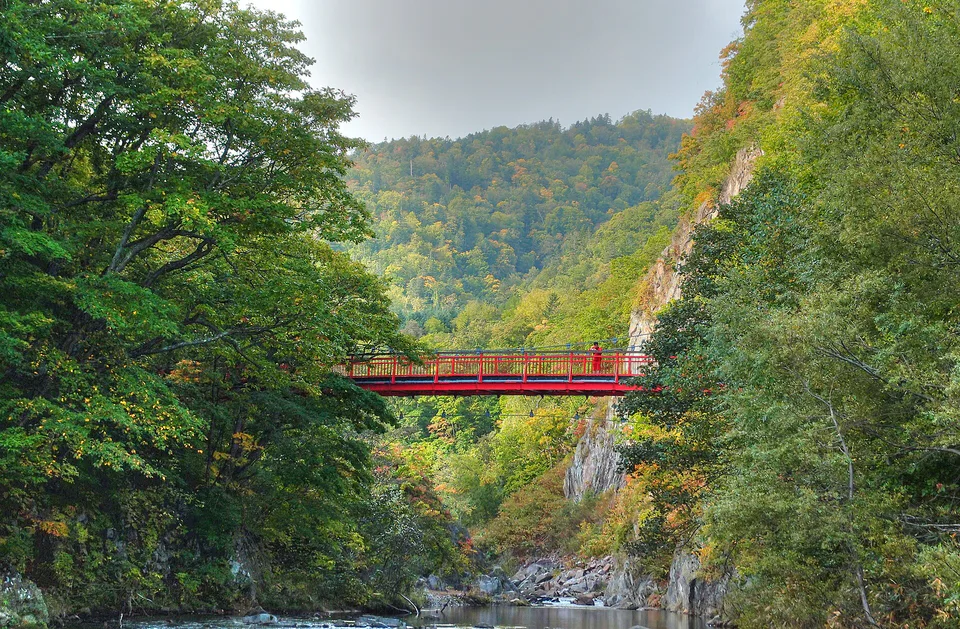
Jozankei is now much easier to plan for autumn 2026 because the official “Five Great Autumn Foliage” buses have been published. The earlier uncertainty around the Koyo Kappa Bus and Hoheikyo Dam Liner is gone: central Jozankei, Hoheikyo Dam, Sapporo Kokusai and the other outer foliage areas now have specific 2026 operating windows. Jotetsu also revised the Kappa Liner on August 25, increasing the October 1, 2026–March 31, 2027 service to 11 trips in each direction.
Those announcements do not mean you should cram more into one day. They make the opposite conclusion clearer. For a Sapporo day trip, choose central Jozankei plus one extension. Stay overnight when the ryokan dinner, onsen, slow morning or a second outer foliage area is valuable enough to justify the hotel change.
Approximate USD conversions below use a late-August 2026 reference rate. Keep JPY as the real price and treat USD only as a planning estimate.
Jozankei 2026 in 30 seconds: day trip or overnight?
↔ Scroll table left or right
Your trip | Best plan | Why |
First visit from Sapporo | Day trip: central town + one foliage bus or one bath | You get the core valley scenery without turning the day into bus transfers |
Want Hoheikyo Dam specifically | Day trip can work if Hoheikyo is the one extension | The 2026 Dam Liner now has a fixed two-hour transport pattern from Jozankei |
Want Sapporo Kokusai gondola specifically | Day trip can work if the mountain is the one extension | The dedicated liner itself occupies about 2h15 from/to Jozankei Tourist Information Center |
Want Hoheikyo + Kokusai + onsen town | Overnight | Two outer areas consume separate transport blocks; forcing both into one day destroys the onsen-town time |
Ryokan dinner / in-room bath is part of the goal | Overnight | The room is buying an evening experience, not merely saving a bus ride |
Early flight or inflexible long-distance train next day | Keep Sapporo base | Autumn road congestion makes the final connection too fragile |
The 2026 foliage buses are no longer “pending”
Jozankei Tourist Association’s current 2026 programme gives each outer foliage area a distinct operating window. That matters because these are not interchangeable shuttles. They differ in duration, ticket structure and what you actually see.
↔ Scroll table left or right
2026 option | Operating window / time | Price | Best use |
Koyo Kappa Bus | Oct 1–21; 09:15, 11:15, 13:15, 15:15; about 70 min | ¥700 per seat (~US$4.40), adult/child same | Easy guided foliage overview from central Jozankei; renewed route includes Sapporo Lake scenery |
Hoheikyo Dam Liner | Oct 3–25; three outbound and three return blocks; about 2 hours from/to the information centre | ¥1,000 round trip (~US$6.30) + electric bus; adult combined ¥2,200 (~US$14) | Reservoir, gorge and dam scenery |
Koyo Gondola Liner | Oct 1–20; about 2h15 from/to the information centre | Bus ¥3,000 (~US$19); adult bus + gondola set ¥4,200 (~US$26) | Aerial mountain colour and altitude change |
Kamui-no-Mori shuttle | Oct 1–31; small-vehicle service, closed Tue/Wed | Free | Fruit/theme-park style outer-area stop when that experience is the actual goal |
The key planning rule is that these services all start from or are organised around the Jozankei Tourist Information Center. Getting from Sapporo to Jozankei is only the first leg; the outer-area bus is a second commitment.
Koyo Kappa Bus: the easiest add-on when you do not want a second logistics project
The 2026 Koyo Kappa Bus runs October 1–21 with four departures a day at 09:15, 11:15, 13:15 and 15:15. Each trip is about 70 minutes, seats 45 people and costs ¥700 (about US$4.40) per seat. Reservations are same-day, first come at the Jozankei Tourist Information Center.
This is the lowest-commitment outer option because it behaves like a contained sightseeing loop rather than a chain of transfers. The route has been renewed for 2026 to include Sapporo Lake scenery, and the local guide structure gives a first-time visitor more context without requiring a car.
The hidden cost is inventory. You cannot lock the seat months ahead. If a specific Kappa Bus departure is the only way your day works, the plan is too brittle. Arrive with a fallback: central onsen town, Futami Bridge, a confirmed day-use bath or an earlier return to Sapporo.
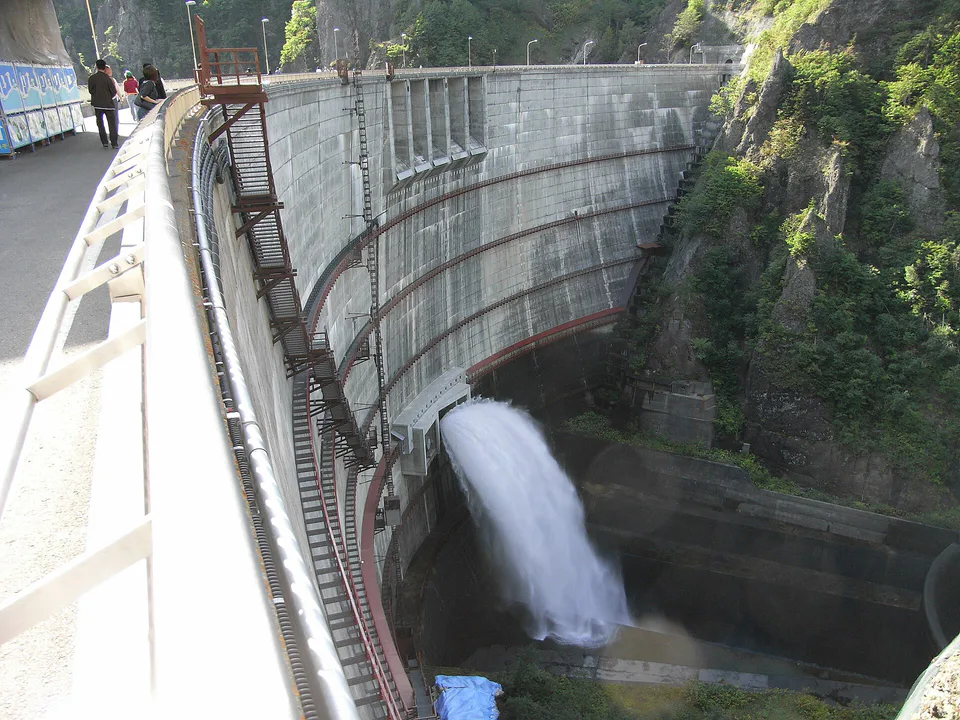
Hoheikyo Dam is now schedulable — but it is still a two-vehicle outing
The 2026 Hoheikyo Dam Liner runs October 3–25. The official schedule currently sends buses from Jozankei Tourist Information Center at 09:30, 11:00 and 12:00, with corresponding returns from the electric-bus parking area at 11:30, 12:45 and 14:00. The liner costs ¥1,000 round trip (about US$6.30), adults and elementary-school children alike; preschool children are free.
That fare does not carry you all the way to the dam viewpoint. The liner ends at the Hoheikyo Dam parking area/electric-bus boarding point. You then transfer to the paid hybrid electric bus because private vehicles are restricted from the core dam area.
↔ Scroll table left or right
Hoheikyo cost | Adult | Elementary-school child |
Dam Liner round trip | ¥1,000 (~US$6.30) | ¥1,000 (~US$6.30) |
Electric bus round trip | ¥1,200 (~US$7.50) | ¥600 (~US$3.80) |
Combined | ¥2,200 (~US$14) | ¥1,600 (~US$10) |
The bigger cost is time. The official liner pattern is roughly a two-hour block from central Jozankei, before you count the original Sapporo–Jozankei journey, lunch, riverside walking or bathing. That is why Hoheikyo should be the outer-area choice on a day trip, not one of several.
Also note the naming trap: Hoheikyo Onsen is not Hoheikyo Dam. A Kappa Liner stop at the onsen does not mean you have arrived at the dam sightseeing area.
Sapporo Kokusai costs more because you are buying two different products
The Sapporo Kokusai autumn gondola itself runs October 1–20, 2026, from 09:30 to 15:30, with last uphill boarding at 15:00. The adult gondola return is ¥1,500 (about US$9.40); elementary-school children are ¥800 (about US$5). Weather can suspend gondola operations.
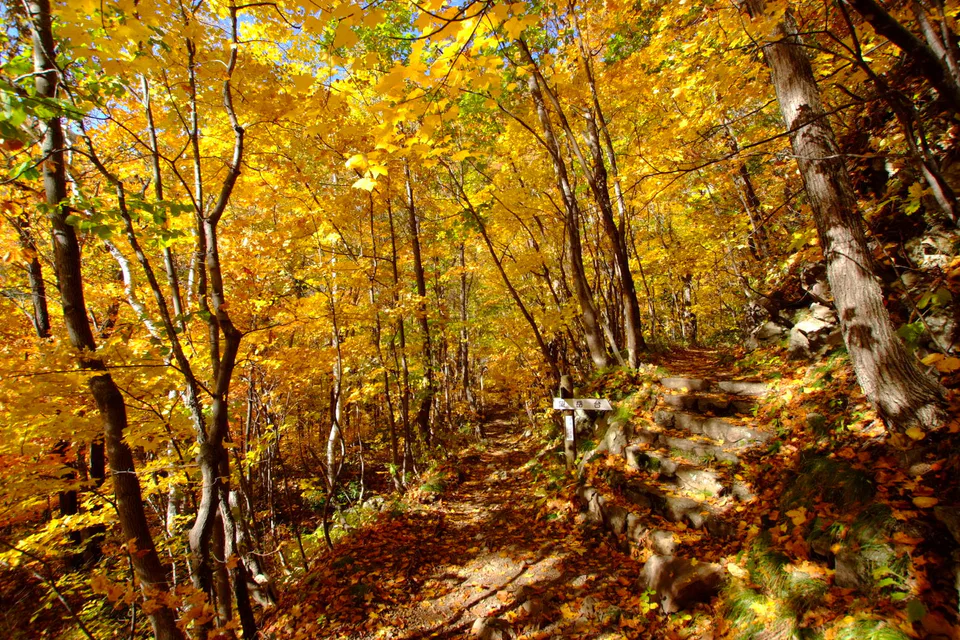
The dedicated Koyo Gondola Liner from Jozankei is separate. It costs ¥3,000 round trip for an adult (about US$19), and the official combined adult bus + gondola set is ¥4,200 (about US$26). The liner’s round-trip block is about 2 hours 15 minutes from Jozankei Tourist Information Center, and passengers return on the corresponding bus rather than treating it as open-ended transport.
That makes Kokusai a stronger choice when the aerial mountain view is itself the attraction. It is poor value if you mainly want one convenient autumn photo and would be equally satisfied with the onsen town. The extra fare is buying altitude, gondola access and a more structured outing.
Central Jozankei still has the highest value floor
The new buses can make central Jozankei look like the “basic” option, but the town has the highest failure tolerance. Futami Park, Futami suspension bridge, riverside paths and the onsen district do not require you to secure a same-day foliage-bus seat. If weather turns, one bath can replace a long outdoor walk. If traffic delays your arrival, you have not missed a single fixed two-hour excursion that justified the whole day.
This is why I would send most first-time day-trippers to the central area first, then add only one confirmed extension. The outer bus should improve the day, not become the condition under which the day counts as successful.
The Kappa Liner changed again on August 25: use the revised service, not an old screenshot
Jotetsu announced another 2026 change on August 25. For the winter timetable beginning October 1, 2026 and running through March 31, 2027, the Kappa Liner was increased to 11 outbound and 11 return services. The current published timetable therefore supersedes earlier versions that showed fewer seasonal trips.
From Sapporo Station to Jozankei/Hoheikyo Onsen, the standard one-way fare remains ¥1,700 (about US$11), or ¥1,460 (about US$9.20) using the advance web fare. Reservations open one month before travel and close at 17:00 the previous day. The service is reservation-based with free seating; online purchase supports the payment methods listed by Jotetsu and the ticket can be shown on a phone.
The new frequency is useful, but it does not remove autumn-road risk. Jotetsu explicitly warns about delays and asks passengers to leave buffer before onward transport. Jozankei Tourist Association separately warns that Route 230 can become congested during peak foliage.
↔ Scroll table left or right
What changed | What it solves | What it does not solve |
11 Kappa Liner services each direction from Oct 1 | More choice for Sapporo–Jozankei travel | Traffic delays and sold-out preferred departures |
Web fare ¥1,460 | Lower booked cost than ¥1,700 standard fare | No guarantee that your outer foliage bus has capacity |
One-month booking window | You can lock the intercity-style bus before travel | Koyo Kappa / Dam / Gondola liners are still same-day first-come systems |
A realistic Sapporo day trip: choose one of three versions
↔ Scroll table left or right
Version | Morning / midday | Afternoon |
Lowest-friction | Central town, Futami Bridge, lunch | Day-use onsen, then reserved Kappa Liner back to Sapporo |
Guided foliage | Central town + same-day Koyo Kappa Bus seat | Short bath or riverside walk, then return |
One outer highlight | Go straight to the confirmed Hoheikyo or Kokusai liner block | Central Jozankei afterward only if the return timing leaves real daylight and energy |
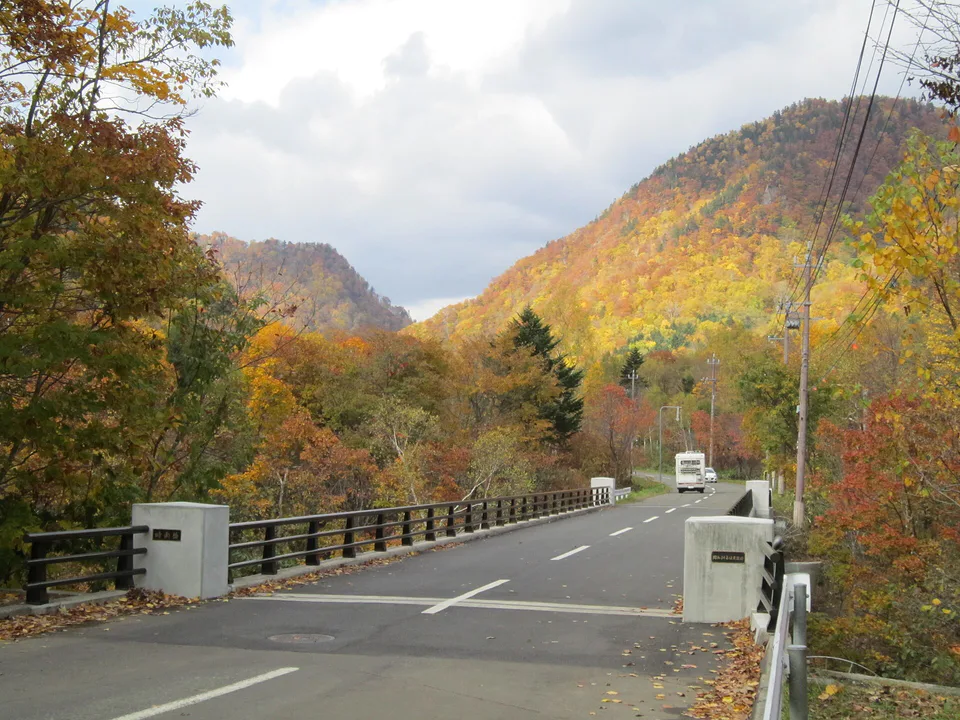
The mistake is combining these versions. Hoheikyo plus Kokusai plus central town plus a long bath looks possible only if you ignore waiting, transfers, lunch, traffic and the requirement to return on designated outer-area buses.
For a Sapporo-based trip, use Sapporo Station, Odori or Susukino to decide the main hotel base first. Jozankei should not create a hotel move unless the overnight experience itself earns it.
When the overnight earns its hotel change
An overnight is not automatically “more complete.” It is worth paying for when it buys at least two experiences that a day trip compresses badly: a proper ryokan dinner, repeated bathing, a quiet evening, an early riverside walk, or a second outer foliage area the next morning.
A clean two-day version is:
Day 1: central Jozankei, Futami Bridge, check-in, dinner and onsen.
Day 2: one outer area—Hoheikyo, Kokusai or another confirmed foliage bus—then return to Sapporo.
That is stronger than doing Hoheikyo late on Day 1 and racing a fixed ryokan dinner. Half-board has a clock. The bus schedule has a clock. Once both are fixed, a traffic delay can turn an expensive hotel meal into the most stressful part of the day.
For ryokan-specific trade-offs, use the Japan ryokan and onsen selection guide. If luggage is the reason the overnight feels difficult, the Japan luggage-forwarding guide can help separate the overnight bag from the main suitcase.
Families, older travellers and limited-mobility groups: delete the second extension first
The central valley can include wet slopes and uneven riverside paths. Hoheikyo adds a vehicle transfer. Kokusai adds a gondola and a fixed bus block. None of those is inherently unsuitable, but each creates another point where standing, stairs, weather or waiting may matter.
For a multigenerational group, the strongest plan is not “see fewer things because you are older.” It is to protect one complete experience. Central Jozankei plus a bath can be more enjoyable than using all available transport simply because it exists. If everyone still has energy, add the Koyo Kappa Bus; if not, the second extension is the first thing to delete.
Weather changes which option has the highest value
Wind can suspend the Sapporo Kokusai gondola. Heavy rain makes riverside slopes and long bridge walks less attractive. Traffic can delay every road-based option, including buses, hotel shuttles, taxis and rental cars.
A useful bad-weather hierarchy is:
Keep the reserved Sapporo–Jozankei transport if road conditions are operating normally.
Keep central-town indoor/onsen value.
Drop the weather-sensitive outer extension first.
If several Hokkaido outdoor days are affected, use the Japan rainy-day itinerary backup guide rather than protecting one sunk-cost foliage plan.
Jozankei Tourist Association says peak central foliage is usually around mid-October, while Sapporo Kokusai tends to peak from early to mid-October. Those are planning norms, not guarantees. Check the current foliage reports shortly before travel.
Final verdict
For most first-time visitors, make Jozankei a Sapporo day trip and choose central town + one extension. The new 2026 Koyo Kappa Bus is the easiest guided add-on; Hoheikyo is the stronger reservoir-and-gorge commitment; Sapporo Kokusai is the stronger aerial mountain-view commitment.
Stay overnight when the room, dinner, bathing and a second morning genuinely add value. Do not stay merely because the 2026 bus network now makes more places reachable.
The biggest planning change since early August is that you no longer need to guess from 2025 transport. The 2026 Five Great Autumn Foliage buses are published, and the Kappa Liner itself was revised again on August 25. Use the current official pages, then check once more before travel in case operating details change.
Next decision: choose your Sapporo base before deciding whether Jozankei needs an overnight