
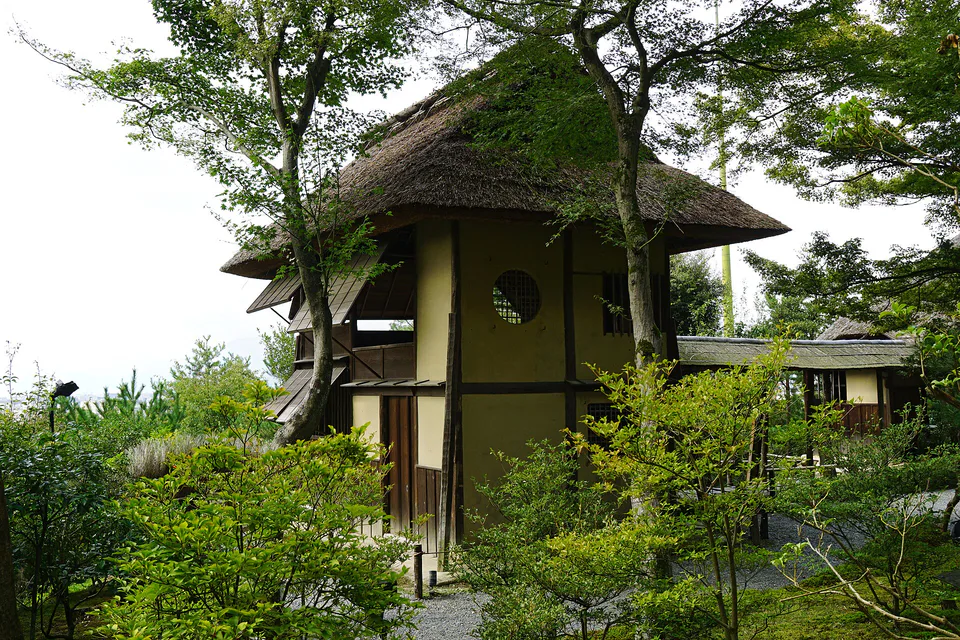
A Kyoto Higashiyama autumn day should not treat Kiyomizudera, Kodaiji, Nanzenji, Eikando and the Philosopher’s Path as one compact neighbourhood. Kiyomizudera, Kodaiji, Yasaka Shrine and Gion form southern Higashiyama; Nanzenji, Eikando and the canal path form the north. Most travellers should choose one district, two or three paid temples at most and one evening event in the same direction.
Kyoto Higashiyama autumn leaves itinerary: choose southern or northern Higashiyama first
Choose the south for a first Kyoto visit, Kiyomizudera, preserved streets, kimono photography and a Gion dinner. Choose the north for temple maple gardens, the Nanzenji aqueduct, Eikando and a calmer walking rhythm. Older travellers, families and anyone with knee or balance concerns should use one district, one or two paid admissions and a seated lunch. Combining north and south is a compressed specialist route, not the default one-day itinerary.
Southern Higashiyama: Kiyomizudera, Kodaiji and Gion
Aim to reach the Kiyomizudera approach around 06:15–06:30. The early opening creates a more manageable visit, not an empty temple: photographers, nearby hotel guests and other early planners still arrive together. From Kyoto Station, use a short taxi or JR to Tofukuji followed by Keihan; from a Gion hotel, walk or use a short taxi. Kiyomizu-Gojo avoids the station bus queue but leaves a long uphill approach.
Descend Ninenzaka and Sannenzaka from about 08:00, allowing time for photographs and breakfast without sacrificing the morning to one famous café. Wet stone is slippery, and geta, strollers and sore knees make the slope substantially harder. Reach Kodaiji around 09:30 and allow at least seventy-five minutes for the garden, bamboo and steps. Then choose Entokuin for a compact garden and rain cover or Yasaka Shrine for a free continuation to Gion.
Keep noon to about 15:30 for lunch, Gion and a seated break rather than adding another major temple. On an illumination day, eat between roughly 16:00 and 17:00 and attend either Kodaiji or Kiyomizudera. Day admission should never be assumed to include evening entry. As of early August 2026, some autumn night-programme details still require final confirmation from each temple.
Three exit rules for the southern route
Exit after Kiyomizudera when the lanes are already overloaded, rain is heavy or a companion’s knees are deteriorating; continue to Yasaka and Gion without Kodaiji. Exit after Kodaiji when lunch queues exceed forty-five minutes; remove Entokuin and rest. Exit before the evening event when tickets are unavailable, the line exceeds the agreed limit or weather is worsening; use an early dinner, Yasaka Shrine and the Kamo River instead of an unofficial resale ticket.
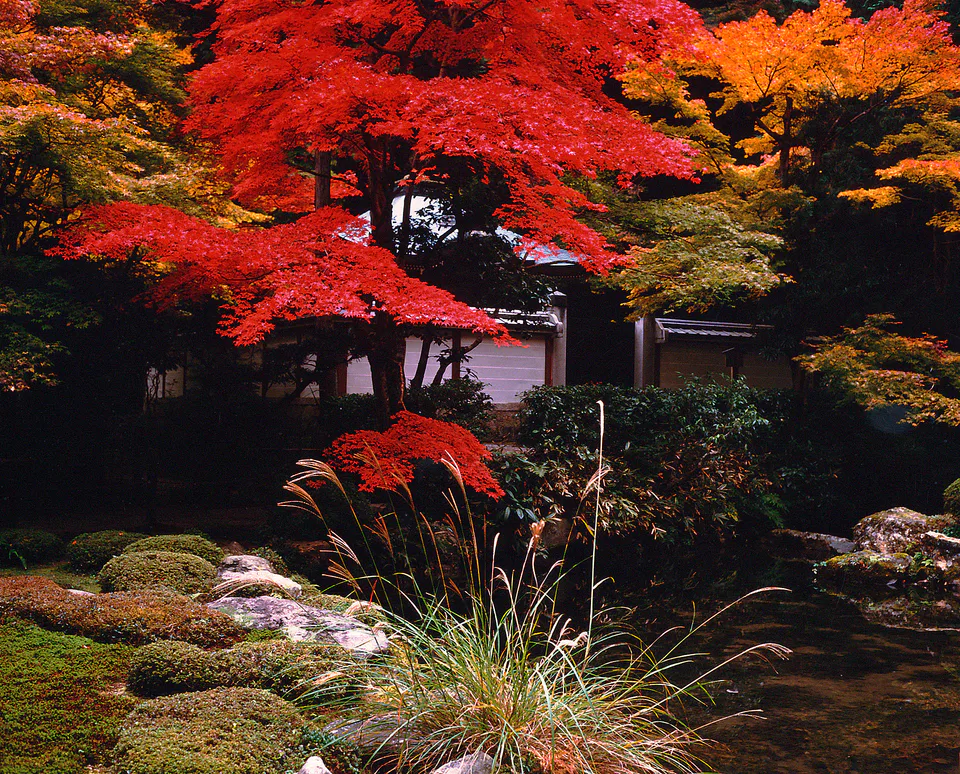
Northern Higashiyama: Nanzenji, Eikando and a short canal walk
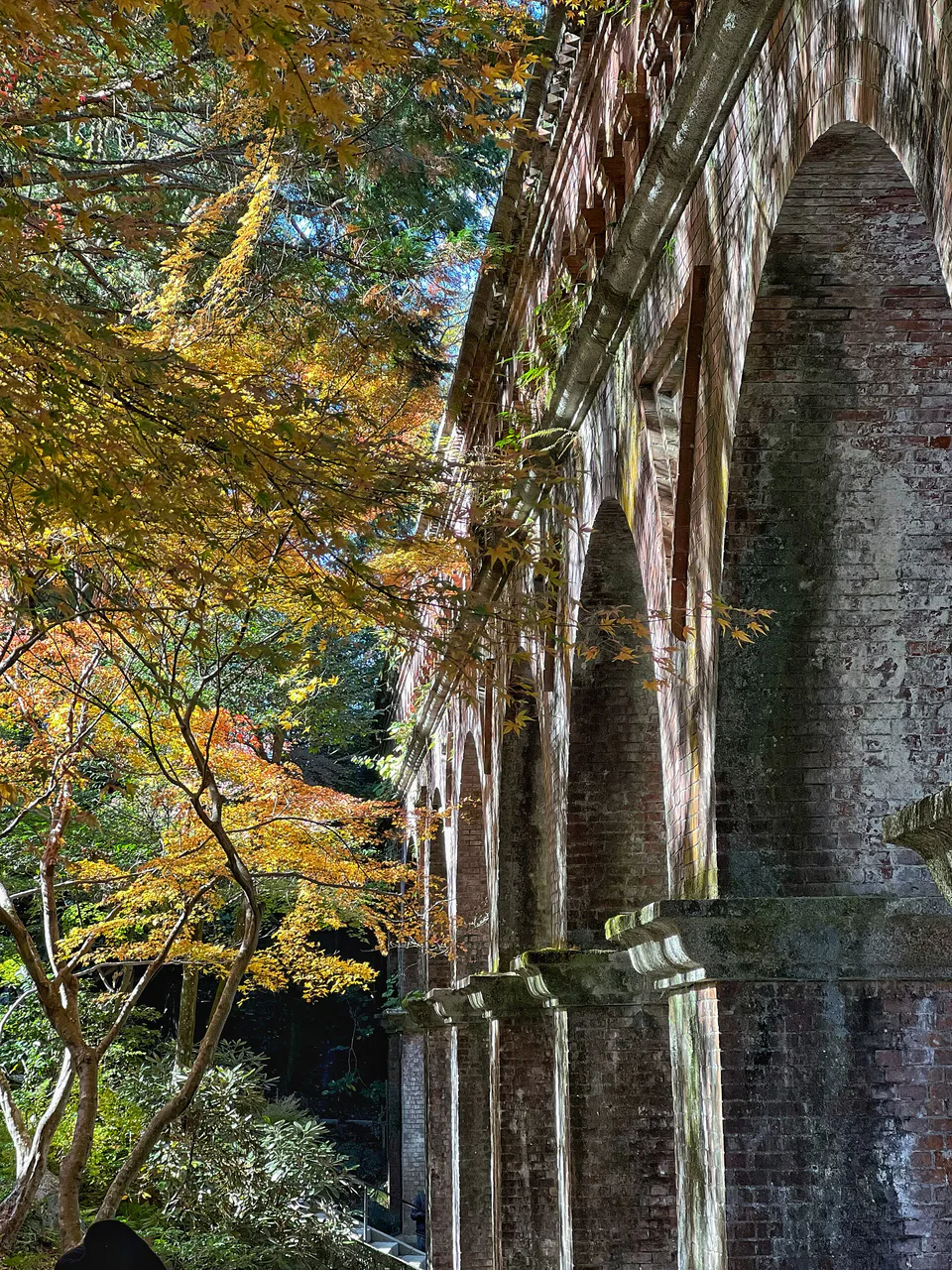
Keage on the Tozai subway line is the most reliable entrance. Begin around 08:00 with Nanzenji’s outer grounds and aqueduct, then choose only one or two paid sections after opening. Older travellers can keep the grounds and Hojo and skip the Sanmon climb. Different sub-temples and tree types change at different speeds, so one live photograph cannot represent the whole complex.
Move to Eikando around 10:30–10:45 and allow at least ninety minutes for the entrance queue, indoor route, garden and slower visitors. When the wait exceeds an hour, use another Nanzenji area, Okazaki Park or the Kyoto City KYOCERA Museum surroundings instead of losing the lunch window while standing. This is a capacity decision, not a judgement that Eikando is unworthy.
Walk only one useful section of the Philosopher’s Path in the afternoon, such as Eikando to Honen-in or Honen-in to Ginkakuji. The path offers a quieter transition and small neighbourhood scenes; it is not a continuous tunnel of red maples. If an official Eikando night programme is announced, leave for an early meal and rest before joining the separate evening process.
When the compressed south-and-north route is defensible
A compressed route can use 06:15 Kiyomizudera, a short preserved-street descent, one Kodaiji priority, Keihan and subway to Keage, Nanzenji around noon and Eikando after 14:00, followed by one northern evening event. Delete the next paid stop after any thirty- to forty-five-minute delay. This itinerary is unsuitable for kimono, strollers, young children, seniors, rain or a first visit because it leaves no recovery time.
Rail and subway first; buses only for the last mile
Use Keihan stations and walking in the south and Keage subway in the north. For a north–south transfer, Keihan to Sanjo plus the subway is normally more reliable than crossing central Kyoto by bus. A taxi is useful for four people, rain or an uphill mobility problem but remains exposed to road congestion. When the day has only two or three paid transport rides, an IC card is usually simpler than distorting the route to recover a day-pass price.
Hotel base, luggage and international booking friction
Kyoto Station is strongest for the Shinkansen, Nara, large luggage and forwarding, but still requires a transfer for an early Higashiyama start. Shijo-Kawaramachi or Gion is best for southern walking, dinner and a shorter night exit. Karasuma Oike offers direct Tozai subway access to Keage and is the balanced northern base. Osaka Umeda can reduce accommodation cost but removes the midday hotel break and adds a last-train decision after illumination.
Leave large luggage at the hotel, a staffed storage point or forward it to the next city. Do not take a suitcase onto Kiyomizu-zaka, temple gravel or the Philosopher’s Path. For machiya and small inns, confirm English check-in instructions, reception hours, luggage acceptance, soundproofing and curfew. A beautiful room that cannot store luggage before a 06:00 departure creates more friction than a plain station hotel.
Kimono, seniors, families and photography
Many kimono shops open too late for a 06:15 Kiyomizudera arrival. Visit the temple in ordinary footwear and change later, or limit the dressed route to Kodaiji, Yasaka and Gion. Confirm return time, rain policy, warm outer layer, hair removal and luggage. Seniors need a seated break every sixty to ninety minutes and should treat night entry as optional. Families should alternate temples with Yasaka Shrine, Maruyama Park or an Okazaki public space and avoid the latest night slot.
Foliage, rain, sold-out tickets and fatigue backup
Kiyomizudera is still green: keep the architecture and morning streets and move the foliage priority to a confirmed site. Eikando has passed peak: use other Nanzenji sections, Okazaki or Kyoto Gyoen rather than crossing the city for one tree. Heavy rain: remove the canal path, Sanmon climb and long stone stairs and retain Hojo gardens, Entokuin and indoor rest. Night tickets are sold out or unannounced: use Gion dinner, Yasaka Shrine or another officially confirmed event. A companion develops pain: remove the second paid temple immediately and take a short taxi to the hotel.
Official checks before travel
Check the Kyoto Tourism Comfort Map, the Kiyomizudera official site and the Eikando official site for 2026 admission, night-entry and photography rules.
Compare Higashiyama accommodation
Compare Higashiyama hotels on Booking.com
Compare Higashiyama hotels on Expedia
Related planning
Kyoto autumn timing and map | Eikando, Nanzenji and Philosopher’s Path route | Kyoto autumn hotel bases
If Higashiyama weather turns poor or you want to reduce temple fatigue, Okazaki gives you an indoor alternative. Check whether YBA & BEYOND Kyoto is worth going beyond the Damien Hirst name before giving the exhibition a full block of the day.