
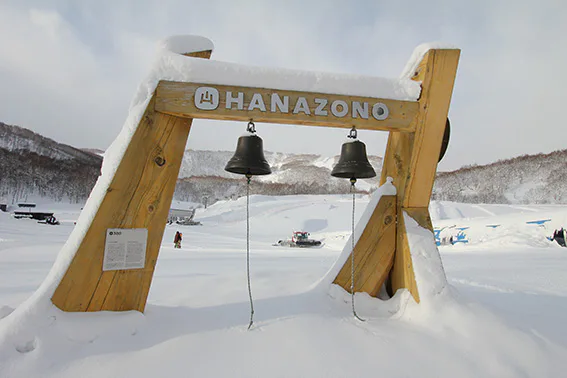
A ski-in/ski-out label is not enough to make a booking decision in Niseko. Verify departure and return separately: the door used after gearing up, the marked run or lift it joins, the exact route back, and what happens when snow or a lift changes the route. This is a verification checklist, not a hotel ranking. For named properties, start with the true Niseko ski-in/ski-out hotel comparison.
The 30-second answer: check these seven things
Which hotel exit is actually used after guests put on boots and collect gear?
Which marked run or lift does that exit genuinely join?
Can guests ski back on a marked route, or only ski out?
Are there roads, stairs, car parks, slopes or ordinary boot walking?
Can the weakest skier, a child or a snowboarder use the same route?
Can wind, low snow, early/late season or lift hours disable the connection?
Does the locker, rental and ski-valet route actually sit between your room and the snow exit?
If you have not chosen a Niseko base yet, the Where to Stay in Niseko guide should come before this checklist because Hirafu, HANAZONO, Niseko Village and Annupuri create very different final-mile problems.
Check 1: Which exit is actually used for ski-out?
Confirm whether fully equipped guests use the lobby, ski room, side entrance, basement, residence wing or another building. “Direct access” can apply to only one wing or room category. Ask the hotel to name the winter exit and explain whether every building uses it. If the answer involves stairs, an ordinary road or carrying equipment to another structure, classify the access accordingly instead of forcing it into a ski-in/ski-out label.

For an Upper Hirafu example, the MUWA Niseko review shows why the building, ski room and actual slope relationship matter more than the word “Hirafu”.
Check 2: Which marked run or lift does ski-out join?
Snow beside a hotel is not automatically managed ski terrain. Match the hotel exit to a current official piste map and identify the first marked run or lift, its difficulty and operating hours. A private snow path, car-park edge or unmarked shortcut should not be presented as a normal public piste. Beginners should also check whether the lesson meeting point is on the same side of the resort; the lift pass, rental and lesson guide helps connect the accommodation decision to the first ski morning.
Check 3: Can guests genuinely ski back?
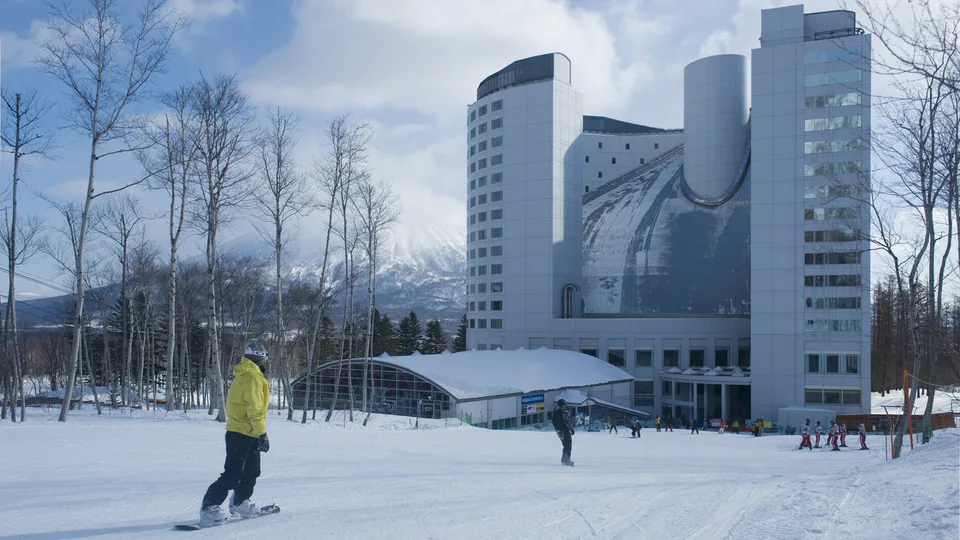
Departure and return often use different terrain. Ask which marked run returns to the property, where the last turn ends, whether the route is beginner-suitable and what time it closes. A hotel can offer excellent ski-out while the practical return ends near a lift base or requires a walk. If the route depends on soft powder or a low connector, the experience can also change through the season. Use the Niseko powder guide to separate snow depth from actual surface and route quality.
Check 4: Are there roads, stairs or ordinary walking?
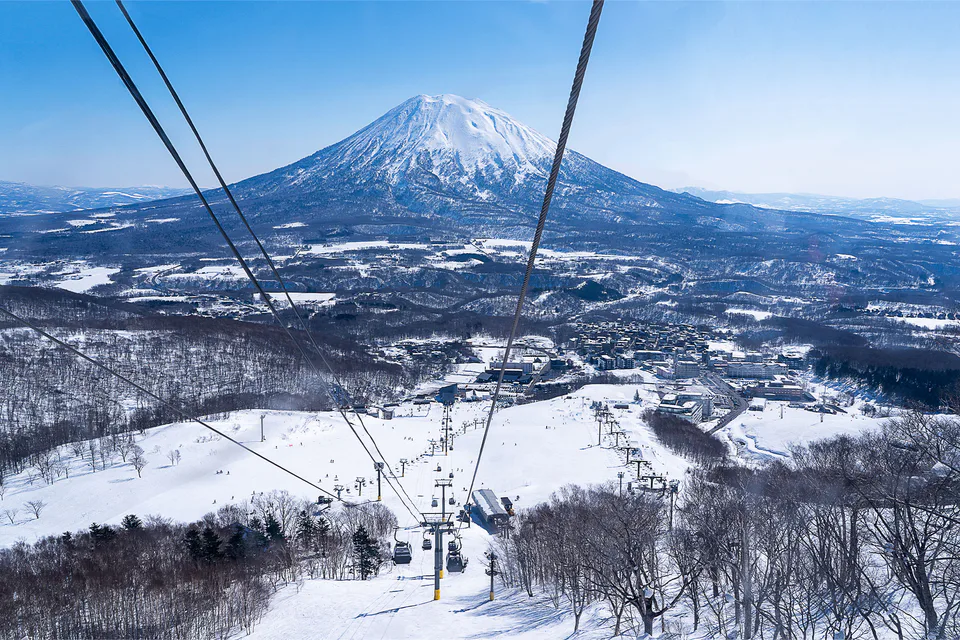
Eighty metres in ski boots with a child’s equipment is not the same as eighty metres in normal shoes. Check public roads, private drives, pavements, stairs, underpasses, climbs and descents. A hotel can still be a good choice with a short walk, but the walk should be described honestly. Families comparing space and transport should also read the Niseko family apartment guide because a larger residence can create more equipment carrying even when the room itself is better.
Pair this with
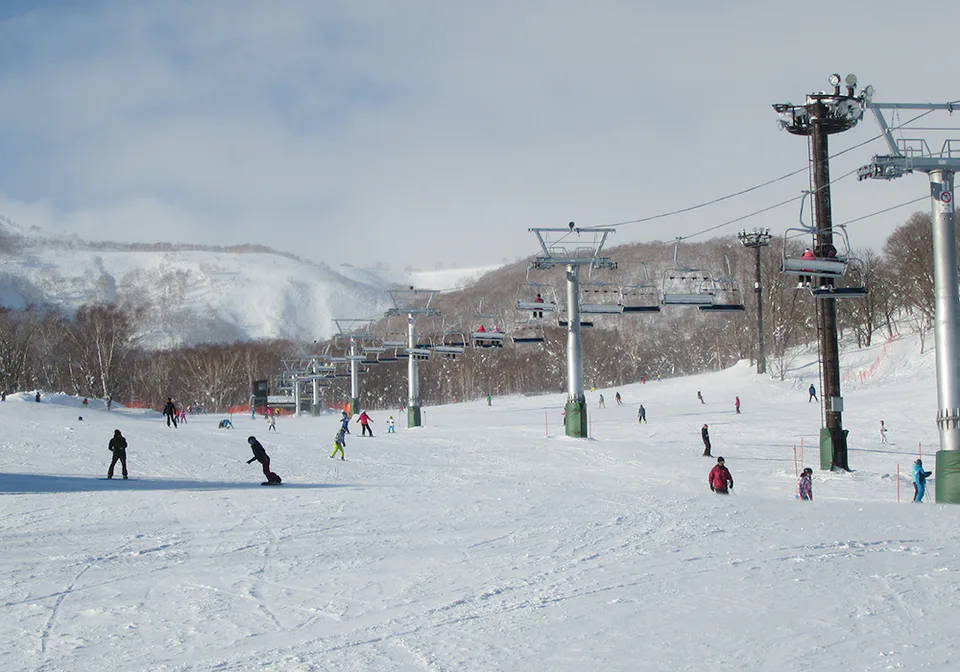
Before you keep comparing hotel labels, pair this checklist with the Grand Hirafu ski guide, the New Chitose Airport to Niseko guide and the Niseko cost and booking timeline. A slope-access premium only makes sense when the hotel also works with the airport transfer, lesson schedule and total trip budget.
Check 5: Can beginners, children and snowboarders use it?
A route that works for a confident skier may fail for a first-day rider. Verify difficulty, narrow finishes, flat traverses, small climbs, lesson pickup and whether snowboarders must unstrap. Choose based on the weakest traveller, not the strongest. For mixed groups, a central hotel can sometimes beat a technically more direct property if it simplifies lessons and evenings.
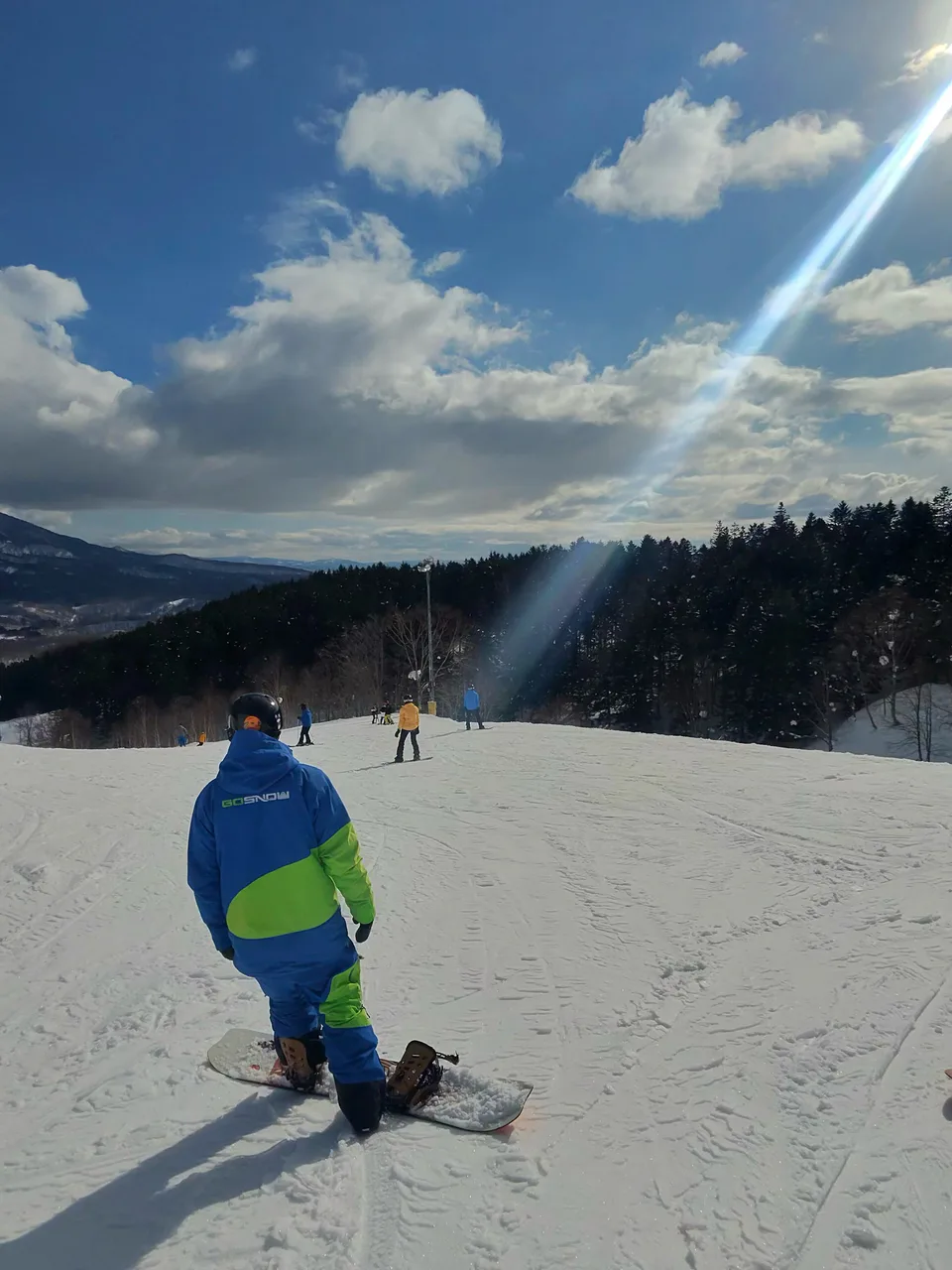
If only some people in the group will ski every day, compare the hotel against the Niseko non-ski activities guide rather than paying a slope premium that half the group cannot use.
Check 6: Can snow, lifts or weather disable the route?
Hotel access is an operating route, not a permanent building feature. Early December, late March or spring snow, wind, grooming, lift hours and night-ski operations can all change the connection. Niseko United currently plans the 2026–27 night-ski period from 12 December 2026 to 22 March 2027, but the route you need can still close on a particular day. Always check the official lift-status page and ask the property what fallback transport exists.
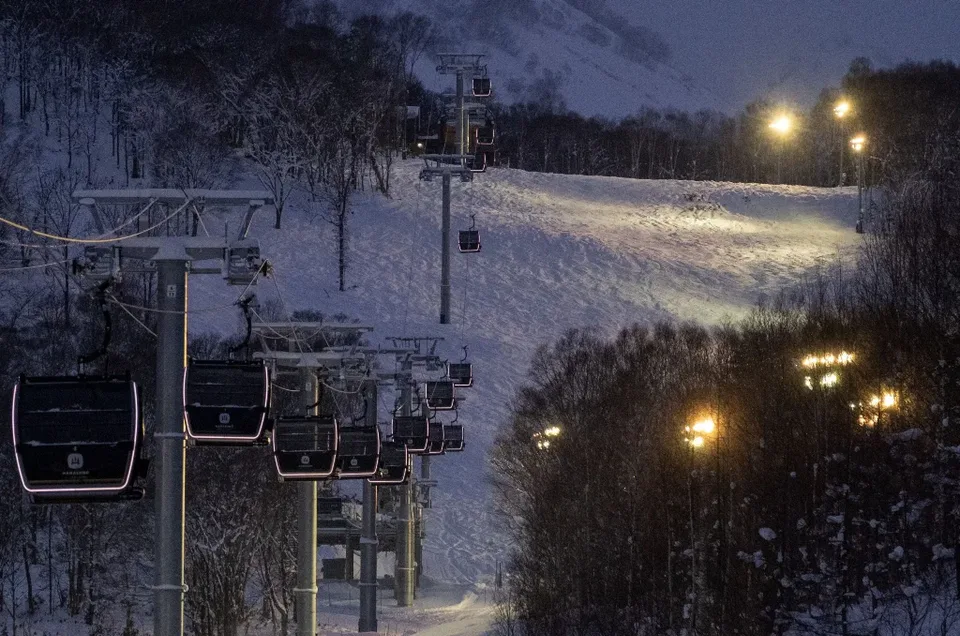
A six-night stay is more resilient than a two-day powder chase because one restricted day does not define the holiday. The complete Niseko ski trip guide explains how to build that weather margin into the trip.
Check 7: Is the locker, rental and gearing route actually convenient?
Check the locker location, boot drying, ski valet, rental handoff, overnight storage, elevator use, lobby crossing and snowboard space. Ski valet proves service, not slope location. The best setup lets guests move room → gear storage → rental or valet → snow without repeating long corridors, lifts or another building. This matters most for families because the route is repeated several times a day.
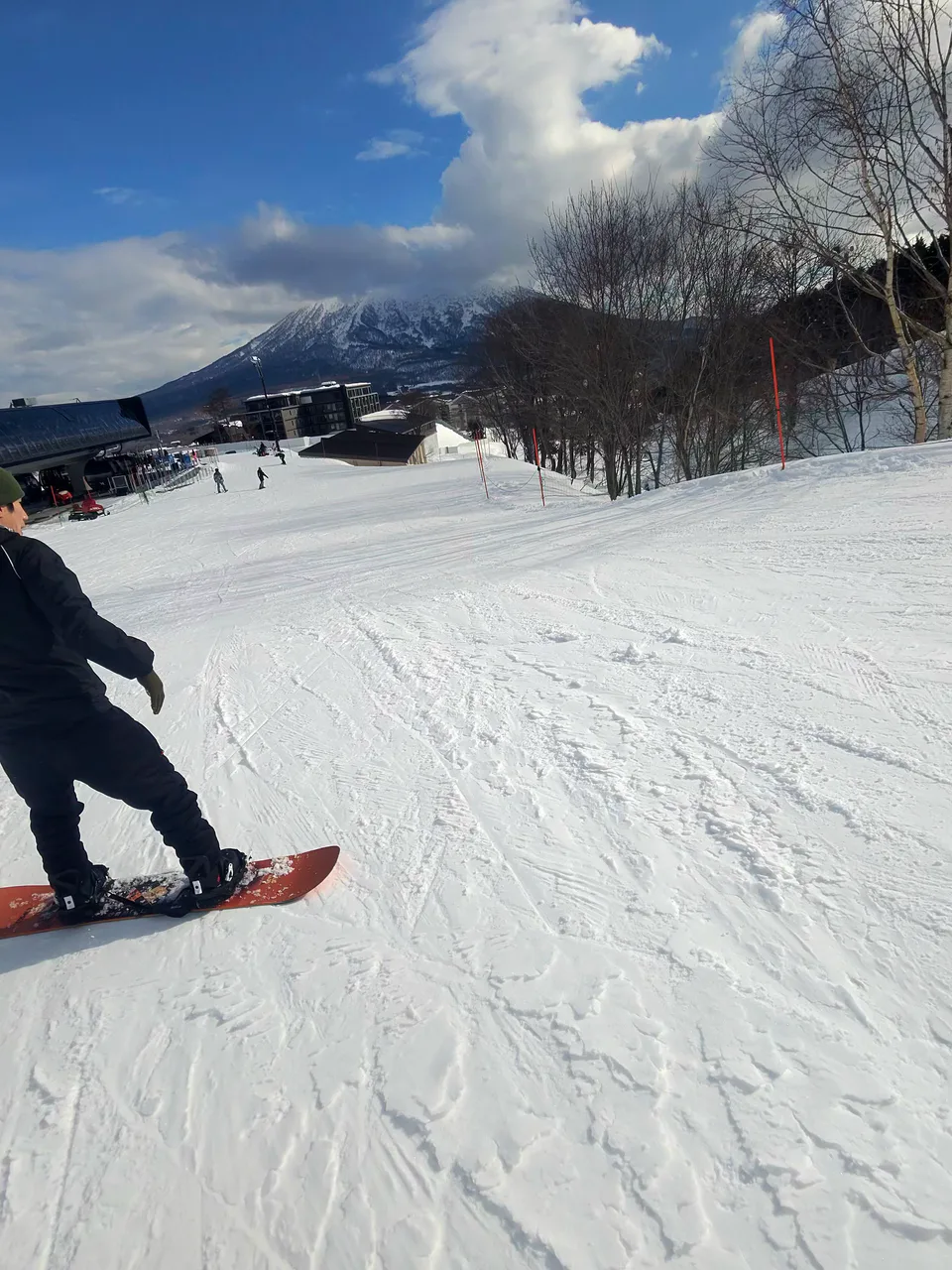
If the property includes an onsen, the Japanese onsen etiquette guide is useful for first-time visitors who are also judging whether hotel wellness facilities will be used after skiing.
How to verify a claim with official sources
Read the hotel’s Ski Access, Winter, Ski Concierge, Ski Valet, Rental, FAQ and property-map pages. Then use the official Niseko piste map to locate the property, marked run, nearest lift, return route and ski-area boundary. Satellite or street imagery can identify roads, stairs and entrances but cannot prove a winter piste. Ask the hotel for the route in writing and reconfirm before arrival because snow and lift operations can change.
For travellers comparing several bases, the Hokkaido itinerary by region helps decide whether the Niseko premium is justified by the number of nights you will actually spend there.
What should you ask the hotel?
Which exit do fully equipped guests use for ski-out?
Which marked run is used to ski back, and is it beginner-suitable?
Do guests cross a public road, car park or ordinary pedestrian route?
Where do snowboarders have to unstrap?
What happens when a return run or key lift closes?
Do all room categories and buildings use the same snow exit?
Booking-page red flags
Pause when a page says only “ski access”, gives only a lift distance, proves ski-out but not ski-back, uses a summer map, omits the guest exit, requires an unexplained road or stairs, depends on an intermediate return, works only within limited operating hours, applies to one building only, places lockers far away or cannot name the return run. A red flag does not make the hotel bad; it means the access should be reclassified.
Three quick verification cases
Case 1: direct ski-out but the return ends at a nearby lift—one-way access. Case 2: the piste is 80 metres away across a public road—short-walk access, not direct. Case 3: the ski room is in another building—verify which rooms and entrances share the marketed access. These examples are classification tools, not hotel ratings.
Final pre-booking checklist
Do not book on the label alone. Record the exact exit, marked departure route, marked return route, every walking obstacle, the weakest traveller’s ability, operational dependencies and the locker-to-snow sequence. Save the hotel’s written reply and reconfirm during the stay. If dinner logistics affect the decision, check the Niseko food guide before choosing a slope-side hotel far from the restaurants your group actually wants.
Compare true ski-in/ski-out hotels in Niseko
Frequently asked questions
Does ski-out mean I can ski back?
No. Departure and return can use different terrain, lifts and operating hours, so verify both directions separately.
Does a shuttle count as ski-in/ski-out?
No. A shuttle can be an excellent fallback, but it is transport rather than direct ski access.
Are ski-in/ski-out hotels good for beginners?
Yes when the return route is genuinely beginner-suitable and lesson logistics work. The weakest skier should control this part of the booking decision.
Can access fail in early or late season?
Yes. Low connectors and private snow paths may not operate even when higher terrain is open, so check the exact route for your dates.
Can Google Maps prove ski-in/ski-out?
No. Maps can reveal roads and buildings, but only current winter information, the official piste map and the hotel can confirm a usable snow route.
Hakone Loop Before Check-In or After Checkout? The Best Order for a One-Night Ryokan Stay
Wait Until 40 Minutes Before Sunset: When Mojiko Retro Observation Room Is Actually Worth ¥600
Yamagata Castle Guide 2026: Get the Stamp Before Kajo Park’s 10 PM Closing Time
Does Your Phone Support a Japan eSIM? Model, EID and Carrier-Lock Checks
Maidreamin Fukuoka Tenjin: ¥880 Entry vs ¥3,800 HYPER — Check the Night System Before You Go
References
Niseko United — official piste map, 2026–27 operating dates and live lift status. Property-specific claims should be reconfirmed with the hotel because exits, lifts and snow routes can change.