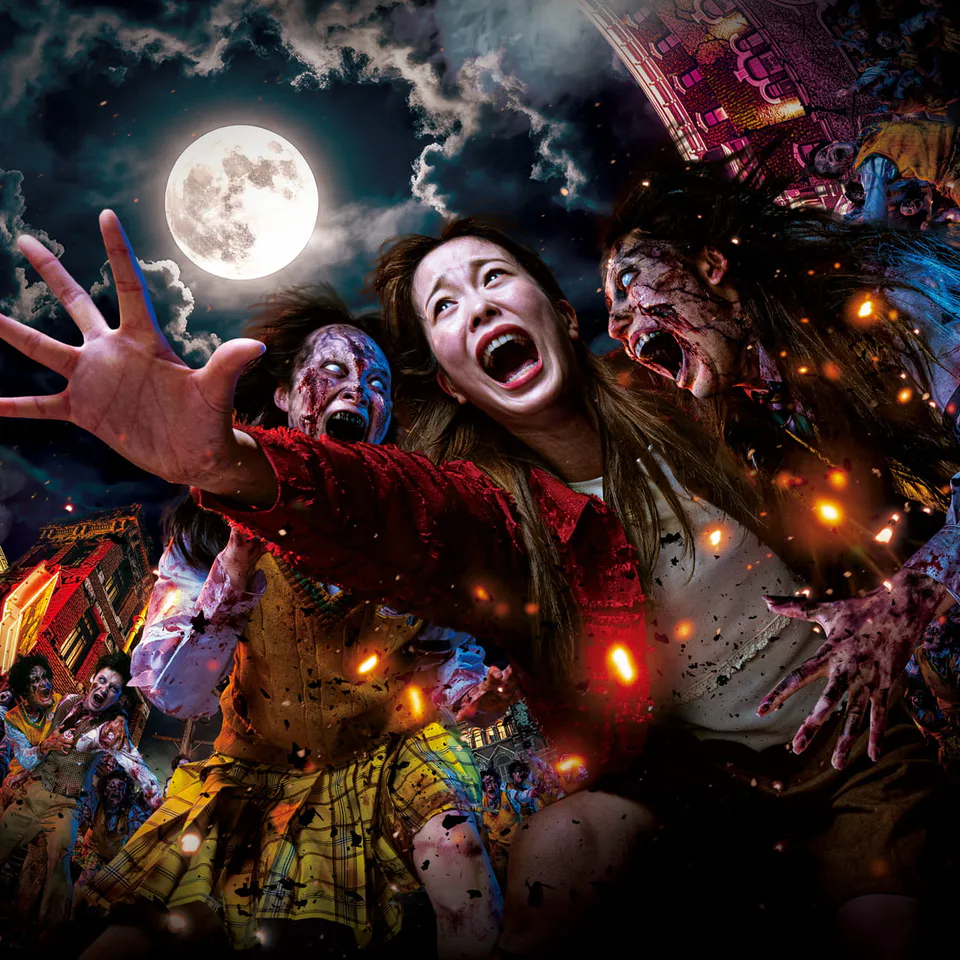

A strong USJ Halloween 2026 one-day itinerary is built around fixed commitments, energy and the journey home—not around clearing the largest possible number of rides. Before the park opens, decide which ticket windows cannot move, which daytime attraction is the morning anchor and whether Horror Night is a guaranteed part of the day or an optional extension. The USJ Halloween 2026 main guide should settle the overall event dates and programme first. This page turns that framework into a practical opening-to-night route.
Before breakfast: build one timeline for every fixed ticket
Put the Studio Pass date, Express Pass windows, timed-entry eTickets and any Halloween-specific product into one chronological list. The USJ Tickets and Express Pass guide explains which product solves admission, queue time or access. If your date is still flexible, compare the best USJ Halloween dates before paying for non-refundable extras. A good schedule has walking buffers between appointments; it does not assume that two time windows ten minutes apart are automatically compatible.
Arrival: solve app access, bags and the first decision before entering the crowd
Have the official app logged in and the day's ticket products available before you reach the gate. Large luggage should stay at the hotel or appropriate storage rather than becoming part of every queue. If a costume needs several accessories, make sure it can be simplified without a long changing process; the USJ Halloween costume-rules guide is the pre-trip check. Your first hour should be spent using the park, not fixing a ticket login or carrying a prop you already regret.
Opening to 10:30 a.m.: choose one anchor and finish it
Pick one attraction or area that would make the morning feel successful even if waits rise later. Finish that anchor before following short wait times across the park. Families should use the USJ Halloween with kids guide to decide whether the daytime visit is already the main event. Adults planning the evening should pre-sort eligibility through the Horror Nights attractions and age-limits guide so that a later age restriction does not force a last-minute group split.
10:30 a.m. to noon: use nearby attractions, not a park-wide scavenger hunt
After the morning anchor, stay within a nearby cluster unless the next fixed booking requires movement. This is the easiest period to waste by chasing every attractive wait time on the app. A twenty-minute queue on the other side of the park may cost forty minutes once walking, restroom stops and a group that moves at different speeds are included. Keep one low-priority attraction in reserve for later instead of trying to consume all value before lunch.
Lunch: eat before hunger becomes the schedule
An early meal is one of the highest-return choices on a Halloween day. It creates a controlled reset before the afternoon ticket windows and makes the 5–6 p.m. transition easier. Use the meal to review live waits, charge phones, confirm the meeting point and decide whether everyone still wants the same evening. The point is not to predict the quietest restaurant minute; it is to avoid starting the next fixed attraction hungry and already behind.
12:30 to 3 p.m.: fixed windows outrank optional rides
Treat every timed product as an appointment with a walking buffer. If a window begins at 14:00, do not start a discretionary long queue at 13:35 simply because the posted wait looks manageable. A missed paid window is more expensive than skipping one ordinary ride. If you are holding several ticket products, return to the ticket-buying guide rather than guessing which one can be moved.
3 to 5 p.m.: deliberately lower the pace before Horror Night
The instinct is to maximise the final daylight hours. The better strategy is often the opposite: complete one useful attraction, refill water, sit down and make sure dinner will not collide with the evening. If your entire trip revolves around the overnight special event, stop using this ordinary-day template and switch to the Halloween Horror Nights All Night plan because the hotel date, under-18 rule and 5 a.m. exit create a completely different product.
Pair this with
At the midpoint of the day, pair the park itinerary with USJ Horror Night last-train planning and Where to Stay for USJ Halloween. The latest sensible queue is determined by your final walk, station crowd and transfer chain, not by park closing time alone.
5 to 6 p.m.: finish everything that becomes harder after dark
Eat or secure a substantial snack, use restrooms, refill water, put away unnecessary costume pieces and decide whether every traveller is staying. Street Zombies begins from 6 p.m. on the current schedule, so the park atmosphere changes quickly. This is also the point to set a hard exit trigger: a train time, a child's energy limit, a final paid attraction or a latest departure from Universal City. Without that trigger, every extra queue feels harmless until several delays accumulate at once.
After 6 p.m.: use one horror anchor plus one flexible layer
Choose one must-do horror experience as the evening anchor, then use Street Zombies or another flexible programme around it. The Horror Nights attraction comparison helps separate strict age limits, timed entry and language-heavy products. After the anchor, check the time and route home before adding another long queue. A night with one excellent horror attraction and a clean exit is stronger than a three-attraction plan that ends in a transport panic.
If the group splits, create one reunion point and one fallback time
Different age limits or scare tolerance can split a group after dark. Do not rely only on live messaging inside a crowded park. Choose a physical reunion point and a fallback time before separating. Families using Child Switch or adults entering an age-restricted horror product should know which person has the child's belongings, who has the hotel key and what happens if one queue runs much longer than expected. This prevents a small delay from becoming a search problem.
A Universal City hotel changes the economics of the last hour
When the hotel is beside the park, the final hour has more usable value. Compare THE SINGULARI HOTEL and the Park Front Hotel if USJ is the trip's main purpose. Proximity can buy a costume reset, easier luggage handling and the option to leave the park without converting the evening into several more transfers.
Central Osaka can still be the better base for the whole trip
A park-side hotel is not automatically the best answer when USJ is only one day. Use the Osaka area guide and Namba vs Umeda to judge the remaining Osaka days. A rail-heavy Kansai route may favour Umeda; the Hotel Hankyu RESPIRE OSAKA guide shows the trade-off between an easier wider trip and a less convenient post-USJ return.
Shin-Imamiya and southern Osaka can work when airport and city logistics matter more
If USJ is one part of a longer Osaka stay, a different transport axis may be more useful. The OMO7 Osaka guide is an example of choosing a base for the whole trip rather than only the final park hour. The trade-off is that your evening cutoff should be earlier and more conservative than it would be beside Universal City.
Weather should shorten the plan before it destroys the night
Rain changes walking speed, costume comfort, queue fatigue and the attractiveness of outdoor street programming. Do not preserve every planned stop simply because tickets were purchased. Keep fixed products that remain operational, remove low-priority cross-park movement and protect dry rest time. If a weather change makes the evening less appealing, leaving with a complete daytime visit is better than forcing several miserable hours because the original spreadsheet said Horror Night ended later.
The next morning belongs in tonight's exit decision
If this is your first Japan trip, avoid treating USJ as an isolated 16-hour challenge. The Kyoto vs Osaka comparison and the 10-, 12- or 14-day Japan itinerary help decide whether the next morning is a transfer, a temple day or a recovery block. Leaving USJ thirty minutes earlier can be a very good trade when it protects a much more valuable next day.
A practical full-day sequence
Before entry: tickets, app, bags, costume and one morning anchor confirmed.
Opening–10:30: complete the anchor; avoid unnecessary cross-park movement.
10:30–12:00: use nearby attractions and keep the next fixed window protected.
Around noon: early meal, phone charging, restroom and schedule review.
12:30–15:00: timed products outrank optional rides.
15:00–17:00: lower pace, rest and prepare the evening.
17:00–18:00: food, water, restrooms, meeting point and exit trigger.
After 18:00: one horror anchor, one flexible layer, then reassess before every new queue.
Final verdict
The best USJ Halloween one-day itinerary protects the parts that cannot move and leaves everything else flexible. Finish one morning anchor, eat before the rush, honour fixed ticket windows, deliberately slow down before 6 p.m., then use one horror attraction as the night anchor. Stop adding queues when transport, fatigue or the next morning becomes fragile. A successful day is not measured by attraction count; it is measured by how many high-priority experiences you completed without letting the final two hours undo the rest of the trip.
Osaka Cultural Itinerary: 7 Days of Sumo, Tea Ceremony, Samurai and Sake — With One Night in Kyoto
Osaka 5-Day Itinerary: Give USJ a Full Day — Namba, Umeda, Kaiyukan and Tennoji Without Backtracking
USJ Halloween 2026 Guide: Dates, Tickets, Attractions and Hotels
Aizu Festival 2026: If You Only Have One Day, Make It September 20
References
Universal Studios Japan — 2026 Halloween event overview · Universal Studios Japan — Halloween Horror Nights 2026