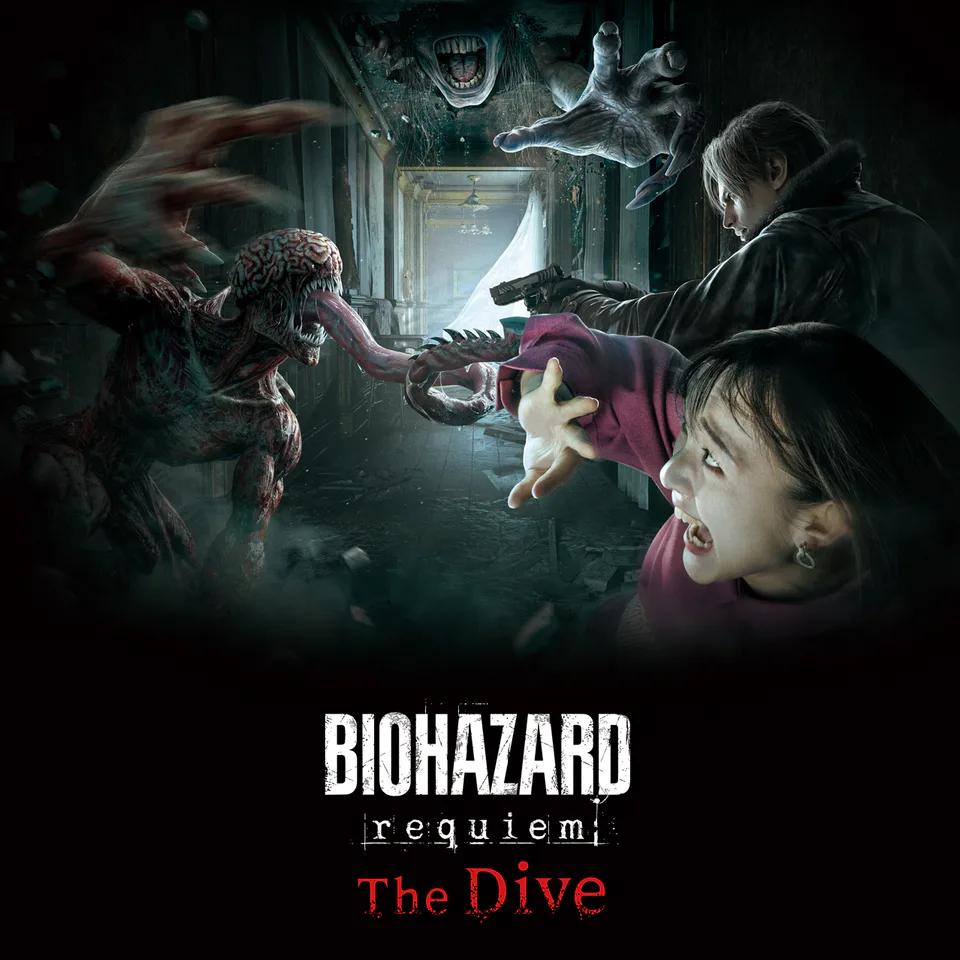

Choosing USJ Halloween Horror Nights attractions in 2026 is not a simple ranking from “least scary” to “most scary.” The right order depends on age restrictions, whether a separate or timed product is required, language dependence, your daytime priorities and how late you can safely remain in the park. Start with the USJ Halloween 2026 main guide to confirm the wider event structure, then use this page to decide which horror experiences actually belong in your night.
Start with eligibility before scare level
The first filter is whether everyone in the group is eligible. The official 2026 programme includes experiences with different age rules, including stricter products such as Factory of Fear and an R-18 attraction. Do not build a group itinerary around an attraction until the youngest guest, consent requirement and ticket conditions are checked. Families should first use the USJ Halloween with kids guide because a child-friendly daytime plan can be complete even when none of the adult horror products fit.
Separate admission, queue skipping and timed entry in your head
A Studio Pass gets you into the park, but it does not mean every Halloween experience becomes available on demand. Some products use timed-entry eTickets, some can be supported by an Express Pass, and special events may require their own ticket. The USJ Tickets and Express Pass 2026 guide should be open while you book. The most expensive mistake is buying products that overlap in time or solve a different problem from the one you actually have.
Factory of Fear: treat the age rule and timed entry as hard constraints
Factory of Fear is one of the clearest examples of why eligibility comes before hype. The 2026 official information says guests aged 14 or under cannot enter, and timed-entry eTickets may be required. That means a group with younger teens must split or choose something else, and a qualifying adult group still needs to protect the assigned window. Put it into the USJ Halloween one-day itinerary as a fixed appointment, not as a queue you can slide twenty minutes whenever lunch runs late.
Lights Out: Nightmare Isolation is a different decision because it is R-18
The official programme identifies Lights Out: Nightmare Isolation as USJ's first R-18 attraction. That makes the age check absolute rather than a judgement about whether a mature teenager “can handle it.” It is also Japanese-language dependent, so international visitors should decide whether the experience still justifies the time and ticket commitment when language comprehension is limited. If the group is already splitting for adult-only content, agree on one precise reunion location and time before anyone enters a queue.
Sadako's Curse can fit a broader trip because its operating period runs longer
Sadako's Curse runs beyond the main Halloween period into January 2027 according to the current official schedule. That matters if your Osaka dates sit at the edge of Halloween: you may not need to force every horror product into the same night. Express Pass support can also change the queue calculation. If you are still choosing the travel date, compare the best dates for USJ Halloween before treating one seasonal attraction as the reason to accept a more expensive or crowded weekend.
Street Zombies is flexible, but it changes the whole park after 6 p.m.
Street Zombies begins from 6:00 p.m. on the current 2026 schedule and is not a single doorway attraction with one queue. That flexibility makes it useful between fixed bookings, but the atmosphere, sound and crowd flow can be intense. Scare-sensitive guests should not assume they can simply walk through every area as if daytime conditions continue. If anyone is wearing a costume, the USJ Halloween costume-rules guide helps prevent an elaborate outfit from becoming another problem when the streets get busier.
Pair this with
At roughly the midpoint of the decision, pair your attraction list with the USJ Horror Night last-train guide and Where to Stay for USJ Halloween. Your last worthwhile horror queue depends on the walk, station crowd and transfers after the park, not just the posted attraction wait.
Use one fixed horror anchor and one flexible second choice
For most visitors, the cleanest night has one non-negotiable horror attraction and one flexible second choice. The fixed anchor can be a timed or ticketed experience; the flexible choice can depend on live waits, energy and the route toward the exit. Trying to collect every haunted product makes the evening fragile because one delay cascades into food, restroom and transport decisions. If you are doing the overnight special event, abandon the normal-night template and use the USJ Halloween Horror Nights All Night guide instead; under-18 guests cannot use that overnight product.
Language dependence should change priority, not stop the trip
Some horror experiences rely more on spoken instructions, story or Japanese-language cues than others. If language dependence lowers the value for your group, spend the fixed ticket or timed-entry capacity on a more visual experience and use flexible street programming for atmosphere. This is especially useful for first-time visitors who also want major daytime attractions. The goal is not to complete a published list; it is to build a night where each fixed commitment earns its place.
Hotel proximity can be worth more than one extra horror attraction
A park-side room changes how aggressively you can use the final hour. Compare THE SINGULARI HOTEL and the Park Front Hotel if the trip is heavily USJ-focused. A central Osaka hotel may be better for the rest of the stay, but it converts the end of Horror Night into a transport problem that must be budgeted in time.
Central Osaka bases create different late-night trade-offs
If you stay away from Universal City, decide the district before the park day. The Osaka area guide explains the broad choices, while Namba vs Umeda makes the airport-versus-JR trade-off clearer. For a rail-heavy itinerary, the Hotel Hankyu RESPIRE OSAKA guide shows why Umeda can still be a sensible compromise even when it is not the shortest post-USJ walk.
A south-Osaka base can make sense when USJ is only one day
Travellers prioritising airport access or southern Osaka should not automatically move hotels for one Halloween night. The OMO7 Osaka guide is one example of a base that solves a different set of trip problems. The cost is that your Horror Night cutoff has to be planned more conservatively than it would with a Universal City room.
Do not let the horror list take over the whole Kansai itinerary
If this is a first Japan trip, one intensive USJ day may already be enough. Compare Kyoto vs Osaka as your Kansai base and the 10-, 12- or 14-day Japan itinerary before sacrificing the next morning just to add a third horror attraction. A good park plan protects the next travel day too.
A practical attraction-selection order
Remove every attraction that fails the group's age or consent rules.
Lock any separately ticketed or timed-entry product first.
Choose one must-do horror anchor rather than several equal priorities.
Use Street Zombies or another flexible programme between fixed windows.
Stop adding queues when the hotel route or next morning becomes fragile.
Final verdict
Choose Horror Nights attractions by eligibility first, ticket mechanics second and scare preference third. Protect one fixed anchor, keep one flexible second experience, and let live operations decide anything beyond that. The best night is not the one with the longest attraction list; it is the one where every booked product is usable and you still have a safe route back to the hotel.
Osaka Long-Stay Hotels for 5–7 Nights: Laundry, Kitchens and When Not to Change Areas
Osaka and Kyoto in 7 Days: 3 Nights Each — When One Hotel Move Is Actually Worth It
KidZania Fukuoka Tickets 2026: 4 vs 6 vs 8 Hours — and Is the English Program Worth It?
Osaka for Couples: A 7-Day Itinerary That Saves the Best Nights for Kyoto, Kobe and One Big View
Lake Biwa Fireworks 2026: Free Viewing, Closures and Otsu Access
References
Universal Studios Japan — Halloween Horror Nights 2026 · USJ 2026 Halloween event overview