
The safest USJ Halloween costume is not the most elaborate outfit you can get through the entrance. It is the one that keeps your face identifiable, does not create a hazard for other guests, can be simplified for attractions, and still works after several hours of walking. Start with the USJ Halloween 2026 main guide if you are still deciding the overall event plan. This page is specifically about turning the official costume rules into a practical park-day decision.
The 30-second rule: keep your identity visible and your outfit removable
USJ's current costume guidance prohibits full-face masks and other face coverings that hide more than half of the face, except where medically necessary. It also restricts excessive makeup, full-face paint and disguises that make a guest hard to identify. If your concept depends on a helmet, opaque mask or heavy prosthetics, redesign it before the trip rather than hoping a crew member will interpret it differently at the gate. Families should also read the USJ Halloween with kids guide because family-oriented areas can have stricter practical limits on frightening or face-obscuring looks.
Masks and helmets: build a costume that still works without them
Treat any face-covering piece as optional decoration, not the foundation of the costume. Even if an item seems easy to remove, you may spend the rest of the day carrying it through queues, restaurants and lockers. A costume that looks unfinished without the mask will become frustrating. If your evening includes horror attractions, check the Horror Nights attractions and age-limits guide before deciding what you can comfortably wear through the whole itinerary. The best design survives both crew instructions and attraction restraints.
Makeup and face paint: recognisable beats realistic
The official guidance allows USJ staff to ask guests to remove makeup, face paint or special makeup when safety or identification becomes an issue. That makes a lighter design more robust than a full-face transformation. Keep the eyes, nose, mouth and overall face readable, and avoid makeup that can transfer onto guests, crew or park facilities. If the costume is only one part of a full park day, the USJ one-day itinerary shows why comfort and speed matter more by late afternoon than they did in the hotel mirror.
Props: if it is hard to carry, it is already the wrong prop
A prop has to survive security rules, crowds, ride lockers, restaurants and the trip home. Anything that can injure another guest, obstruct movement or create confusion with real dangerous equipment is a poor choice. Even a technically acceptable large accessory may become a burden when you need both hands for a phone, drink, ticket screen or child. If the attraction plan is still undecided, use the USJ ticket and Express Pass guide first; a fixed timed-entry afternoon is a stronger constraint than a prop you wanted for photographs.
Long capes, skirts and oversized pieces can fail at the attraction stage
USJ can refuse attraction use when clothing or accessories create a safety issue. Floor-dragging items are also a problem under the park rules. Build the costume so the long piece can be removed, shortened or packed before riding. Comfortable shoes matter more than theme accuracy because the day may involve hours of standing and repeated cross-park walking. Choosing a less crowded date through the USJ Halloween crowd-and-date guide can reduce some friction, but it does not turn an impractical outfit into a practical one.
Changing should be part of the transport plan, not an improvised bathroom project
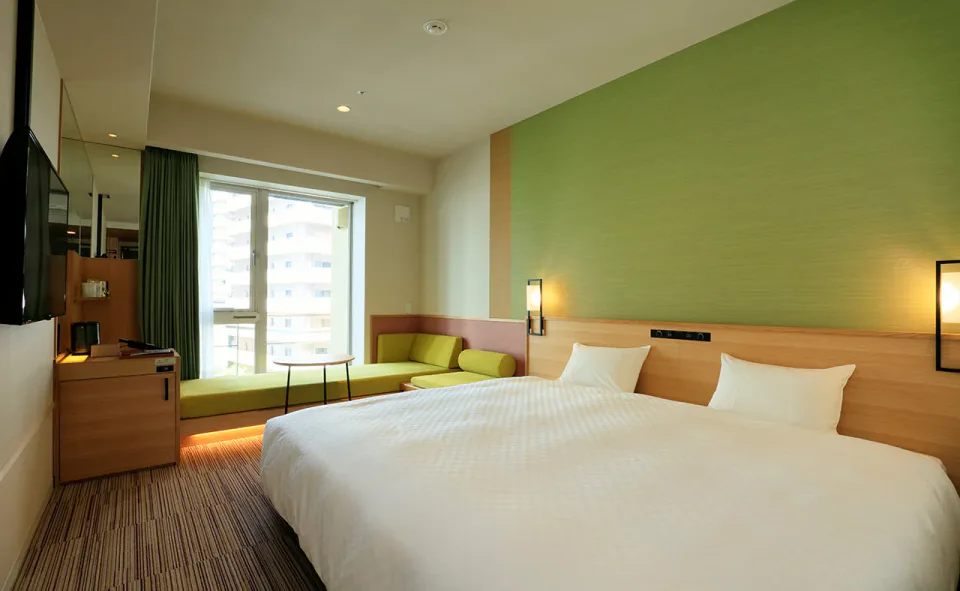
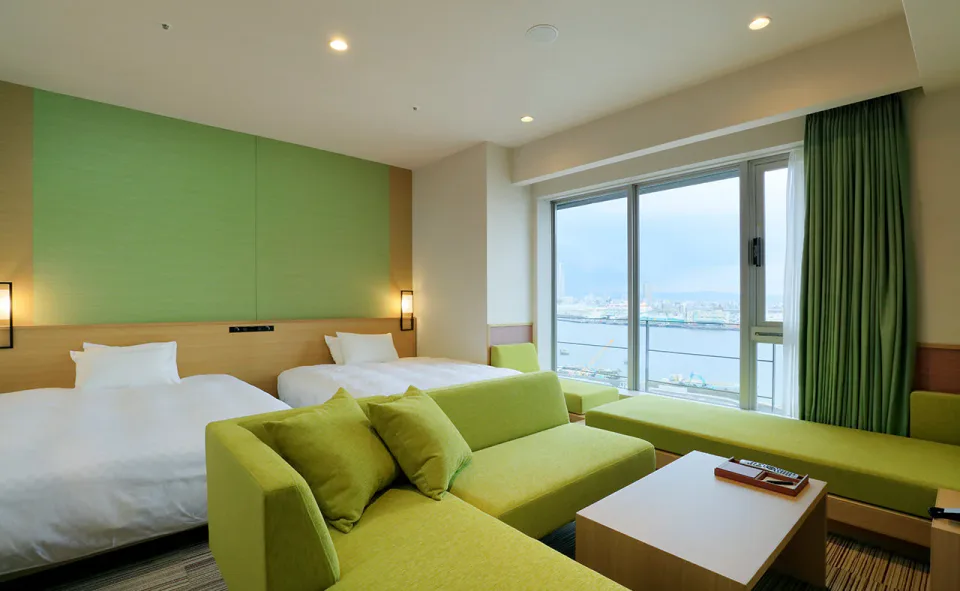
Do not assume any restroom can become a private dressing room for a large costume change. Pack a version that can be put on over ordinary clothing or use approved facilities and current park guidance. If you are staying beside USJ, a room at THE SINGULARI HOTEL or the Park Front Hotel can make a midday clothing reset much easier than carrying every layer all day. Hotel proximity can be a costume feature.
Pair this with
At the midpoint of your costume plan, pair the rules with Where to Stay for USJ Halloween and the USJ Horror Night last-train guide. A heavy outfit feels very different when the night ends with a short walk versus a packed sequence of transfers.
Family areas are not the place to test the scariest version of the outfit
The official costume rules specifically call out family areas such as Universal Wonderland and Minion Park in relation to frightening or face-obscuring costumes. If your day includes those areas, use the simpler version of the costume there and save stronger styling for an appropriate location later. This matters even for adults travelling without children because the rule is about the environment, not just your group. The family Halloween guide is the better page for building a child-led route around those zones.
The All Night event needs a different costume strategy
An outfit that feels acceptable for six daytime hours may be miserable through an overnight event. Adults considering the special overnight programme should read the USJ Halloween Horror Nights All Night guide and treat warmth, shoes, storage and 5 a.m. transport as part of the costume decision. Do not use a delicate costume as the reason to skip food, water or rest overnight.
A backup outfit should fit in one small bag
Pack one ordinary layer that solves the most likely problems: a plain top, compact trousers or leggings, small makeup wipes and a bag that can hold removable accessories. The backup is useful after rain, a crew request, a broken prop, a child becoming uncomfortable or simply costume fatigue. If luggage is already the difficult part of the trip, choose the hotel before the outfit. The broader Osaka stay-area guide and Namba vs Umeda comparison help decide whether you will be carrying the outfit through central Osaka after the park.
Do not let costume planning overpower the Japan itinerary
If USJ Halloween is one day in a first Japan trip, the costume should support the itinerary rather than require another luggage transfer or recovery day. Compare Kyoto vs Osaka and the 10-, 12- or 14-day Japan itinerary before adding a hotel move only to support one Halloween outfit. The simplest costume often produces the most usable travel day.
Five pre-entry checks
Can staff and security clearly identify your face?
Can every long or rigid piece be removed before a ride?
Can you walk and queue in the shoes for a full park day?
Does the costume remain appropriate around family areas?
Can the whole costume be simplified quickly without ruining the day?
Final verdict
Design the costume around visibility, movement and reversibility. Avoid full-face coverings, excessive face transformation and anything that becomes dangerous or unmanageable in crowds. Keep one compact backup outfit, check the official rules again before travel, and accept that crew instructions on the day outrank a screenshot or an old social-media example. A costume is successful when it survives the entire park plan without becoming the reason you miss the park.
September Grand Sumo Tokyo 2026 Is Sold Out: Official Resale and No Walk-Ups
Japan Autumn Leaves Reservations 2026: What to Book Early and What to Keep Flexible
Osaka and Kyoto 4-Day Itinerary With USJ: Does Kyoto Still Fit?
Kochi Yosakoi Festival 2026: Which Day, Which Venue and Do You Need Paid Seats?
Tokushima Awa Odori 2026: Tickets, Stages, Free Streets and Transport
References
Universal Studios Japan — Costume Information & Other Notes on Halloween Events · USJ Rules & Manners