
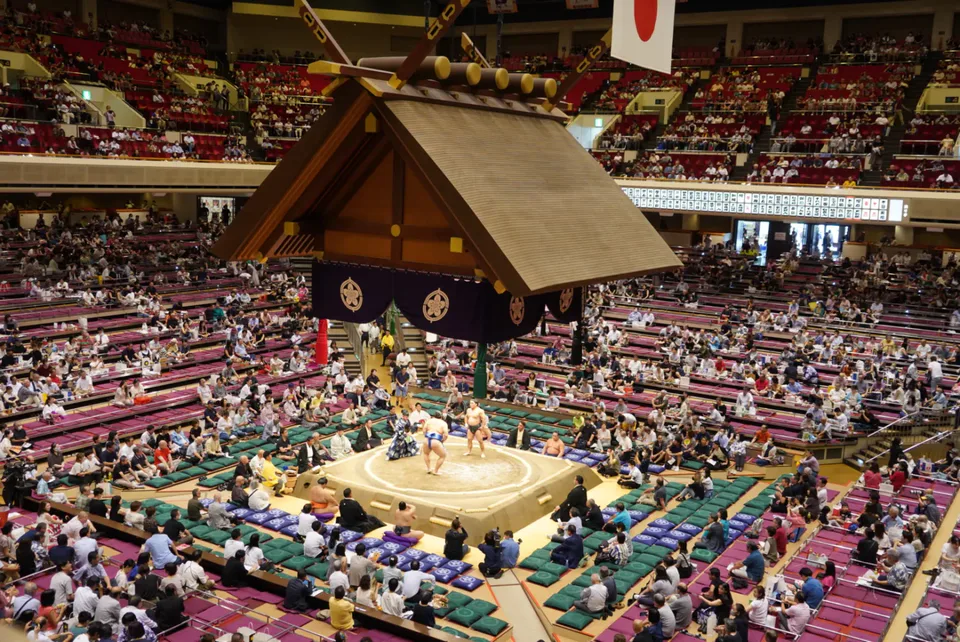
The September 2026 Grand Sumo Tournament in Tokyo is now sold out on all 15 dates. Ticket Oosumo and the Japan Sumo Association currently state that there will be no same-day tickets, so do not build a Ryogoku afternoon around the hope of buying at the arena. If you do not already hold a ticket, the official face-value resale service is the first place I would watch. Avoid unofficial resale: the organiser warns that prohibited resold tickets can be refused at entry.
If a legitimate resale seat appears, I would still target a weekday Chair C or Chair B for a first visit rather than chasing the final day at any price. Chair C was originally JPY 3,500 on weekdays and Chair B JPY 5,000; the point now is not that those seats are “easy” to buy, but that they are the categories I would prioritise if official resale inventory appears.
↔ Scroll table left or right
Your situation now | Best move | Why |
No ticket yet | Watch official face-value resale | All 15 dates are sold out and there are no walk-up tickets |
Official resale Chair C appears on a weekday | Strong first-timer target | It keeps the original low-cost chair-seat trade-off without forcing a floor box |
Chair B appears for a modest premium | Take it if seeing detail matters | The original weekday price gap from Chair C was JPY 1,500 |
Only final-day or expensive unofficial resale appears | Do not chase it automatically | Final day is special, but a short Tokyo trip should not be distorted by risky or inflated resale |
You already have a ticket | Plan arrival around the part of sumo you want | Top-division action begins around 14:00; you do not need to sit from morning unless you want the full-day build |
The current ticket decision is resale versus no sumo — not weekday versus weekend availability
The tournament runs September 13–27, 2026 at Ryogoku Kokugikan. General sales opened on August 8, but Ticket Oosumo now marks the planned allocation as sold out across all dates and seat categories. Its English ticket front page also states explicitly that no tickets will be sold on the day.
That changes the editorial recommendation. Earlier in the sales cycle, choosing a weekday Chair C was an availability strategy. On August 25, it is only a resale target. Do not confuse the original face value with currently available inventory.
The strongest plan for an international visitor without a ticket is therefore:
use the official Ticket Oosumo resale route;
choose several acceptable dates rather than one perfect day;
decide your acceptable seat categories in advance;
buy promptly if a legitimate listing appears, because resale purchases are first-come, first-served.
Official face-value resale is the safe second chance
Ticket Oosumo operates an official face-value resale service for eligible tickets after the tournament has sold out. The service lets holders list eligible QR tickets or certain credit-card purchases that have not yet been issued at a convenience store. Buyers purchase listings on a first-come basis and pay by credit card.
The important distinction is legitimacy. The Japan Sumo Association prohibits unauthorised ticket resale and warns that a ticket obtained through prohibited resale or transfer can result in refused entry. A social-media seller charging a premium is not equivalent to the organiser’s official resale system.
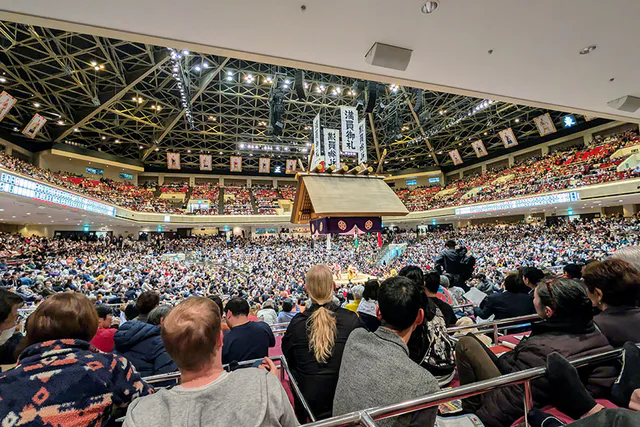
The Japanese Ticket Oosumo resale guide also offers purchase-alert functionality. If your Tokyo dates are flexible, monitoring several weekdays gives you more chances than obsessing over September 27.
What seat should you target if official resale appears?
The original September 2026 weekday chair prices were JPY 3,500 for Chair C, JPY 5,000 for Chair B, JPY 8,000 for Chair A and JPY 9,000 for Chair S. Weekend and holiday prices are higher. Those face values remain useful as a value ladder even though general inventory is gone.
Chair C: my first budget target. It is farther from the ring, but the original price made it a sensible introduction to a full basho atmosphere.
Chair B: my preferred upgrade when the resale opportunity appears at a reasonable total. The original JPY 1,500 weekday gap over Chair C is small enough that a clearer view can justify it for a once-only visit.
Masu box: choose it because you want the floor-box experience and can sit comfortably for hours, not because it looks more traditional in photos. For one or two international visitors, a chair is usually operationally simpler.
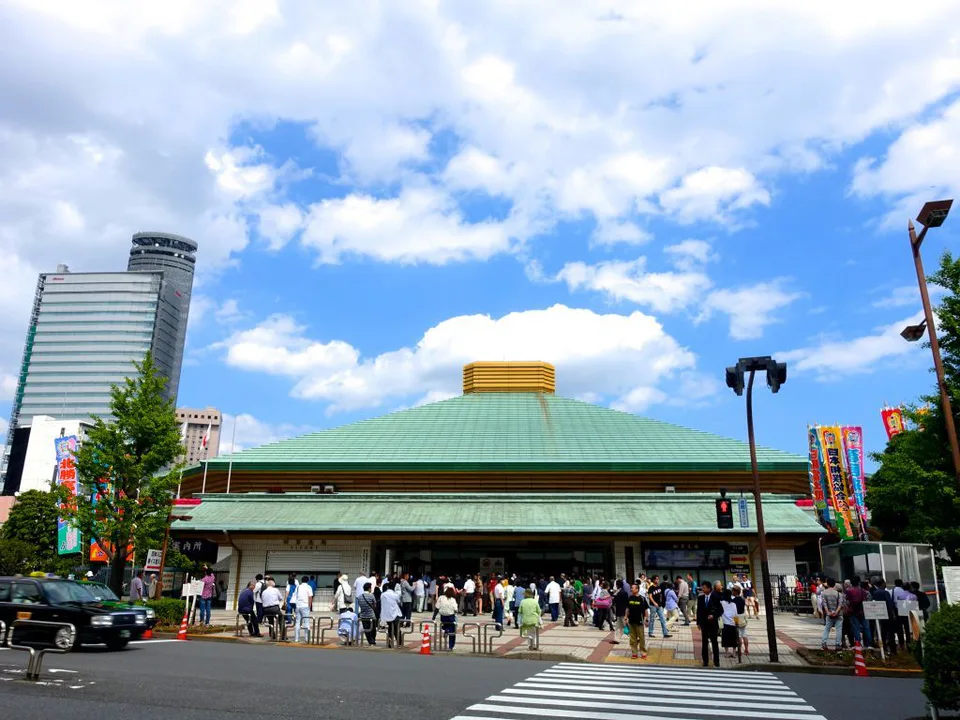
Final day: chase senshuraku only if the championship atmosphere itself is a travel priority. Do not let scarcity turn “special” into “worth any price.”
If you already have a ticket, 14:00 is the most useful first-timer anchor
Ticket Oosumo currently says bouts begin in the morning and finish around 18:00, with the main top-division action starting around 14:00. A serious sumo fan can arrive near opening and watch the competitive ladder build through the lower divisions. A first-time visitor who mainly wants the top-division atmosphere can preserve the morning for Tokyo and arrive in early afternoon.
Opening times change late in the tournament. The arena currently lists 08:45 opening through September 24, 10:30 on September 25–26 and 10:00 on the final day. Do not copy one opening time across the whole basho.
The ticket also allows one re-entry, with return required by 17:00. That is useful if you want lunch or a short Ryogoku break, but it is not an unlimited in-and-out pass.
A sold-out ticket makes the rest of the Tokyo day more important, not less
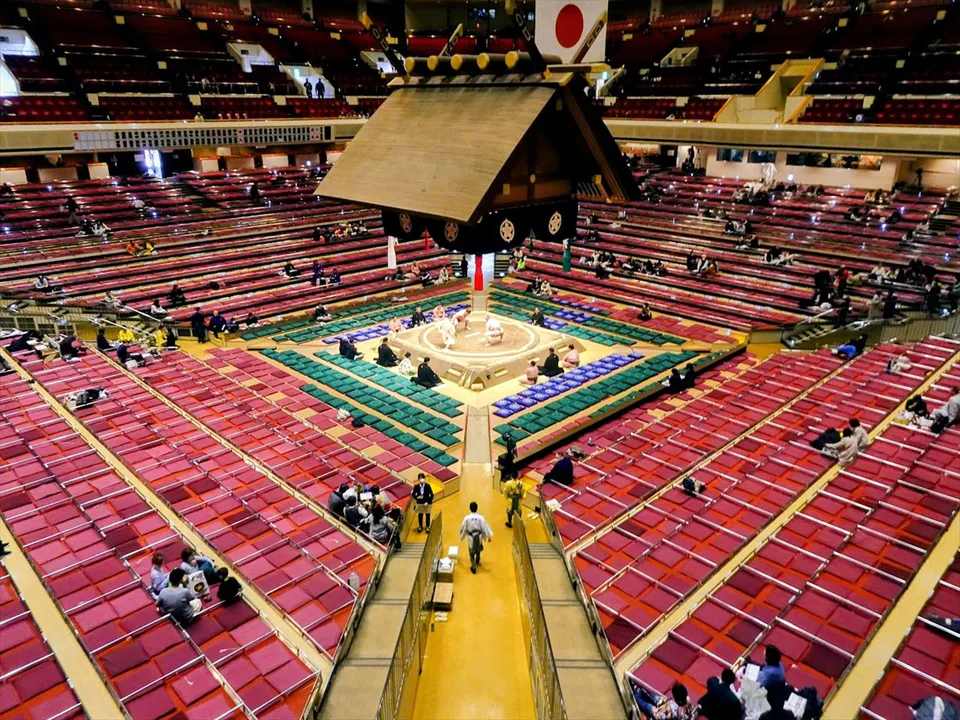
If you obtain an afternoon ticket through official resale, do not automatically move hotels to Ryogoku. The venue sits next to JR Ryogoku Station and is practical from most central Tokyo bases. One tournament afternoon should fit the wider itinerary rather than dictate every hotel night.
A Ueno or Asakusa morning is geographically easy. The Tokyo National Museum can work if you keep enough buffer; so can a short east-Tokyo neighbourhood block. Avoid stacking a long day trip or a timed attraction that makes a scarce sumo ticket stressful to reach.
If your Tokyo base is still undecided, use Where to Stay in Tokyo for First-Time Visitors. Do not choose Ryogoku accommodation simply because the ticket was hard to obtain.
Do not treat a guided package as a magic source of sold-out seats
A guided viewing product can be valuable when it genuinely includes authorised tournament admission plus English context about rituals, ranking and the neighbourhood. But once the underlying tournament is sold out, verify the provider’s live inventory and exact ticket inclusion before paying. A tour listing is not proof that a seat is still available on your date.
If an authorised package has a seat and you value the guide, compare the total package price with the official face value and the explanation/service you receive. If the attraction is only the scarce ticket, official resale remains the cleaner benchmark.
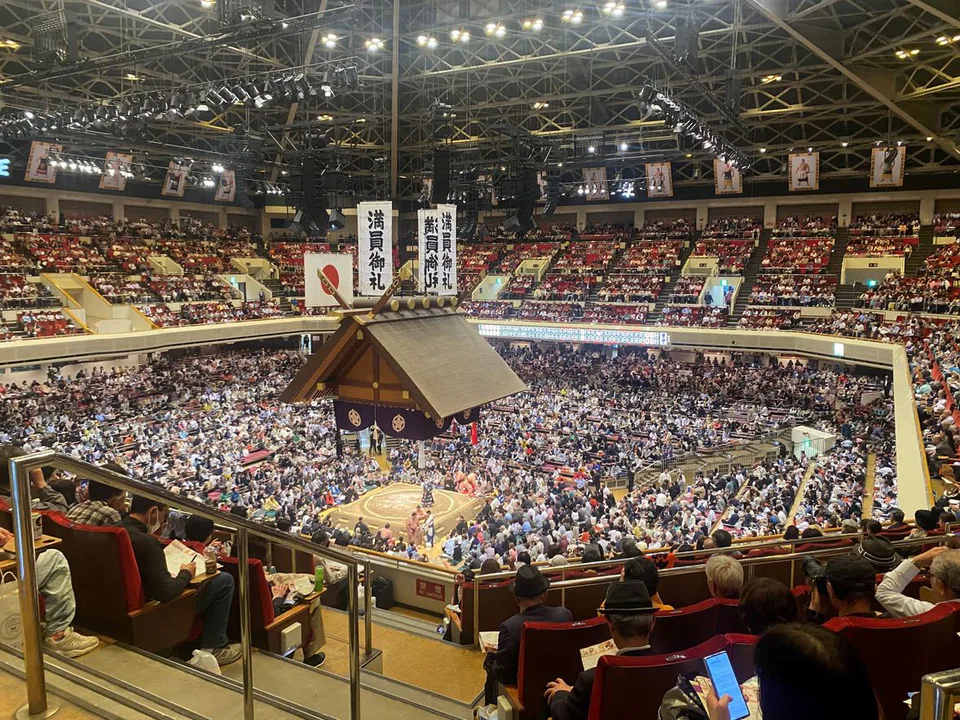
Final verdict: sold out means change the acquisition strategy, not the seat logic
As of August 25, 2026, every September Tokyo tournament date is sold out and there will be no same-day ticket sales. If you do not already hold admission, use the official face-value resale service and keep multiple dates and seat categories acceptable.
If Chair C appears, it remains the value target. If Chair B appears for a manageable premium, I would take the clearer view for a first visit. Do not buy from an unauthorised reseller simply because the official sale is finished, and do not rebuild a short Tokyo itinerary around senshuraku unless the final-day atmosphere is itself one of the reasons for the trip.
Official sources
Ticket Oosumo English — current September sold-out notice · September tournament schedule, seat prices and entry rules · Ticket Oosumo — official face-value resale service. Checked August 25, 2026. Resale inventory changes whenever ticket holders list or withdraw eligible seats.
Miraikan Grand Antarctica Exhibition 2026: Tickets, Highlights and Odaiba Plan
Katakai Festival 2026: September 11 or 12? Daytime Fireworks, Seats and the Nagaoka Exit
100% Doraemon & FRIENDS Tokyo 2026: The Shop Needs a Ticket, the Themed Cafe Does Not
Osaka Cultural Itinerary: 7 Days of Sumo, Tea Ceremony, Samurai and Sake — With One Night in Kyoto
Vessel Hotel Campana Nagoya Review: Rooms, Bath and Station Walk