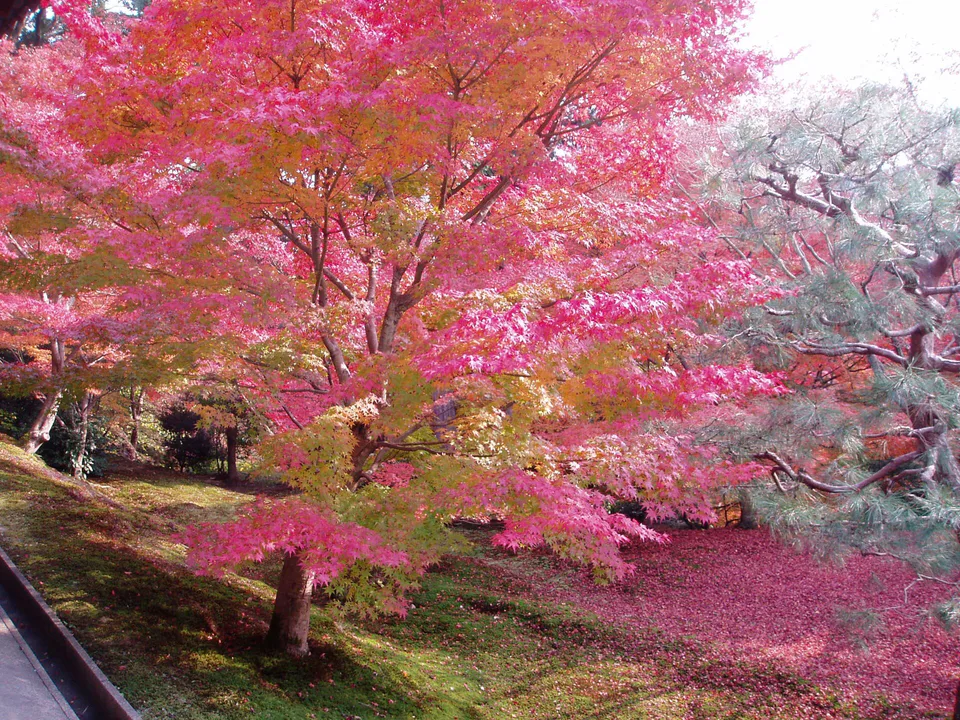
Tofukuji, Fushimi Inari and Uji look like adjacent railway stops, but they serve different trip goals. Tofukuji is the foliage centrepiece; Fushimi Inari is a shrine and mountain walk; Uji can fill half a day or more. Most international visitors should combine two: Tofukuji plus Uji for foliage, Tofukuji plus lower Fushimi for first-time Kyoto landmarks, or dawn Fushimi plus Uji for a slower tea-town day.
Last checked on 4 August 2026. Reconfirm Tofukuji autumn opening, crowd controls and admission shortly before travel. Byodoin garden currently opens 08:45–17:30 with final entry at 17:15, while Hoshokan operates 09:00–17:00. Phoenix Hall interior uses limited timed sessions and had reduced summer capacity in 2026, so check the current notice rather than structuring the entire day around one ticket.
Tofukuji Fushimi Inari Uji day trip: what each stop actually requires
Allow about 90–150 minutes for Tofukuji during foliage season. Prioritise Tsutenkyo, the maple valley and Kaizando; add the Hojo only when the queue and stamina allow it. Early arrival is about preserving the rest of the day, not guaranteeing empty photographs. One-way flows, restricted stopping and photography limits may apply during peak crowds.
The lower Fushimi Inari route covers Romon, the main hall, Senbon Torii and Okusha in roughly 45–75 minutes. A return to Yotsutsuji can take 2–2.5 hours and the full mountain 3–4 hours. Worship, heat, rain, photographs and crowding add time, so only the lower route belongs in a two- or three-stop day.
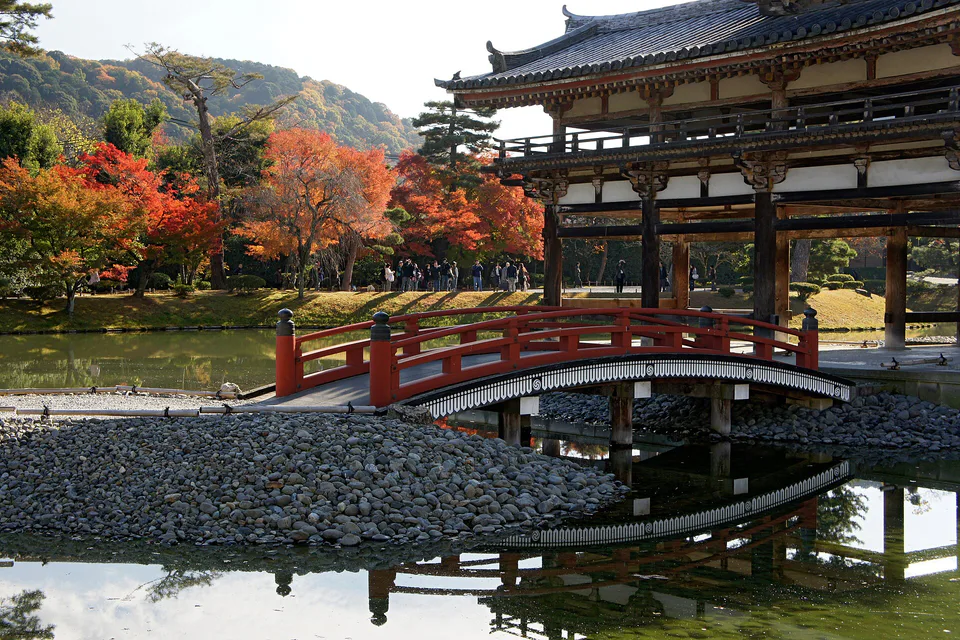
Uji needs at least three to four hours for a useful half day. Byodoin garden and Hoshokan are the core; Phoenix Hall interior is optional. Choose two or three among the river, Ujigami Shrine, Koshoji and a tea stop. A formal lunch or slow photography means Uji should receive a genuine half day rather than the final rushed hour after two temples.
Route A: first-entry Tofukuji plus lower Fushimi Inari
Travel from Kyoto Station or the Gion area early enough to reach Tofukuji before opening. Handle breakfast, toilets and luggage first. Use roughly 08:30–10:30 for Tsutenkyo and the maple valley. When the queue becomes excessive, remove the Hojo rather than stretching the entire schedule.
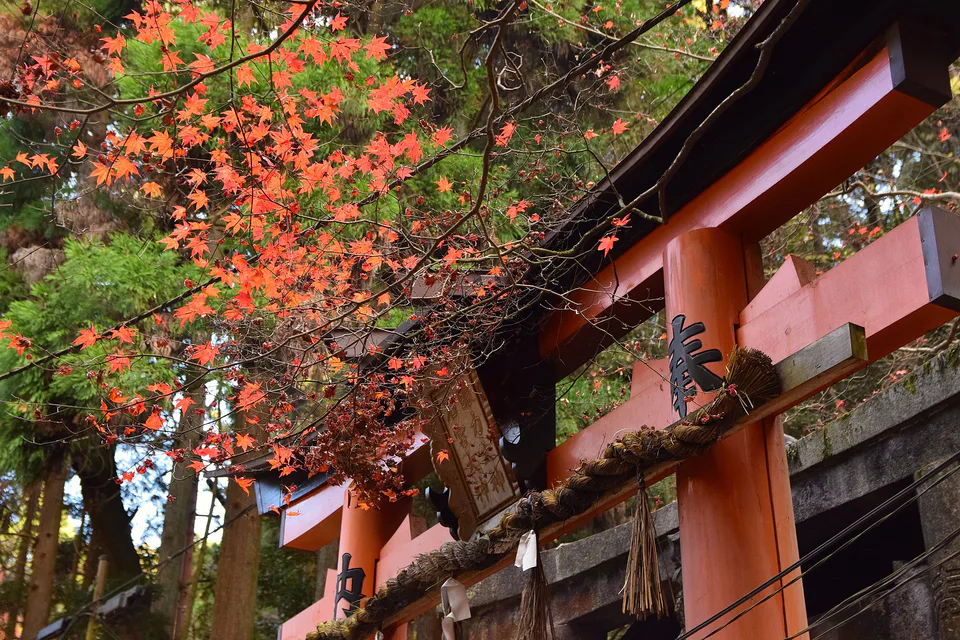
Leave around mid-morning and use one JR stop to Inari or Keihan to Fushimi-inari. Limit the shrine to the main hall, Senbon Torii and Okusha. Do not continue to Yotsutsuji because the path looks quieter; the climb, photographs and return can add several hours. Use the afternoon for Kyoto Station, the Fushimi sake district or Gion instead of forcing Uji.
Route B: Tofukuji plus Uji, the strongest foliage pairing
After first-entry Tofukuji, take the JR Nara Line directly to Uji without stopping at Inari. At Byodoin, check the next Phoenix Hall interior session. Buy it only when the wait fits naturally around the garden, museum and lunch. When the available time is too late, skip the interior immediately; the garden and Hoshokan remain a complete visit.
In the afternoon choose two of Koshoji, Ujigami Shrine and the east-bank river, then start returning toward the station before late-afternoon closures. JR Uji is best for Kyoto Station; Keihan Uji via Chushojima is more natural for Gion, Shichijo or Osaka. The JR and Keihan stations are on opposite sides of Uji Bridge, not a single interchange platform.
Route C: dawn Fushimi plus Uji; all three only as an exception
A comfortable version completes the main hall, Senbon Torii and Okusha between roughly 06:00 and 07:30, then travels from JR Inari to Uji for a full half day after opening. The early start reduces Fushimi crowding; it does not make Uji attractions open earlier.
All three require a weekday, first-entry Tofukuji, lower Fushimi only and a reduced Uji visit. Delete Fushimi or Uji extras after any delay of thirty minutes. The compressed version is unsuitable for seniors, children, strollers, kimono, slow photography and anyone who wants a formal lunch.
JR or Keihan depends on the hotel base
From Kyoto Station, JR provides the cleanest Kyoto–Tofukuji–Inari–Uji corridor. From Gion-Shijo, Shichijo or an Osaka Keihan base, Keihan is often more convenient. JR is usually simpler from Tofukuji to Uji. Major IC cards work, but a sightseeing pass is worthwhile only when the actual rides exceed its price.
Leave large luggage at the Kyoto or Osaka hotel, use station storage early, or forward it; do not depend on the last available autumn locker. Save two restaurant backups because early Tofukuji has limited food and famous Uji tea shops can create long waits. Older travellers should choose either Tofukuji or Byodoin as the paid centrepiece and keep Fushimi at the lower shrine.
Crowd, ticket and weather recovery
Excessive Tofukuji queue: visit Tsutenkyo only, remove the Hojo or continue to Uji. Overcrowded Fushimi: worship at the main hall and shorten the torii route. Heavy rain: remove Yotsutsuji and the full mountain, keeping Hoshokan, Byodoin and short temple visits. Inconvenient Phoenix Hall session: skip it immediately. Rail disruption: JR and Keihan can partly substitute, but identify whether the new transfer is Kyoto Station or Chushojima.
Accommodation and related planning
Compare Kyoto and Uji stays on Booking.com
Compare Kyoto foliage hotels on Expedia
Kyoto autumn leaves timing map
Kyoto November routes
Related: Avoid Kyoto Autumn Crowds in 2026: Rail Corridors, Early Starts and Hotel Bases.
Related: Kyoto Autumn Leaves November: Early, Mid and Late Routes.
Related: Kyoto Autumn Leaves Guide: Timing Map from Mountains to City.
Related: 3-Day Kyoto Autumn Leaves Itinerary: Four Seasonal Routes.
Related: Kyoto Autumn Leaves by Elevation: Takao, Kibune and City Sequence.
Related: Kyoto Hotels Sold Out in Autumn? Backup Bases in Otsu, Uji, Nara and Osaka.