For a normal Tokyo–Kyoto–Osaka trip in April, pack spring layers rather than a winter coat: one light outer layer, long and short sleeves, long trousers and walking shoes that can handle rain. But that answer stops being valid the moment your route adds Hokkaido, Okinawa or a high-elevation snow destination. April is not one Japanese season. The useful packing rule is to identify the coldest route segment you cannot avoid, then add only the module needed for that segment instead of packing a separate wardrobe for every city.
Japan Meteorological Agency 1991–2020 normals illustrate the spread. Tokyo’s April mean is 14.3°C, Sapporo’s is 7.3°C and Naha’s is 21.5°C. More importantly, a city temperature cannot stand in for a mountain route: in 2026 the Tateyama Kurobe Alpine Route opens on April 15, so a traveller can leave mild spring cities and deliberately enter a high-elevation snow environment on the same holiday.
↔ Scroll table left or right
Your April route | Default clothing logic | What breaks the rule |
Tokyo + Kyoto + Osaka | Light jacket, removable mid-layer, long/short sleeves, rain-ready shoes | Very early starts, cold snap, long night viewing or mountain day trip |
Mainland cities + Sapporo | Add one compressible warm layer and better wind protection | Higher or snowier Hokkaido route needs destination-specific gear |
Mainland cities + Okinawa | Keep the same light shell, but replace insulation with breathable tops | Marine conditions and rain can matter more than air temperature |
Tateyama / alpine snow route | Pack for snow, wind and cold separately from the city wardrobe | Do not infer mountain conditions from Toyama, Tokyo or Kyoto temperatures |
Late-April city trip only | Bias lighter than an early-April trip | Golden Week crowds can increase time spent queuing outdoors |
The 30-second April packing list
For the standard Golden Route, I would pack two or three breathable base tops, one thin long-sleeve layer, one light knit/fleece or overshirt, one packable wind/rain-resistant jacket, long trousers and comfortable walking shoes that are tolerable when wet. Add a compact umbrella. That combination works because each warm piece can be removed independently once daytime temperatures rise.
Do not add a heavy coat “for Japan” unless a cold-region or high-elevation segment actually needs it. Equally, do not delete every warm layer because a forecast shows 20°C: the morning low, wind and the amount of time you spend waiting outside can be a different problem.
Climate normals are a range selector, not your trip forecast
↔ Scroll table left or right
City | April normal mean / high / low | Planning implication |
Tokyo | 14.3 / 19.4 / 9.8°C | Spring layers; keep warmth for early and late hours |
Osaka | 15.2 / 19.9 / 10.9°C | Similar city logic; heavy outerwear usually becomes dead weight |
Kyoto | 14.4 / 20.1 / 9.2°C | Morning temple starts can feel much cooler than midday |
Fukuoka | 15.4 / 19.9 / 11.5°C | Light wind/rain shell often does more work than extra insulation |
Sapporo | 7.3 / 11.7 / 3.4°C | A clear cold-region module is still justified |
Naha | 21.5 / 24.3 / 19.1°C | Breathability and rain/wind protection replace cold-weather priority |
These are JMA climate normals, not a promise for a particular April. Use them months ahead to decide whether you need a warm module at all. About a week before departure, switch to the actual forecast. Forty-eight to seventy-two hours before each weather-sensitive day, look at the low, wind and rain as well as the headline high.
Tokyo, Osaka and Kyoto: pack for the hours at the edge of the day
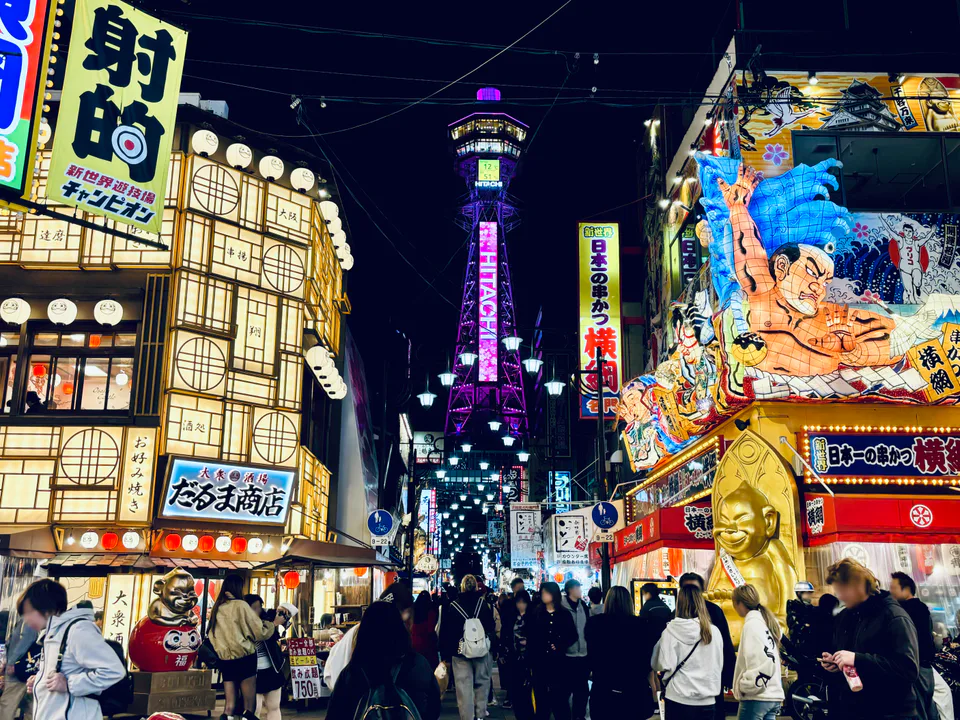
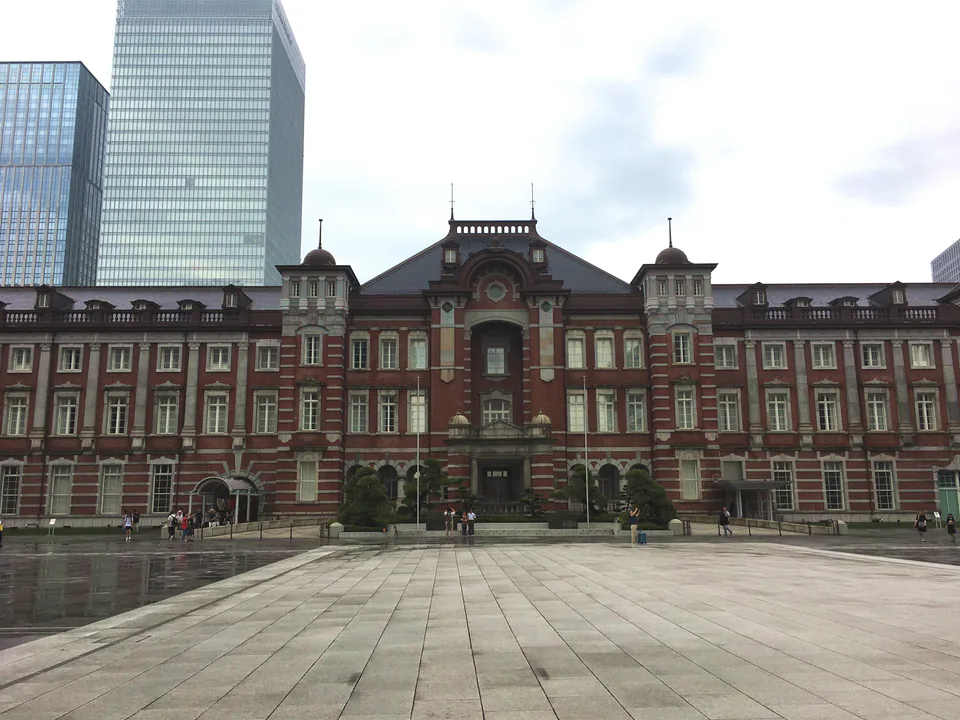
The main-island city problem is not surviving midday. It is avoiding a wardrobe that works only at midday. Tokyo’s normal high is close to 20°C, and Osaka/Kyoto are similar, but the normal lows remain around 9–11°C. A traveller who leaves a hotel at 06:30 for a quiet temple or stays outside after dinner experiences a much wider practical range than someone who starts sightseeing at 10:00 and spends the evening indoors.
This is why I would choose a carryable outer layer over a warmer but bulky one. On trains, in shopping centres and while climbing temple streets, the jacket often becomes luggage. If it cannot be folded or tied away comfortably, you are solving the coldest hour by making the warmest six hours worse.
For Tokyo, use the Tokyo itinerary to see whether your days are early and outdoor-heavy. In Osaka, route concentration matters for the same reason: fewer unnecessary outdoor transfers can reduce the need to dress for every possible condition at once.
Kyoto is where early-April and late-April travellers need different answers

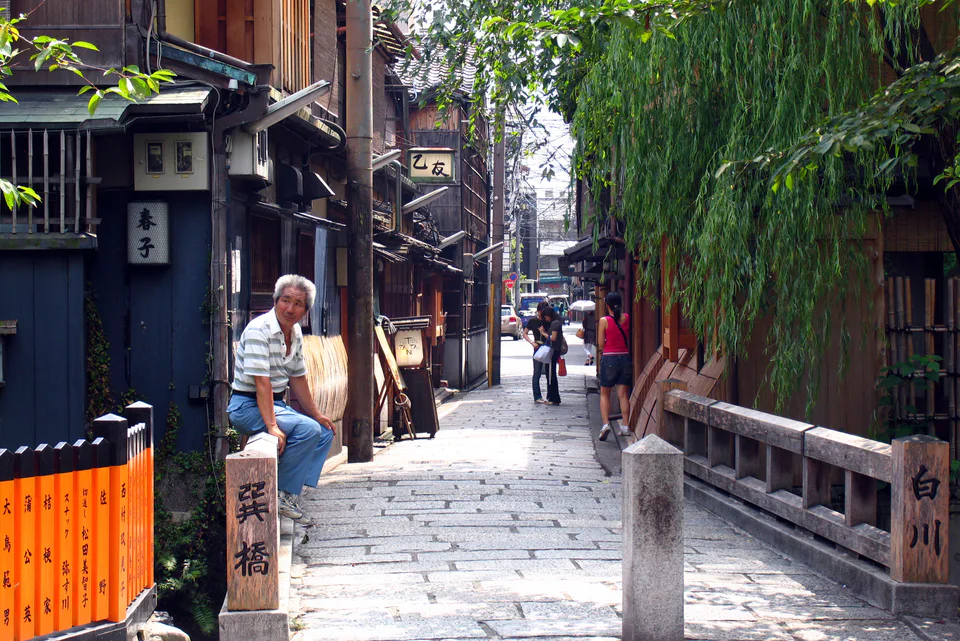
A whole-month Kyoto average hides a real internal transition. Early April still rewards a proper light jacket for dawn and evening. By late April, daytime conditions can make the same jacket something you carry for hours. That matters because many Kyoto itineraries deliberately start early to protect quieter temple and Higashiyama time.
Use the first outdoor hour as the warmth test. If you plan to walk Gion or Higashiyama before breakfast, pack for that low-temperature window. If your first activity is an 11:00 museum or café, you can bias lighter. This is more useful than copying a cherry-blossom photo where nobody’s clothing reflects your own daily schedule.
Night illuminations can reverse the late-April logic again. If a garden or temple night is one of the reasons for the trip, retain one layer that remains comfortable after sunset even if you never use it at 14:00.
The biggest April packing mistake: adding an alpine day but keeping a city-spring wardrobe
The clearest red-team case is Tateyama Kurobe. For 2026, the official Alpine Route operates from April 15 to November 30. That means an ordinary late-April Japan itinerary can combine 20°C-class city afternoons with snow walls and exposed high-elevation conditions.
That alpine day should be treated as a separate clothing module:
warmer insulating layer than you need in Tokyo or Kyoto;
wind-resistant outer shell;
gloves and head/ear protection when conditions warrant;
shoes with useful grip and water resistance rather than smooth city soles;
sun protection, because snow reflection and altitude change the exposure problem.
The derived rule is simple: the coldest non-city segment sets the special gear, not the national monthly average. If Tateyama is only one day of a two-week trip, pack one compact snow/cold module rather than dragging winter clothing through every hotel.
Also separate clothing from transport planning. In 2026 the route’s special early cable-car services begin from 06:50 on selected April–May operations, and the operator publishes connection cautions at the far end. A very early alpine day exposes you to cold earlier than a normal city sightseeing day.
Hokkaido in April: the coat is not the only thing that changes
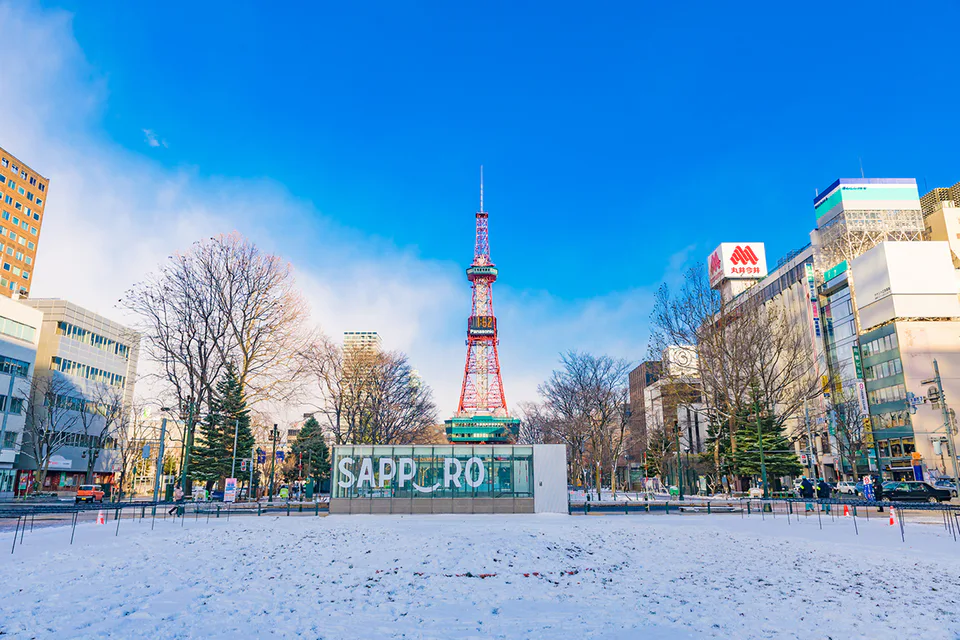
Sapporo’s April mean of 7.3°C is enough to reject a straight copy of the Tokyo wardrobe. Add a compressible warm layer and stronger wind protection. But footwear deserves equal attention: April can mean snowmelt, wet pavement, slush or residual ice rather than a clean midwinter snow surface.
A central-Sapporo-only trip does not automatically require heavy snow boots or a deep-winter down jacket. Conversely, a route into higher, colder or less urban parts of Hokkaido cannot be planned from the Sapporo normal. Use Sapporo to decide the city baseline, then check the actual destination forecast for each rural or elevated segment.
The efficient two-region strategy is Tokyo clothing + one cold module, not two complete suitcases.
Okinawa in April: warm air does not make weather-proofing irrelevant
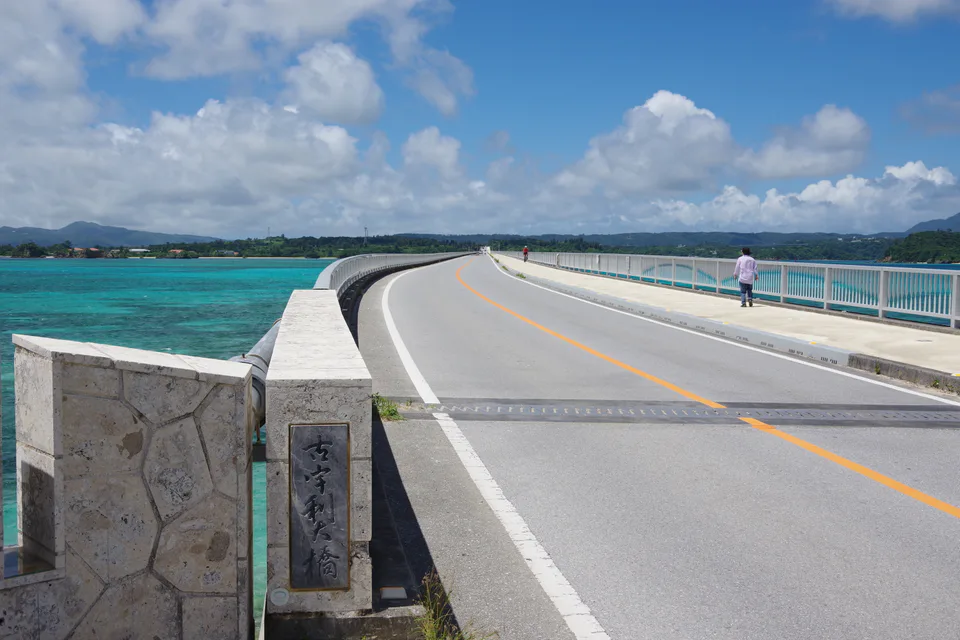
Naha’s April normal high is 24.3°C and the mean is 21.5°C. T-shirts genuinely belong in the bag. The thin outer layer remains useful, but now its job is wind, showers and strong indoor air-conditioning rather than cold.
Do not translate warm air into guaranteed beach or marine conditions. Boat, snorkelling and diving operations depend on wind, waves and operator decisions. If Okinawa is only one segment of a mainland trip, keep the same lightweight shell and swap the cold mid-layer for faster-drying tops. That gives you one modular wardrobe instead of a second climate-specific suitcase.
Rain: protect the shoes before adding another sweater
April is not uniformly wet, and monthly precipitation normals cannot tell you which days will rain. They do tell you that a rain plan is normal rather than exceptional. A compact umbrella plus a light shell works for most city itineraries. The weak point is often footwear: shoes that soak through early can make an otherwise mild 15°C day feel much worse.
I would prioritise one pair of proven walking shoes with reasonable wet-weather performance over bringing several fashion pairs. A spare pair of socks in the day bag can produce more real comfort than a second bulky knit.
Cherry-blossom days create a queue-weather problem, not a new climate
Sakura season changes how long you remain stationary outdoors. A 12°C morning feels different when walking briskly from a station than when standing for an hour near a popular viewpoint or waiting for food. The same applies to night viewing.
That is why the best April layer is not merely “light.” It should be easy to put on and remove repeatedly. If your blossom plans involve very early starts, picnics or illumination, keep one warmth layer even when the daytime forecast looks mild.
Five route-based packing decisions
Tokyo–Kyoto–Osaka only: spring capsule wardrobe; no heavy coat by default.
Mainland + Hokkaido: add one compact cold/wind module and route-appropriate footwear.
Mainland + Okinawa: keep the shell, add breathable/quick-dry tops, remove unnecessary insulation.
Mainland + Tateyama/high alpine: pack a true snow/cold module even if every city forecast looks warm.
Early-morning / night-heavy itinerary: pack from the coldest outdoor window you will actually use, not the midday high.
Final verdict
For most April city trips, the winning system is removable spring layers, not a winter coat. Tokyo, Kyoto, Osaka and Fukuoka are warm enough by day that bulky insulation often becomes luggage, while mornings and evenings still justify one compact warm layer. Hokkaido and Okinawa should be handled as modules rather than separate wardrobes.
The recommendation reverses completely for high-elevation snow routes. A 20°C Kyoto forecast tells you almost nothing about a Tateyama day after the route opens on April 15. Build the suitcase from the route: city baseline first, then add only the coldest or wettest exception you have actually booked.
Sapporo Autumn Fest 2026: The One-Kilometre Food Route That Leaves Room for Dessert
ONSEN RYOKAN YUEN SAPPORO: Is the Karurusu Hot Spring Worth a 13-Minute Walk?
Japan September Weather: Tokyo Starts Near 30°C, Sapporo Is Already in Early Fall
Osaka for Couples: A 7-Day Itinerary That Saves the Best Nights for Kyoto, Kobe and One Big View
References
Japan Meteorological Agency — Climatological Normals 1991–2020 · Tateyama Kurobe Alpine Route — 2026 opening period · Tateyama Kurobe Alpine Route — 2026 timetable. Climate normals are not forecasts. Check the actual destination forecast and high-elevation operating status shortly before travel.