
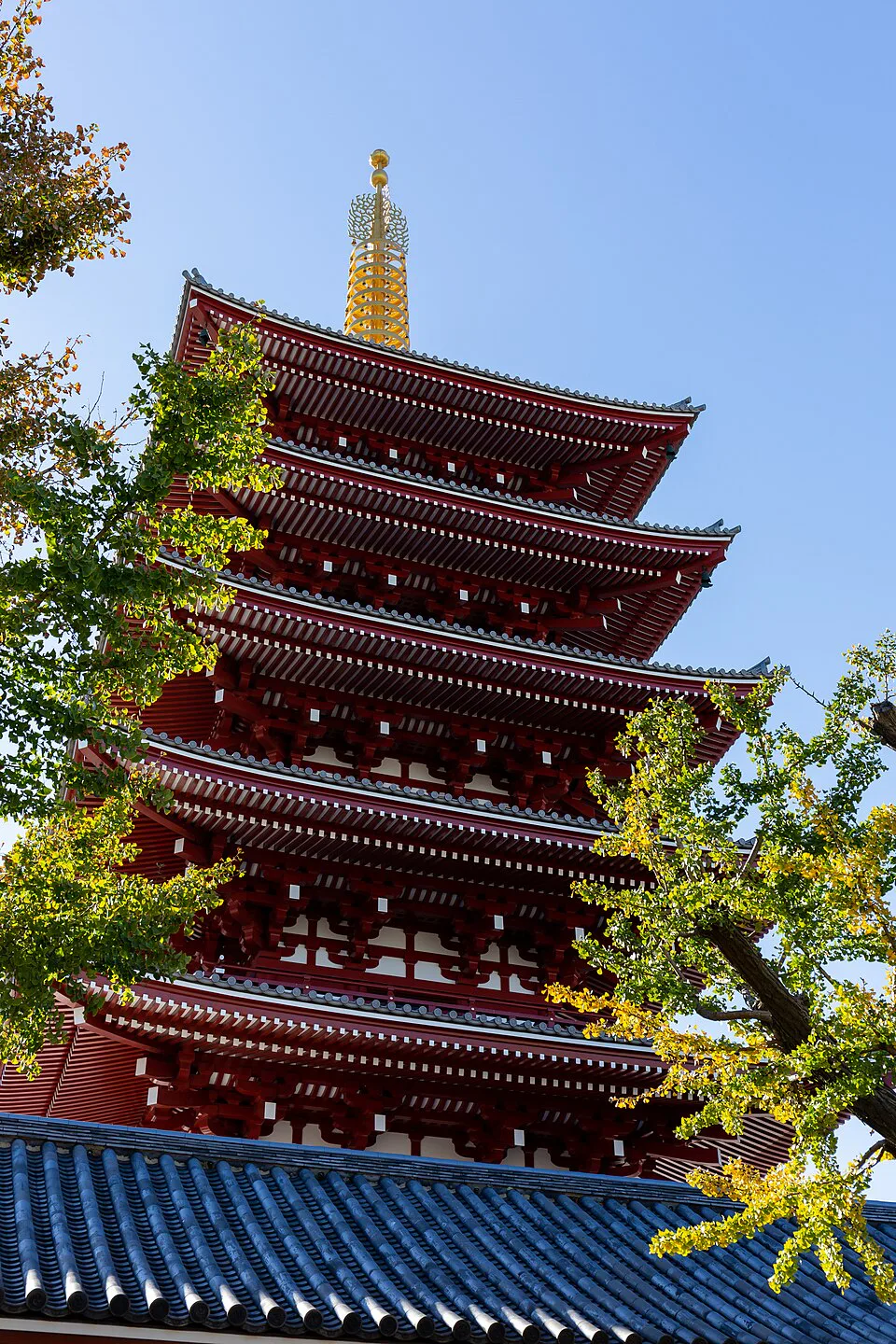
Japan September weather is hard to pack for because the month changes faster than most travelers expect. In Tokyo, the 1991–2020 climate normal for September 1 is about 30.0°C for the daytime high and 22.5°C for the low. By September 30, those normals fall to roughly 24.7°C and 17.6°C. Early September can still feel like summer in Tokyo, Osaka, Kyoto and Fukuoka, while late September starts rewarding a real light layer. Add Hokkaido or Okinawa and one generic 'Japan fall packing list' stops working entirely.
The simplest packing rule is this: keep breathable summer clothes as the base for Tokyo, Osaka, Kyoto and Fukuoka, especially in the first half of the month; add a light long-sleeve layer for later dates and air-conditioned interiors. Treat Sapporo separately, with a real evening layer from the start. Treat Okinawa separately too, but in the opposite direction: keep full summer clothing and spend more attention on rain, wind, sea conditions and flexible bookings than on warmth.
Japan September weather in 30 seconds: what should you actually pack?
↔ Scroll table left or right
Area | September climate normal | What to wear | What travelers misjudge |
Tokyo | 23.3°C mean; 27.5 / 20.3°C high-low; 224.9 mm | Breathable tops + a light layer | Early September can still feel like summer; late September is much cooler |
Kyoto | 24.4°C; 29.2 / 20.7°C; 178.5 mm | Summer-weight clothes + light layer | September is not automatically comfortable walking weather |
Osaka | 25.2°C; 29.5 / 21.9°C; 152.8 mm | Short sleeves + light indoor layer | Many days still reach 30°C territory |
Fukuoka | 24.7°C; 28.6 / 21.6°C; 175.1 mm | Quick-dry clothes + rain backup | Rain systems can disrupt plans even as temperatures ease |
Sapporo | 18.6°C; 22.8 / 14.8°C; 142.2 mm | T-shirt + long sleeve or light jacket | Morning and evening already feel like real early fall |
Naha | 27.9°C; 30.6 / 25.8°C; 275.2 mm | Summer quick-dry clothes + sun protection | It still feels like summer; sea conditions and typhoons matter more than layers |
These figures are Japan Meteorological Agency 1991–2020 climate normals. They are useful for avoiding obvious packing mistakes, not for predicting your exact travel week. September sits between lingering summer heat, autumn rain patterns and tropical cyclones, so your final packing and itinerary should still be adjusted using the latest daily forecast, wind and transport notices before departure.
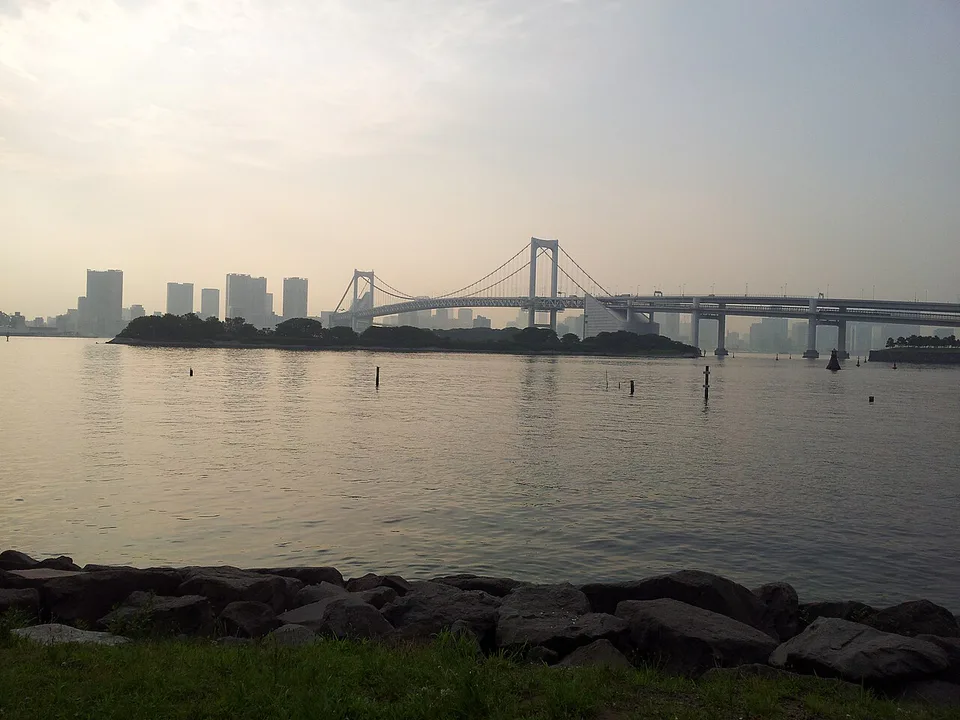
Tokyo in September: the monthly average hides the part that matters most
Tokyo averages 23.3°C in September, with a normal daytime high of 27.5°C, a low of 20.3°C and 224.9 mm of rainfall. That sounds comfortable until you look at the calendar. September 1 still has a normal high of 30.0°C. Around mid-month, normal highs remain in the upper 20s. By September 30, the normal high is 24.7°C and the low is 17.6°C. A traveler arriving on September 3 and one arriving on September 28 are not packing for the same Tokyo.
For an early-September trip, keep the same neighborhood-first logic used in aTokyo itinerary built around 4, 5 or 7 days: do not schedule long, exposed cross-city transfers simply because the calendar says autumn. Later in the month, you can usually tolerate more walking, but rain can still break up an outdoor-heavy day. Grouping sights with thisTokyo attractions area guide is more reliable than hoping cooler weather will rescue an inefficient route.
Counterpoint: if late-September lows average around 18°C, do I need a proper coat?
Usually not in central Tokyo. A thin long-sleeve shirt, cardigan, light knit or packable jacket is more flexible. Daytime temperatures can still rebound into the mid-20s, so a heavier autumn coat often becomes something you carry rather than wear. The useful upgrade is adjustability, not thickness.
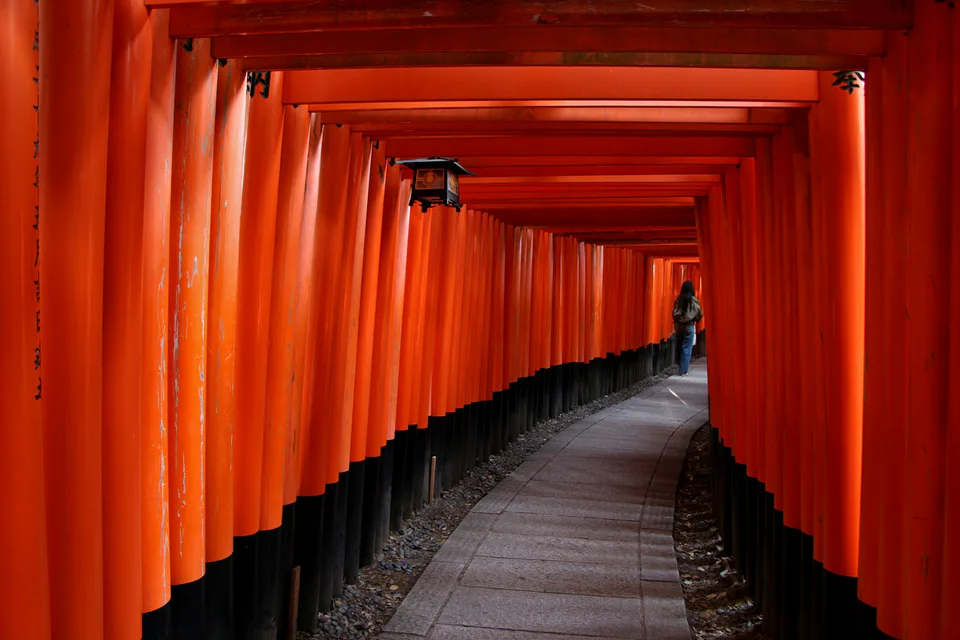
Kyoto in September: autumn on the calendar does not mean autumn walking conditions
Kyoto's September normal is 24.4°C, with a high of 29.2°C, a low of 20.7°C and 178.5 mm of rain. JMA normals also show about 13.3 days in September with a daily high of at least 30°C. That is why early and mid-September should not be planned like October, especially for long outdoor routes around Kiyomizudera, Higashiyama, Fushimi Inari or Arashiyama.
Put the longest uphill or exposed walks in the morning during the hotter part of the month. By late September, you can loosen that rule, but weather should still determine the day order. If you are still deciding your Kansai base, choose Kyoto or Osaka based on where your actual sightseeing days are concentrated rather than buying an 'autumn wardrobe' first; location saves more effort than one extra layer.
Counterpoint: does Kyoto become comfortable as soon as September starts?
No. The calendar changes before the thermal load does. The 29.2°C monthly normal high and 13.3 days at 30°C or above are enough to keep summer-style pacing relevant, particularly in the first half of the month. September is a transition, not an instant reset.
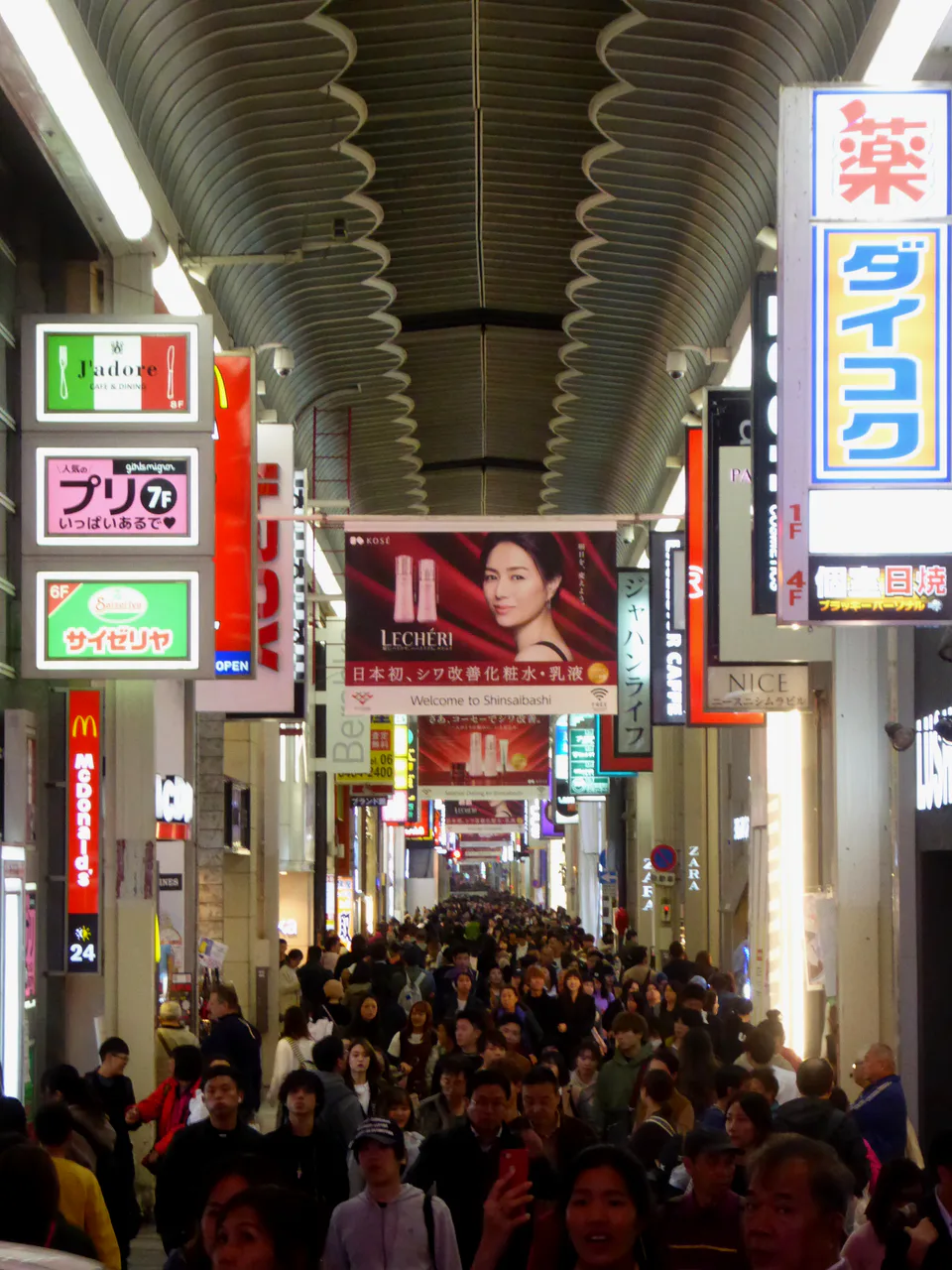
Osaka in September: cooler than August, but arrival day is still not a free sightseeing day
Osaka averages 25.2°C in September, with a normal high of 29.5°C, a low of 21.9°C and 152.8 mm of rain. JMA normals show roughly 14 days with highs at or above 30°C. In practice, that means the classic mistake of landing at Kansai Airport, hauling a suitcase into the city and immediately adding several hours of sightseeing can still burn far more energy than the temperature label suggests.
Choose yourKansai Airport to Osaka route around the hotel location first. On full sightseeing days, use anOsaka attractions neighborhood plan to reduce repeated travel between Namba, Umeda, Tennoji and the Bay Area. September gives you more breathing room than August, but it does not magically make inefficient routing comfortable.
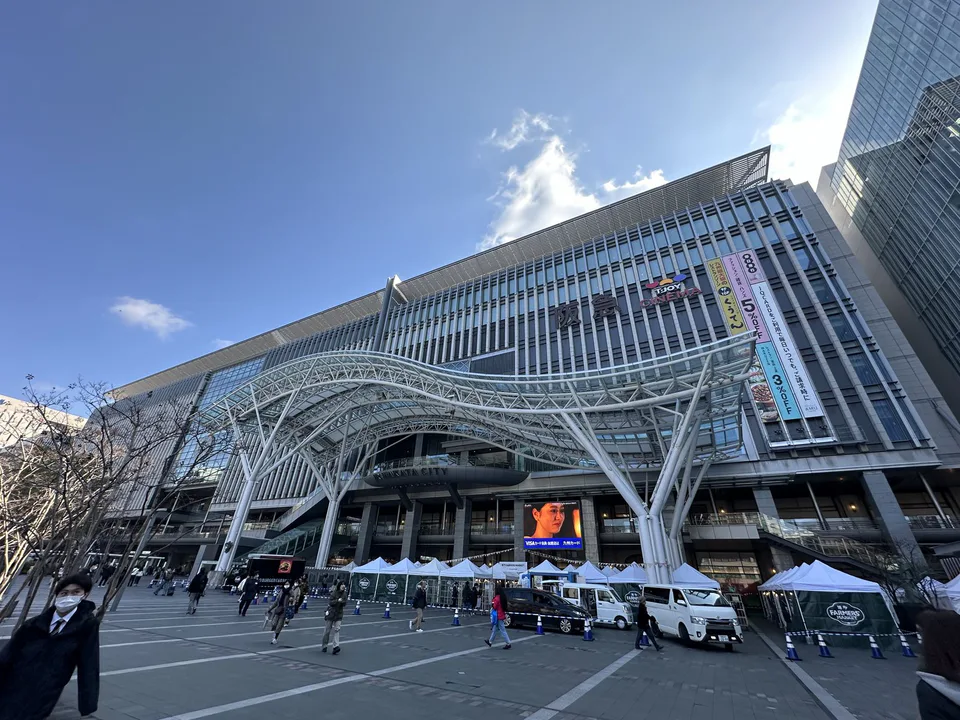
Fukuoka in September: less heat than August, but rain still changes the plan
Fukuoka averages 24.7°C in September, with a normal high of 28.6°C, a low of 21.6°C and 175.1 mm of rainfall. The temperature drop from August is real, but September is not simply 'better weather.' Autumn rain systems and tropical cyclones can still disrupt outdoor plans, trains, buses, ferries and day trips.
A compact umbrella, quick-dry shoes or footwear you can tolerate getting wet, dry socks and a waterproof pouch are often more useful than a heavier jacket. If your forecast starts showing repeated rain, save thisJapan rainy-day itinerary backup guide before you leave. The useful question is not just 'what indoor attraction can I find?' but which outdoor plans can be shortened, which reservations can move and which transport links are actually vulnerable.
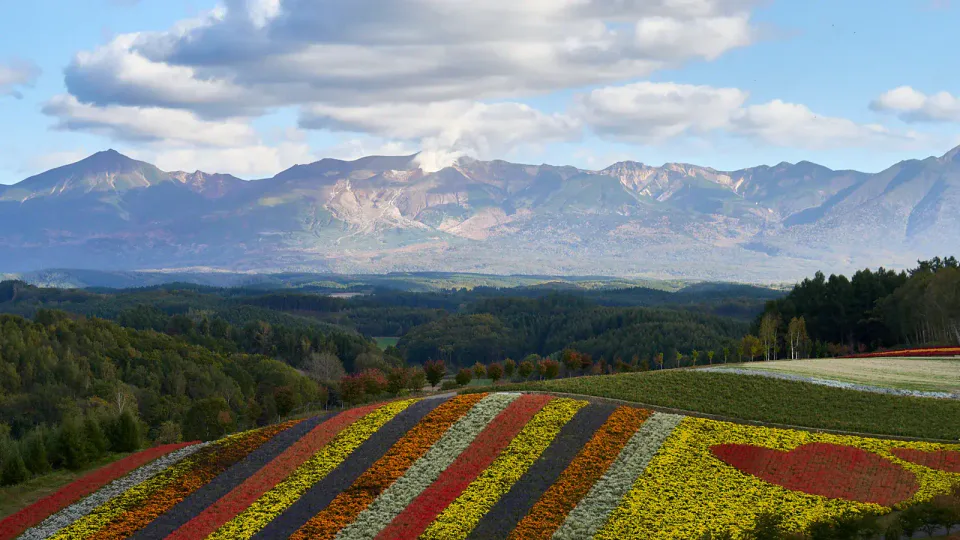
Hokkaido in September: Sapporo is already in a different season
Sapporo's September normal is 18.6°C, with a high of 22.8°C, a low of 14.8°C and 142.2 mm of rain. A sunny afternoon may still work in a T-shirt, but 14–15°C lows are enough to make a Tokyo-only summer packing list feel wrong. A long-sleeve top, thin knit or light wind-resistant jacket belongs in the basic bag, not the emergency section.
If your route includes Sapporo, Otaru, Furano or Biei, use thisHokkaido summer and shoulder-season route to keep the driving and rail distances realistic. If you are specifically traveling for early color, theHokkaido autumn leaves guide is the better next step. JNTO notes that some high-elevation parts of Daisetsuzan can begin changing color in September, but that should not be mistaken for Sapporo city being in full autumn foliage at the same time.
Counterpoint: if Sapporo averages 22.8°C in the day, do I need a thick jacket?
Not for a normal city itinerary. September in Sapporo is about thin layers you can add and remove. Heavier insulation becomes more relevant for higher elevations, long pre-dawn or evening outdoor periods, or farther-north itineraries—not because the city average itself demands winter clothing.
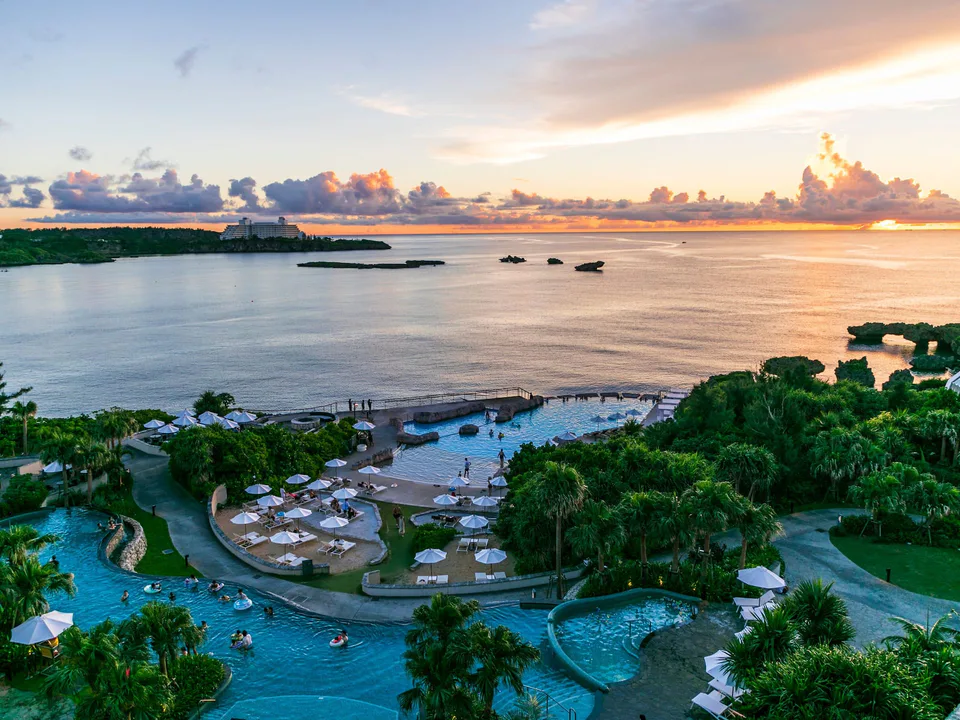
Okinawa in September: warmth is easy; sea conditions are the harder decision
Naha averages 27.9°C in September, with a normal high of 30.6°C, a low of 25.8°C and 275.2 mm of rainfall. This is still summer packing: breathable quick-dry clothes, sun protection, spare dry clothing and a waterproof bag matter more than knitwear.
What deserves more attention is weather disruption. If your trip includes ferries, snorkeling, diving or island-hopping, keep theOkinawa rainy-day and typhoon backup guide handy. Marine activities are not guaranteed simply because the rain icon disappears; wind, waves, thunderstorms and the operator's safety call can cancel a trip before conditions look dramatic from shore. First-time visitors can also use thisOkinawa travel planning guide to keep transport and hotel bases flexible enough for a weather change.
How much should you worry about typhoons in September?
JMA's 1991–2020 typhoon normals show about 5.0 tropical cyclones forming in September, 3.3 approaching Japan and 1.0 making landfall in Japan in an average September. The same normals show roughly 1.9 approaches to mainland Japan and 2.0 to Okinawa/Amami. These are long-term averages, not your personal probability of meeting a typhoon on a five-day trip.
The practical lesson is about itinerary structure. Do not stack every non-refundable booking, ferry, island transfer and weather-dependent activity into a chain with no recovery day. When a tropical cyclone forms, check JMA updates first, then the airline, JR or private railway, highway bus, ferry, attraction and activity operator notices that apply to your actual route.
A typhoon normal is not a forecast
September deserves more flexibility than a stable-weather month, but it would be equally misleading to describe the whole month as a typhoon washout. Use the climatology to decide how much backup you need; use current forecasts and operator notices to decide whether to change a specific day.
Tokyo + Hokkaido or Tokyo + Okinawa: do not average the suitcase
Tokyo + Hokkaido: share the summer base, add one 15°C-capable layer
Early-September Tokyo can still reach around 30°C while Sapporo's normal lows sit near 15°C. Do not compromise by packing everything for a vague 22°C. Share the T-shirts and light bottoms, then add one proper long sleeve or light jacket for Hokkaido. That is both warmer and more space-efficient than converting the whole bag into autumn clothing.
Tokyo + Okinawa: similar clothes, very different weather risk
Early-September Tokyo and Okinawa can both be handled with summer clothes, but the failure modes are different. Tokyo is more about urban heat, rain and route efficiency. Okinawa is more exposed to marine cancellations and transport changes. If you want reliable access to forecasts, transport updates and operator messages while moving between regions, sort out yourJapan eSIM setup before departure rather than relying on public Wi-Fi at the moment plans start changing.
Five September packing mistakes that matter more than the brand of jacket
First, treating September as autumn everywhere in Japan. Second, using a monthly average without checking whether you travel on September 3 or September 28. Third, packing an umbrella but no plan for wet shoes, dry socks or waterproof storage. Fourth, using one clothing system for Tokyo and Hokkaido. Fifth, waiting until a typhoon warning appears before reading the cancellation terms on ferries, marine activities or non-refundable bookings.
When to check the forecast: climate normals pack the bag; live updates run the trip
About 7–10 days before departure, look at the high-low temperature trend and broad rain pattern to decide your short-sleeve, light-layer and rain-gear ratio. Around 48–72 hours before each outdoor-heavy day, check hourly rain, wind and thunder risk and reorder the itinerary if needed. If a tropical cyclone develops, switch to daily checks of JMA and the transport or activity providers that matter to your route. Climate normals help you pack. Live forecasts and operating notices decide the day.
FAQ: Japan September weather and what to wear
Do I need a jacket in Japan in September?
For Tokyo, Osaka, Kyoto and Fukuoka, a light long-sleeve layer is usually enough as a baseline, especially later in the month. Sapporo deserves a more dependable light jacket for 15°C-class mornings and evenings. Okinawa usually does not need a warmth-focused jacket.
Is early September very different from late September?
Yes, especially in Tokyo. JMA daily normals fall from about 30.0°C / 22.5°C on September 1 to 24.7°C / 17.6°C on September 30. A single monthly average of 23.3°C hides the most useful packing information.
Is Kyoto still hot in September?
Yes. Kyoto's normal September high is 29.2°C, and the climate normals show about 13.3 days reaching at least 30°C. Early and mid-September still deserve summer-style pacing for long temple and hillside walks.
Will Okinawa be cool in September?
No. Naha's normal September high is 30.6°C and the low is 25.8°C. Warmth is rarely the problem; rainfall, wind, typhoons, waves and marine-activity cancellations matter more.
Final call: pack Japan in September by date and region, not by the word 'autumn'
For early September in Tokyo, Kansai and Fukuoka, think of the trip as summer with some relief rather than full autumn. By late September, a light layer becomes genuinely useful and longer walks are easier to justify. Hokkaido needs early-fall layering from the start of the month. Okinawa stays in summer mode. The biggest mistake is not forgetting one garment; it is ignoring the temperature drop within the month and then building every outdoor day, ferry, marine activity and non-refundable reservation with no weather fallback.
Data basis: Japan Meteorological Agency 1991–2020 climate normals and typhoon normals. Actual temperature, rainfall, typhoon tracks, transport operations and sea conditions vary by date, so recheck current forecasts and operating notices before travel.