
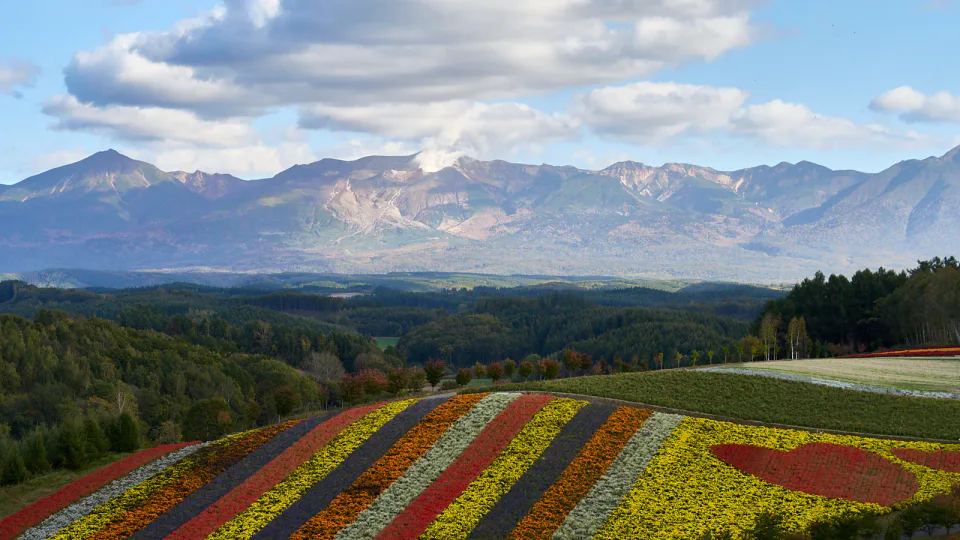
Hokkaido autumn leaves should be planned as a downward and southward progression, not as a list of famous places from a Sapporo hotel. As of 25 August 2026, nationwide foliage services still have not opened their 2026 season, but the first local alpine-watch signal has appeared at Asahidake: its ropeway operator described the mountain on 19 August as moving from summer toward the entrance to autumn. That is a reason to start monitoring the highest Daisetsuzan zone now, not a reason to claim that Hokkaido is already at peak.
The practical sequence is: high Daisetsuzan first → Sounkyo and central Hokkaido next → Sapporo/Jozankei later → Onuma/Hakodate later still. Choose the travel window first, then the base city and access product. A ropeway ticket, rail pass or rental car comes after that decision.
↔ Scroll table left or right
Planning window | Main zone | What to monitor / use | Main failure mode |
Late Aug–early Sep | Highest Daisetsuzan watch | Asahidake first; Kurodake upper zone next | A seasonal-transition signal is not the same as explicit colour |
12–23 Sep | Ginsendai + Daisetsuzan autumn-control period | Reserved Sounkyo charter or reserved private-car access | Using the wrong shuttle system or missing a fixed return |
Late Sep–early Oct | Central Hokkaido elevation sequence | Asahidake/Kurodake lower bands, Sounkyo, Biei/Tokachidake side | Upper slopes may be finished or icy while lower zones are still good |
Mid Oct | Sapporo / Jozankei / lower central Hokkaido | City parks, Jozankei, Hoheikyo, Otaru, lower Furano-Biei | Treating outer Jozankei attractions as one walkable cluster |
Late Oct–early Nov | Lowland / southern Hokkaido | Sapporo parks, Otaru, Onuma, Hakodate | Chasing another summit after the mountain season has moved on |
25 August status: Hokkaido is entering monitoring season, not peak season
Tenki.jp and Weathernews still say their 2026 nationwide foliage information is expected around September. So this guide does not publish a “2026 Hokkaido peak week” today. The current useful evidence is local.
Asahidake Ropeway's 19 August operator post says the area is moving from summer toward autumn. On 24 August its Sugatami Station around 1,600 metres reported roughly 15°C with rain and poor visibility. That is enough to switch Asahidake from historical planning into live monitoring. It is not enough to label the mountain red, near peak or peak.
Kurodake's mid-August operator page was still presenting spring/summer seasonal information. Its ropeway/chairlift operation is nevertheless fully published for 2026, so travellers can prepare the access plan while waiting for a dated colour report.
The correct late-August response is therefore: watch the exact mountain, keep the base flexible, and let explicit colour + operation + weather choose the day.
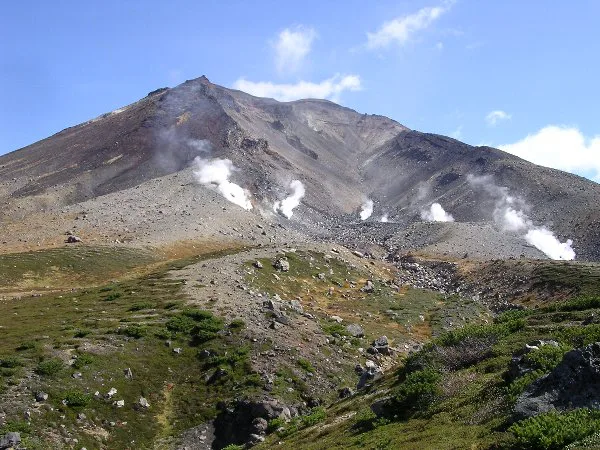
Historical Asahidake foliage image, not a current August 2026 colour report.
Asahidake, Kurodake and Ginsendai are three different products
↔ Scroll table left or right
Destination | 2026 access | Best for | Decision risk |
Asahidake | Ropeway; peak-season adult return JPY 3,500 | Sugatami, fumaroles, open volcanic plateau, photography | Wind/cloud can erase the day; car-free return bus is limited |
Kurodake | Ropeway JPY 3,000 return; chairlift JPY 1,200 return; combined JPY 3,900 | Modular stop at 5th station, optional chairlift, Sounkyo overnight | Chairlift runs only through 15 Oct; ropeway hours shorten later |
Ginsendai | Sep 12–23 autumn vehicle control with reservations | Early alpine colour + a real hiking day | Highest transport/hiking failure cost |
Asahidake is currently the first place to watch because its operator has already published a seasonal-transition signal. That does not make it the best mountain for every party. Kurodake is easier to shorten for older travellers or families. Ginsendai is the specialist choice where transport, hiking ability and current colour all need to align.
Ginsendai 2026 is no longer “pending”: the date changes the access system
The old advice to “wait for the 2026 access plan” is now obsolete. Kamikawa Town has published the 2026 systems.
The small summer climbing shuttle operates on listed weekends/holidays only through 6 September, with eight seats and reservation required by 17:00 the previous day. Then, from 12–23 September, Ginsendai enters the autumn vehicle-control period.
During that autumn period, the official Sounkyo charter schedule is:
Sounkyo 06:00 → Ginsendai 07:00
Sounkyo 07:00 → Ginsendai 08:00
Ginsendai 15:00 → Sounkyo 16:00
Ginsendai 15:30 → Sounkyo 16:30
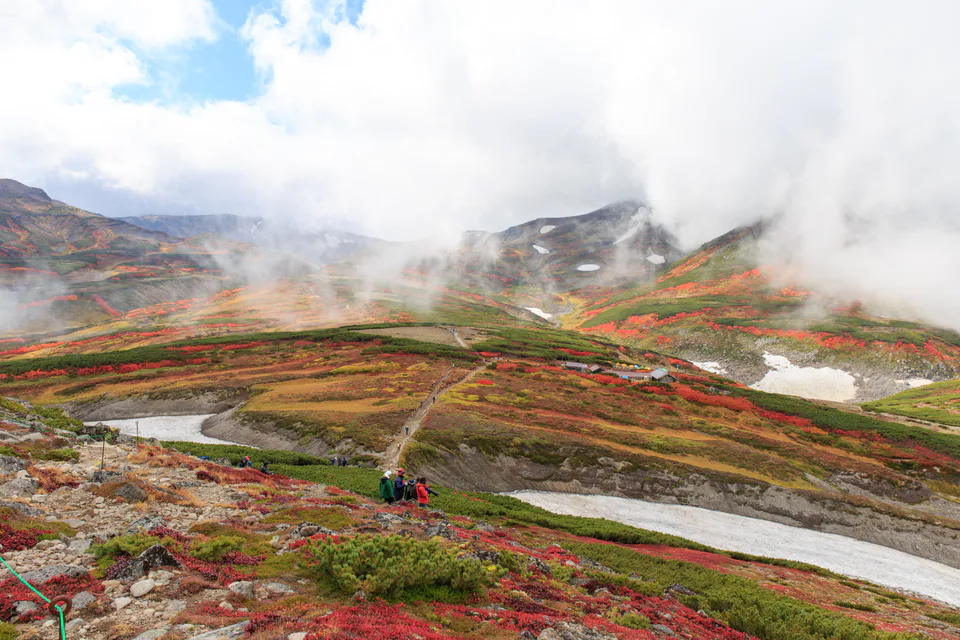
The published fare is JPY 2,500 one way / JPY 5,000 return, with 40 people per charter bus. Private vehicles also use a reserved alternating-direction system during the control period and pay a JPY 2,000 cooperation fee per car.
The planning implication is bigger than the fare: Sep 6, Sep 9 and Sep 15 are three different Ginsendai transport problems. The transition dates 7–11 September should be checked directly rather than filled with assumptions from either published shuttle system.
Use the Ginsendai access guide for the exact 2026 decision flow.
Kurodake's 2026 operating calendar creates a hard late-season boundary
Kurodake Ropeway currently lists JPY 3,000 adult return, about seven minutes each way and 20-minute service intervals. It runs 06:00–18:00 through 30 September, 07:00–17:00 from 1–15 October and 08:00–16:00 from 16 October to 8 November. It then closes for maintenance from 9–30 November.
The summer chairlift is a separate product. In 2026 it runs 06:30–17:30 through September and 07:30–16:30 from 1–15 October, then closes for maintenance from 16 October. The adult return fare is JPY 1,200; the combined ropeway/chairlift return is JPY 3,900.
This creates an important failure mode for travellers using historical colour photos: a late-October foliage report cannot recreate the chairlift after the summer operating season has ended. The attraction available on your date matters as much as the colour.
Build the route by elevation, then by hotel base
Asahikawa is the resilient mountain gateway when you want Asahidake, Biei, airport access, restaurants and weather swaps. Sounkyo earns an overnight when Kurodake or Ginsendai is important enough to justify an early start plus onsen/gorge fallback. Sapporo becomes stronger when the foliage target drops toward city parks, Otaru and Jozankei. Hakodate becomes useful when the season is moving to southern lowlands.
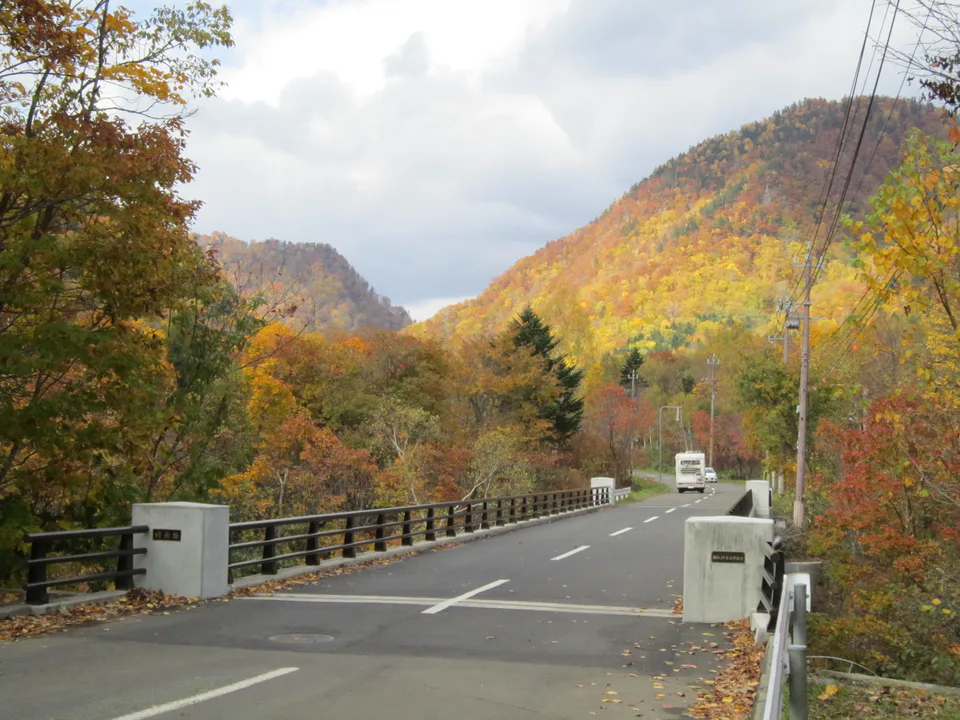
A hotel move should buy more than a few saved kilometres. For Sounkyo, it should buy at least two useful sessions: for example an onsen evening plus an early Kurodake attempt, or a Ginsendai charter plus a lower-gorge fallback. Otherwise keep Asahikawa and protect flexibility.
Four realistic Hokkaido foliage structures
↔ Scroll table left or right
Window | Suggested bases | Why | What not to do |
Early/mid Sep · 5 days | Asahikawa 2 + Sounkyo or Asahidake Onsen 2 + final city/airport night | Two weather windows for Daisetsuzan plus one lower fallback | Asahidake + Kurodake + Ginsendai in one rushed day |
Late Sep/early Oct · 6 days | Asahikawa 2 + Sounkyo 2 + Sapporo 2 | Follow elevation downward while keeping flight protection | Keep chasing the highest slope after ice/snow arrives |
Mid Oct · 5 days | Sapporo 3 + Jozankei 1 + airport buffer | Urban, onsen and one outer foliage corridor | Treat Hoheikyo and Sapporo Kokusai as one short outing |
Late Oct/early Nov · 5 days | Hakodate 3 + Onuma 1, or Sapporo 2 + Hakodate 3 | Follow the season south instead of forcing another summit | Use Hakodate/Onuma as a Sapporo day trip |
Rail passes do not buy the mountain access
The Hokkaido Rail Pass can make sense when the trip contains several long JR limited-express sectors, but the expensive mountain pieces remain separate: local buses, ropeways, chairlifts and controlled-access charters. A rail pass cannot create a Ginsendai reservation, reopen a ropeway or protect a missed rural return.
The original decision therefore survives any fare change: price the long rail spine first, then add the final mountain access. Do not judge a pass from the number of Hokkaido cities listed on the itinerary.
Drivers gain flexibility in Biei and some lower-elevation areas, but the car becomes a worse product after first snow or frost for travellers without cold-road experience. A paid rental is not a reason to keep driving an exposed mountain road in unsuitable conditions.
First snow and wind are part of autumn planning, not separate winter problems
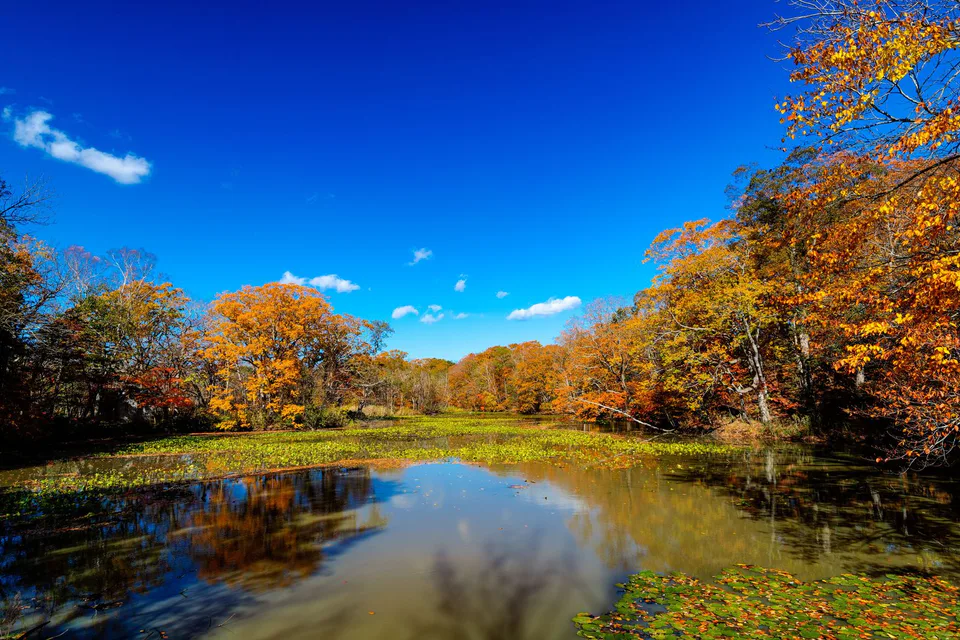
The earliest foliage zones are high enough that cold rain, frost, fog, wind and first snow can arrive while lower Hokkaido still feels like ordinary autumn. A working ropeway does not certify the trail surface. Cancel exposed walking when the party lacks the equipment or experience for ice/snow.
Use a base-city Plan B: Asahidake failure → Higashikawa/Biei/Asahikawa; Kurodake/Ginsendai failure → Sounkyo gorge/onsen; high central Hokkaido finished → move lower toward Sapporo/Jozankei rather than another summit at the same elevation.
Final verdict: follow the season instead of protecting one famous mountain
Right now, monitor Asahidake first, but do not book from a vague “autumn has started” headline. For September, use Daisetsuzan as a corridor and let current colour, road/ropeway operation and the correct Ginsendai access regime choose the day. In October, move down toward Sounkyo, Sapporo and Jozankei as the high zone finishes. By late October and early November, southern lowlands such as Onuma/Hakodate can be more rational than another high-mountain gamble.
The best Hokkaido autumn route is not the itinerary that reaches the most famous viewpoints. It is the one that always has a lower, later or safer place to go when the mountain is green, finished, hidden or closed.
Compare Hokkaido autumn hotels on Booking.com
Related planning and official checks
References and verification date
tenki.jp — 2026 nationwide foliage-service status · Weathernews — 2026 foliage-service status · Asahidake Ropeway — current operation, weather and dated seasonal updates · Kurodake Ropeway / chairlift — 2026 fares and operating periods · Kamikawa Town — 2026 Ginsendai autumn vehicle control. Checked 25 August 2026. Current colour, wind, road status, ropeways and first snow can change quickly.