
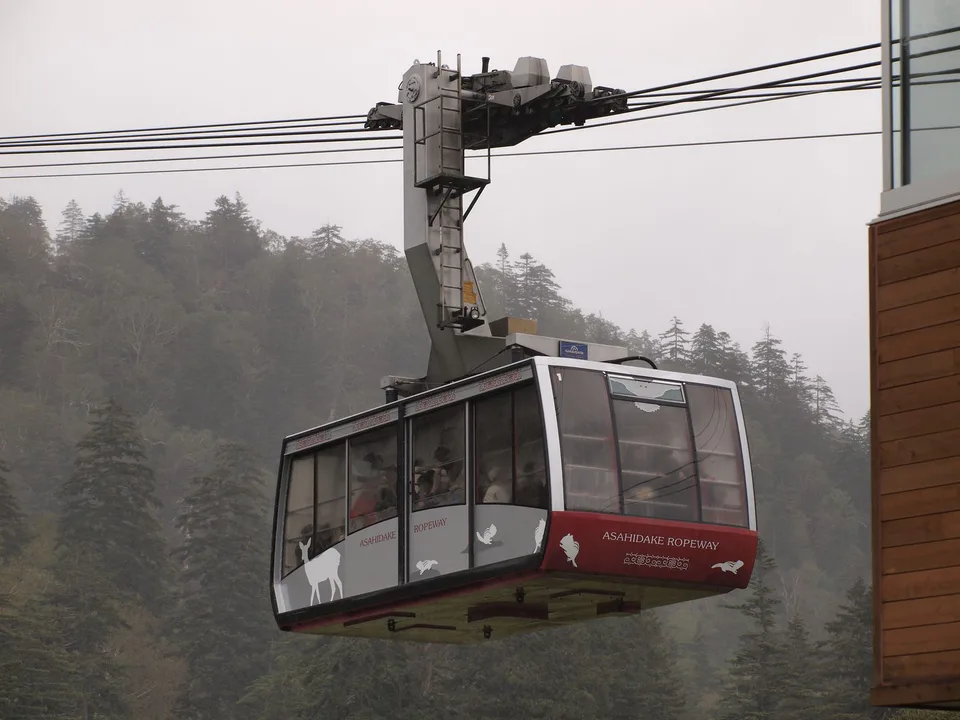
As of 25 August 2026, Asahidake is the more useful first mountain to monitor for the earliest Daisetsuzan autumn signal, but that does not yet make it the automatic mountain to visit. Asahidake Ropeway published a dated 19 August update describing the area as moving from summer toward the entrance to autumn, while Kurodake's most recent official seasonal status available in mid-August was still labelled spring/summer with alpine-flower information. That is a monitoring difference, not proof that Asahidake is already at peak colour.
For the trip itself, choose Asahidake when Sugatami Pond, fumaroles, open volcanic scenery and an Asahikawa-based day are the main value. Choose Kurodake when you want a more modular visit — ropeway only, optional open chairlift, Sounkyo onsen and an easier stop-loss for children or older travellers. Do not force both mountains into one day simply because both can colour early.
↔ Scroll table left or right
Your real priority | Start with | Why | Main catch |
Earliest late-August / early-September monitoring | Asahidake first | Its operator has already published a 19 Aug seasonal-transition signal | A seasonal hint is not an explicit colour-stage report |
Sugatami Pond, fumaroles, broad volcanic plateau | Asahidake | The landscape above the ropeway is the destination | More exposed walking and a bus timetable if car-free |
Shorter sightseeing / mixed-age group | Kurodake | Ropeway to 5th station works without committing to the chairlift or summit | The open chairlift adds wind and boarding constraints if you continue |
Onsen overnight + second morning weather chance | Kurodake / Sounkyo | The hotel base itself has value when the mountain is hidden | Meal times and Sounkyo transport become fixed constraints |
One flexible mountain day from Asahikawa | Asahidake | Route 66 makes a car-free out-and-back possible | Bus frequency creates a hard return deadline |
25 August watch status: do not confuse “first signal” with “best colour”
The useful update this week is not a peak forecast. Asahidake's official ropeway site published a 19 August blog entry describing the mountain as moving from summer toward autumn. On 24 August, the live Sugatami Station conditions at about 1,600 metres were around 15°C with rain and poor visibility. That combination is enough to tell autumn travellers to start checking the mountain frequently; it is not enough to publish a red-leaf percentage.
Kurodake's official site was still showing a spring/summer seasonal-information label in its mid-August live updates, with alpine-flower information rather than a current autumn-colour stage. Its operator nevertheless describes the summit area as normally beginning to colour around early September. Treat that statement as seasonal planning context until a dated 2026 observation replaces it.
ValueNavi rule for the next few weeks: choose the mountain from the newest explicit colour report plus same-day operation, not from which mountain historically starts first. If Asahidake reports better colour but the ropeway is suspended in strong wind, Kurodake can be the better actual day. If neither has a clear colour report yet, keep the hotel base and wait rather than chasing a vague seasonal headline across Hokkaido.
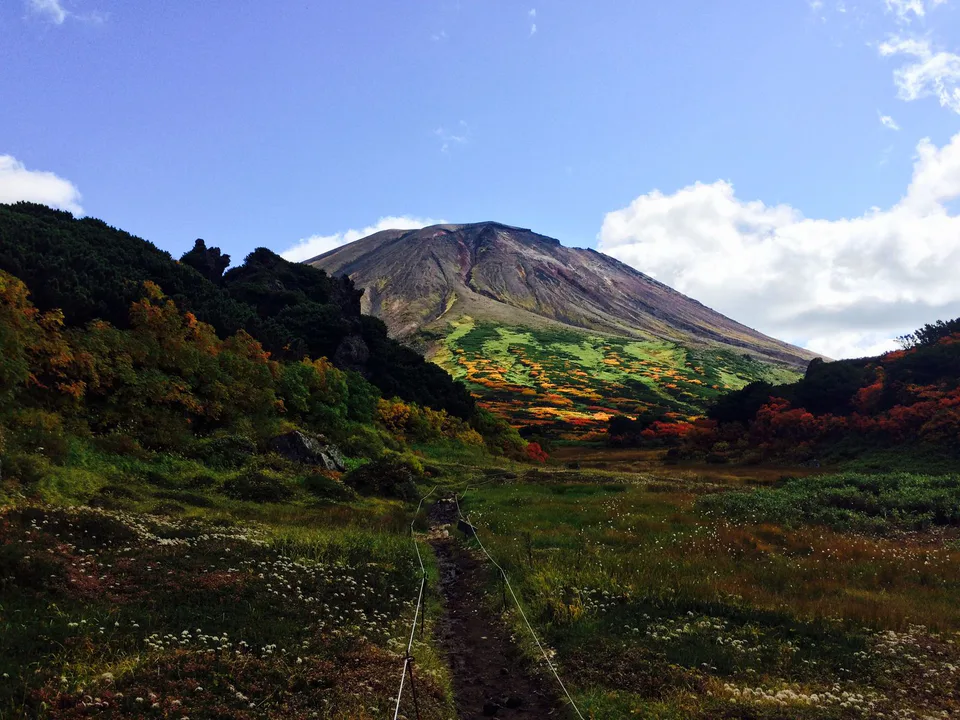
Walking difficulty is the biggest practical difference
Asahidake is accessible by ropeway, but the sightseeing route above the station remains a high-alpine environment. The official Sugatami walking circuit is about 1.7 km and roughly one hour as a reference, with thick-soled shoes and rain/wind protection recommended. Gravel, uneven surfaces, exposed wind and rapid weather change matter more than the word “ropeway.”
Kurodake is easier to shorten. Its ropeway takes about seven minutes from Sounkyo at 670 m to the 5th station around 1,300 m. The operator lists an easy 5th-station walking course of roughly 30 minutes. You can stop there without using the open chairlift or starting the summit hike.
The optional summer chairlift then climbs from the 5th to 7th station around 1,520 m. In 2026 the summer chairlift operates through 15 October, with reduced hours from 1 October; it is scheduled for maintenance closure from 16 October. That date can become more important than leaf colour on a late trip: a beautiful mid-October report does not recreate a chairlift after its operating season ends.
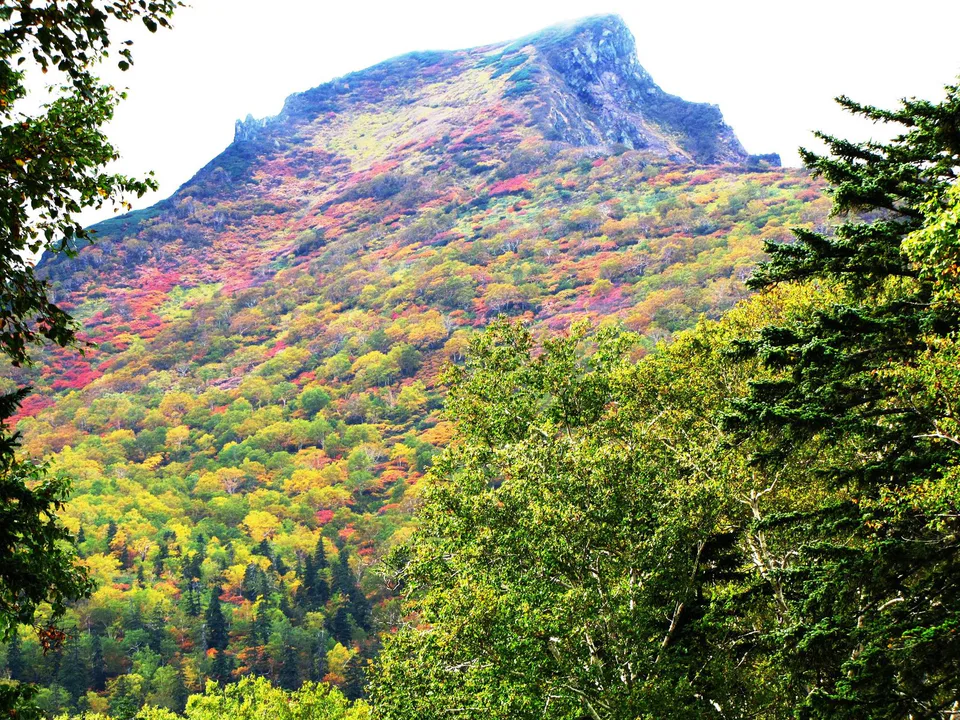
Asahidake is the photography-first product; Kurodake is the modular product
Asahidake gives you a broader visual payoff immediately above the ropeway: ponds, fumaroles, volcanic slopes and a more open sense of scale. That makes it the stronger first choice when the objective is alpine photography and the group is comfortable walking in exposed conditions.
Kurodake's value is modularity. Ropeway only gives you the 5th station and a short walking option. Ropeway + chairlift gives you a higher mountain experience without automatically committing to the summit. Staying in Sounkyo adds an onsen evening and the possibility of looking at the mountain again the next morning before deciding how far to go.
This is also why “which has better leaves?” is often the wrong search intent. If one traveller will not use an open chairlift, that can decide Kurodake's upper section before colour enters the comparison. If another traveller wants fumaroles and Sugatami Pond, Kurodake cannot substitute for that landscape even on a better foliage day.
Car-free travel: Asahidake is a timetable problem, Kurodake is a base problem
Asahidake works without a car because Route 66 connects Asahikawa Station and Asahikawa Airport with Asahidake. The constraint is frequency. Select the return bus before you start the walk; the last comfortable connection is part of the mountain route.
Kurodake can also be reached without a car through Sounkyo, but its strongest car-free version is often an overnight. A long same-day transfer from Asahikawa gives weather one chance. A Sounkyo night gives the mountain two windows and makes the onsen town useful when the ropeway view is poor.
This does not mean everyone should add a hotel move. If Hokkaido has only four or five nights and Asahikawa already supports Biei, airport access and other day trips, keeping Asahikawa can be more resilient than moving luggage solely for one mountain morning.
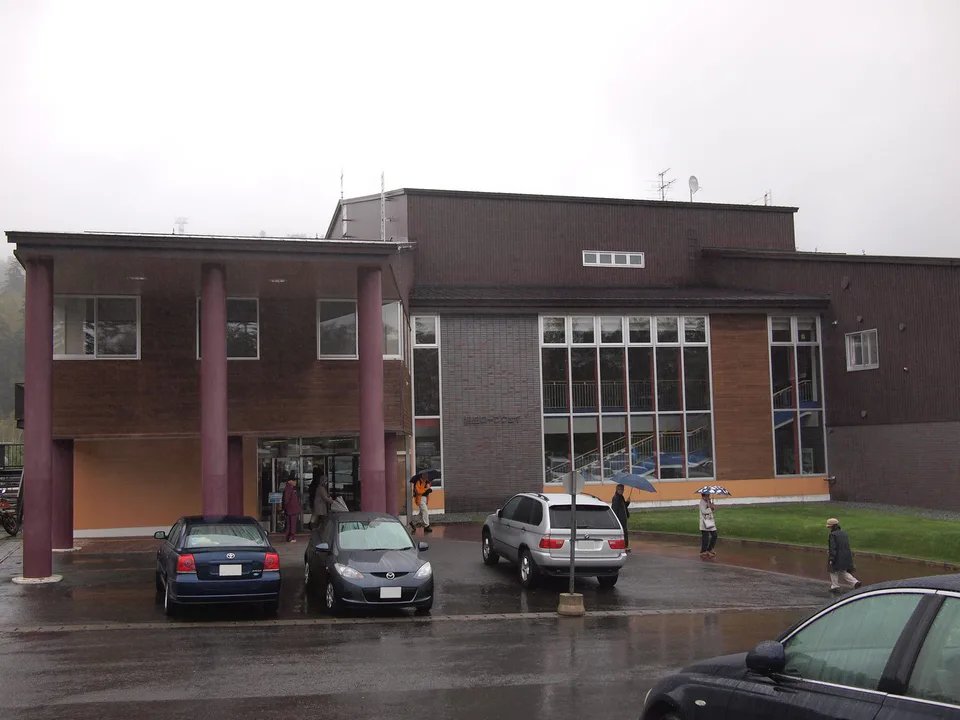
Where to stay: buy a second weather window only when it has another job
Stay in Asahikawa when either mountain is one optional day inside a larger northern-Hokkaido trip. Restaurants, laundry, airport access, Biei and lower-risk weather backups make the city a resilient base. If Asahidake is cancelled, you can redirect the day without abandoning the hotel.
Stay in Sounkyo when Kurodake plus the onsen town genuinely deserve two travel windows. The hotel should do more than save one morning bus. Dinner, bath time, lower-gorge scenery and the ability to retry the ropeway in the morning should all count toward the move.
Use the same test applied elsewhere in ValueNavi: a second hotel is worth adding when it unlocks at least two useful sessions that the first base cannot provide. “The mountain might look better tomorrow” alone is weak justification for a checkout and luggage transfer.
Search Asahikawa hotels on Booking.com
Compare Sounkyo hotels on Expedia
Families and older travellers should use different finish lines
For older travellers or anyone with knee or balance concerns, Kurodake's 5th station is the cleanest stop-loss. It gives a mountain visit without forcing the chairlift or summit. For families, wind, toilets, clothing and the child's tolerance for the open chairlift matter more than copying an adult hiking time.
Asahidake can still work well for a mixed-age group when the finish line is a shortened Sugatami walk rather than the complete loop. Do not treat “we paid for the ropeway” as a reason to keep walking after conditions or mobility say stop.
Weather can reverse the foliage winner on the morning itself
A foliage comparison is useless without an operation comparison. Asahidake's official ropeway page warns that strong wind, lightning and other bad weather can suspend service. Kurodake also publishes live ropeway, lift, temperature, wind and parking information.
Use this same-morning order:
Newest explicit foliage or seasonal observation.
Ropeway / chairlift operating status.
Wind, visibility and temperature at elevation.
Return transport and daylight.
Only then decide which mountain has the better day.
If Asahidake is hidden, Biei, Higashikawa or Asahikawa can rescue the day. If Kurodake is poor, Sounkyo still gives lower-gorge scenery, onsen and indoor time. A base with a useful failure mode is part of the mountain choice.
Final verdict
For the earliest 2026 monitoring right now, watch Asahidake first because its operator has already signalled the transition toward autumn. For the actual booking, choose Asahidake for Sugatami, fumaroles, exposed alpine photography and an Asahikawa day; choose Kurodake for a modular ropeway/chairlift visit, Sounkyo onsen and an easier stop-loss for mixed-age groups.
The answer can reverse on the morning of travel. Better colour does not beat a suspended ropeway, poor visibility or a missed return. Do not force both mountains into one day. Use the time you save to preserve weather margin and make one mountain experience work properly.
References and verification date
Daisetsuzan Asahidake Ropeway — current operation, live weather, schedules and dated blog · Asahikawa Denkikidou — Route 66 timetable · Kurodake Ropeway — live operation and seasonal information · Kurodake Ropeway / chairlift details and 2026 operating periods. Checked 25 August 2026. Foliage, wind, visibility and ropeway operation can change quickly; use same-day operator information.
Ginsendai Autumn Leaves Guide: Shuttle Buses, Access Restrictions and Hiking
Nikko vs Okunikko in Autumn: Day Trip, Overnight and Where to Stay
Where to Stay at Lake Kawaguchi for Autumn Leaves: Station, North Shore or Fuji-Yoshida?
Karuizawa Autumn Leaves 2026: Kumoba Pond, Shiraito, Cycling and Trains
Takachiho Gorge Autumn Leaves 2026: Boat Booking, Kagura and Overnight Strategy