
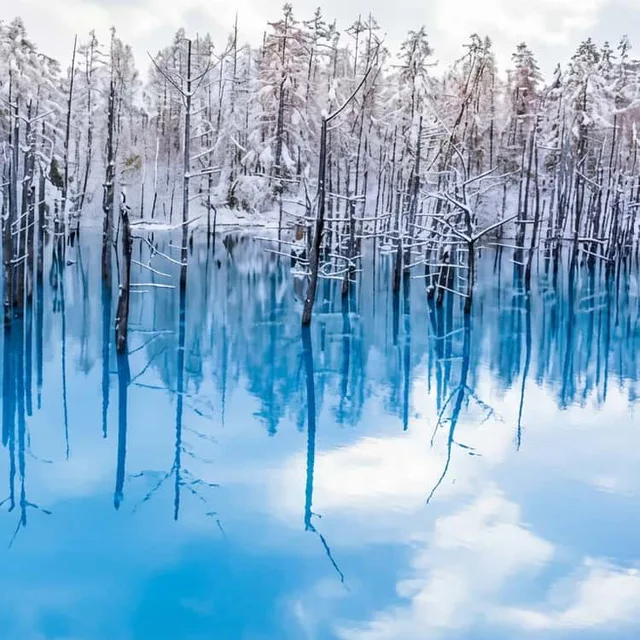
For most first-time visitors using one hotel for two or three nights, I would stay in Furano and visit Biei as a branch day. Biei becomes the better overnight only when sleeping there changes something you cannot reproduce comfortably from Furano: a landscape session before the first practical arrival from Furano, a Shirogane-focused evening or morning, or a much cleaner connection to Asahikawa Airport.
The useful correction is that “I want an early Biei sightseeing day” does not automatically justify moving hotels. Biei Tourism Association’s current 2026 summer connection guide explicitly shows a JR Furano Line train leaving Furano at 08:12 and reaching Biei at 08:44 for the 09:40 morning Biei View Bus. In other words, a normal Furano overnight already protects that tour. The Biei hotel only earns its extra checkout when you need earlier than that, later than the day-trip window, or closer to the airport/ Shirogane corridor.
↔ Scroll table left or right
Your real priority | Start with | Why | What can reverse it |
Skiing or a 2–3 night central-Hokkaido base | Furano | The hotel can serve ski mornings, dining and a Biei branch without another checkout | Biei has a specific dawn/evening job or is the final night before Asahikawa Airport |
2026 summer Biei View Bus is the only Biei priority | Furano is still viable | Official Biei guidance gives Furano 08:12 → Biei 08:44 for the 09:40 morning tour | You want photography or another activity before that arrival |
Shirogane Blue Pond / Shirogane Onsen is the overnight experience | Biei side, often Shirogane rather than Biei Station | Biei Station is still about 20 minutes from Blue Pond by road bus or car | You only want a daytime visit that already fits a Furano branch day |
Early Asahikawa Airport departure | Biei gets much stronger | On the same current Lavender Bus, Biei-to-airport is roughly 20 minutes while Furano-to-airport is about an hour | The bus does not fit the flight; Furano Bus does not guarantee flight connections |
Car-free, large luggage, only two nights | Usually one Furano base | The hotel move can cost more friction than the Furano–Biei rail trip | The Biei night removes a unique early/late session and aligns with the next route |
Rental car + scenery-first summer trip | Closer call | Driving removes much of the station-timetable penalty, so early landscape access can dominate | Dining, skiing or a longer multi-night base matters more than sunrise access |
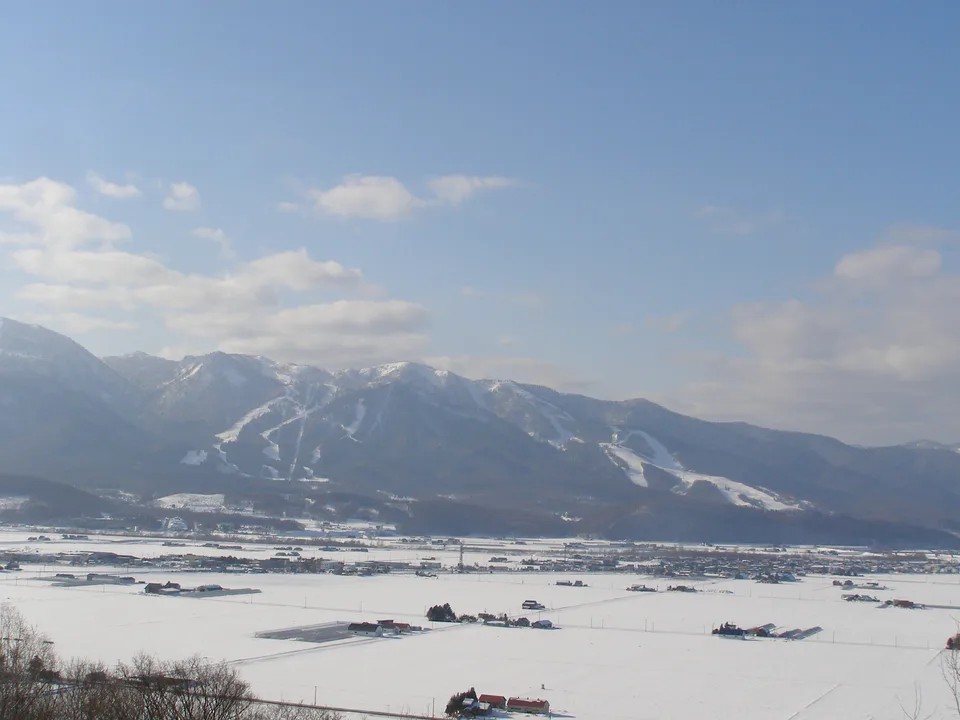
Do not move to Biei just to catch the 09:40 Biei View Bus
This is the cleanest controlled test in the whole comparison. Biei Tourism Association’s 2026 summer View Bus has a morning course departing near JR Biei Station at 09:40. The same official page gives a recommended connection from Furano: JR Furano Line 08:12 departure, Biei 08:44 arrival.
That leaves roughly 56 minutes between the published train arrival and the tour departure. Because the organiser itself presents that connection, sleeping in Biei is not necessary merely to access the normal morning tour. A hotel move would be solving a problem the official timetable has already solved.
Biei overnight begins to earn its value when you want something before 08:44: dawn light on the hills, a very early self-drive loop, breakfast already finished before a private tour, or another edge-of-day session that a Furano-origin day trip cannot reproduce.
This distinction matters because “early sightseeing” is too vague. Early enough for the 09:40 sightseeing bus is different from early enough for sunrise photography. Only the second one creates a strong overnight premium.
Biei Station and Shirogane are not the same overnight product
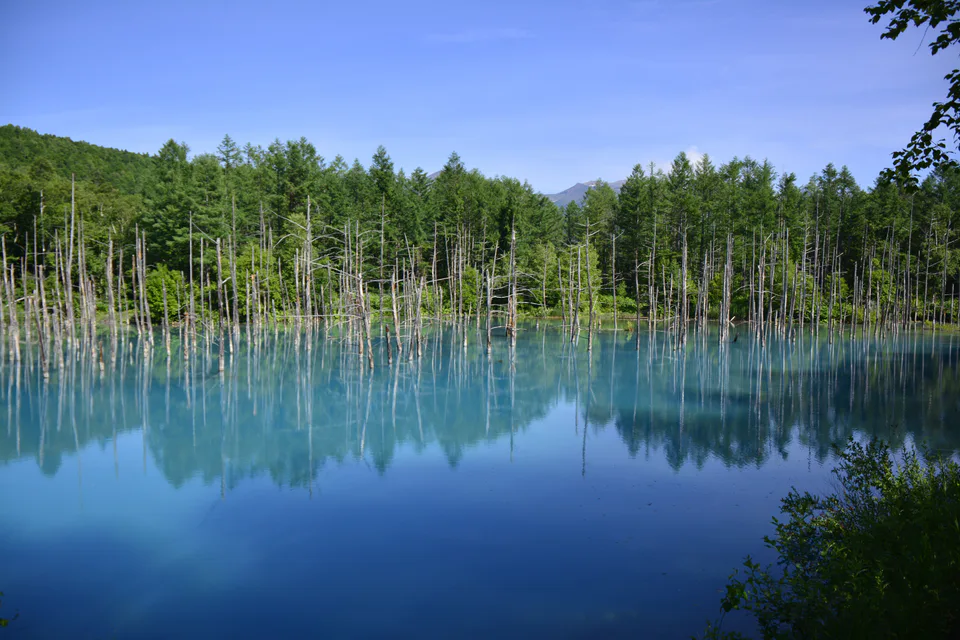
A frequent planning error is to book “Biei” and assume Blue Pond is effectively outside the hotel. Biei Tourism Association currently lists Shirogane Blue Pond at about 20 minutes from JR Biei Station by car or route bus. The Dohoku Bus route between Biei Station, Blue Pond and Shirogane Onsen operates every day, and a Biei–Shirogane 1-Day Pass was introduced in 2026 for the designated section.
That makes Biei Station a practical transport base, but it does not turn it into a Shirogane stay. If the reason for sleeping on the Biei side is a quiet onsen night, an evening around Shirahige Falls or immediate access to the Shirogane corridor the next morning, compare accommodation in Shirogane itself rather than assuming Biei Station has already solved the last mile.
Conversely, if your plan is a daytime Blue Pond visit plus Shikisai-no-Oka, a Biei Station overnight may add little. The 2026 Biei View Bus already packages Blue Pond, Shirahige Falls and flower-field sightseeing into half-day routes from the station, and the Furano connection is workable on published timings.
Asahikawa Airport is the strongest reason to put the final night in Biei
The current Furano Bus Lavender Bus timetable makes this difference unusually easy to quantify because the same bus passes Furano, Biei and Asahikawa Airport.
On the first northbound service in the current 2026 timetable, the bus leaves Furano Station at 06:50, Biei Station at 07:34 and reaches Asahikawa Airport at 07:53. That is about 63 minutes from Furano Station to the airport versus about 19 minutes from Biei Station on the same vehicle. The Biei overnight therefore removes roughly 44 minutes from that particular airport morning without adding a transfer.
The reverse direction shows the same geometry. One published service leaves Asahikawa Airport at 10:37, reaches Biei Station at 10:52 and Furano Station at 11:38. The airport is not just “closer to Biei” in abstract map terms; the through bus turns that proximity into a cleaner travel chain.
There is an important boundary condition: Furano Bus explicitly says its Lavender Bus does not guarantee connections with flights or JR trains. The Biei final night only wins when an actual service leaves enough airport margin for your flight. Do not build an early departure around a bus simply because the timetable looks close.
Furano is stronger when one hotel has to do more than one job
Furano wins by versatility. A multi-night stay can support ski mornings, town restaurants, summer flower-area travel and a Biei branch without another checkout. The current Lavender Bus also serves Furano Station and ski-area stops before continuing through Biei to Asahikawa Airport, so a car-free traveller is not completely dependent on one station-to-station rail pattern.
That matters most on a two- or three-night central-Hokkaido block. If you ski one day, visit Biei another day and then continue north, moving to Biei for one intermediate night can simply convert one rail or bus journey into packing, checkout, luggage handling and another check-in.
If skiing is the reason for choosing Furano, the next decision is more specific: Furano Zone vs Kitanomine. If the trip is sightseeing-first, compare station access with the broader Furano-area stay guide. “Stay in Furano” is still not one hotel geography.
Summer and winter should not use the same overnight logic
Summer: Biei gets stronger for car travellers, photographers and anyone whose high-value hours are before the normal sightseeing-bus day begins. The 2026 Biei View Bus and seasonal Furano/Biei sightseeing services make many daytime highlights accessible without sleeping in Biei, so a Biei hotel should unlock an edge-of-day benefit rather than merely shorten a standard tour.
Winter: Furano gets stronger when skiing is the trip anchor because moving hotels can consume the same mornings you want on the mountain. Biei or Shirogane gets stronger when winter scenery, an onsen stay or a northbound airport/Asahikawa route is the purpose. Do not reuse a summer sightseeing-bus plan in winter; seasonal services and operating patterns differ.
For both seasons, weather can erase a scenic premium. If the forecast removes the sunrise, mountain view or photography condition that justified a one-night Biei move, ask whether the property itself still has enough value—onsen, dinner, room time—to justify the checkout. If not, keeping the Furano base can be the more resilient choice.
Car-free travellers should count service windows, not kilometres
Furano and Biei are close on a map, but the relevant unit for a car-free traveller is the next useful departure. The 2026 Biei View Bus page shows Furano-to-Biei rail examples ranging from roughly half an hour to more than 40 minutes depending on the train. Furano Bus also operates its Lavender Bus through Furano, Biei and Asahikawa Airport, but seats are not reserved and the operator does not promise onward flight or rail connections.
This is why Biei can look closer while still being less convenient for a specific day. A Biei Station hotel does not remove the Blue Pond bus. A Shirogane hotel may remove that bus but create a different onward-transfer problem. A Furano ski hotel may be farther south but eliminate a morning ski transfer you would repeat twice.
Write down the first and last transport of the day, not just the distance between towns. If the hotel only works because one seasonal bus lines up perfectly, that timetable is part of the accommodation decision and must be rechecked for the actual date.
Large luggage raises the burden of proof for a one-night split
A one-night hotel move has a fixed cost: pack, check out, move luggage, store it if the room is not ready, check in again, then reopen everything. Two people with carry-ons may barely care. A couple with two large suitcases, ski bags or winter clothing should demand more from the Biei night.
I would use this test: a Biei night should remove at least one genuinely scarce time window and improve the next route. Examples:
Strong: Furano ski block → Biei/Shirogane evening → early Biei scenery → Asahikawa Airport. The hotel move changes both the experience and the departure geometry.
Strong: rental-car summer trip where sunrise/early hill photography is the purpose and the next day continues toward Asahikawa.
Weak: move from Furano to Biei only to join the 09:40 Biei View Bus, when the organiser already provides an 08:12 Furano connection.
Weak: move to Biei Station for Blue Pond, then still take the same 20-minute route bus you could have used on a branch day.
One night: choose the town that owns the next morning
With only one central-Hokkaido night, there is no room for a cosmetic hotel split. Choose the base that protects the most time-sensitive next morning.
Choose Furano if the next morning is skiing, if Furano dining/evening is part of the stay, or if Biei is a normal daytime sightseeing branch.
Choose Biei if the next morning is deliberately earlier than the practical Furano arrival, if Asahikawa Airport is the next hard deadline and the bus fits, or if the accommodation is really a Biei/Shirogane experience rather than a transit bed.
If the one-night stop sits between Sapporo and Asahikawa, do not ask which town is “more central.” Ask which town reduces the next hard transfer.
Two or three nights: one base is the default, split only for an edge-of-day gain
For two nights, I would normally stay in Furano both nights and visit Biei during the day. That protects luggage continuity and gives the itinerary room to react to weather.
A 1+1 split becomes rational when the Biei night has a specific job: a Shirogane onsen evening, a sunrise session, or an airport-facing final morning. Without one of those, the second hotel is mostly a change of address.
For three nights, the answer depends on the trip identity. Ski-first: keep Furano as the main base unless Biei is a deliberate final-night transition. Scenery-first self-drive: two nights Furano + one Biei/Shirogane can work if the Biei night protects early/late landscape time and the route then continues north.
Families and older travellers should compare the last 20 minutes, not the town label
A family may find Furano easier because dining and a multi-night base reduce repeated packing. An older traveller may prefer Biei if the hotel and airport bus remove a long departure morning. But neither town name guarantees an easy last mile.
Check the actual hotel: station walk, snow/ice conditions, shuttle, elevator, dinner cutoff and the route to the first activity. A Biei property fifteen minutes from the station by taxi can be less convenient than a Furano station hotel for a rail-based family. A Shirogane ryokan can be more convenient than either if the whole purpose is Blue Pond, Shirahige Falls and onsen time.
In winter, leave extra margin for snow and do not assume the walking speed shown on a summer map.
Final verdict: stay in Furano unless Biei changes a scarce hour or the onward route
Furano is the better default for most first-time, car-free and ski-led stays of two or three nights. It can absorb several jobs—skiing, dining, town time and a Biei branch—without another checkout.
Biei is the better specialist overnight. Use it when sleeping there changes a real constraint: scenery before the first practical arrival from Furano, Shirogane evening/morning access, or a much shorter Asahikawa Airport transfer on a service that actually fits your flight.
The red-team question is simple: what can you do because you slept in Biei that you could not do from Furano without unreasonable friction? If the answer is only “take the 09:40 Biei View Bus” or “visit Blue Pond during the day,” keep the Furano room. If the answer is “shoot before 08:44, stay in Shirogane after day-trippers leave, then reach Asahikawa Airport in about 20 minutes on the same through bus,” the Biei night has a clear job.
Sapporo Shopping Hotels: Stay Where You Can Drop Your Bags, Not Just Where the Shops Are
Where to Stay in Osaka With Parents: Cut Transfers Before You Pay for More Luxury
Nikko vs Okunikko in Autumn: Day Trip, Overnight and Where to Stay
References
Biei Tourism Association — 2026 Biei View Bus and official Furano/Biei connection examples · Biei Tourism Association — Shirogane Blue Pond access · Biei Tourism Association — route and sightseeing bus options · Furano Bus — 2026 Lavender Bus timetable via Furano, Biei and Asahikawa Airport · Furano Tourism Association — current transport overview. Checked August 25, 2026. Seasonal trains, buses, road conditions and airport connections can change; verify the exact travel date before booking the hotel around one service.