
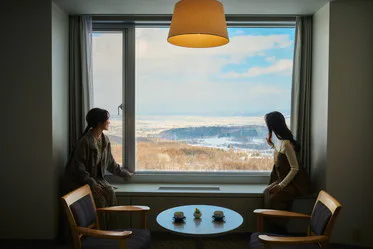
Whether to ski from Sapporo or stay at a ski resort depends mainly on the number of ski days and how much repeated winter transfer friction you will tolerate.
Stay in Sapporo if skiing is one day inside a city trip. For two ski days, Sapporo still works well when you are using nearby mountains such as Sapporo Teine or Sapporo Kokusai and you care about city dinners, nightlife or keeping one hotel. Move to a ski resort when you want three or more full mountain days, when lessons or first lifts make the first morning important, or when repeating the transfer is starting to cost more useful time than the hotel move saves. The real comparison is not city hotel versus resort hotel. It is repeated commute versus one purposeful hotel change.
If you are still deciding how skiing fits the whole Hokkaido trip, use the Hokkaido itinerary by region, nights and transport first. This page handles the next decision: do you need a resort hotel at all, or can Sapporo remain the base?
Ski from Sapporo or stay at a ski resort: the 30-second decision
↔ Scroll table left or right
Ski plan | Base | Why |
1 ski day | Sapporo | A hotel move costs more than one nearby ski commute |
2 nearby ski days + city evenings | Usually Sapporo | Keep one hotel and retain Sapporo after skiing |
2 days with early lessons / children / heavy gear | Consider resort | Morning setup is repeated and delay-sensitive |
3+ full ski days | Ski resort | First/last mountain hours compound across days |
For one ski day, Sapporo is the default because it avoids a hotel move
Sapporo’s official tourism guidance presents several ski areas as realistic city-based day trips, including Sapporo Teine and Sapporo Kokusai. That changes the usual resort logic: you do not have to sleep at a mountain to get a complete ski day. You can keep the same city room and use one full day for snow.
That is especially strong when the rest of the stay is genuinely Sapporo—restaurants, Snow Festival, shopping or another city day. If keeping one hotel is the point, compare Sapporo hotels for four winter nights after the ski-day count is set, and check How Many Days in Sapporo if one extra ski day is competing with an Otaru or city day.
Two ski days is the crossover point, not an automatic reason to leave the city
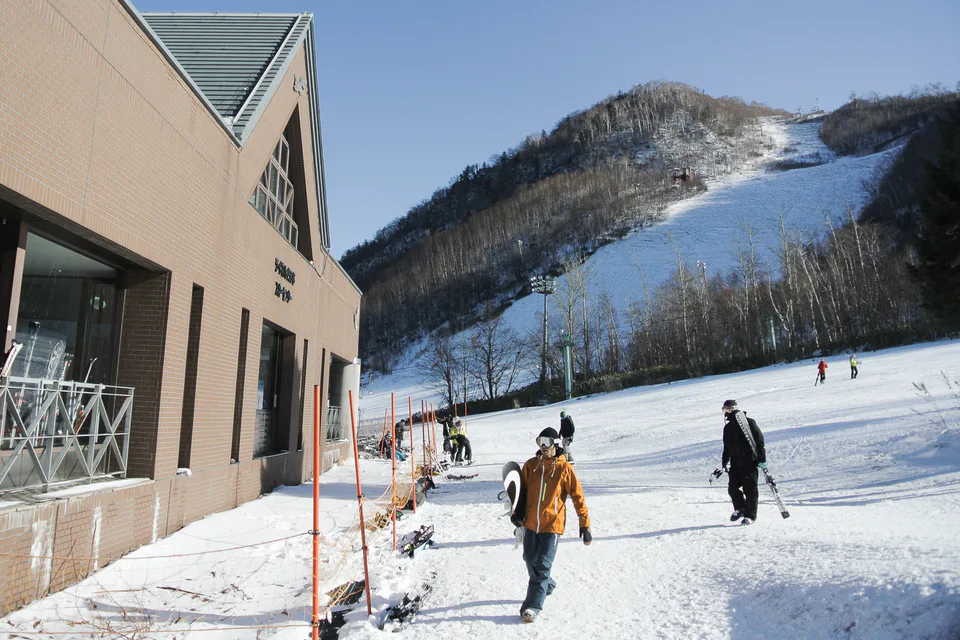
Two nearby ski days can still fit a Sapporo base well. You keep one hotel, ski during the day, and still use the city at night. This is often the better shape for travelers who want skiing as a major activity but not the identity of the entire Hokkaido trip.
The answer changes when both days depend on an early lesson, long equipment setup or a child’s ski-school routine. At that point the commute is a repeated tax on the most useful part of each ski morning. If you keep Sapporo, compare Hotel Emion Sapporo vs Keio Prelia because the exact snowy station walk now repeats before every ski day.
Sapporo Teine shows why a city ski base can work
Teine has a useful rail-first access chain: JR from Sapporo to Teine Station, then a local bus to the ski area. Detailed bus dates are seasonal, so use the geography to compare the day and recheck the actual new-season timetable before fixing a lesson or first-lift plan.
If the choice is specifically between the two main Sapporo day-trip mountains, use Sapporo Teine vs Sapporo Kokusai rather than letting one generic city-base rule pick the resort.
Kokusai works as a day trip only when the return is already solved
Kokusai is more bus-dependent, which captures the core city-base trade-off: Sapporo lets you keep the hotel, but you inherit the transport schedule. For one day, the trade is easy to accept; repeated several times, it becomes the argument for sleeping closer to the mountain. If the whole winter route is car-free, compare this pattern against the 7-day Hokkaido no-car itinerary before adding several scheduled ski transfers to the same base.
Pair this with
If a resort stay is starting to win, pair this article with Niseko vs Rusutsu and Furano Zone vs Kitanomine. If Sapporo itself still has no fixed length, use How Many Days in Sapporo before moving a night away from the city.
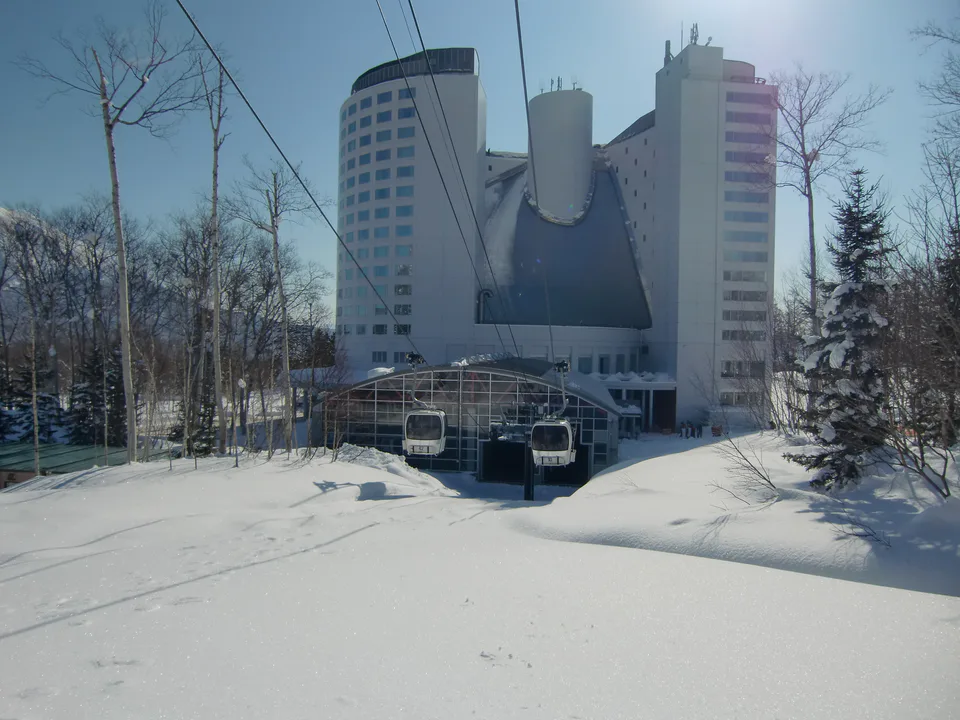
A resort stay buys the first and last hours of the ski day
The resort-hotel premium becomes easier to justify when you use it repeatedly. Wake up, eat, collect gear, meet the instructor or reach the first lift without a city transfer; return to the room when you are finished instead of organizing a bus back. Across three ski mornings, those small removals compound into a different holiday rhythm.
Once skiing becomes a proper multi-night block, use the Niseko Ski Trip Guide or, for a wider first-resort comparison, Niseko vs Furano. The point is to replace repeated city transfers with a coherent resort block, not simply to pay more for a room beside snow.
Beginners and families reach the resort threshold earlier
A first ski morning contains more friction than an experienced skier’s morning: rental fitting, boots, lesson check-in, finding the correct beginner area and often helping children through the same process. One lesson day can still work from Sapporo; two or three consecutive lesson days make the same resort-side rental and meeting point much more valuable. If Niseko is the resort, use the Niseko lift pass, rental and lesson guide to verify the lesson, rental and first-lift chain before locking the hotel.
If Furano is the destination, the Furano stay guide should be solved before you decide whether downtown convenience is worth adding a ski-morning transfer.
Mixed groups often keep Sapporo longer
A skier may see a resort hotel as convenience; a non-skier may see it as several days beside a mountain. Sapporo solves that conflict naturally. In Niseko, compare Hirafu, HANAZONO, Annupuri and Niseko Village because evening and non-ski options vary by area. For non-ski days across Hokkaido, the Hokkaido winter activities without skiing guide helps decide whether a resort stay still works for the whole group.
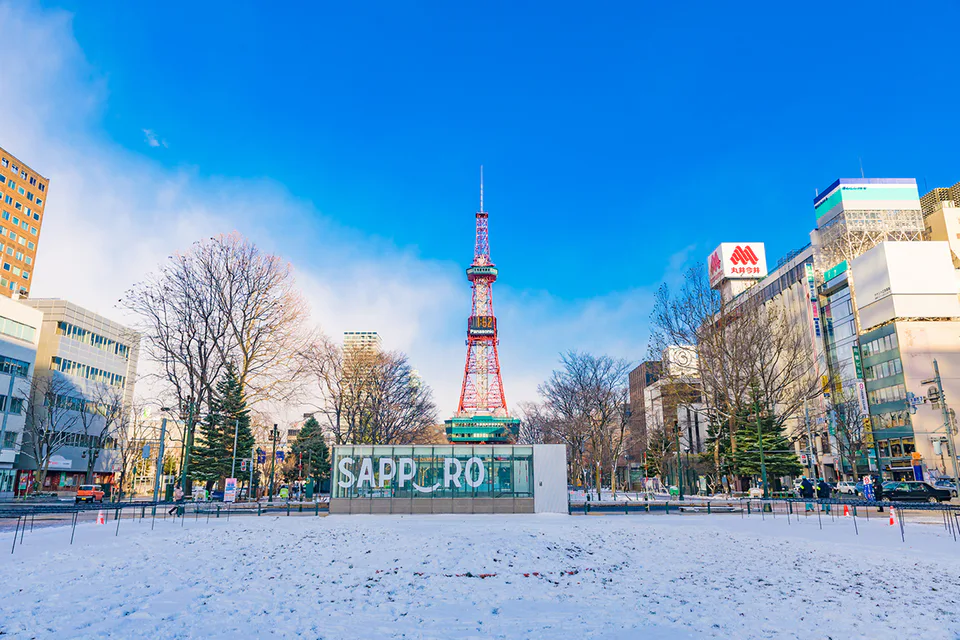
Do not turn destination resorts into repeated Sapporo commutes just to avoid one checkout
Sapporo is a strong base for Sapporo-area skiing. That does not make it the right base for several consecutive mornings in Niseko, Furano or Rusutsu. If you want several full days at a destination resort, sleep there. In Niseko, decide whether you need true ski-in/ski-out or easier village evenings after the resort itself has won. For weak-signal mountain days and hotel-contact backup, keep the Hokkaido eSIM guide available before leaving city Wi-Fi.
If Sapporo wins, the hotel-to-departure walk becomes part of the ski plan
A ski-from-Sapporo plan adds early departures, winter shoes and sometimes gear to a normal city stay. Count the exact hotel-to-station or hotel-to-bus-stop walk as many times as it will repeat. The Sapporo four-night hotel guide is the right next step once the city remains the base.
Final verdict: ski from Sapporo or move to a resort?
Stay in Sapporo for one ski day. For two days, keep Sapporo when you are using nearby mountains and still want the city each evening; consider moving when lessons, children or repeated gear logistics make the morning chain fragile. Move to a resort when skiing reaches three full days or the same long transfer would repeat day after day. Ask what the hotel removes: one checkout is not worth much, but three early buses, three return journeys and three rushed lesson mornings can be.
Sapporo Private Ski Lessons: Don’t Compare Hours Alone — Check Gear, Lift Passes and Transfers
Lequ Okinawa Chatan Spa & Resort: Is the Paid Rooftop Pool Worth a Chatan Stay?
Niseko vs Furano vs Rusutsu: Which Hokkaido Ski Resort Should You Choose?
Sapporo Snow Festival: Odori vs Susukino — Where Should You Stay?
References
Visit Sapporo — official Sapporo ski-resort day-trip guidance · Sapporo Teine — current access guidance and 2026–27 season-pass notices · Sapporo Kokusai — official access and return-transport guidance. Detailed winter bus schedules can remain seasonal; recheck the exact 2026–27 operating date before lessons or fixed activities.