
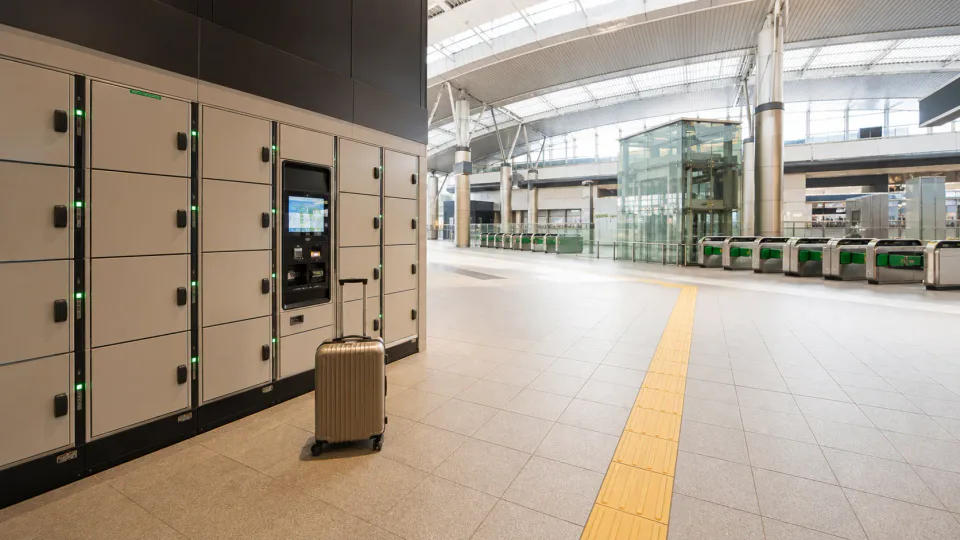
The best place to store luggage in Tokyo is usually not the station with the most lockers. It is the place you will naturally pass again. If you are returning to the same hotel, ask the hotel first. If your day ends at the same station where it begins, a locker can be excellent. If you have two large suitcases and cannot afford to hunt for an empty large locker, use a reservable locker or staffed counter. If your day moves one way—hotel A → sightseeing → hotel B—delivery can be worth more than storage because it removes the return trip entirely.
This article uses a simple rule: price the retrieval journey into the storage decision. A ¥700 locker that forces a 40-minute detour is not really a ¥700 solution. A more expensive staffed counter beside your Shinkansen gate may be cheaper in travel time, fatigue and missed-connection risk.
Tokyo luggage storage: the 30-second decision
↔ Scroll table left or right
Your day | Best first option | Main advantage | Main failure mode |
Checkout, sightseeing nearby, return to same district | Hotel storage | No new station navigation | Property may not offer it or may limit hours |
Return to same station for Shinkansen/airport train | Locker | Fast and self-service | Large lockers may be full or hard to relocate |
Two large cases / stroller / event crowd | Staffed or reservable storage | Certainty beats locker hunting | Hard closing time |
Hotel A → city → hotel B | Luggage delivery | No return trip | Cut-off, eligible hotels and delivery timing |
Start with the retrieval point, not the drop-off point
Imagine checking out in Shinjuku, spending the afternoon in Asakusa and flying from Haneda that evening. Storing the suitcase at Tokyo Station because “Tokyo Station has lots of lockers” can create two extra journeys: one to deposit the bag and another to retrieve it. The storage exists, but the route is inefficient.
Now change the day: checkout, Marunouchi and Ginza, then an evening Shinkansen from Tokyo Station. The same storage choice becomes excellent because collection is already part of the route. The bag waits where the traveller was going anyway.
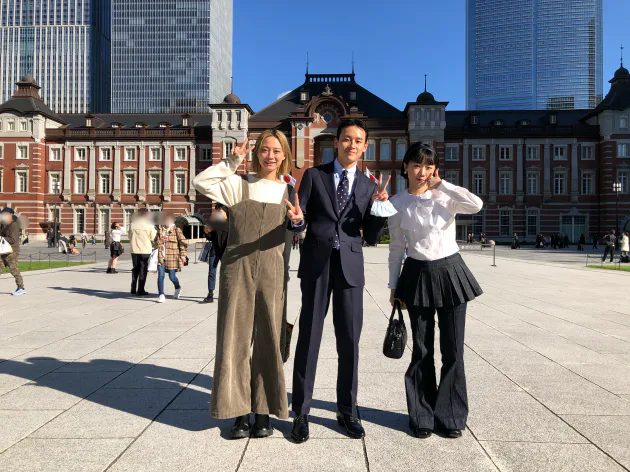
Hotel storage is the default when the hotel remains on your route
For a same-hotel arrival or departure day, hotel storage usually wins because it removes search friction. You already know the desk, the building and the route. Families and older travellers also avoid dragging luggage through a giant station solely to find a locker.
But do not turn a common practice into a universal rule. Staffed hotels often hold luggage for arriving or departing guests, while apartments, unstaffed properties, capsule accommodation and some low-cost stays may have tighter conditions. If your day depends on it, confirm storage before travel.
Hotel storage stops being the best choice when returning to the hotel is itself a detour. If the checkout hotel is in Shinjuku but the afternoon and final train are east of the city, “free storage” can become expensive once you count the return journey.
Coin lockers are a route tool, not a guaranteed inventory
Lockers are strongest when three conditions are true: the bag fits, a suitable locker is available, and you will naturally return before access becomes inconvenient. Those are three separate conditions. Large luggage and peak periods weaken the second one.
Record more than the locker number. Photograph the surrounding concourse, exit name or nearby shop, and keep the unlocking credential safe. Tokyo’s largest stations contain multiple locker banks on different levels and sometimes on different sides of ticket gates. “We used a locker at Shinjuku” is not enough information after eight hours of sightseeing.
Never store the passport, essential medication, wallet, phone, power bank or anything needed for an early next-morning departure. The worst locker mistake is not paying too much; it is making something essential inaccessible.
Reservable lockers solve a different problem from ordinary lockers
Tokyo Metro has expanded Metlocker PLUS functions at selected stations, adding reservation and—in eligible cases—hotel-delivery functions. The real value of reservation is not luxury. It is converting “I hope a large locker is empty” into a planned transfer.
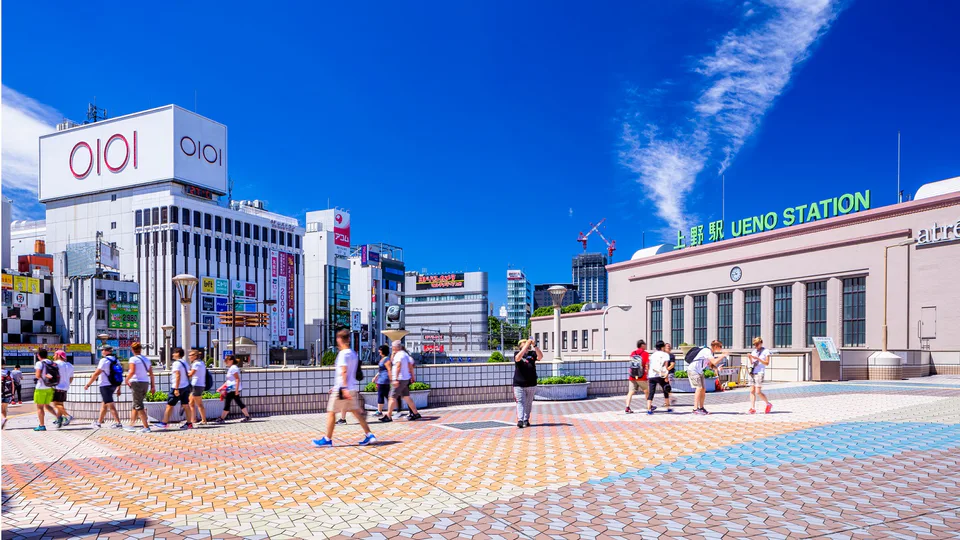
I would pay more attention to a reservable option when travelling with two large cases, a stroller, children or older relatives, or when the storage stop sits before a timed train. For one cabin bag on a quiet weekday, ordinary lockers remain perfectly rational.
Hotel-delivery functions also have conditions: participating hotels, cut-off times and operating areas can change. Treat the live service screen as the source of truth, not an old launch announcement.
Staffed counters are worth it when uncertainty is more expensive than the fee
A staffed counter becomes attractive when bag size or group size makes locker hunting costly. You hand over the luggage once and stop searching. The trade-off is the closing time: unlike a locker, a staffed counter can create a hard retrieval deadline.
This is where travellers often make a category error. A counter closing at 19:00 is not “evening storage”; it is storage that must be collected before 19:00. If dinner, a concert or a delayed day trip can push you beyond that time, the certainty on the way in becomes a new risk on the way out.
Ueno can beat Tokyo Station when the final route is Narita
If the last day is Ueno, Asakusa or east Tokyo followed by Narita, storing the bag in Ueno can be more logical than taking it to Tokyo Station. Once collected, the trip continues in the same direction toward the airport rather than backtracking.
This is why storage location and hotel location should be solved together. If Narita access is one of the main reasons for choosing Ueno, the same base can simplify the final-day bag problem. Compare Ueno vs Shinjuku before treating Tokyo Station as the automatic luggage hub.
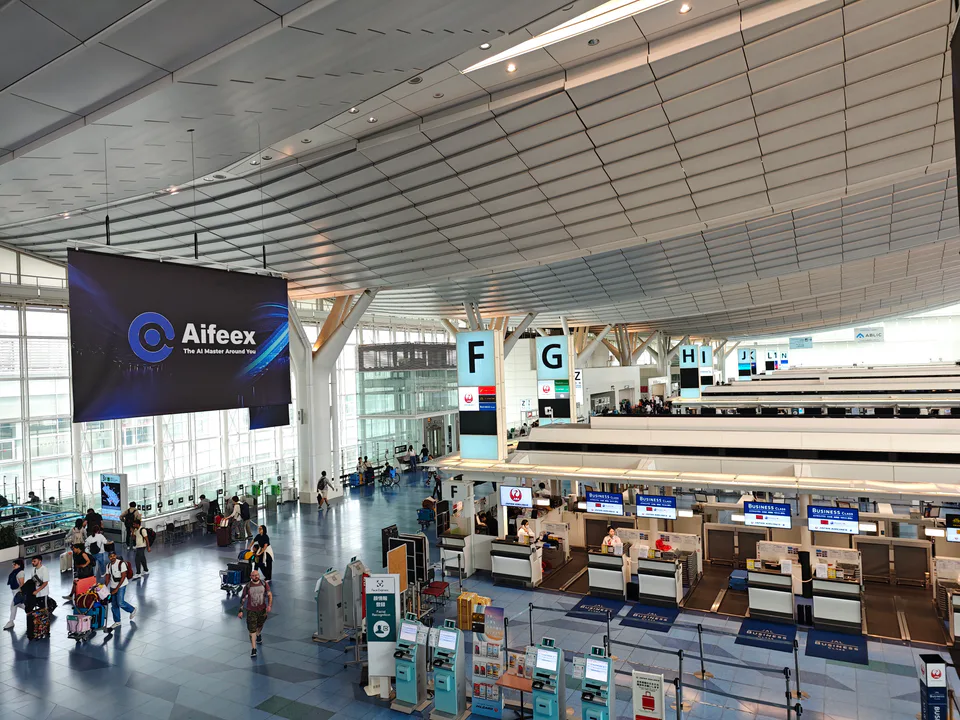
Airport storage is useful only when the airport is already part of the day
Haneda and Narita have baggage-storage and delivery services, but taking a suitcase to the airport early is not automatically efficient. Airport storage is strongest for long connections, airport-area sightseeing or a day that naturally returns to the terminal.
If you are still sightseeing in central Tokyo, an early airport drop can create a round trip that consumes the time you hoped storage would save. Solve the airport transfer first with Narita or Haneda to Tokyo, then place the luggage on that route.
Delivery wins when the bag and the traveller should take different routes
Storage keeps the bag in place. Delivery moves it. That distinction matters on one-way days. If you check out in Shinjuku, spend the day moving east, and sleep near Tokyo Station or travel to Kyoto, returning to Shinjuku to collect the suitcase defeats the point of a one-way itinerary.
Luggage forwarding is strongest when you can live from a small overnight bag and the receiving hotel can accept the shipment. The trade-off is timing: ordinary forwarding is not a guaranteed same-day city-to-city service, and even same-day local services use cut-offs and eligible-area rules. Confirm both sending and receiving conditions.
For intercity travel, compare Tokyo–Kyoto/Osaka same-day delivery with normal takkyubin forwarding. They solve different time problems and can have very different prices.
Families and older travellers should pay for certainty earlier
One failed large-locker search with a cabin bag is annoying. The same search with two large suitcases, a stroller and a tired child can derail the next hour. For these travellers I would prefer hotel storage, a reserved locker or a staffed counter before relying on “we’ll find something at the station.”
The same logic applies to older travellers. A cheaper locker three levels down an unfamiliar concourse can be worse value than a more expensive counter beside the route you already need.
A simple decision test
Before paying, answer four questions: Where will I be immediately after drop-off? Where will I be immediately before collection? Is collection on the natural route between those two points? What is the backup if a large locker is unavailable or a counter closes?
If the third answer is “no,” consider another storage point or delivery. If the fourth answer is “I’ll look around,” a reservable or staffed option may be worth the premium.
Final verdict
Store luggage where you need to recover it, not where storage looks abundant. Use the hotel when you are returning there, a locker when you are returning to the same station, staffed/reservable storage when large-bag certainty matters, and delivery when the itinerary is moving one way. The cheapest storage fee can be the most expensive choice if it forces a special trip back across Tokyo.
Free Things to Do in Tokyo: Don’t Cross the City Just to Save on Admission
Okinawa Guys’ Trip Hotels: The Best Base Is Where You Can Stop Driving at Night
Sapporo Shopping Hotels: Stay Where You Can Drop Your Bags, Not Just Where the Shops Are
Okinawa Honeymoon Hotels: Don’t Upgrade All Four Nights — Spend More on the Two You’ll Actually Use
References
Tokyo Metro — current station locker and Metlocker PLUS information · JR East — current station travel-service information · Haneda Airport and Narita Airport — current baggage storage/delivery information. Availability, fees, cut-offs and eligible hotels can change; check the live service before relying on it.