When I compare Tokyo honeymoon hotels for a honeymoon or anniversary trip, I would not start with “Which hotel is the most romantic?” I would start with a less glamorous question: is there one evening when you are actually planning to stay at the hotel? If you leave around eight every morning and return at 22:30 or later, a skyline view, balcony or onsen can shrink into fifteen minutes before bed. Give yourselves one deliberately slow evening, though, and the room, the view and a late checkout can become part of the trip rather than decoration around it.
That changes how I would spend the budget. Pick the night you want to slow down first. Then decide whether that money should buy a view, a Shibuya night, an onsen, or simply a cheaper room so you can spend the difference on a dinner you really want, a show, or half a day with nothing rushed. Tokyo honeymoon hotels are not more “honeymoon” because they cost more. The upgrade only matters if you will actually use the thing you paid for.
For Tokyo independent travel, I would still judge this hotel choice inside the whole itinerary: the useful question is whether it removes friction you will actually repeat every day, not whether the hotel looks stronger in isolation.
Tokyo honeymoon hotels in 30 seconds: what time do you actually want to spend at the hotel?
↔ Scroll table left or right
What you actually want to preserve on this trip | What I would look at first | The upgrade you are most likely to pay for and barely use |
One evening genuinely spent at the hotel | High-floor view, room size, bar / breakfast | Coming back late every night and seeing the view for ten minutes before bed |
Shibuya dinner, drinks and nightlife | Stay in Shibuya + late checkout the next day | Arriving early in the afternoon but being unable to enter the room until 17:00 |
One “ryokan-like” night inside Tokyo | Whether you will actually return early enough to use the onsen | Walking the final stretch with shopping bags every night, then having no time to soak |
Quiet, a balcony and a slower morning | National Stadium / Jingu Gaien area | Spending every day in Shinjuku and Shibuya, then adding transfers for no real benefit |
A packed itinerary with long days out | A high-efficiency base such as Shinjuku South Exit | Changing hotels repeatedly just to make the trip feel more “honeymoon-like” |
If you have not even decided how many nights to spend in Tokyo or what your main travel axis will be, choosing the base comes first. A decision such as Tokyo Station vs Shinjuku often prevents more regret than scrolling through hotel photos first.
Next decision: price the movement cost of Tokyo Station vs Shinjuku first
The mistake I worry about is not an expensive room — it is paying for “romance” you never have time to use
Picture a very ordinary Tokyo night. You have already walked well over ten thousand steps. Dinner ends close to 22:00. You are carrying two shopping bags, and if it happens to be raining, your jacket and shoes are a little damp. The first thing you do in the room is probably not pour drinks and sit at the window admiring the skyline. One person showers, the other sorts what you need for tomorrow, and suddenly it is nearly midnight.
That will not happen every night, but on a packed Tokyo itinerary the waste is sometimes not the extra few thousand yen itself. It is paying more for the view, public bath or room space and then barely using it. The worst version of a honeymoon is not “the hotel was not luxurious enough.” It is both of you being tired enough to want sleep, then forcing yourselves to use facilities simply because you paid for them.
If four or five nights will all be early starts and late returns, I would rank “one less hassle every day” above “a sense of occasion every night.” That becomes even more important with large luggage, a Hakone or Kawaguchiko side trip, or another intercity move.
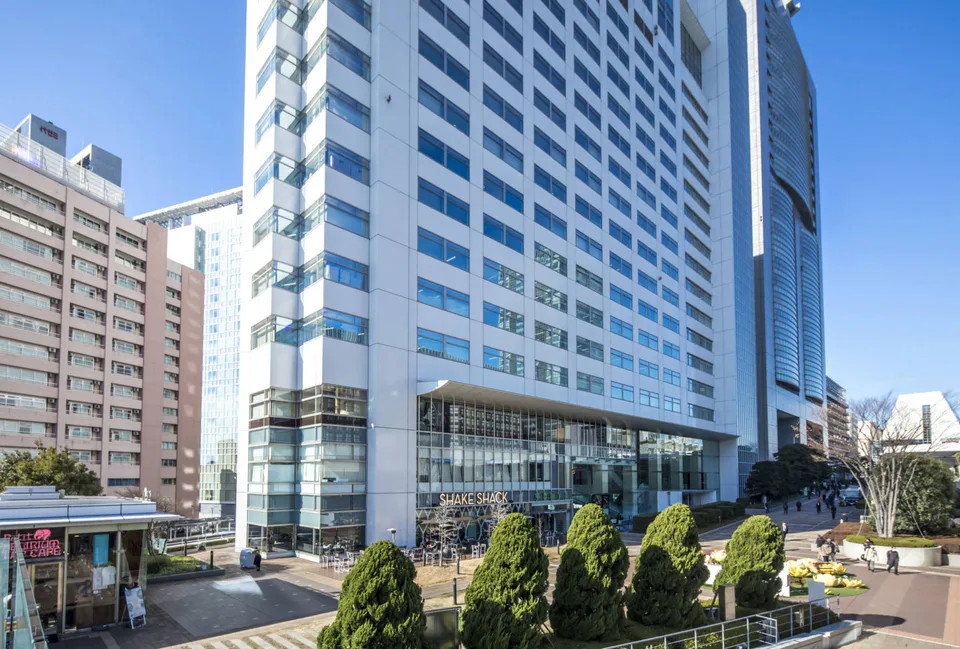
If one night really belongs to the room, Hotel Century Southern Tower is about more than the words “high floor”
Hotel Century Southern Tower is easy to misunderstand because the skyline photos make it tempting to keep upgrading upward. But the current hotel information places the guestrooms on floors 22 to 35 already. For a honeymoon, I care more about room size and facing direction than simply chasing the highest possible floor.
If you want to have a drink in the room, spread out your shopping and not rush out to the first attraction the next morning, a 26m² King or Twin feels more like a place you can actually spend time in than a 19m² or 23m² room. Moving again to 31m² or 34m² only makes sense if you really plan to keep that evening for the hotel and care about the view direction. The hotel lists different outlooks by room: some face toward Shinjuku Gyoen and the Tokyo Tower / Tokyo Skytree side, others toward Yoyogi Park and the West Shinjuku skyline. “High floor” does not automatically mean the exact night view you pictured.
Its other useful advantage is the south side of Shinjuku. The hotel is currently listed at roughly three minutes from the Koshukaido / New South gates of JR Shinjuku Station, with Busta Shinjuku also around three minutes away, while the airport limousine bus departs from the first floor of the hotel. On a honeymoon, that is more useful than the phrase “good transport.” On the last day, when two suitcases are involved, it can mean one less hunt for an elevator, one less crossing of a giant station, or one less transfer. The energy you keep can go into the last breakfast or one final half-day out.
If Century Southern Tower is on your shortlist, I would read the single-hotel room and view guide first. It already breaks down the 26m², 31m² and 34m² choices and the view directions, so there is no reason to repeat a specification sheet here.
If the night belongs to Shibuya, sequence MIYASHITA PARK only works if you accept the 17:00 check-in
If your version of a honeymoon means slow mornings, dinner and drinks in Shibuya, and staying out later, sequence MIYASHITA PARK starts to make more sense than it does in a photo gallery. The current hotel information still lists check-in at 17:00 and checkout at 14:00. Tokyo Metro Shibuya Station Exit B1 is about three minutes away and JR Shibuya Station Hachiko Exit about seven minutes. When the park is closed from 23:00 to 8:00, access switches to the hotel-only elevator on the first floor at the north end.
That time design creates a very specific trade-off. The upside is that you do not need to shove everything back into your suitcase at 10:00 or 11:00 the next morning. You can sleep later, take breakfast slowly, and even get coffee nearby before noon. Sometimes the value is not just two or three extra hours in the room; it is avoiding the feeling that checkout has hijacked the whole morning.
The downside is just as specific. If you land in Tokyo around noon and planned to shower, change and reset before an anniversary dinner, waiting until 17:00 to enter the room can be genuinely irritating. In that itinerary I would not force the choice just because the hotel is in Shibuya and looks atmospheric.
Room size matters only if you will use it. The current room list includes a 23.7m² Twin, 37.3m² King and 45.7m² Junior Suite. If you expect to stay out late every night, moving to a much larger room may be less noticeable than keeping that money for dinner.
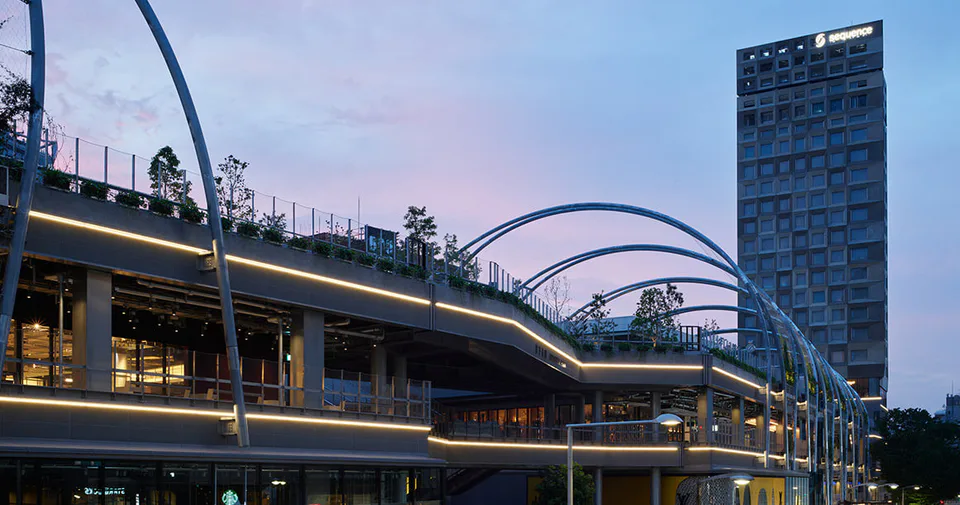
The sequence MIYASHITA PARK decision guide goes deeper on the 17:00 / 14:00 exchange, late-night entrance and room choices. For a honeymoon, the first question is whether your daily rhythm matches the hotel’s rhythm.
If you want one Tokyo night to feel like a ryokan stay, YUEN Shinjuku only works if you will actually use the onsen
ONSEN RYOKAN YUEN SHINJUKU solves a different problem. You are not paying to minimize walking; you are turning the hotel itself into part of that day’s itinerary. The current hotel information says the open-air bath uses hot-spring water sourced from Hakone, with evening access until 2:00 and morning access from 6:00 to 10:00. From November 1, 2026, the evening session is scheduled to end earlier, at 0:30.
I would not sell this as “romantic because it is a honeymoon.” If you spend the day at Disney and then book a very late dinner, you may return with enough time to shower and sleep, which turns the onsen into a feature you paid for but did not use. If you already want one evening where you are back around eight or nine, soak, have an ice pop, sleep earlier and start the next morning slowly, then the reason for staying here becomes real.
The cost cannot be hidden either. The hotel currently lists about an eight-minute walk from Shinjuku-sanchome Station Exit C7. If JR Shinjuku is your everyday base and you shop heavily, the final walk can feel longer in the rain or with both hands full. It is not that a honeymoon cannot involve walking. You simply need to know what you are receiving in exchange for that walk.
Read the YUEN Shinjuku single-hotel guide again before booking, especially if your stay falls on or after the November 2026 onsen-hours change and you need to decide which night you will actually return early.
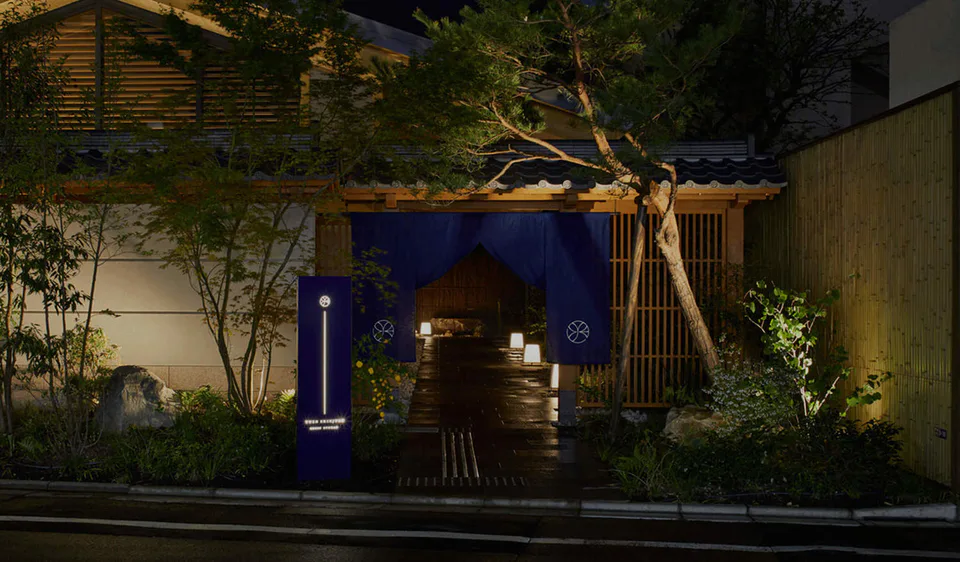
Want one night for the onsen? Check whether YUEN Shinjuku’s trade-off is one you actually want
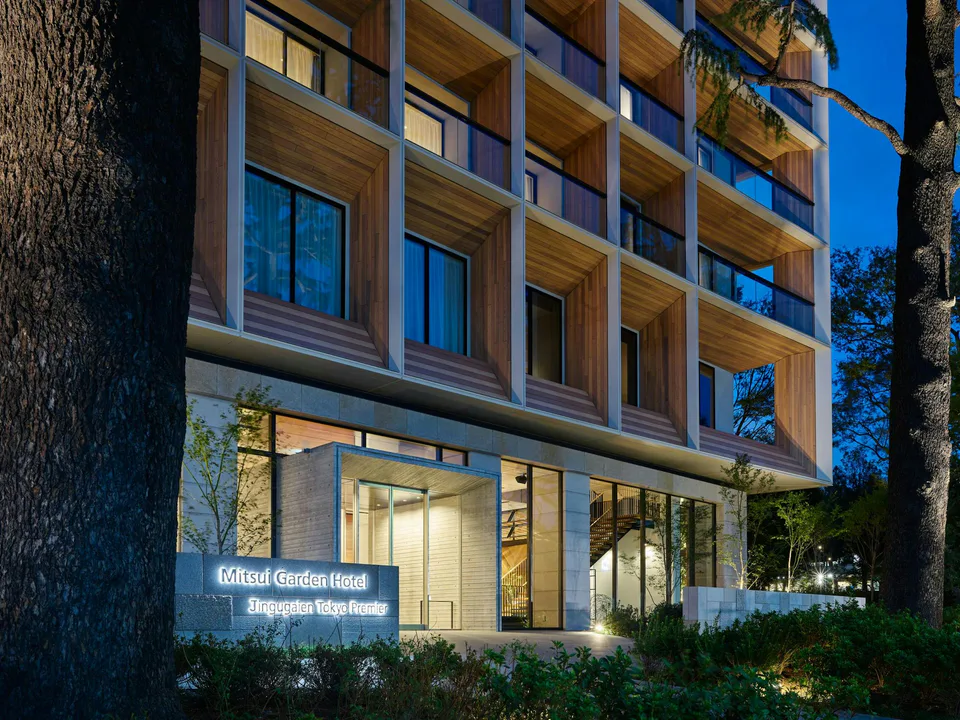
If you want a balcony, quiet and a slower morning, do not treat Mitsui Garden Jingugaien as a generic “Shinjuku hotel”
The advantage of Mitsui Garden Hotel Jingugaien Tokyo Premier is not that it is technically in Shinjuku. The current access information puts Toei Oedo Line National Stadium Station at about one minute away, JR Sendagaya at about five minutes and Shinanomachi at about six. The hotel has private balconies and a guest public bath; the bath is currently listed for 15:00–25:00 and 6:00–9:00.
If your anniversary trip means not racing to a department store first thing in the morning, looking out from the balcony at the city and greenery, then leaving slowly, this location has a distinct mood. Shinjuku and Shibuya are still accessible, but coming back at night clearly shifts the pace into something quieter.
The reverse is equally important. If every day revolves around Shinjuku East Exit, Shibuya and Omotesando, and you routinely shop until closing time, I would not choose this hotel just for “balcony + public bath.” The worst case is not that transport is bad. It is adding one transfer you never needed every day until both of you start asking why the hotel still feels so far away.
The Mitsui Garden Jingugaien single-hotel guide already explains National Stadium Station, room choices and the public bath. Think of this one as a quieter Tokyo base, not simply another Shinjuku address.
The strongest counterexample: a honeymoon does not require an “experience hotel” — JR Kyushu Hotel Blossom Shinjuku may fit better
If what you really want is to eat at a long list of restaurants, shop, visit Hakone or Kawaguchiko, and use Tokyo like a giant playground every day, I would take a very practical option such as JR Kyushu Hotel Blossom Shinjuku seriously. The current hotel information still puts JR Shinjuku South Exit at about three minutes and Busta Shinjuku at about three minutes, while a 25m² Superior Twin is easier to live with for two people plus luggage.
It does not photograph like an onsen ryokan or a Shibuya high-rise. But what can damage the mood on night three is not necessarily the absence of a balcony. It can be both of you being exhausted, dragging bags through a huge station, looking for the right exit and still having another walk after that. Removing one piece of movement friction can be more valuable than adding one more photo spot inside the hotel.
And it is not completely without an upgrade path. The current hotel information lists a 38m² Premium Twin on floors 15 and 16 with a view bath. But if you are not going to leave time to soak or enjoy the view, and 25m² already works for the two of you, there is no reason to automatically choose the highest tier simply because the trip is a honeymoon.
The JR Kyushu Hotel Blossom Shinjuku room guide is the better place to compare two large suitcases and the 25m² Twin in detail. If you are still choosing between Shinjuku’s east-side nightlife and South Exit efficiency, continue with Hotel Gracery Shinjuku vs JR Kyushu Hotel Blossom Shinjuku.
How I would split a five-night honeymoon budget: usually not “upgrade all five nights”
If I were planning a five-night Tokyo honeymoon, I would split the evenings into roles. Two might be “city nights,” where dinner is followed by shopping, a show or drinks. One would be the real “hotel night,” when we return early enough to use the room, the view, the bath or the bar properly. For the remaining nights, I would prioritize an easy base.
That way you do not pay the same kind of premium for all five nights. At Century Southern Tower, the special night may simply mean upgrading the room while keeping the same base. At sequence, the late checkout belongs on the morning when you most want to sleep in. YUEN makes more sense when the hotel itself is the evening experience. Mitsui Garden Jingugaien works when what you want is a slower pace.
But I would not change hotels automatically just to make one night feel special. A hotel move has its own cost: checkout, luggage storage, checking in again and possibly waiting for the room. Moving from one Shinjuku hotel to another just to take a few different room photos can waste more time than the rate difference is worth. I only consider splitting the stay when the location also improves the next day’s itinerary, or when that hotel is genuinely one of the day’s destinations.
If you have not chosen your base at all, Ueno vs Shinjuku is worth deciding first. Travellers arriving from Narita or spending more time in eastern Tokyo do not need to put all five honeymoon nights in Shinjuku just because it feels like the obvious “special trip” choice.
When I would not pay extra for a “honeymoon room”
First: two early-start days in a row — Disney, a long day trip or an early Shinkansen. Those nights usually end with sleep, so the room’s premium features have very little time to earn their keep.
Second: you do not know the view direction when booking. A high floor does not guarantee the landmark you imagined. If the room type and facing cannot be confirmed, I would rather buy more usable space or keep a free-cancellation option.
Third: the “experience hotel” creates one extra luggage move. Couples often underestimate the awkward hours after checkout when there is no room to retreat to, especially in rain, with heavy shopping, or when one person does not feel well.
Fourth: the hotel is not what you are most excited about. A honeymoon memory can be a dinner, a concert, a night in Hakone, or an afternoon with no schedule at all. If neither of you gets excited about a room view, the word “honeymoon” does not need to manufacture a new expense for you.
My final choice: protect your energy first, then pay for the romance you will actually use
There is no single Tokyo honeymoon hotel that fits every couple. If you will spend an evening in the room, then the high-floor view and extra space deserve serious budget. If the night belongs to Shibuya, price in the late checkout and the late-night route home. If you want an onsen, leave real time to use it. If you want quiet, accept a little less instant access to the busiest districts.
If the itinerary is full, I would choose the simpler base instead and spend the saved time and energy on the things you genuinely want to do together. The saddest honeymoon-hotel mistake is not failing to book the “most romantic” room. It is paying for a collection of romantic-looking features and being too tired to enjoy any of them.