
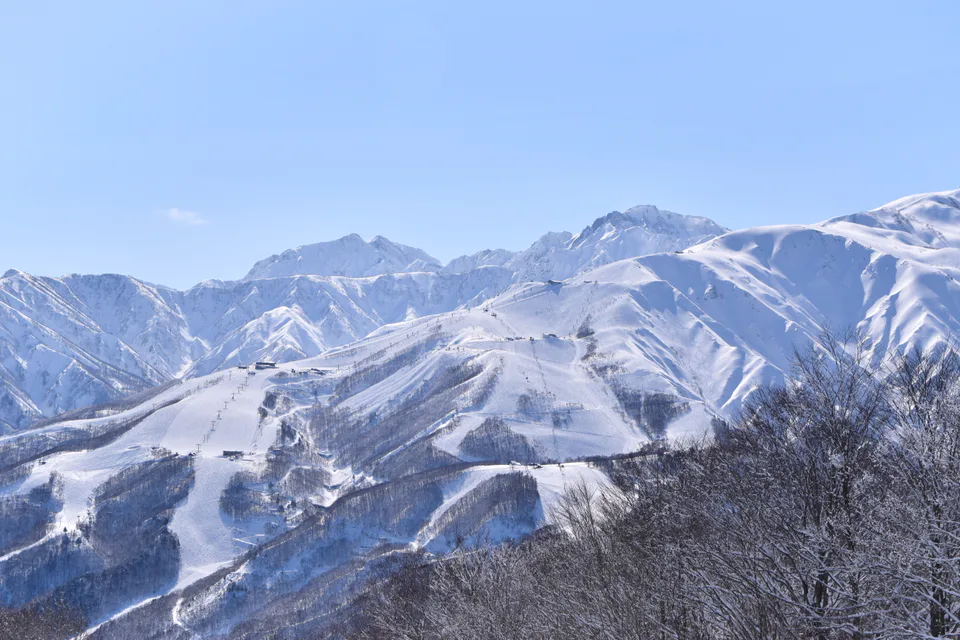
For a first Hakuba ski trip, Happo is the safer default when skiing and transport flexibility matter more than nightlife. Choose Echoland when walkable restaurants and après-ski are part of the holiday and you are willing to make the morning shuttle a recurring part of every ski day. The expensive mistake is comparing the two areas as “closer to lifts” versus “more fun at night.” In practice, you are choosing which repeated friction you want to remove: morning gear-and-shuttle friction in Happo, or evening dinner-and-bar transport in Echoland.
There is a second reason Happo is more than a ski-area choice: Hakuba Happo Bus Terminal is a major intercity node for buses to Nagano and Shinjuku as well as local routes. That can simplify the first and last day of the trip with suitcases or ski bags. Echoland can still be the better base, but only when its evening value is used often enough to repay the transport dependency you accept in the mornings.
↔ Scroll table left or right
Your trip pattern | Start with | Why | What can reverse it |
First Hakuba trip; Happo-One is a major ski day | Happo | Lower morning friction plus stronger valley/intercity transport | Your actual hotel is far from the useful lift or shuttle stop |
Restaurants, bars and après-ski matter every night | Echoland | You can finish dinner on foot rather than arranging another evening ride | Young children, lots of gear or early lessons make the morning shuttle costly |
Chasing snow across several Hakuba Valley resorts | Happo | The bus-terminal/hub function gives more recovery options when plans change | Your Echoland hotel has a genuinely good private resort shuttle |
Family with lessons, rental gear and children | Usually Happo | Removing one gear hand-off can matter more than restaurant density | The lesson/rental meeting point is actually closer to the Echoland hotel |
Nagano or Shinjuku bus is your arrival/departure spine | Happo gets stronger | Happo Bus Terminal is a published stop for major intercity services | Your hotel provides a timed terminal transfer that removes the luggage walk |
Adults with own gear, one home resort, long dinner/bar evenings | Echoland can win | The evening benefit repeats every day while ski logistics stay predictable | Powder-day shuttle crowding becomes more important than nightlife |
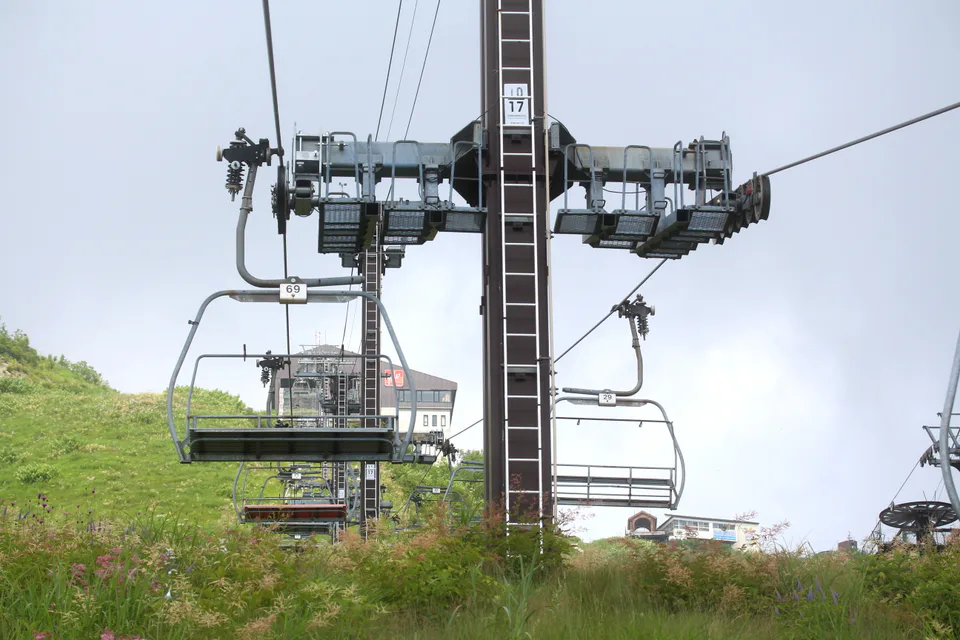
The real comparison is morning friction versus evening friction
Happo and Echoland are close enough on a summer map that the choice can look cosmetic. In ski boots, carrying gear, waiting for a bus in snow, and repeating the same route for five or six days, it is not cosmetic.
Happo removes more morning decisions. A well-positioned Happo hotel can put you near Happo-One, the Happo Bus Terminal, ski shops and valley transport. That is valuable when the ski plan is still flexible or when Happo-One itself will be one of the trip’s main mountains.
Echoland removes more evening decisions. Its restaurant-and-bar concentration means a group can return, shower, then walk out for dinner without another transport plan. If eating out and après-ski are genuinely part of every night, that repeated benefit is real.
Do not value either advantage once. Multiply it by the number of days you will repeat it. Five mornings of shuttle dependency are a different cost from one shuttle ride. Five nights of arranging dinner transport are a different cost from doing it once.
Happo’s strongest advantage is optionality, not only Happo-One access
Hakuba Valley currently describes its shuttle network as connecting the resorts across the valley. Happo is particularly useful because the area also contains Hakuba Happo Bus Terminal, which Alpico lists for the Nagano–Hakuba express bus, Shinjuku–Hakuba highway bus and local Hakuba routes.
That gives Happo two kinds of optionality. First, a skier can use Happo-One without making a resort transfer the first task of the day. Second, if weather, visibility, fatigue or snow quality changes the plan, the transport hub makes it easier to pivot to another mountain rather than being locked into the home area.
This matters more on a six-night trip than a two-night trip. A short stay can tolerate one imperfect transfer. A longer stay benefits from a base that still works when Day 4 no longer resembles the plan you made before departure.
If your ski plan is already dominated by Goryu and Hakuba47, however, Happo may be the wrong kind of flexibility. Use the Happo vs Goryu comparison instead of paying for a central hub you will repeatedly leave.
Echoland wins only when you actually use the evenings
Echoland’s strongest case is not that it is “livelier.” The case is that dinner and drinks can become a walkable part of the accommodation product. For a group of adults eating out every night, this can remove a taxi, night bus or hotel shuttle decision after every ski day.
That value collapses for travellers who do not use it. A family eating most dinners at the hotel, a couple booking half-board, or skiers who are asleep by 21:00 should not pay an Echoland premium for nightlife they barely touch.
Run an evening-use test before booking:
How many nights will you realistically eat outside the hotel?
Will you stay out after the ski shuttles have finished?
Would you pay for a taxi or night bus if the restaurant were not walkable?
Does the actual hotel sit inside the useful Echoland restaurant strip, or merely carry an “Echoland” label?
If the answer is “four or five walkable evenings,” Echoland is solving a repeated problem. If the answer is “one dinner,” Happo’s morning advantage is usually harder to dismiss.
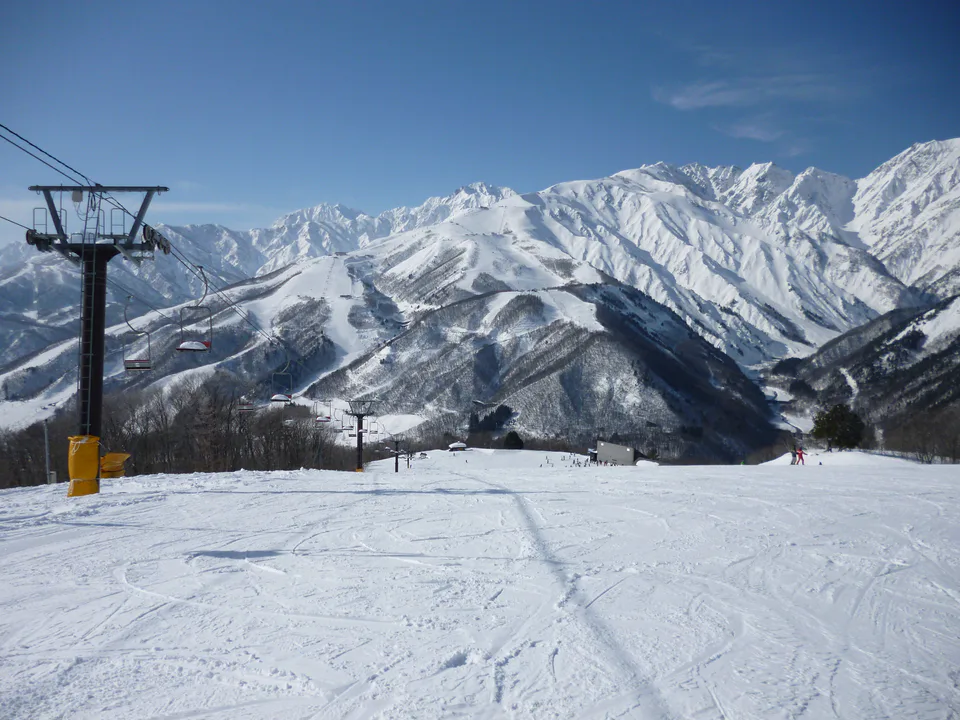
The shuttle is not a theoretical line on a map: capacity can be the failure mode
Hakuba Valley’s January 2026 operating notice made an important point that accommodation comparisons often omit: buses can become extremely crowded, and once a shuttle reaches full capacity, boarding is not possible. The operator specifically warned about early powder-day buses and late-afternoon services, including the final bus of the day.
That changes how you should value an Echoland hotel. “There is a shuttle” is not the same as “the shuttle has no cost.” Your cost can be walking to the stop early, waiting in ski boots, missing the preferred departure, standing in winter weather, or protecting the final return instead of taking one more run.
Happo is not immune to shuttle crowding when you travel to other resorts. The difference is that if Happo-One is your home mountain, some ski days can avoid the valley shuttle completely. Echoland normally needs transport before the first lift unless the hotel has a useful private shuttle.
The 2026–27 winter timetable has not yet been finalised as of August 25, 2026. Hakuba Valley’s current page still shows the previous winter’s seasonal timetables. Treat old departure times as planning examples only and recheck the final 2026–27 stop, direction and service window before your free-cancellation deadline.
A previous-season timetable shows why the exact stop matters
The 2025–26 Hakuba Valley V-line timetable is useful as an illustration, not a promise for the coming season. One published morning service called at Hakuba Happo Bus Terminal at 07:25 and Echoland (Spicy) at 07:30. The five-minute difference between those two stops looks trivial.
But that is only the vehicle timetable. The accommodation decision is:
hotel room → boot room;
boot room → road;
walk through snow to the named stop;
arrive early enough that a full bus does not ruin the plan;
ride to the resort;
then still reach rental, lesson or lift meeting points.
A hotel three minutes from the right stop can outperform a more glamorous property ten or twelve minutes away. In winter, neighbourhood labels are too coarse. The named stop and the walk to it are part of the room specification.
Families should map the first ski hour, not the whole village
For a family, the first hour of the ski day can contain more friction than the next six hours: breakfast, children’s clothing, boots, helmets, skis, shuttle, rental counter, lift tickets and lesson check-in.
Draw that sequence for the actual booking. If a Happo hotel lets the group walk to the lesson/rental meeting point or removes one shuttle, that can justify a higher room rate. The premium is buying fewer hand-offs while everyone is carrying gear.
The answer can reverse if the chosen ski school or rental shop has a pickup point close to the Echoland hotel or operates its own reliable transfer. This is why “families should always stay Happo” is too broad. The right test is door-to-first-lesson friction.
For children, also avoid counting restaurants and bars as equal-value amenities. A convenience store, early dinner option and short walk back to the room may matter more than adult nightlife density.
Own gear makes the base more important, not less
Travellers renting equipment sometimes leave skis and boots at a shop near the mountain, which can remove part of the daily carrying burden. Travellers with their own skis or boards may carry more of the transfer cost themselves.
If you fly into Tokyo with ski bags, solve that chain before choosing the neighbourhood. A hotel that looks perfect can become awkward if the ski bags arrive at a different time, the property will not receive forwarded luggage, or the final transfer from the bus terminal is poor.
Use the Tokyo airport to Hakuba ski-bag guide and the Japan luggage-forwarding guide before letting gear distort the hotel choice.
Nagano and Shinjuku arrivals give Happo a first-and-last-day advantage
Alpico’s current route information lists Hakuba Happo Bus Terminal as a stop for the Nagano–Hakuba express bus and the Shinjuku–Hakuba highway bus. Its winter Nagano guidance also notes that most non-reserved services operate directly between Nagano Station and Happo Bus Terminal.
This does not mean every Happo hotel is luggage-easy. You still need the final walk or hotel transfer from the terminal. But it gives Happo a cleaner default arrival chain: long-distance bus → Happo terminal → hotel.
An Echoland stay often adds one more last-mile decision after you reach Hakuba. That may be trivial if the property has a scheduled pickup. It can be annoying if the transfer requires waiting with ski bags after a long international journey.
Ask the hotel one specific question before paying: How do you collect guests arriving at Happo Bus Terminal with ski bags, and until what time? A written answer can be worth more than a generic “free shuttle” icon on an OTA.
Multi-resort skiers should count home-mountain days before nightlife
Assign a rough mountain to each ski day before choosing the accommodation. You do not need to predict snow perfectly; you only need to identify the likely centre of gravity.
Happo-One 3 days + two flexible valley days: Happo is the strong default.
Goryu/47 4 days + one Happo day: this comparison may be the wrong one; Goryu deserves priority.
Different mountain every day: Happo’s hub value rises, but confirm the coming winter shuttle stop before paying.
One home mountain + dinner out every night: Echoland can win if the morning transport is predictable and short.
The important idea is repetition. A location penalty paid twice per day over five ski days can matter more than a JPY 2,000–3,000 nightly room-rate difference.
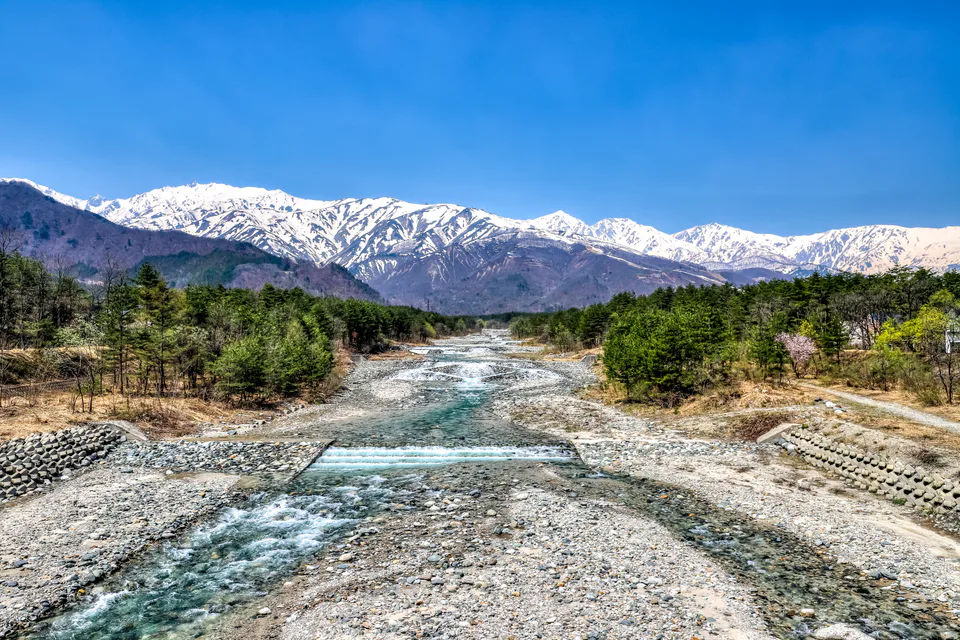
The 2026–27 all-mountain pass does not make hotel location irrelevant
Hakuba Valley has already published 2026–27 All-Mountain Day Pass prices and says day-pass sales are scheduled to begin around November. The product covers the valley’s participating resorts. Shuttle benefits are also part of Hakuba Valley’s pass ecosystem.
But a pass removes ticket incompatibility, not transport friction. It does not guarantee a seat on a crowded shuttle, shorten the snow walk to the stop or make the final return bus later.
Do not choose Echoland on the theory that “the pass includes the bus, so location is free.” Zero additional fare is not zero time or zero risk.
When one night of nightlife should not decide a six-night hotel
One of the easiest mistakes is over-weighting the most vivid part of the trip. You imagine one lively Echoland night and then accept five mornings of a less convenient ski start. Or you imagine one perfect Happo powder morning and choose a quiet hotel even though the group wants to eat and drink out every night.
Use a simple frequency test:
Count how many mornings the Happo location materially improves.
Count how many evenings Echoland materially improves.
Give extra weight to hard deadlines such as lessons, first lifts and final shuttles.
Give less weight to optional activities that can be moved to another night.
A hard 08:30 lesson is less flexible than a 19:00 dinner. That asymmetry is one reason Happo remains the safer first-trip default.
Who should choose Happo?
I would choose Happo when two or more of these are true:
Happo-One will be one of the main ski mountains.
You are new to Hakuba and want the hotel to preserve valley flexibility.
You arrive or leave via Nagano/Shinjuku bus and want a simpler luggage chain.
You have children, lessons, rentals or a lot of gear.
You dislike waiting for buses in ski boots.
You care more about first-lift logistics than après-ski nightlife.
The boundary: a Happo address is not enough. A poor hotel-to-lift or hotel-to-terminal route can erase the neighbourhood advantage.
Who should choose Echoland?
I would choose Echoland when two or more of these are true:
You will eat out or drink out on most nights.
Your group values evening walkability almost as much as lift proximity.
You are comfortable building ski mornings around the exact shuttle stop.
The hotel has a reliable private resort shuttle or a very short walk to the public stop.
You own/rent gear in a way that keeps morning carrying friction low.
You are adults without early lesson or child-ski-school deadlines.
The boundary: if the coming winter timetable or hotel shuttle does not support the mountains you plan to ski, Echoland’s nightlife premium is not enough to rescue the base.
Final verdict: Happo is the operational default; Echoland is the deliberate lifestyle trade
For a first Hakuba ski week, choose Happo unless you can clearly explain why Echoland’s evenings are worth making transport part of most ski mornings. Happo combines Happo-One access, a major bus terminal and better recovery options when the ski plan changes. That makes it the more resilient base.
Choose Echoland when you expect to use its restaurant and après-ski walkability repeatedly and the exact hotel has a strong shuttle solution. In that scenario, you are making a rational trade: more morning dependency in exchange for less evening dependency.
Before the free-cancellation deadline, recheck the final 2026–27 Hakuba Valley shuttle timetable. As of August 25, 2026, the coming winter schedule is not yet final on the official shuttle page, so no hotel should be booked around an old departure time alone.
Related planning
Happo vs Goryu: Which Hakuba Base Fits Your Ski Week?
Tokyo Airport to Hakuba With Ski Bags: Forward or Carry?
Japan Luggage Forwarding Guide
References
Hakuba Valley — shuttle bus information · Hakuba Valley — 2026–27 All-Mountain Day Pass · Hakuba Valley — 2025–26 shuttle crowding and night-bus operating notice · Alpico — Nagano/Hakuba winter bus information · Alpico — Hakuba Happo Bus Terminal services. Checked August 25, 2026. The final 2026–27 winter shuttle timetable has not yet been published; verify the exact stop and service before travel.