
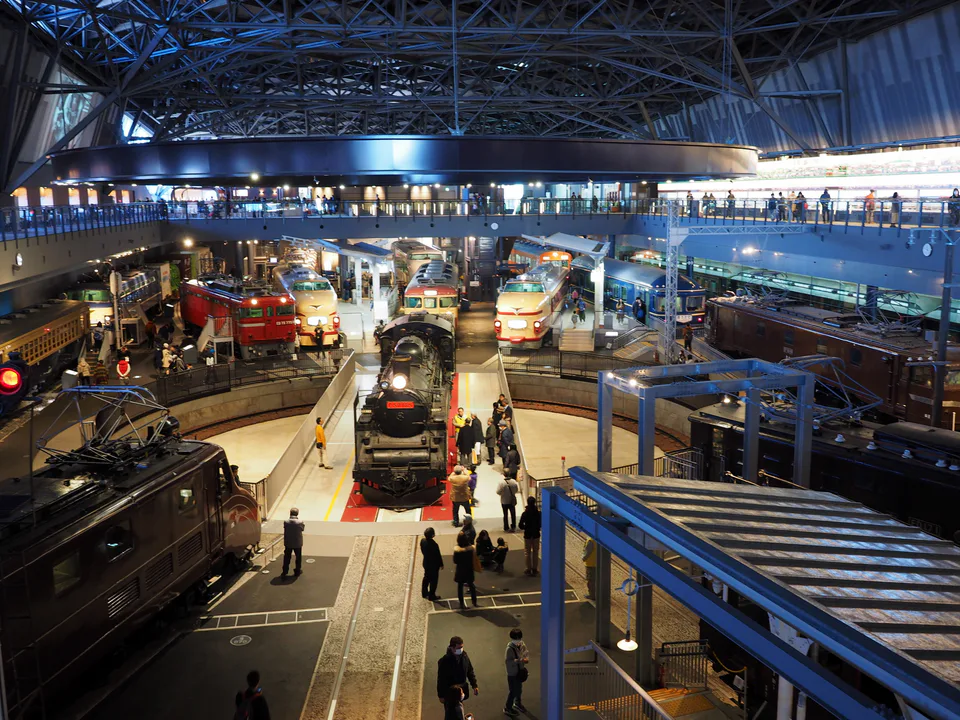
Saitama Railway Museum 2026 has a deceptively small ticket decision and a much bigger experience decision. The official adult advance ticket is ¥1,500 (about US$9.41), only ¥100 cheaper than the ¥1,600 same-day price (about US$10.03). But if the Miniature Driving Train, E5 Simulator, D51 Simulator or Conductor Simulator is the reason you are travelling to Omiya, a normal admission ticket does not guarantee any of them.
The useful choice is therefore not simply “advance or same day.” It is ordinary admission + take your chances in the raffle app versus an admission-and-experience ticket that guarantees a specific paid program. The guarantee currently costs ¥1,000 for the experience instead of ¥600 if you win the on-site raffle—a ¥400 premium (about US$2.51) that can be rational for a train fan making a special trip and pointless for a casual visitor who would be happy with the main museum either way.
ValueNavi experience-guarantee ladder: buy the level of certainty you actually need
↔ Scroll table left or right
What you buy | What it guarantees | What it does not guarantee | Best for |
Same-day admission | Museum entry for ¥1,600 adult / ¥600 school-age / ¥300 preschool | No headline simulator or Miniature Driving Train slot | Flexible visitors deciding on the day |
Advance admission | Museum entry at ¥1,500 / ¥500 / ¥200 if bought by the previous day | Still no simulator or Miniature Driving Train guarantee | Date fixed, but hands-on programs are optional |
Advance admission + raffle app | Entry plus a chance to win selected hands-on programs | Winning the program you care about | Visitors happy to enjoy the museum even if the draw fails |
Seven Ticket admission + reserved experience | A specified Miniature Driving Train, E5, D51, Conductor Simulator or Driver Simulator Classroom experience | Flexibility after purchase; availability can sell out | Visitors for whom one named experience is the trip’s non-negotiable |
This is the information gap that matters most. Klook’s normal admission voucher can remove the ticket-counter step, but it does not become a simulator reservation. If a child has spent weeks talking about “driving the little train,” solving that promise after arriving is riskier than solving the museum admission itself.
Guaranteeing a ¥600 experience currently costs ¥1,000 — the ¥400 premium can be worth it
The museum’s standard hands-on price is currently ¥600 for the Miniature Driving Train per car, and ¥600 for the D51, E5 and Conductor simulators and Driver Simulator Classroom. Those programs normally use the Railway Museum Raffle App. Seven Ticket separately sells admission-with-reserved-experience packages at ¥1,000 for the selected experience plus the advance admission fee for everyone entering.
↔ Scroll table left or right
Example | If you use the raffle and win | If you buy the guaranteed experience | Price of certainty |
1 adult + E5 Simulator | ¥1,500 + ¥600 = ¥2,100 (US$13.17) | ¥1,500 + ¥1,000 = ¥2,500 (US$15.68) | ¥400 (US$2.51) |
2 adults + 2 school-age children + one Miniature Driving Train car | ¥4,000 admission + ¥600 = ¥4,600 (US$28.86) | ¥4,000 admission + ¥1,000 = ¥5,000 (US$31.35) | ¥400 (US$2.51) |
That premium should be judged against disappointment risk, not against the admission fee. For a casual family, saving ¥400 and accepting the raffle is perfectly sensible. For someone taking a child to Saitama primarily to operate the Miniature Driving Train, ¥400 is a small insurance premium on the entire half-day.
There is one timing catch: Seven Ticket says the reserved-experience tickets go on sale at 10:00 seven days before the visit and remain available until 23:29 the day before, subject to remaining inventory. They cannot normally be changed or refunded after purchase. In other words, the guarantee solves experience risk by increasing schedule commitment.
ValueNavi decision table: who should make the Omiya trip?
↔ Scroll table left or right
Your situation | ValueNavi call | Why | Main trade-off |
Rail fan or child with one specific simulator/train goal | Strong yes; consider guaranteeing that experience | The museum is deep enough for a half-day and the reservation premium is only ¥400 over the raffle price | You commit to a date and time |
Repeat Tokyo visitor who wants an indoor 3-hour outing | Yes | Real rolling stock, history, science, jobs and rooftop train watching give it more depth than a children-only attraction | Omiya is a deliberate trip outside central Tokyo |
First Tokyo trip with only 2 full sightseeing days | Usually skip unless trains are a priority | The low ticket price hides the half-day opportunity cost | You protect central-Tokyo time but miss one of Japan’s strongest railway museums |
Rainy-day backup and you want to decide that morning | Keep it flexible | Same-day admission costs only ¥100 more per person than advance | You may lose access to sold-out guaranteed experiences |
Preschool family mainly interested in simulators | Check age rules first | Several headline programs require elementary-school age or older; D51 requires junior-high age or older | A cheap child ticket does not mean every experience is usable |
ValueNavi Attraction Score: 9.0/10 for a rail-focused half-day, 6.7/10 for a casual first-Tokyo detour
This uses ValueNavi’s standard attraction model: uniqueness 25%, time efficiency 15%, route fit 15%, weather resilience 10%, booking flexibility 10%, crowd resilience 10% and value for money 15%. A higher score is better. It is an editorial model based on verified operating facts and itinerary friction, not an official rating or a first-hand testing claim.
Dimension | Rail-focused half-day | Casual Tokyo detour | What changes |
|---|---|---|---|
Uniqueness | 9.5/10 | Historic rolling stock, railway operations and hands-on programs remain distinctive | |
Time efficiency | 8.5/10 | Three or four hours are efficient if trains are the point, less so if you are sacrificing a first-time Tokyo neighborhood | |
Route fit | 8.5/10 | Omiya is easy to reach but still a deliberate northern excursion | |
Weather resilience | 9.5/10 | Most of the museum value survives bad weather | |
Booking flexibility | 7.0/10 | General admission is flexible, but guaranteed hands-on experiences reward a fixed date | |
Crowd resilience | 6.5/10 | The building remains worthwhile, but popular programs introduce lottery/sell-out risk | |
Value for money | 9.5/10 | ¥1,500–¥1,600 admission buys a large museum; opportunity cost, not ticket price, is the main penalty |
Two to three hours is the museum’s own baseline; hands-on programs push it longer
The museum’s current FAQ says to allow about 2–3 hours and to leave more time if you want the interactive exhibits or railway diorama. Klook suggests 2–4 hours. Those two ranges are compatible: a focused adult can see the main collection in a few hours, while a family waiting for a raffle slot, eating an ekiben, watching real Shinkansen from the roof and stopping at children’s spaces can easily turn the visit into most of a day.
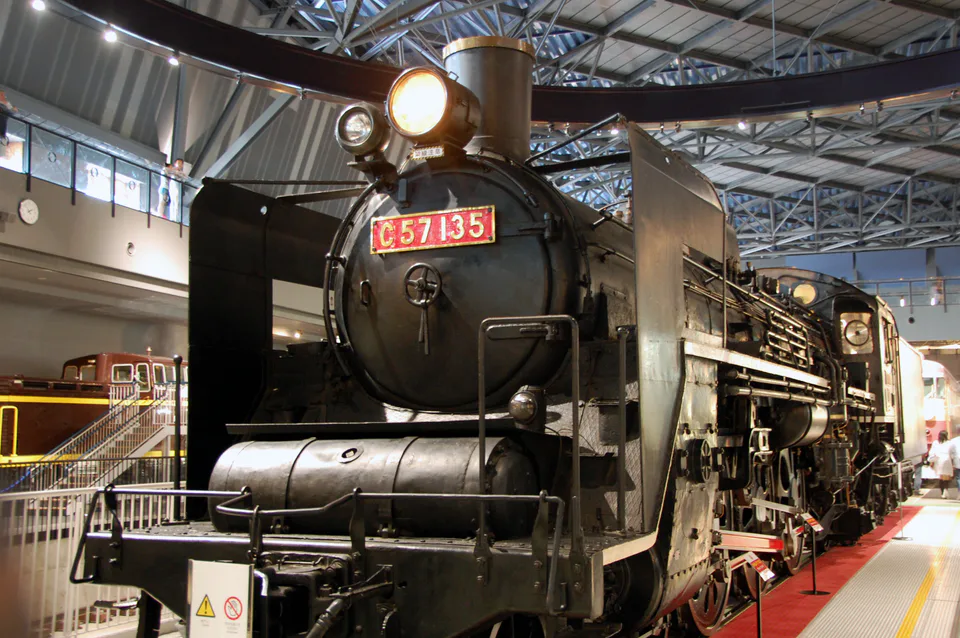
That is why “cheap ticket” is the wrong mental model. A ¥1,500 admission can be outstanding value and still be a poor fit for a three-day first trip to Tokyo. If your wider plan is not settled, sort out where to stay in Tokyo for a first trip first; a half-day outside the city should serve the itinerary rather than exist because admission looks inexpensive.
Next decision: choose your Tokyo hotel area first
Age rules can overturn the simulator plan before price does
The Miniature Driving Train can be operated by elementary-school students and older, with up to three passengers including the driver. The E5 Simulator, Conductor Simulator and Driver Simulator Classroom also start at elementary-school age, while the D51 Simulator requires junior-high-school age or older. The Mini Shinkansen Ride is the easier preschool option and currently costs ¥200 per person; preschool children need an accompanying adult, and the ride does not operate in winter from December through February.
This is a common family failure mode: seeing “interactive railway museum,” buying admission for a preschooler and only later discovering that the famous driving experiences were designed for older children. Check the age of the child against the specific program, not the museum as a whole.
Advance admission saves ¥100 each — ¥400 for a family of four
The current official admission table is simple: adults ¥1,500 advance / ¥1,600 same day, elementary through high-school students ¥500 / ¥600, and preschool children aged 3+ ¥200 / ¥300. Using the August 27, 2026 exchange rate of roughly ¥1 = US$0.00627, that is about US$9.41 / $10.03 for adults.
↔ Scroll table left or right
Party | Advance | Same day | Total saving |
1 adult | ¥1,500 (US$9.41) | ¥1,600 (US$10.03) | ¥100 (US$0.63) |
2 adults | ¥3,000 (US$18.81) | ¥3,200 (US$20.06) | ¥200 (US$1.25) |
2 adults + 2 school-age children | ¥4,000 (US$25.08) | ¥4,400 (US$27.59) | ¥400 (US$2.51) |
The family saving is worth taking when the date is already fixed. It is not large enough to justify giving up useful weather flexibility. If this museum is your rainy-day alternative, paying ¥100 more per person on the day can be the better transaction.
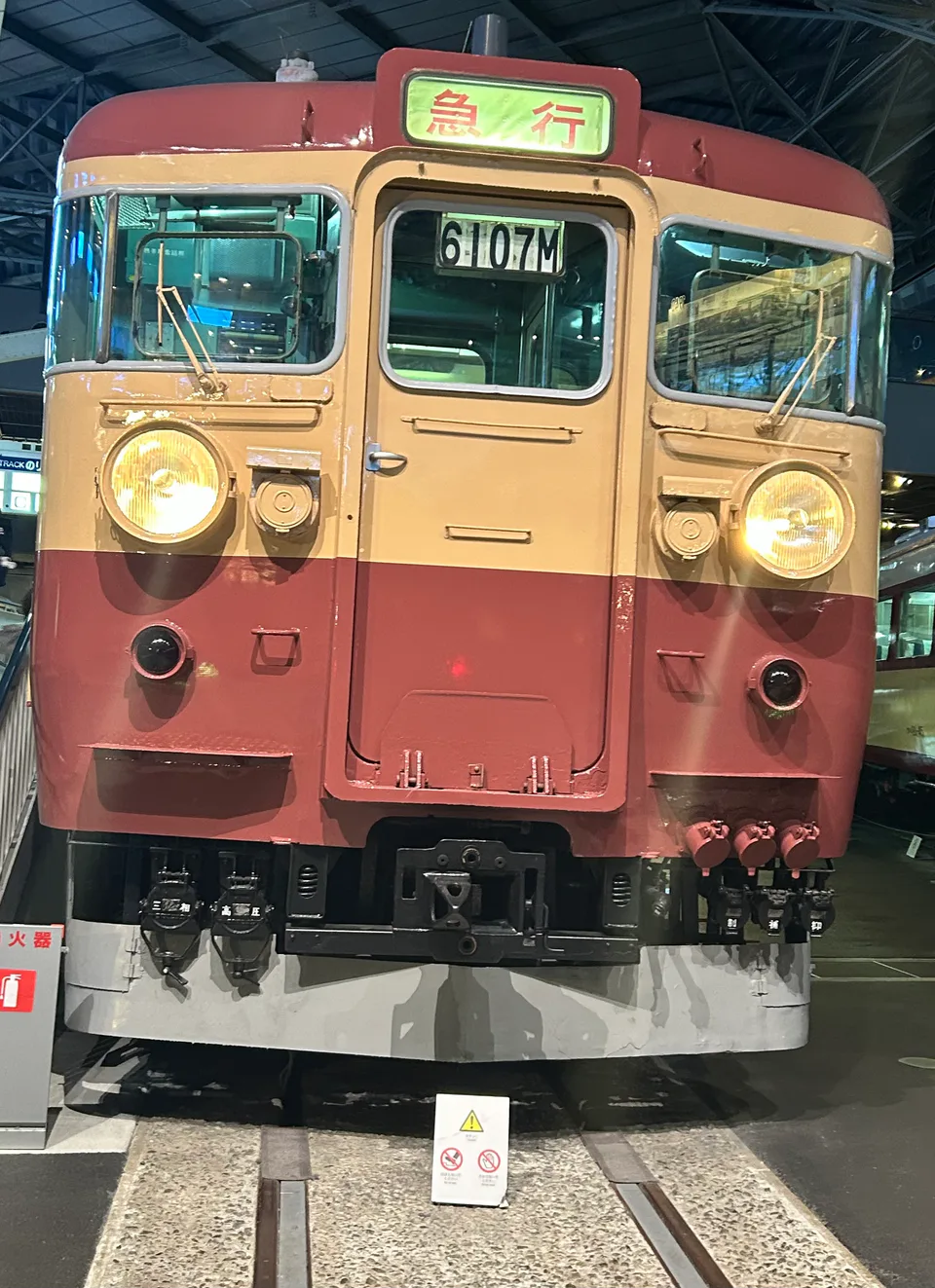
Omiya to Railway Museum Station adds ¥190 each way before your Tokyo rail fare
Once you reach Omiya, the final transfer is simple: take the New Shuttle to Railway Museum Station and walk about one minute. The current New Shuttle cash fare is ¥190 each way for an adult (¥189 by IC), so the local return leg alone is ¥380 (about US$2.38) before your JR trip from the Tokyo area.
That amount is small; the bigger cost is time and direction. A northern or eastern Tokyo base makes this excursion easier. If your trip is built around Shinjuku, Hakone and western-Tokyo evenings, Tokyo Station vs Shinjuku or Shinjuku vs Shibuya helps explain why Omiya feels less “on the way.” Do not move hotels for the museum—put the museum on the day that already points north.
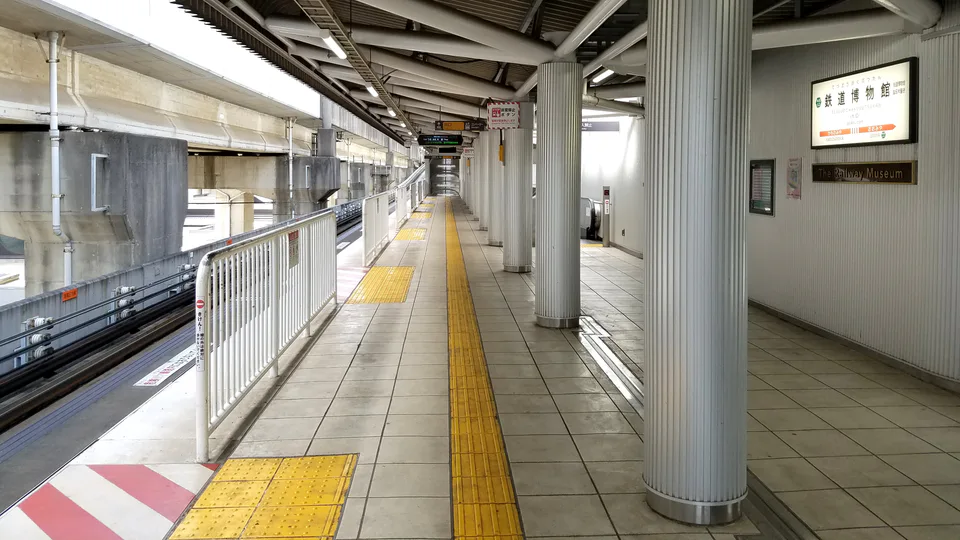
Klook is an admission shortcut, not an experience upgrade
Klook’s current product 95382 lists the Advance Ticket as valid only on the selected date, with instant confirmation and no cancellation, refund or change. It is an admission product. The official museum, separately, tells visitors that reserved-experience admission tickets for the Miniature Driving Train and selected simulators are sold through Seven Ticket.
So the platform choice should follow your goal. If you simply want museum admission and your date is fixed, compare Klook’s final checkout amount with the official ¥1,500 advance benchmark. If one specific simulator is the reason for the trip, check the official/Seven Ticket reservation path before buying ordinary admission anywhere else.
This article may contain affiliate links. ValueNavi may earn a commission from an eligible booking at no extra cost to you.
Date fixed and admission is all you need? Compare the selected-date ticket on Klook
Before September 28, the railway-advertising exhibition adds a second reason to linger
The current collection exhibition, Railway Ads — That Day, That Place, That Ad, runs from July 11 through September 28, 2026. It organizes railway advertising by media type and traces designs from the Meiji era through recent examples. A companion exhibition on ekiben design runs over the same dates.
For design, social-history and station-culture travellers, that broadens the museum beyond locomotives. It should add value to a visit you already want, not manufacture urgency for someone who is indifferent to trains.
Opening hours make a late-afternoon visit a weak plan even if you can still enter
Regular hours are 10:00–17:00 with last admission at 16:30, and the museum is generally closed on Tuesdays and over the New Year period, with exceptions on some school-holiday or public-holiday Tuesdays. Because the museum itself suggests around 2–3 hours, a 15:00 arrival is already a compressed visit; 16:30 is merely the last legal entry, not a useful target for a first visit.
If you care about raffle-based experiences, late arrival is even weaker because their operating windows end before or around closing. The E5 Simulator, for example, is currently listed through 16:45, while the Miniature Driving Train and D51 Simulator run through about 16:30. A late ticket cannot recreate the morning’s choice of program slots.
Final verdict: decide whether you need admission, a chance, or a guarantee
Saitama Railway Museum 2026 is excellent value for rail fans, families with train-obsessed school-age children and repeat Tokyo visitors who are happy to spend three or four hours around one subject. It is an easy skip for a short first Tokyo trip if trains are only a mild interest. The ¥1,500–¥1,600 admission price should not trick you into ignoring the half-day.
The strongest counterargument to buying a guaranteed experience is that the on-site raffle costs only ¥600 if you win. Correct—and that is exactly why the ¥1,000 reservation is not automatically “better.” You pay ¥400 extra to exchange uncertainty for certainty. If missing the Miniature Driving Train would barely affect the day, keep the ¥400. If missing it would make the child feel the trip failed, the premium is much easier to defend.
Use this order: decide whether Omiya deserves the half-day; decide whether one specific hands-on program is non-negotiable; if yes, check Seven Ticket when the seven-day sales window opens; if no, buy ordinary admission only when the date is firm and use the raffle app for optional extras. That sequence prevents a cheap museum ticket from creating an expensive expectation.
Sources and verification
Railway Museum — official admission, hours and reserved-experience ticket channels · official hands-on programs, age rules, fees and operating times · official Railway Museum Raffle App · Seven Ticket — current admission and guaranteed-experience ticket rules · New Shuttle — current Omiya–Railway Museum fare · 2026 Railway Ads exhibition.
Facts and prices checked August 27, 2026. USD conversions use approximately ¥1 = US$0.00627 and are rounded for planning. Admission, experience rules, raffle procedures, program times and third-party conditions can change, so recheck the official museum and ticket channel before payment.