
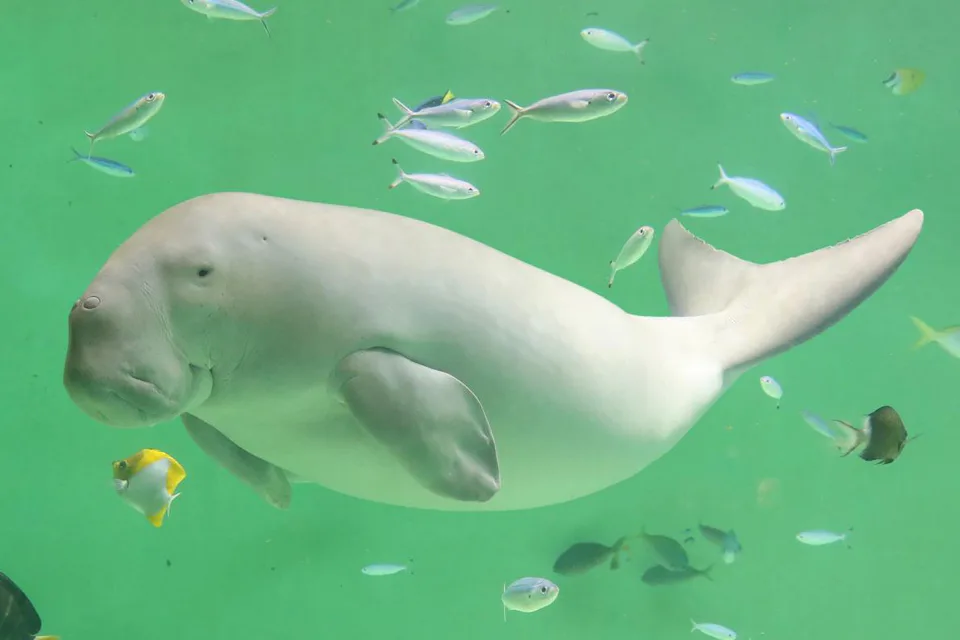
Toba Aquarium is worth the detour when the animals unique to Toba are the reason for the trip—not when you simply want a good aquarium day. Adult admission is currently JPY 2,800 (about US$17.60 at the August 26, 2026 exchange rate), but the expensive part of a visit from Nagoya, Kyoto or Osaka is time: Toba Aquarium itself describes Toba as roughly two hours by train from each city. A return day can therefore spend about four hours in transit before you have seen a single exhibit.
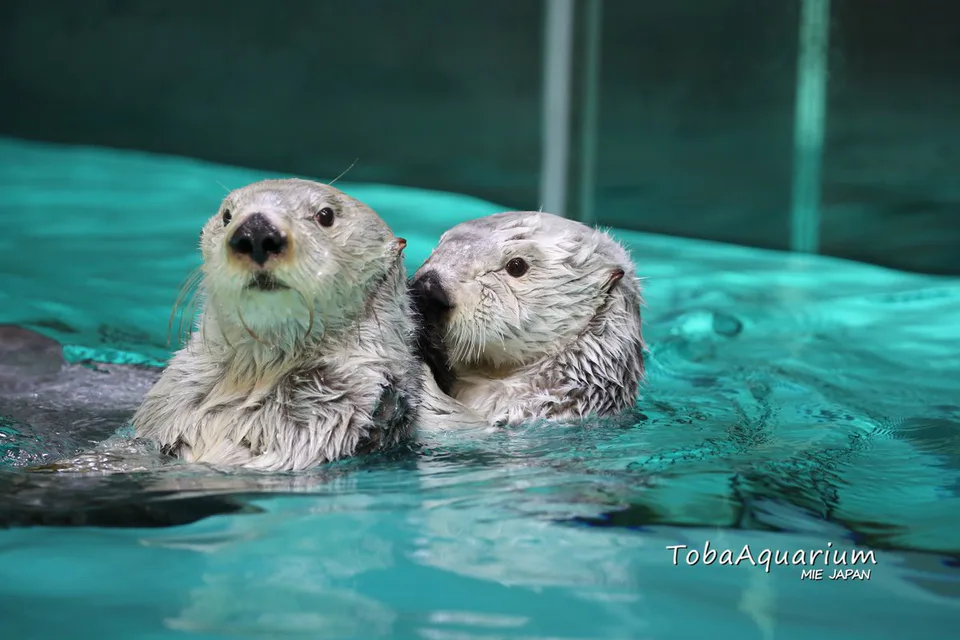
The strongest reasons to accept that cost are unusually specific. Toba currently keeps the only two sea otters housed in Japanese aquariums, Mei and Kira, and Serena is the only dugong currently under human care in Japan. The catch is equally specific: the sea-otter viewing lane gives each group about one minute at the main viewing space, and the queue normally closes at 16:30 or earlier when demand is high. Decide whether that experience is still worth the journey before you plan the train.
↔ Scroll table left or right
Your trip pattern | ValueNavi verdict | Why |
Toba / Ise-Shima is already on the itinerary | Go | The aquarium becomes a half-day anchor instead of a four-hour return detour |
You specifically want Mei, Kira or Serena | Go, but arrive with the viewing rules in mind | These animals are difficult or impossible to substitute with a more convenient Japanese aquarium |
Nagoya base; you simply want a large aquarium | Usually stay in Nagoya | Port of Nagoya Public Aquarium removes most of the intercity travel cost |
Kyoto or Osaka trip with only a few Kansai days | Usually skip unless Toba is a priority | Roughly four hours of return rail time has a high opportunity cost on a short first trip |
Peak holiday / Obon visit mainly for sea otters | Arrive early and keep a backup expectation | The one-minute queue can close earlier than the normal cutoff when crowds are heavy |
You want a long uninterrupted sea-otter session | Do not make the detour for that reason alone | The current system deliberately rotates visitors through the main viewing point every minute |
ValueNavi Attraction Decision Score: Toba scores high only when rarity matters
Toba Aquarium now uses the same cross-site ValueNavi attraction model: uniqueness 20%, route fit 20%, time efficiency 15%, weather resilience 15%, booking flexibility 10%, crowd resilience 10%, and money value 10%. Each dimension is scored from 0 to 10. The score describes a traveller scenario, not animal welfare or aquarium quality.
Scenario | ValueNavi score | Why |
|---|---|---|
Ise-Shima/Toba already in the route | High uniqueness without paying a dedicated four-hour return detour. | |
Dedicated trip specifically for Mei, Kira and Serena | Exceptional uniqueness outweighs weak time efficiency if the one-minute otter product is accepted in advance. | |
Nagoya base, simply wants a large aquarium | The long detour loses route and time points because a major local aquarium is available. | |
Kyoto/Osaka first trip with only 3–4 Kansai sightseeing days and no rare-animal priority | The opportunity cost of the return rail journey is too high for a substitutable aquarium goal. | |
Family already staying in Mie | Indoor weather resilience and family facilities are strong once the intercity detour disappears. |
I treat 8.5+ as a strong fit, 7.5–8.4 as conditional and below 7.5 as a sign that the route is paying too much for the stated goal. Toba is a useful example of why uniqueness and route fit need separate dimensions: the aquarium can be exceptionally distinctive and still be the wrong day trip.
ValueNavi Transit Share: how much of the Toba day is just getting there?
Use a transparent planning ratio:
Transit Share = intercity travel time ÷ (intercity travel + aquarium time + other genuinely wanted Toba/Ise time)
Using the aquarium’s own rough two-hours-each-way access benchmark and a three-hour aquarium visit:
↔ Scroll table left or right
Day structure | Illustrative transit share | ValueNavi read |
Dedicated return trip: 4h trains + 3h aquarium | 57% | More than half the attraction block is intercity travel. |
4h trains + 3h aquarium + 2h genuinely wanted Toba waterfront/Ise-Shima time | 44% | The same transport is now doing more than one job. |
Toba/Ise overnight or route-progression day | Do not use the same return-detour ratio | The intercity journey advances the wider route instead of returning to the original base. |
The ratio is not a claim about exact door-to-door times. It is a decision tool built from Toba Aquarium’s own “about two hours” big-city access benchmark. If your chosen train is faster or slower, rerun the formula with the real timetable.
ValueNavi Rare-Animal Dependency Test
Before making a long detour, ask: if the sea-otter viewing is suspended or the animals are not visible as hoped, would the aquarium and the rest of Toba still justify the day?
↔ Scroll table left or right
Your answer | What it means | Planning response |
Yes, Serena + wider aquarium + Toba still work | Low single-exhibit dependency | The detour is relatively resilient. |
No, I am travelling only for Mei/Kira | High dependency | Arrive early, accept the one-minute rule and keep a realistic cancellation/backup mindset. |
I only want a good aquarium day | Rarity is not driving the decision | Compare a closer aquarium first. |
This is not a reason to avoid Toba. It is a way to distinguish a rare-animal pilgrimage from a generic aquarium outing before spending a large part of a Japan day on trains.
The ticket is not the real cost: calculate the detour in hours
Toba Aquarium currently charges JPY 2,800 for adults, JPY 1,600 for children aged 6–15, JPY 800 for ages 3–5 and no admission fee for children under three. On the attraction itself, that is easy to compare.
The harder number is the journey. The aquarium's official access page says Toba can be reached by train from Osaka, Kyoto and Nagoya in about two hours. That means a traveller making a simple return trip from one of those bases is potentially buying a day shaped like this:
roughly two hours to Toba;
the walk and station-to-aquarium hand-off;
two to four hours inside, depending on queues and presentations;
roughly two hours back.
This is why a JPY 2,800 admission ticket can still be an expensive itinerary decision. The opportunity cost is a large part of one Japan sightseeing day.
If the trip is based in Nagoya and the goal is simply “a major aquarium,” compare Port of Nagoya Public Aquarium before accepting the Toba travel cost. If the rare animals are the reason for travelling, Toba is a different product and the detour becomes much easier to justify.
The sea-otter decision is binary: one minute is either enough or it is not
Toba Aquarium changed its sea-otter viewing system in March 2025 after the number of sea otters kept in Japanese aquariums fell to the two animals at Toba. Visitors now queue through a managed route. At the main viewing space, groups rotate through a one-minute viewing turn.
The official rules also matter operationally. The viewing queue normally closes at 16:30, can close earlier depending on congestion, and animal health can change or suspend viewing without notice. Visitors who leave the queue cannot rejoin at the same position.
That creates a clean decision boundary. If the trip is worthwhile only if you can stand at the glass for an extended photo or video session, the current product does not match your expectation. If seeing Mei and Kira at all is the goal, one controlled minute can still be the rare experience you travelled for.
I would therefore put the sea-otter queue near the start of the visit when the animals are the trip's main purpose. Do not leave the defining experience until 16:20 and assume the published cutoff guarantees another place in line.
Feeding times are useful anchors, not guarantees
Toba Aquarium's current English schedule lists sea-otter feeding at 09:40, 13:00 and 16:10, with the programme around ten minutes. Those times can help sequence the visit, but they should not become the only reason the day works. Animal welfare comes first and viewing arrangements can change.
A resilient plan still has value if a feeding does not run exactly as expected: see Serena, move through the wider marine-mammal collection, and return to another zone rather than holding the entire day hostage to one presentation.
Serena changes the value calculation because she is not a generic aquarium substitute
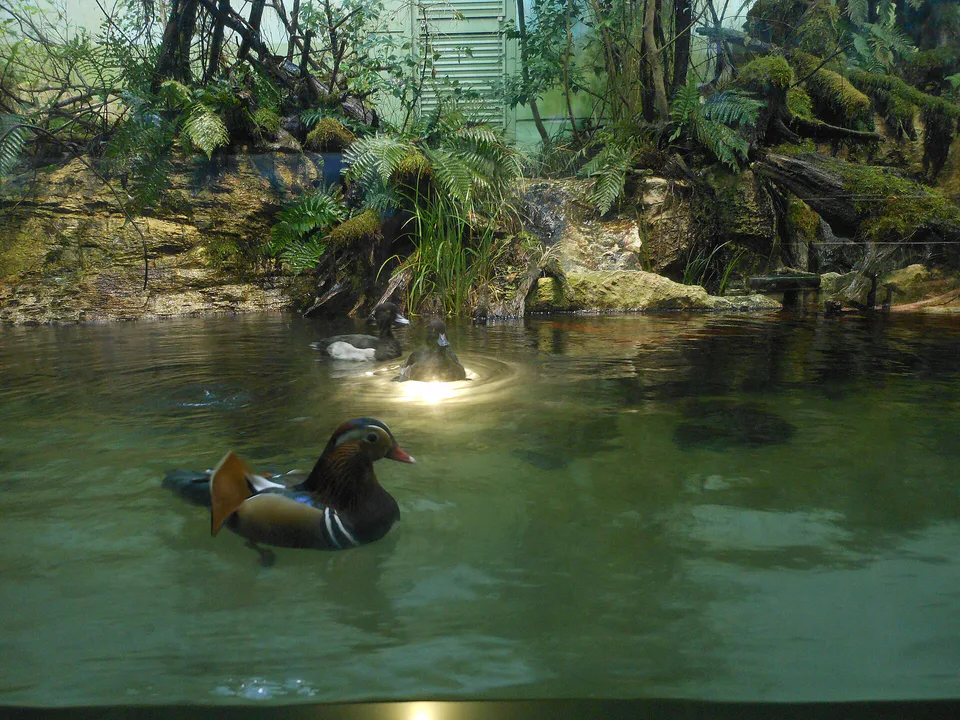
In April 2026, Toba Aquarium marked Serena's 39th anniversary at the aquarium. The aquarium's current English materials identify Toba as the only place in East Asia where visitors can currently see a dugong in captivity.
That makes the exhibit a stronger detour argument than a generic “large tank” comparison. A traveller who has already visited major aquariums in Tokyo, Osaka or Nagoya may still find Serena non-substitutable.
The experience is also different in character from a show. Dugongs are not a high-speed spectacle. If your interest is rarity, animal biology or simply seeing a species you cannot easily find elsewhere, the value is high. If you want a day dominated by large-scale shows and dramatic tanks, another aquarium may fit better despite being less rare.
Two hours is the official minimum-style estimate; three to four hours is the safer rare-animal plan
The aquarium's official visitor information says it takes around two hours to see all areas and that there is no required route. Two hours is therefore a defensible fast visit. It is not the time budget I would use when the sea otters are the main reason for coming.
Add time for the managed otter queue, Serena, one or two presentations, food and the fact that a no-fixed-route aquarium encourages backtracking. Three to four hours creates a much more resilient visit without automatically turning Toba into an all-day indoor attraction.
This distinction also affects whether the detour is rational. A traveller who spends four hours on trains for a rushed 90-minute aquarium visit has poor time economics. A traveller who combines a proper aquarium visit with Toba or Ise-Shima uses the same transport much more efficiently.
The best way to make Toba worth the journey is to amortise the transport
If Toba Aquarium is already near another destination you genuinely want, the intercity travel starts doing two jobs. That is the strongest itinerary construction.
Toba Aquarium + Toba waterfront / Mikimoto Pearl Island: keeps the day geographically tight.
Ise + Toba overnight: uses the aquarium as one half-day inside a broader Ise-Shima trip instead of a stand-alone detour.
Mie coastal route: strongest when Toba is part of the direction of travel rather than a return excursion from a big city.
The official aquarium tourism page itself positions nearby Ise-Shima attractions as part of the wider visit. The ValueNavi inference is simple: the more of the four-hour big-city return journey you can turn into route progression or another wanted destination, the stronger the aquarium becomes.
Families should distinguish attraction fit from transport fit
The aquarium itself is family-friendly: children under three enter free, the building lends strollers and wheelchairs subject to availability, and coin lockers are available. But none of those features makes a four-hour return train journey disappear.
For a family already staying in Mie, Toba is easy to recommend. For a family based in Osaka or Kyoto with only three or four sightseeing days, the question is whether rare animals outrank another Kansai day enough to justify the travel.
If younger children mainly need a large aquarium experience rather than a specific dugong or sea otter encounter, a closer attraction can be the better holiday even if Toba is more unusual on paper.
Peak crowds make the sea-otter plan less predictable, not more valuable
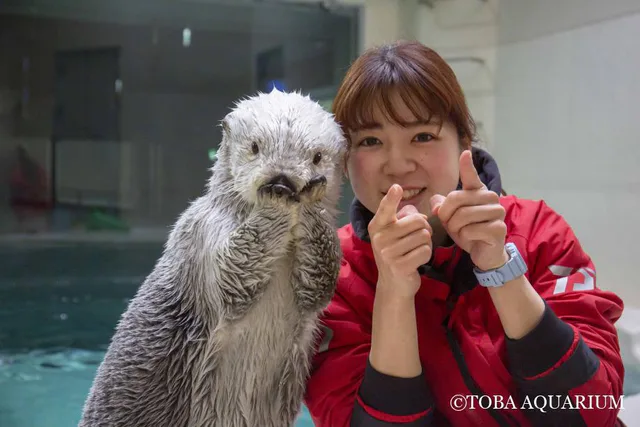
Toba Aquarium's 2026 Golden Week and Obon notices both warned that the sea-otter queue may close earlier than usual because of congestion. The Obon notice also recommended public transport because the parking lots were expected to fill.
This creates a counterintuitive rule: if the sea otters are the non-negotiable reason for a peak-date visit, do not “save time” by arriving late. The ticket does not reserve a one-minute sea-otter turn. Earlier arrival buys more recovery options if the queue is already long.
Conversely, if the aquarium is only one optional stop in an Ise-Shima day, peak crowds can be a reason to skip it rather than sacrifice the rest of the route.
Do not buy a flexible ticket and mistake that for a flexible day
The admission ticket is only one commitment. The bigger commitment is the travel day. Before buying through any reseller, lock the date against your hotel base, train plan and sea-otter priority. Recheck the exact cancellation and activation terms on the product you actually select.
If you buy at the aquarium, the official FAQ currently confirms major credit-card acceptance and same-day re-entry after getting the required hand stamp before leaving. Coin lockers are currently JPY 300–400. Those details are useful, but none changes the core question: is the Toba detour worth the hours from your base?
Final verdict: Toba is worth a rare-animal trip, not an aquarium checkbox
Go if Mei and Kira, Serena, or a broader Ise-Shima/Toba route are meaningful reasons for the day. The JPY 2,800 ticket is not the hard part; the travel time is.
Skip or substitute if you are based in Nagoya, Kyoto or Osaka, only want a good aquarium, and have no particular interest in Toba's non-substitutable animals. On a short first Japan trip, roughly four hours of return rail time can cost more itinerary value than the ticket itself.
Most importantly, accept the product before making the detour: the main sea-otter viewing turn is one minute, the queue can close early on busy days, and animal condition can change viewing. If those boundaries still leave you excited to go, Toba has a clear reason to be on the itinerary.
Kushimoto Marine Park Is Worth the Detour — Just Don’t Let Stella Maris Decide Your Whole Day
Kishiwada Danjiri October 2026: Districts, Transport and How to Plan the Day
Kyushu National Museum Tickets: When ¥700 Is Enough — and When the Special Exhibition Is Worth It
Kyoto Aquarium: Is the ¥2,600 Ticket Worth 2–3 Hours in Kyoto?
Kyoto Gozan Okuribi: What the 2026 Viewpoint and Exit Plan Teaches
References
Toba Aquarium — hours and recommended visit time · Toba Aquarium — admission fees · Toba Aquarium — access · Toba Aquarium — sea-otter viewing rules · Toba Aquarium — re-entry, lockers and accessibility FAQ · Toba Aquarium — Serena's 39th anniversary. Checked August 26, 2026. Animal viewing, programmes and peak-date operations can change; recheck the official site for the travel date.