
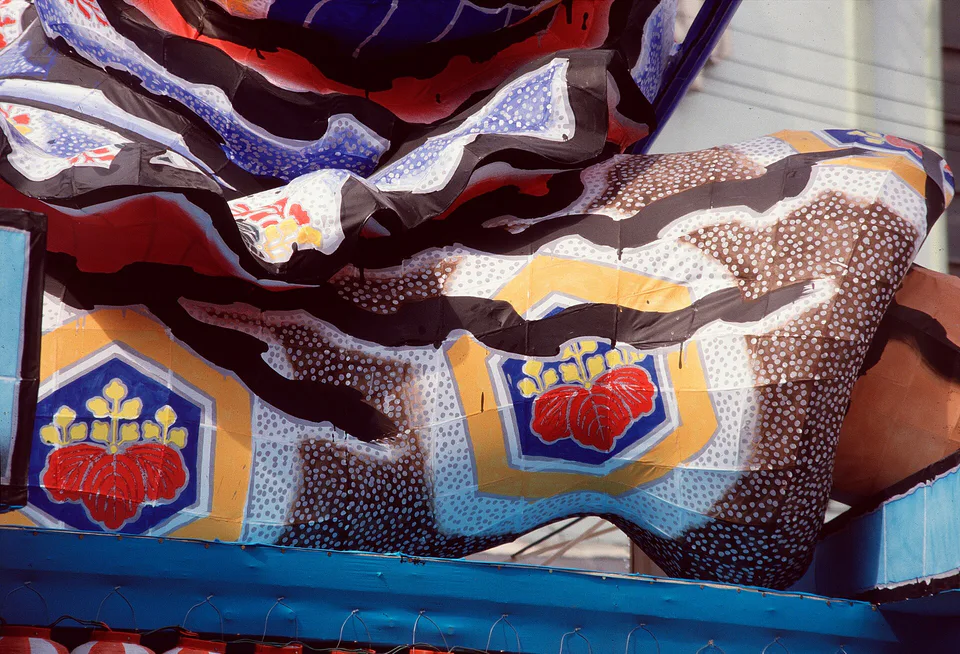
If you only have one normal festival night, I would choose Aomori Nebuta when maximum three-dimensional float impact and the option to join as a Haneto matter most. Choose Hirosaki Neputa when the fan-shaped floats, castle-town atmosphere and the relationship between the procession and the city are the reason you are travelling north. The completed 2026 schedules also show why the date comes before the city: Aomori changed programme between Aug 2–3 and Aug 4–6, Hirosaki changed route between Aug 1–4 and Aug 5–6, and Aug 7 turned both into finale products rather than ordinary night parades.
The 2026 festivals are over. Use the details below as a planning model, not as next year's timetable. The durable order is date-specific programme → festival → viewing/participation mode → hotel. Recheck the next edition's routes, prices and sales rules from zero.
↔ Scroll table left or right
If your priority is… | Start with… | Why | What reverses it |
Maximum large-float spectacle | Aomori, using the Aug 4–6 2026 pattern as the reference | Those nights concentrated roughly 20 large Nebuta | You care more about Hirosaki's fan-float art and streetscape than scale |
Visitor participation | Aomori | Haneto participation requires no advance registration when you join correctly in formal costume | You want a stable view and photography freedom |
Classic castle-town street atmosphere | Hirosaki, using the Aug 1–4 Dotemachi pattern | The route uses the older central streets rather than the station-side course | Rail simplicity matters more than the downtown setting |
Late rail arrival / easy station-side finish | Hirosaki, using the Aug 5–6 Station Area pattern | The route moved toward JR Hirosaki Station | Dotemachi atmosphere is the point of the trip |
Aug 7-style finale | Choose one city deliberately | Aomori used a marine procession + fireworks; Hirosaki used the Nanukabi flowing/burning ceremony | You only want the daytime processions and will leave before evening |

The date changes the answer more than “Aomori is bigger, Hirosaki is calmer”
In 2026, Hirosaki Neputa ran Aug 1–7 and Aomori Nebuta Aug 2–7. The overlap looks interchangeable on a calendar but the products changed within the week.
Aomori started Aug 2–3 at 19:00 with children's Nebuta plus about 15 large Nebuta planned. Aug 4–6 started at 18:45 and concentrated about 20 large Nebuta. Aug 7 shifted the large-float parade to 13:00 and the evening to the harbour for the marine procession and fireworks.
Hirosaki used the Dotemachi course at 19:00 on Aug 1–4, moved to the Station Area at 19:00 on Aug 5–6, then changed again on Aug 7 to a 10:00 Nanukabi Dotemachi procession followed by the separate Nanukabi Okuri river event.
That creates the first useful rule for next time: compare the exact versions of the festivals your dates allow. A traveller available only on the equivalent of Hirosaki's Dotemachi nights faces a different decision from someone arriving for the station-side nights or finale.
For one classic night, Aomori is my default for spectacle—but not for every traveller
If a first-time visitor has one normal festival night and no strong prior preference, Aomori is the safer default because its scale, three-dimensional floats, music and Haneto movement create the larger single-evening contrast from ordinary Japan sightseeing.
The recommendation reverses when Hirosaki itself is part of the desired experience. If the next morning is Hirosaki Park, Tsugaru culture or apple-country sightseeing, sleeping in Hirosaki can make the festival night and following day one coherent block. Aomori's extra scale is not automatically worth another late train plus hotel mismatch.
Haneto participation is Aomori's structural advantage—but budget the costume correctly
Aomori's organiser currently states that Haneto do not need advance registration or team membership. Participants wear formal costume and join a waiting Nebuta group before departure.
The rough headline is often quoted as “about JPY 4,000 to rent the costume,” but the official rental page adds an important detail: tabi socks, zori sandals and the hanagasa hat can be charged separately. The organiser also recommends booking a rental in advance. So Haneto is free to register for, not necessarily a JPY 4,000 all-in experience.
This strengthens Aomori only for travellers who genuinely want participation. A spectator who cares about photographing complete floats should not pay for the costume just because it is famous. Participation and viewing solve opposite goals.
Hirosaki is really a Dotemachi-vs-Station-Area decision
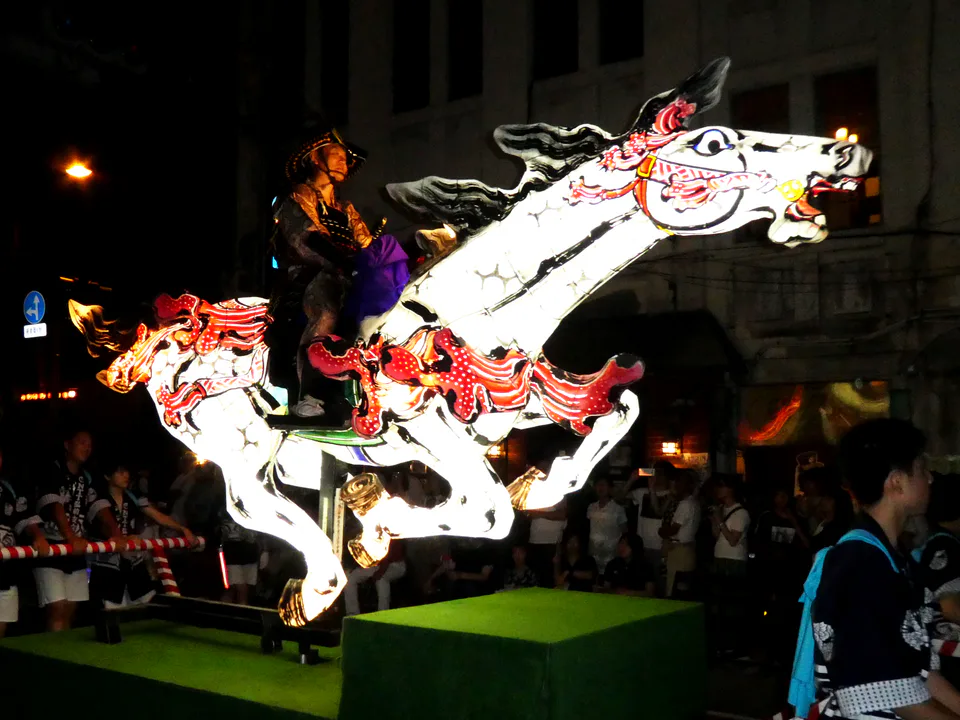
The 2026 route split gives Hirosaki a decision dimension Aomori comparisons often miss. Dotemachi on Aug 1–4 delivered the stronger old-town context. The Station Area on Aug 5–6 reduced the last-mile problem for travellers based near JR Hirosaki Station.
If you are arriving by rail late or leaving early the next morning, the station-side route can be more valuable than a more atmospheric course. If the castle-town setting is why you chose Hirosaki, the convenience gain may not justify giving up Dotemachi.
Use the exact future route before choosing the hotel. “Stay near Hirosaki Station” is not universally correct; it becomes correct when the festival course and onward rail plan make the station do two jobs.
Reserved-seat economics are not just JPY 4,000 vs JPY 3,000
In 2026 Aomori's standard individual reserved seat cost JPY 4,000. For overseas visitors, the official channel added JPY 1,000 service fee per ticket plus JPY 950 per order, and required physical ticket pickup from a 7-Eleven in Japan. One overseas Aomori seat therefore carried JPY 5,950 in published ticket and channel charges; two in one order carried JPY 10,950.
Hirosaki's ordinary reserved chair seat was JPY 3,000, same price for adults and children needing their own seat. Its 2026 group table cost JPY 20,000 for up to six people. Six ordinary seats therefore cost JPY 18,000: the full six-person table carried a JPY 2,000 premium before any booking-platform fees.
That means the Hirosaki group table was not a group discount. It bought one defined table for the party. Buy it when group cohesion is worth the premium, not because the word “group” sounds cheaper.
Do not use those 2026 numbers as next year's prices. Keep the method: compare party checkout total + what the seating format actually solves.
August 7 is a finale fork, not an efficiency challenge
The 2026 Hirosaki Nanukabi daytime procession began at 10:00. Aomori's daytime large-Nebuta parade began at 13:00. On paper the cities are close enough to tempt a two-parade sprint.
I would not make seeing both full daytime processions the success condition. Festival crowd exits, walks to the station and train timing consume the theoretical gap. The evening conflict is even clearer: Aomori's harbour finale and Hirosaki's flowing/burning Nanukabi Okuri occupied overlapping hours.
If the next edition repeats that structure, choose the finale first. Pick Aomori for marine Nebuta + fireworks; pick Hirosaki for the river ritual. Trying to maximize the city count can make you leave the ceremony you actually travelled for.
Rain is a same-day operating decision, especially for Hirosaki
Aomori's 2026 seat guidance said the festival operated in rain and the viewing seats were uncovered. Hirosaki's official English page carried inconsistent wording: the overview said the parade may be postponed or cancelled in rain, while the paid-seat section said it would be held rain or shine and told spectators to bring rain gear.
Do not silently reconcile that contradiction. On the actual day, use the organiser's latest operating announcement. This is particularly important if you are considering moving between Aomori and Hirosaki based on weather.
For two festival nights, a hotel split can be rational when it removes the late transfer
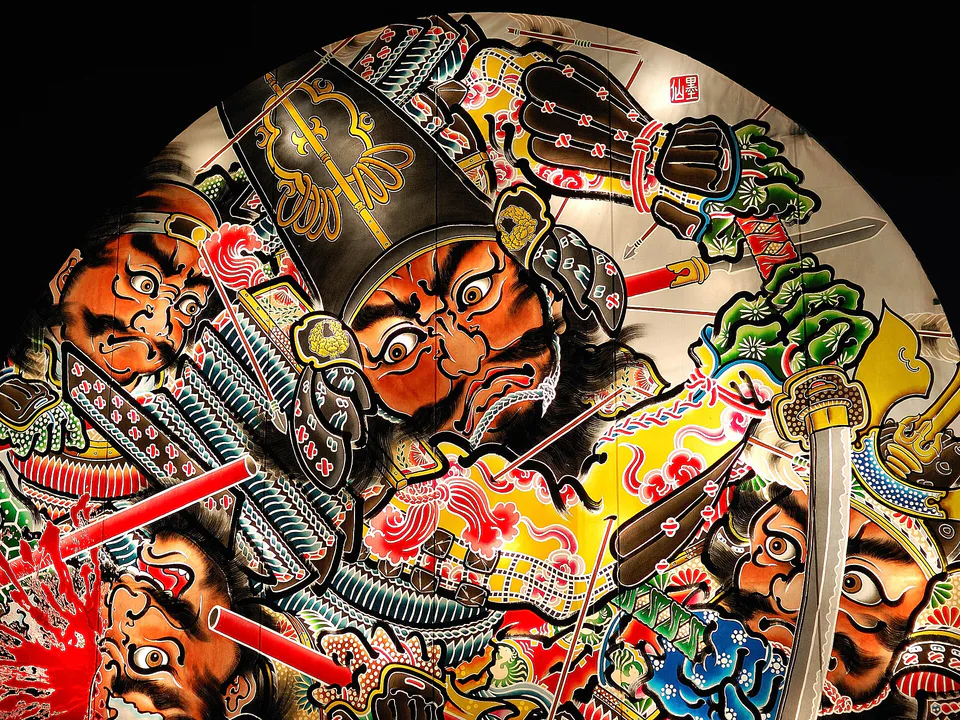
If you genuinely want one full festival night in each city, one night in Aomori and one in Hirosaki can be a sensible move. The benefit is not collecting hotel locations. It is moving luggage in daylight and deleting a post-parade intercity train when everyone is tired.
Keep one hotel instead when luggage is heavy, one property is dramatically better value, or the next morning clearly departs from the same city. A split stay must remove a high-friction late transfer to justify itself.
Families should choose the clock, not the quieter-sounding city name
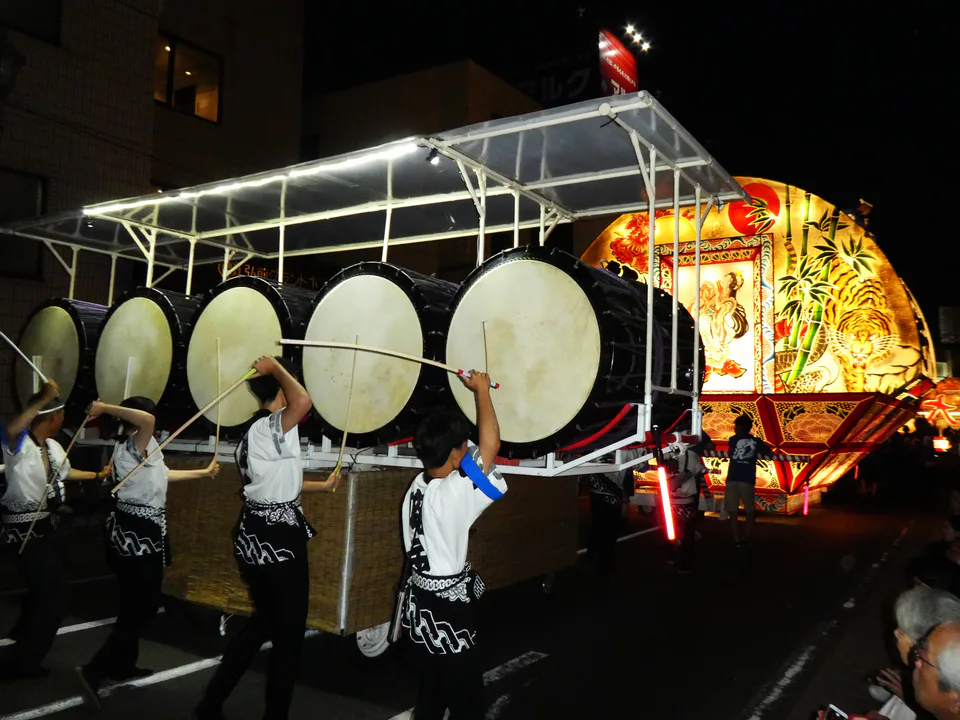
Hirosaki is often described as calmer, but that does not answer the family question. A normal 19:00 procession may still be too late for a toddler. A daytime finale can solve bedtime but create heat exposure and a very long day if the evening ceremony is added.
For children, choose the programme window first, then seating, toilets, rain protection and hotel distance. Do not use “Aomori for adults, Hirosaki for kids” as a shortcut.
Should you see both?
See both when the contrast itself is one of the trip goals: Aomori for three-dimensional scale and possible Haneto participation, Hirosaki for fan-shaped Neputa and the city-course relationship.
Skip the second festival night when you are adding it only because the cities are close. Those peak hotel nights compete with Oirase, Lake Towada, Hirosaki daytime sightseeing, Akita Kanto, Morioka Sansa and recovery time.
The deletion test is useful: if removing one festival changes nothing important about the trip, spend the night elsewhere. If removing Aomori loses the participation/scale experience you wanted, or removing Hirosaki loses the fan-float/castle-town experience, then both nights have earned their place.
Final verdict
Choose Aomori Nebuta for the stronger one-night spectacle and choose it decisively if you want to become a Haneto. Choose Hirosaki Neputa when the fan-shaped float art and the city setting are the point, then use the exact course to decide whether Dotemachi atmosphere or Station Area logistics matter more.
For the next edition, do not start with last year's hotel map or ticket price. Start with the exact festival date, then compare the programme, participation mode and final-night route. The 2026 evidence is valuable because it shows how quickly the answer changes within the same seven-day festival window.
Nada Fighting Festival 2026: October 14 or 15 — How Much of the Festival Should You Actually See?
Aomoriya vs Oirase Keiryu Hotel: Which Hoshino Resort Should You Choose?
Okinawa Blue Cave Snorkeling: Boat vs Shore Entry — Which Should You Book?
Aizu Festival 2026: If You Only Have One Day, Make It September 20
References
Aomori Nebuta — official schedule · Aomori overseas reserved-seat fees · Aomori Haneto rental pricing caveat · Hirosaki Neputa — official English routes and ordinary seats · Hirosaki 2026 group-seat pricing. Checked August 25, 2026. Future routes, prices and operating rules must be reverified.