
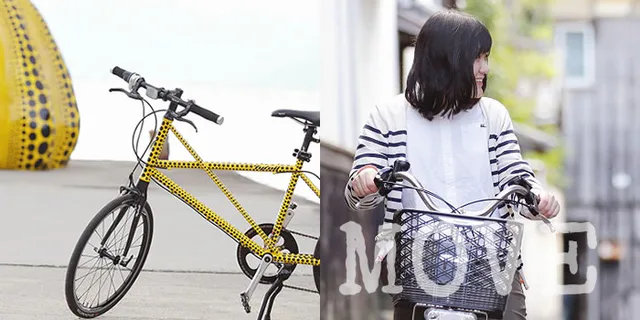
Rent an e-bike on Naoshima when your day genuinely needs independent movement between Miyanoura and Honmura, then treat the Benesse museum area as a separate walking-and-shuttle zone. Use the town bus instead when most of the day is built around timed museum entries, the weather is poor, or your group would rather protect energy for the art than manage a bicycle.
The important correction is that an e-bike does not give unrestricted door-to-door access across the whole island. Benesse Art Site Naoshima currently prohibits ordinary visitors from riding bicycles through the private area between the East Gate near Tsutsujiso and the North Gate near Lee Ufan Museum. You park at Tsutsujiso or the Chichu Art Museum Ticket Center, then continue on foot or by the free Benesse shuttle. That boundary changes when an e-bike is actually worth renting.
↔ Scroll table left or right
Your day | Start with | Why | Main failure mode |
Miyanoura + Honmura + one museum-area block | E-bike | You remove waits between the two towns, then park before the private museum zone | Trying to ride through an area where bicycles are prohibited |
Chichu + Lee Ufan + Benesse House-heavy day | Town bus + Benesse shuttle | Most of your useful movement inside the museum zone is walking/shuttle anyway | Assuming a bicycle saves time after Tsutsujiso when it often has to be parked |
Several Art House Project sites in Honmura | E-bike to Honmura, then walk | The bike is useful for reaching the district; the art houses themselves are a compact walking experience | Riding door-to-door through residential lanes instead of parking once |
Rain, strong wind, severe heat, low cycling confidence | Bus | You remove a weather-sensitive outdoor transport layer | Town buses can fill, especially on busy weekend/holiday returns from Tsutsujiso |
Late ferry after a full art day | Check rental-shop closing before choosing a bike | The bike-return deadline can arrive well before the last boat | Planning around the ferry while forgetting the rental counter closes around 18:00–19:00 |
Three clocks control the day: museum slot, bike return and ferry
Naoshima becomes easier to plan when you stop treating the bicycle as the master schedule. Your real day is controlled by three clocks:
Timed art entry. Benesse Art Site Naoshima currently requires specific-date-and-time tickets for facilities including Chichu Art Museum, Hiroshi Sugimoto Gallery: Time Corridors, Art House Project Kinza, Art House Project Minamidera and the night session of Ring of Fire. Online slots can sell out.
Rental return. Current Tourism Association listings put Cafe Ougiya at 08:00–18:00, T.V.C. Miyanoura at 09:00–18:00 (to 19:00 in July and August) and T.V.C. Honmura at 08:30–18:00. Your exact shop and reservation govern the return.
Boat departure. Current official tourism information lists multiple later departures from Miyanoura to Uno after many rental shops have closed, including the 19:02 and 20:25 services and later passenger-boat options.
The earliest hard clock is the real deadline. If your e-bike must be returned at 18:00, a 20:25 ferry does not give you two extra hours of bicycle sightseeing. It gives you time after the bicycle has already been handed back.
This is one of the strongest reasons to decide the return shop before the route. A late boat is only useful if your transport mode can survive until the boat.
The museum zone is where the e-bike advantage deliberately stops
Benesse Art Site Naoshima currently states that the privately owned area between the East Gate near Tsutsujiso and the North Gate near Lee Ufan Museum cannot be entered by car, motorcycle or bicycle unless you are staying at Benesse House. Bicycle parking is available near Tsutsujiso and at the Chichu Art Museum Ticket Center.
From Tsutsujiso, the free Benesse shuttle links the museum area, with stops for Benesse House Museum, Lee Ufan Museum and Chichu Art Museum. Current official access information describes a 30-minute basic frequency, increased to 15 minutes on high-demand days.
That creates a clean route split:
Miyanoura ↔ Honmura: e-bike can be genuinely useful because you control the departure time.
Honmura/Miyanoura → Tsutsujiso: e-bike still has value if the weather and rider are comfortable.
Inside the Benesse museum zone: park the bike and switch to walking/shuttle.
If Chichu, Lee Ufan and Benesse House are most of your day, this boundary weakens the case for paying for an e-bike. You may spend much of the day away from it. If Miyanoura, Honmura and neighbourhood stops matter just as much, the bike earns more of its rental cost.
Timed tickets should determine the geography, not the other way around
Do not build a beautiful clockwise cycling loop and then try to squeeze a Chichu reservation into it. Fix the scarce slot first.
For example, a 13:00 Chichu entry creates a different day from a 10:00 entry. With an afternoon slot, Honmura can take the morning before you move toward Tsutsujiso/Chichu. With a morning slot, riding to Honmura first may create unnecessary time pressure and increase the risk of reaching the museum late.
The same logic applies to Minamidera and Kinza in Honmura. Both currently use timed admission, while the Art House Project multi-site ticket covers other houses but excludes Kinza and Minamidera. “I bought the Art House ticket” therefore does not mean every Honmura stop is a free-flow walk-in.
ValueNavi rule: reserve the art that can sell out, then use the e-bike to remove dead time between the remaining flexible blocks.
Honmura is a one-parking neighbourhood
The Art House Project, ANDO MUSEUM and the surrounding residential streets are exactly where a bicycle can become more nuisance than advantage. Ride to Honmura, use a legitimate bicycle-parking area, then walk the district.
This has two benefits. First, you stop repeatedly locking and unlocking a bike for very short hops. Second, you reduce conflict in residential lanes where the island’s tourism guidance repeatedly asks visitors to respect local life.
The bicycle should solve the gap between districts. It does not need to solve the 200 metres between every artwork.
The bus is cheaper—but it has a ferry-risk failure mode
The Naoshima town bus currently costs JPY 100 per adult ride and JPY 50 for children aged 5 through elementary-school age. It connects Miyanoura Port, Honmura and Tsutsujiso, where you can transfer to the free museum shuttle.
That looks like an obvious value win over a full-day e-bike. But the Tourism Association also publishes an unusually useful warning: the town bus has a capacity of 28 people, may become full, and weekend/holiday afternoon services from Tsutsujiso toward Miyanoura can be so crowded that you may not be able to board. The association explicitly says it cannot take responsibility if that causes you to miss a ferry.
So the bus and the bike fail in different ways:
E-bike failure: weather, rider fatigue, rental return time, and the no-bike museum zone.
Bus failure: waiting and capacity uncertainty, especially on the final museum-to-port return.
If the return ferry is non-negotiable, do not make the last feasible town bus your only plan. Leave one service earlier than the mathematical minimum or begin moving back toward Miyanoura before the museum area empties.
Rental price is currently inconsistent on Naoshima’s own official pages
The Tourism Association currently maintains two English rental pages that disagree on Cafe Ougiya’s electric-bike day rate: one lists JPY 1,200, while the newer-format rental page lists JPY 1,500. Both are current official tourism pages.
Do not “resolve” that conflict by choosing the number you prefer. Use the live reservation screen or contact the shop before budgeting. T.V.C. currently lists JPY 1,500 per day for an electric bicycle at both its Miyanoura and Honmura branches.
The more important point is that a JPY 300 difference should not decide the transport mode anyway. A sold-out bike, an 18:00 return, a timed museum slot or a bad-weather forecast can outweigh the entire price gap.
Miyanoura arrival does not mean Miyanoura departure
Most visitors from Uno use Miyanoura Port, but Naoshima also has passenger-boat service between Honmura Port and Uno. Current official tourism information lists only a handful of Honmura departures, including 17:20 and 18:10 in the evening.
That creates a tempting one-way sightseeing idea: arrive at Miyanoura, finish in Honmura, then leave from Honmura. It can work for a pedestrian or bus-based day. Do not assume it works with a rental bicycle. Unless the rental company explicitly permits return to another branch, the bicycle may force you back to the shop where the contract says it must be returned.
This is a classic hidden-cost problem. The island route looks linear, but a rental contract can make it a round trip.
Large luggage should stop at Miyanoura before the bike starts
Naoshima’s Tourism Association recommends leaving heavy luggage at Umi no Eki Naoshima beside Miyanoura Port. Current facility information lists indoor and outdoor coin lockers, including outdoor lockers available 24 hours.
That is much more useful than asking whether a bicycle can “carry luggage.” A day-trip e-bike should carry a normal day bag, not a full intercity suitcase. If the trip is moving between Okayama/Uno and another overnight city, use lockers or luggage forwarding and keep the island transport light.
For a family, this also means the stroller question should be solved before the bicycle question. If the child still needs the stroller for museum walking, a bus-first plan may be more coherent than hiring bikes and then carrying additional equipment around each parking point.
One-day route: when an e-bike really earns its keep
A strong e-bike day is not “cycle the whole island.” It is a day where the bicycle deletes enough waiting between flexible areas to justify managing it.
One example:
Morning: arrive Miyanoura, put large luggage in a locker, collect the reserved e-bike.
First flexible block: ride to Honmura, park once, walk Art House Project/ANDO MUSEUM according to any timed reservations.
Second block: ride toward Tsutsujiso, park before the private Benesse area.
Museum block: walk or use the free shuttle to the museums, anchored around the fixed Chichu/other ticket time.
Return: leave the museum zone early enough to retrieve the bike and reach the rental shop before its closing time, not merely before the ferry.
This works because the bike owns the flexible gaps while the shuttle owns the zone where bicycles are restricted.
When I would choose the bus instead
I would skip the e-bike when at least two of these are true:
Chichu/Lee Ufan/Benesse House dominate the day.
The weather forecast makes cycling unpleasant or unsafe.
The group includes a rider who is not confident on hills or roads.
You have a stroller or mobility constraint that already makes walking transitions the bigger issue.
The available bike-return time creates a rushed final museum block.
In that case, the JPY 100 town bus plus free museum shuttle is not a downgrade. It is the transport mode that matches the day’s actual geography. Just keep a large ferry buffer because bus capacity is the main failure mode.
Weather should change the mode before it changes the whole island
Rain, strong wind and severe summer heat can make cycling a poor trade-off without making Naoshima itself a bad day. Museum reservations, Honmura art and bus/shuttle movement can still work.
The important distinction is between a weather-dependent transport plan and a weather-dependent destination. If the e-bike becomes unattractive, switch the transport mode before cancelling the island. Check the Benesse operating calendar as well: art facilities can close during typhoons or other adverse conditions.
If several days of the trip are weather-sensitive, use the Japan rainy-day backup guide to decide which reservation to move rather than improvising after reaching Uno Port.
Final verdict: rent the bike for the gaps, not for the museums
I would rent an e-bike for a one-day Naoshima visit when Miyanoura and Honmura are both meaningful parts of the itinerary and I want to control the flexible movement between them. I would not pay for one merely to reach Chichu and the Benesse museums, because the bicycle has to be parked before much of that private museum area and the free shuttle becomes the relevant transport.
Book scarce art slots first. Confirm the exact rental rate and return time second. Choose the ferry third. Then build the bicycle route around those clocks. If the day ends up museum-heavy or the weather deteriorates, use the town bus—but leave enough return margin that a full 28-seat bus does not become the reason you miss the boat.
Japan Autumn Leaves Photography Guide: Timing, Weather, Lenses and Crowd Strategy
Osaka to Beppu Ferry: MOL Sunflower Cabins, Bath and Port Guide
Best Airport for Japan Autumn Leaves: Choose by Foliage Window and Open-Jaw Route
Fushimi Inari Guide: Early Morning, Hiking Route and Night Visit
Japan Autumn Leaves 2026: Forecast Calendar, Regions and Route Planning
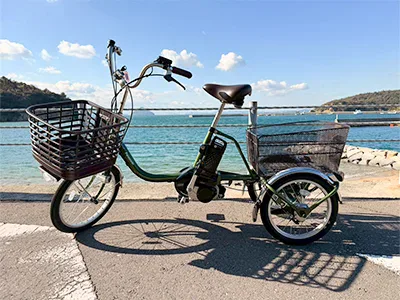
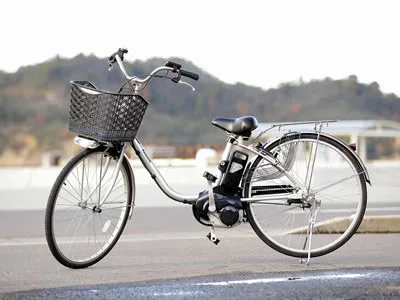
References
Naoshima Town Tourism Association — Bicycle Rentals · Naoshima Town Tourism Association — Rental bicycles and motorcycles · Naoshima Town Tourism Association — Island access and town-bus guidance · Naoshima Town Tourism Association — Ferry and passenger-boat timetables · Benesse Art Site Naoshima — Getting around Naoshima · Benesse Art Site Naoshima — Ticket reservations. Checked August 25, 2026. Rental rates, museum hours, bus frequencies and boat schedules can change; recheck the exact travel date.