
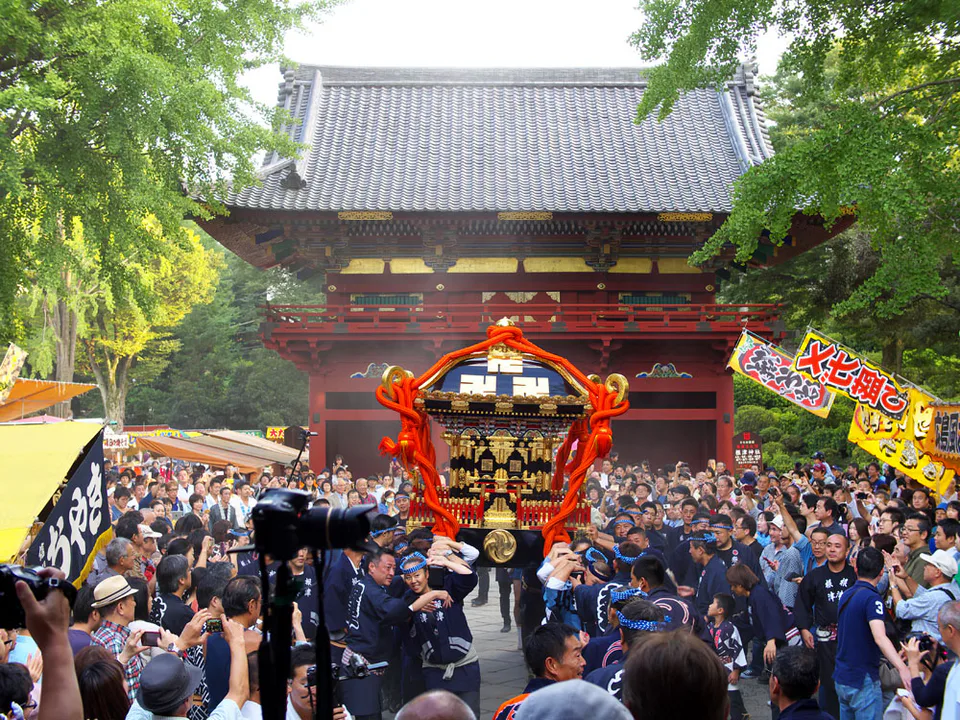
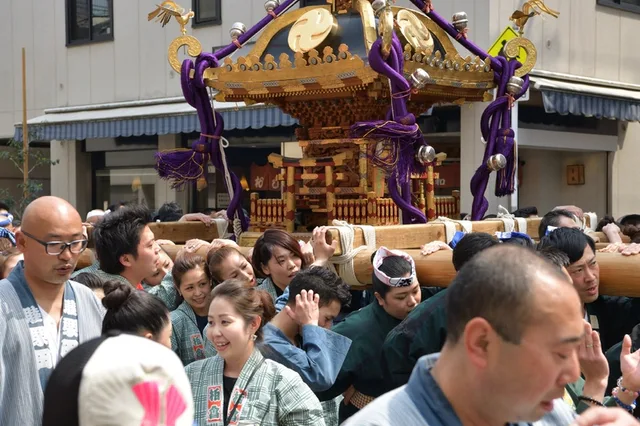
If you only choose one Nezu Shrine Reitaisai date in 2026, choose Sunday, September 27. This is the four-year Shinkosai year, and Nezu Shrine now confirms a much more useful operating window: the shrine mikoshi procession leaves at 09:00 and returns at 16:00. That means the rare event is not a one-hour attraction you can drop into at any random point. Decide whether you want the departure, the moving procession, the 14:00 sacred dance or the return, then build the north-central Tokyo day around that anchor.
September 26 is the better lower-commitment choice if you want shrine atmosphere, taiko and the evening Urayasu Mai without giving most of Sunday daytime to a moving procession. September 21 remains the formal annual rite rather than the main visitor-facing festival weekend.
↔ Scroll table left or right
What you want to see | Best date / window | Planning consequence |
The rare shrine mikoshi leaving Nezu | Sep 27 before 09:00 | Arrive at the shrine with buffer; do not schedule a museum opening first |
Four-year Shinkosai as the main event | Sep 27, broad daytime block | The confirmed procession window is 09:00 departure to 16:00 return |
Sanza-no-Mai sacred dance | Sep 27 at 14:00 | Use this as a fixed shrine-time anchor if you cannot follow the procession |
Taiko + evening ritual with less daytime commitment | Sep 26 | Gongen taiko is scheduled at 12:00 and 15:00; Urayasu Mai at 19:00 |
Only 60–90 minutes available | Sep 26 is often easier | Sep 27's scarce value is a moving seven-hour procession window, not a static display |
2026 has three separate dates that should not be collapsed into one “festival day”
Nezu Shrine’s current 2026 notice separates the annual rite, the public festival weekend and the four-year procession:
September 21: formal Reitaisai ceremony.
September 26–27: public festival events and planned food/merchant stalls inside the shrine grounds.
September 27: Shinkosai shrine-mikoshi procession, 09:00 departure and 16:00 return.
This distinction is the first decision filter. An English search result that lists only “September 21” can send a visitor to the correct shrine on the wrong day for the experience they actually wanted.
The 09:00 departure changes the value of staying nearby — but not enough to justify a hotel move by itself
If the departure itself is the scarce moment you want, plan to be near Nezu Shrine before 09:00. An 08:30 arrival is a sensible ValueNavi buffer, not an official gathering time. Nezu and Sendagi stations on the Tokyo Metro Chiyoda Line are each about a five-minute walk from the shrine; Todaimae on the Namboku Line is also about five minutes according to the shrine’s access page.
That early start makes Ueno, Yanaka and other north-central Tokyo bases convenient, but it still does not justify changing hotels for one festival. Shinjuku, Tokyo Station and other central bases remain workable if they fit the rest of the trip better.
The hotel should solve several days. The festival should solve this one morning.
Do not interpret “09:00–16:00” as seven hours of continuous viewing at the shrine
The shrine’s wording means the mikoshi leaves at 09:00 and returns at 16:00. It does not mean the mikoshi is displayed in front of the shrine continuously for seven hours. The procession moves through the neighbourhood.
As of August 25, the shrine notice confirms the departure and return times but does not provide a detailed English street-by-street route map. Do not copy a route from an old Shinkosai year and present it as 2026 fact.
This creates two robust ways to plan:
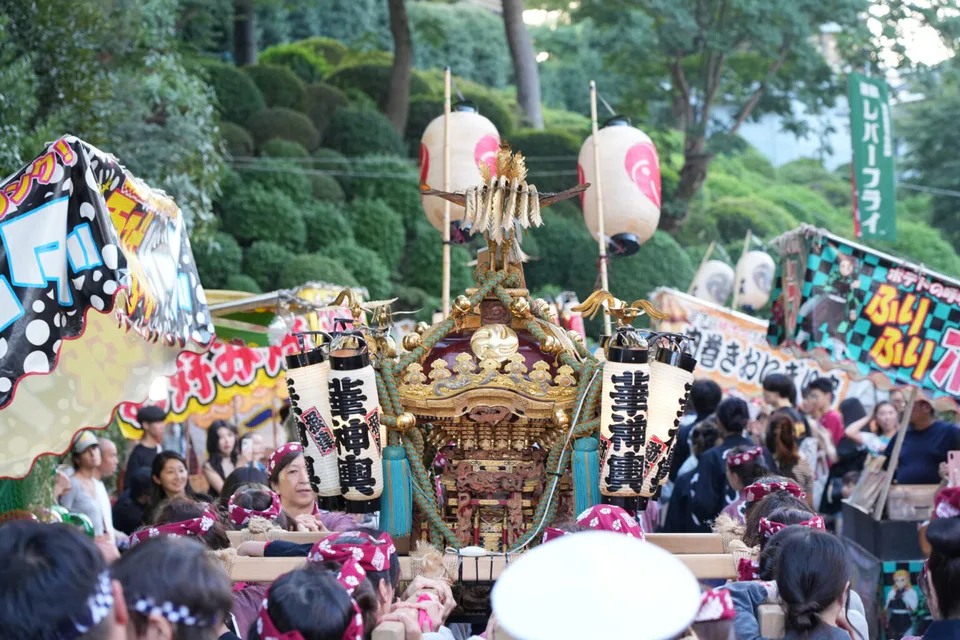
Departure-first: be at Nezu for the 09:00 departure, then continue to Yanaka/Ueno while the procession is away.
Shrine-program-first: use the fixed 14:00 Sanza-no-Mai as the afternoon anchor and treat procession sightings away from the shrine only when the official route is confirmed.
September 26 is the better “festival evening” if Sunday is too expensive in time
Saturday does not have the rare Shinkosai, but the current shrine programme gives it a coherent visitor rhythm. Nezu Koren is scheduled on September 26, Gongen taiko at 12:00 and 15:00, and Urayasu Mai at 19:00. Stalls are planned on both September 26 and 27.
That makes September 26 easier to attach to a normal Tokyo sightseeing day. You can use Ueno, Yanaka or Sendagi earlier, then finish at Nezu without keeping the whole daytime window loose for a moving mikoshi.
The shrine explicitly says it does not control individual stall hours, so do not assume every food stall remains open until the final performance. Treat the ritual/performance times as the hard anchors and the stalls as flexible atmosphere.
September 27 is worth more because it cannot be recreated next year
The shrine states that 2026 includes the shrine-mikoshi procession held once every four years. That is the strongest reason to prioritise Sunday. You can visit Nezu Shrine architecture, torii and neighbourhood streets in another year; you cannot simply move this Shinkosai to a different September.
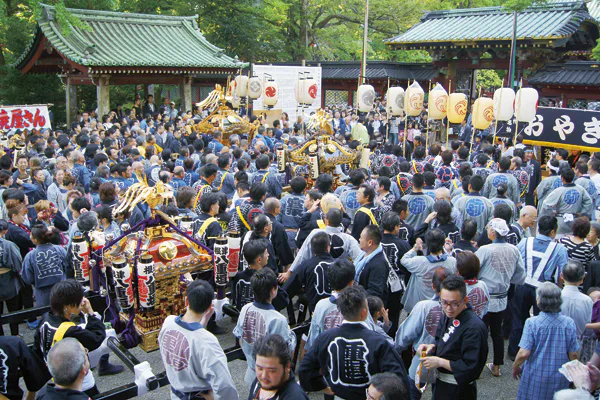
This is also why I would delete a low-priority timed attraction from September 27 before deleting the procession. The rare event should receive the flexible block; permanent Tokyo attractions can move.
If the trip is only three days and core Tokyo sights are still missing, the answer can reverse. Use How Many Days in Tokyo? to protect the first-trip essentials before treating a local festival as mandatory.
Pair the festival with Yanaka or Ueno, not a cross-city sightseeing marathon
Nezu sits naturally inside the Yanesen/Ueno side of Tokyo. That geography makes the festival easier to combine with Yanaka streets, Ueno Park or a museum than with distant Shibuya, Odaiba or a suburban day trip.
If you watch the 09:00 departure, a strong structure is:
Nezu Shrine before 09:00
→ Shinkosai departure
→ Yanaka / Ueno late morning and lunch
→ optional return toward Nezu for the 14:00 dance or 16:00 mikoshi return
This uses the confirmed shrine times as anchors while keeping the unconfirmed street route out of the plan.
A museum can fit, but avoid a non-refundable timed slot that makes the return to Nezu impossible. The whole advantage of a local moving festival is flexibility.
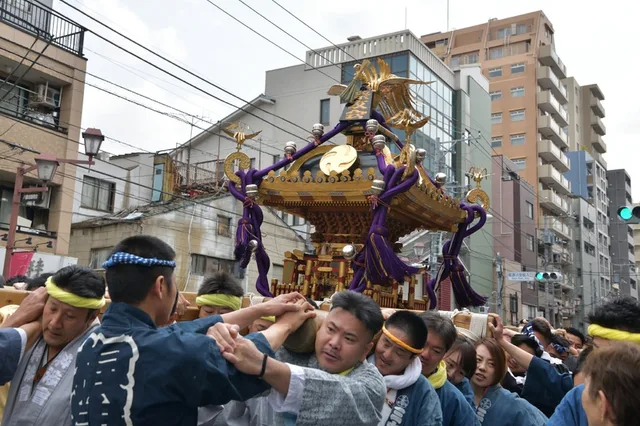
What if you only have one or two hours on September 27?
Choose a fixed point in the programme rather than pretending you can “see the procession” at any random hour.
Morning-only: prioritise the 09:00 departure.
Early afternoon: the 14:00 Sanza-no-Mai gives you a confirmed shrine event even if the moving route remains uncertain.
Late afternoon: the shrine says the mikoshi returns at 16:00, which gives you another fixed anchor, but crowding and operational timing should still be checked on the day.
If none of those windows fit and you cannot follow an official route update, September 26 may deliver a better controlled festival experience than a rushed Sunday guess.
Weather and route changes: lock the date, not every minute
The confirmed dates and shrine programme are strong enough to build the trip. Detailed procession routing, local road controls and weather decisions can still change. Recheck Nezu Shrine’s official notice shortly before September 27 and again on the morning if conditions are poor.
Do not assume the procession, sacred dances and stalls all share one cancellation rule. A weather decision can affect different components differently.
This is why the best itinerary has one fixed shrine anchor and flexible nearby sightseeing rather than several timed bookings stacked around it.
Final verdict: September 27 deserves a real block, not a checkbox
Choose September 27 if the four-year Shinkosai is the reason you care about Nezu Reitaisai. The shrine now confirms a 09:00 departure and 16:00 return, so decide which part of that window matters and plan around it. Do not treat the event as a static one-hour shrine visit.
Choose September 26 if you want a more predictable festival stop with taiko and the 19:00 Urayasu Mai, or if Sunday’s moving-procession format asks for more time than your Tokyo itinerary can spare. September 21 is the formal annual rite, not the visitor-facing festival weekend most travellers are searching for.
Official sources
Nezu Shrine — 2026 Reitaisai and Shinkosai notice · Nezu Shrine — official access. Checked August 25, 2026. The departure/return times are confirmed; recheck the detailed procession route and weather notices closer to the event.
JR TOKYO Wide Pass 2026: Don’t Bundle Skyliner or Subway Tickets Until You Map These 3 Days
Saitama Railway Museum 2026: The Advance Ticket Saves Only ¥100 — The Experiences Matter More
National Museum of Nature and Science 2026: The ¥630 Ticket Is Cheap — Your 3–5 Hours Aren’t
Kyoto Autumn Illumination 2026: Temples, Tickets, Transport and Hotels