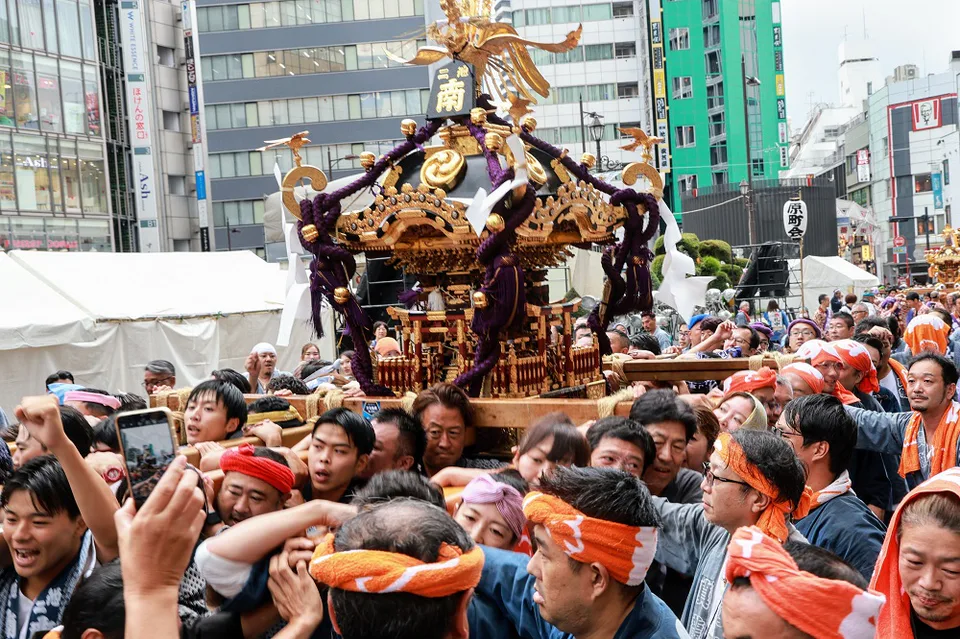
Fukuro Matsuri Ikebukuro 2026 has two main days, and they are not substitutes. Choose September 27 if you want the mikoshi procession: Toshima City says the 2026 evening parade plans to bring together 15 portable shrines. Choose October 11 if you want the 27th Tokyo Yosakoi, with teams, choreography and a competition atmosphere. September 26 and October 10 are useful eve-program dates when you are already nearby, but they should not displace the main day on a short Tokyo itinerary.
The festival is easier to attend than many Japanese regional festivals because the core area is around Ikebukuro Station’s west side. The hidden difficulty is not getting to Ikebukuro. It is crowd flow after you arrive: choosing the right side of the station, protecting enough time between venues and not scheduling a tight dinner or cross-city transfer immediately after the busiest program.
ValueNavi decision table: which 2026 date is actually worth protecting?
↔ Scroll table left or right
Date | Best for | Priority | Reason not to build the trip around it |
Sep 26 | Opening ceremony / eve atmosphere | Bonus | Not the mikoshi main day |
Sep 27 | Mikoshi, chants, dense street energy | Main day | Highest west-side crowd and movement friction |
Oct 10 | Dance-festival eve program | Bonus | Not the Tokyo Yosakoi contest main day |
Oct 11 | Tokyo Yosakoi teams and competition | Main day | Multiple venues make over-scheduling easy |
If your Tokyo trip overlaps only one weekend, the choice is easy. If you could attend both September and October, choose by event type rather than asking which date is “better.” Mikoshi and Yosakoi spend your attention differently.
September 27: choose it when the portable shrines are the reason you are going
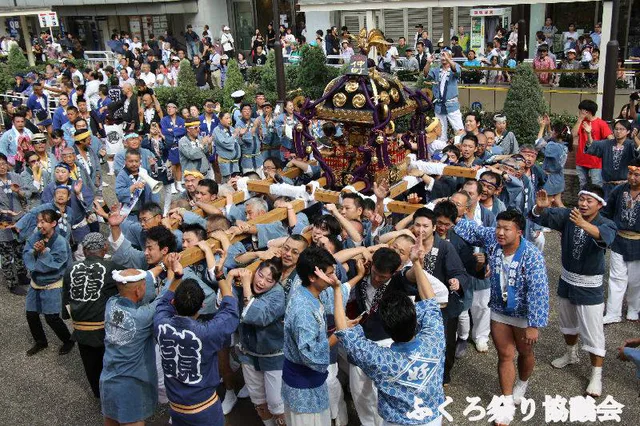
Toshima City’s current 2026 page describes the September section as the Mikoshi Festival and says the evening parade is planned with 15 mikoshi. That is the current figure to use. Older English pages can still show previous-year counts, so do not mix a 2025 photo caption or statistic into a 2026 itinerary.
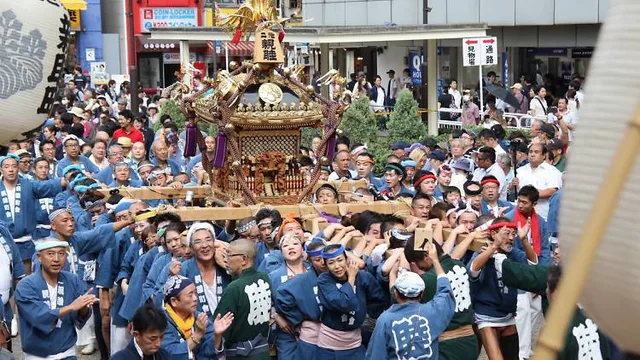
The best reason to choose September 27 is not that it has “more festival.” It is that the event has a very specific form: shoulder-borne shrines, chants, movement and compressed spectator space around the west side. If that is the image you want, September 26 is not an equal replacement simply because it belongs to the same festival weekend.
October 11: choose Tokyo Yosakoi when choreography matters more than procession energy
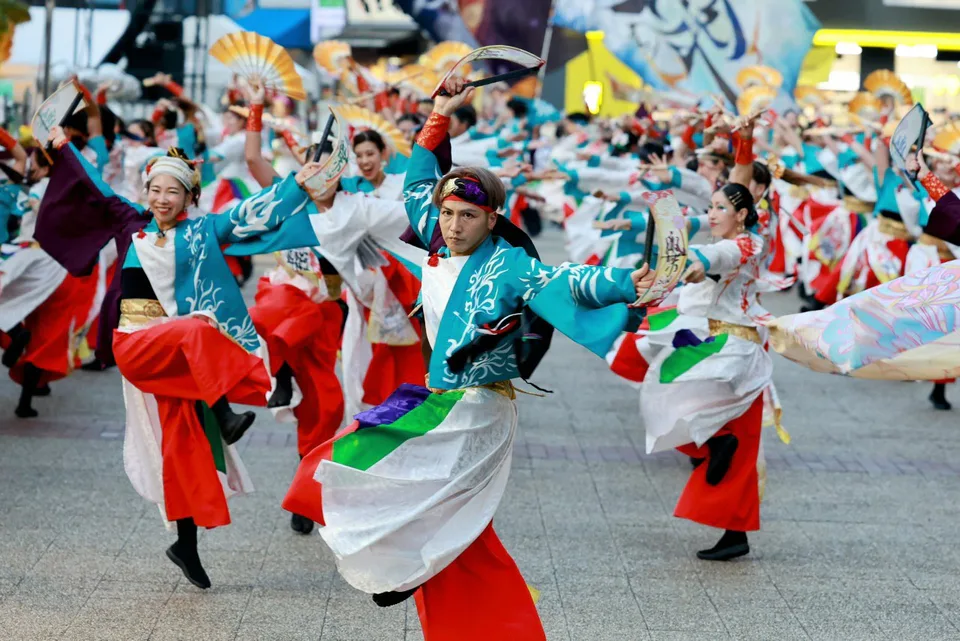
The organizer lists October 11 as the 27th Tokyo Yosakoi. Toshima City describes the October half as a dance festival that includes styles such as kappore, Sado Okesa and Ikebukuro Yassa before the Tokyo Yosakoi contest closes the event. The practical difference is important: instead of waiting mainly for one procession flow, you are choosing among performances and venues.
That creates a different failure mode. The temptation is to chase too many stages. A better plan is to choose one priority performance zone, then add a second only if crowd flow and the final timetable cooperate. Moving continuously can produce more station exits and street crossings than actual viewing time.
The most useful navigation instruction is simply: start on the west side
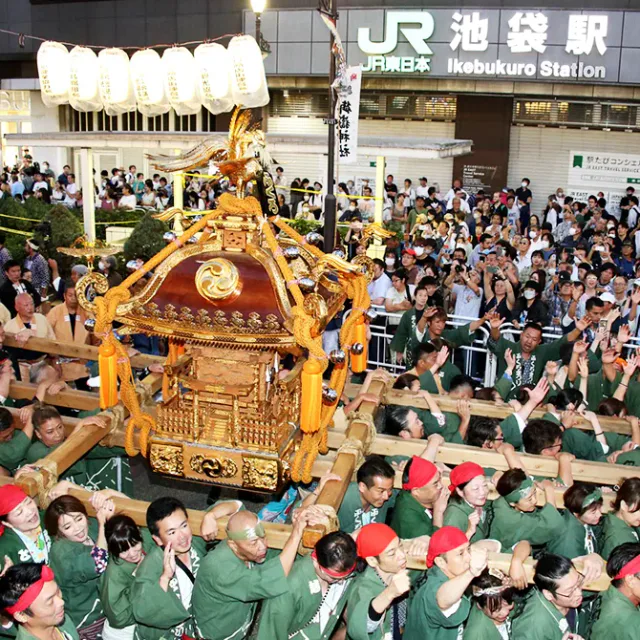
The official venue description centers on Ikebukuro West Exit Station Square and nearby locations. For a first-time visitor, “Ikebukuro Station” is not precise enough. The station serves JR, Tokyo Metro, Tobu and Seibu lines and can take time to cross when you emerge on the wrong side.
Use the west side as the first anchor, then follow the current-day organizer map and venue information. Do not set a restaurant reservation ten minutes after a performance ends on the opposite side of the station merely because the map distance looks short. Festival crowd flow turns short distances into variable time.
ValueNavi crowd-flow rule: do not cross Ikebukuro twice for one meal
If you plan to eat before the main program, choose a restaurant or café on the same side as your first venue. If you plan to eat after, keep the reservation flexible or leave a meaningful buffer. The biggest avoidable friction is entering the west-side crowd, crossing back through the station for food, then returning to the west side again.
This rule also helps families and older travelers. One less station crossing can matter more than finding the theoretically best restaurant. The festival is free-form enough that you should spend flexibility on the event, not on unnecessary backtracking.
You usually do not need an Ikebukuro hotel just for Fukuro Matsuri
The festival’s location beside one of Tokyo’s major transport hubs makes a special hotel move hard to justify. Stay in Ikebukuro if it already fits the rest of the trip—western Tokyo, Saitama access, shopping or your preferred hotel—not because one festival night demands it.
Use Where to Stay in Tokyo for First-Time Visitors, Shinjuku vs Shibuya and Ueno vs Shinjuku to solve the whole trip first. Changing hotels adds luggage, check-in and check-out friction that a rail-connected street festival normally does not require.
The 2026 dates are confirmed; the detailed traffic-control map is not yet a safe assumption
This is the most important uncertainty in the current official material. Toshima City confirms the 2026 dates and west-side venues. The Fukuro Matsuri Council schedule confirms September 26–27 and October 10–11. But the traffic-restriction link on the organizer’s current schedule page is still explicitly labeled as the 2025 implementation.
Therefore, do not copy last year’s road-closure times into a 2026 plan. Rail to Ikebukuro and walking from the west side remains the least fragile strategy. Drivers, taxis and bus users should recheck the organizer close to the event once the 2026 traffic information is published.
Rain: “held in rain” reduces cancellation risk, not schedule uncertainty
Toshima City and the organizer both state that Fukuro Matsuri is held in rain. That is useful because ordinary rain does not automatically destroy the plan. It does not mean every stage time, procession order or street arrangement is immune to severe weather or transport disruption.
Carry a compact rain solution that does not block other spectators and recheck the organizer on the day. If the weather becomes severe, protect the journey home before protecting one final performance.
Do not lock an exact arrival time until the detailed 2026 program is final
The correct main days are already known, but the organizer warns that the January 2026 schedule can still change. That means it is safe to protect September 27 or October 11 in the itinerary, but less safe to promise that a specific performance will happen at a remembered time from a previous year.
Once the detailed 2026 timetable is published, choose one anchor performance and arrive early enough to learn the local crowd flow. Until then, book the day, not a fabricated minute-by-minute plan.
Who should choose the eve days instead?
September 26 or October 10 can be the smarter choice if the main day conflicts with a flight, Shinkansen transfer, child’s nap schedule or another fixed attraction and you are already in Ikebukuro. The eve days let you sample the festival without paying the full crowd and time cost of the main day.
But if this is a once-only festival visit and your schedule can accommodate the main day, protect September 27 for mikoshi or October 11 for Yosakoi. The opening programs are additions, not equivalent replacements.
What not to combine with Fukuro Matsuri
A dense west-side festival block pairs poorly with another event that has a hard entry time across Tokyo. If the same trip includes something like Tokyo Game Show 2026, lock the Makuhari day first and give Fukuro Matsuri a separate slot. One is a venue-led long excursion; the other is an open street event whose value comes from staying long enough to absorb the atmosphere.
For comparison with another controlled autumn evening, Rikugien Autumn Illumination has a very different risk profile. Timed or controlled entry lets you plan around a gate. Fukuro Matsuri requires more tolerance for crowd flow.
Final decision: protect the main day, then let the final timetable choose the hour
Choose September 27 for mikoshi. Choose October 11 for Tokyo Yosakoi. Use September 26 and October 10 as bonus days when you are already nearby. Enter the festival from Ikebukuro’s west side, avoid unnecessary station crossings, and do not copy the 2025 road-closure map into 2026.
The current official pages do not show a general spectator ticketing requirement, so there is no reason to force a commercial ticket CTA into this article. The real cost is time and crowd friction. Spend the buffer there.
Next decision: compare Fukuro Matsuri with other Japanese festival styles
Official sources
Toshima City — 2026 Fukuro Matsuri dates, format, 15-mikoshi note and venue
Fukuro Matsuri Council — 2026 schedule and current traffic-information status
Dates are confirmed for 2026, but detailed stage times, traffic restrictions and some on-site arrangements can still change. Recheck the organizer shortly before your visit.