
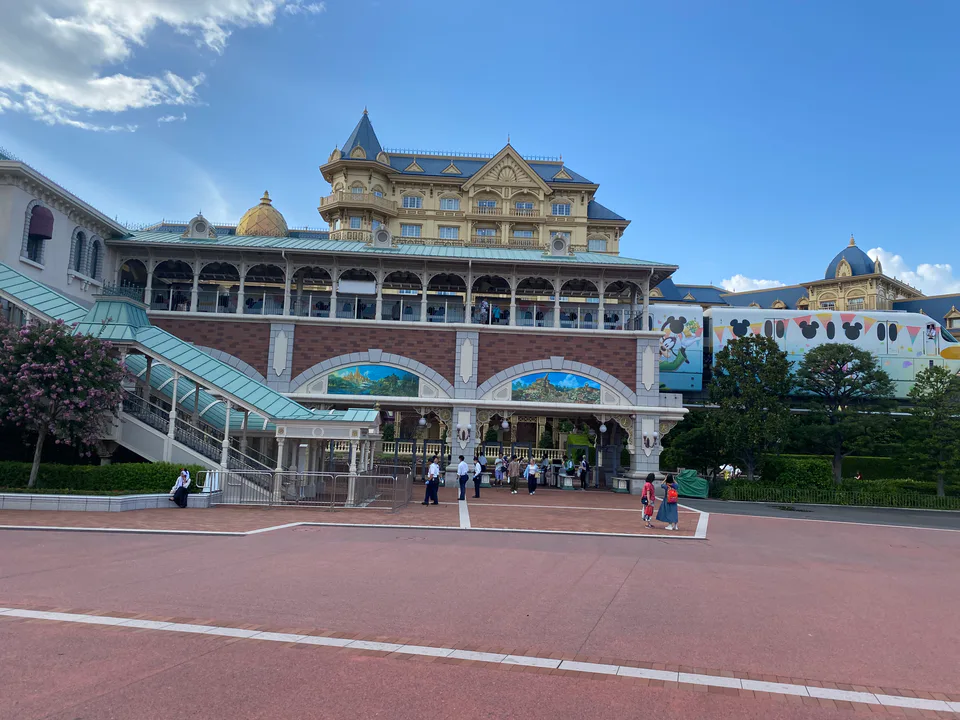
Tokyo Disney Happy Entry is worth paying extra for only when it protects a park morning you would otherwise pay to fix. The useful question is not whether 5–15 minutes sounds valuable. It is whether entering earlier lets your group secure a better first position, buy a limited Disney Premier Access earlier, make an Entry Request or obtain a Standby Pass before the general-entry flow catches up.
I would not upgrade to a Disney Hotel for Happy Entry alone if the hotel would otherwise lose on room fit, location or price. I would pay more when the Disney Hotel already makes sense, the group has one or two non-negotiable morning priorities, and everyone will actually be at the correct security entrance early enough to use the advantage.
Checked August 25, 2026. Tokyo Disneyland currently gives eligible Disney Hotel guests entry 15 minutes before other guests. Tokyo DisneySea currently gives eligible guests a 5–15 minute head start, with hotel eligibility and entrance operations affected by ongoing construction. Happy Entry cannot be used on check-in day, and the benefit does not guarantee a full 15 minutes inside before general guests begin entering.
Happy Entry: the 30-second decision
↔ Scroll table left or right
Your situation | My verdict | Why |
Disney Hotel already wins on location/room + you have a must-do morning target | Happy Entry is meaningful extra value | You are adding a useful advantage to a hotel you already wanted |
You would choose a much worse or much more expensive room only for Happy Entry | Usually do not upgrade | The perk is carrying too much of the hotel premium by itself |
Family will not reach security before normal opening | Ignore Happy Entry in the hotel comparison | An unused benefit has zero practical value |
One headliner is the only problem and Disney Premier Access is acceptable | Compare the paid-access cost first | A targeted park purchase may be cheaper than changing hotels |
DisneySea is the priority | Check hotel and date before booking | DisneySea eligibility is much narrower than Disneyland eligibility |
Happy Entry buys position, not 15 guaranteed minutes of rides
This distinction matters more than it sounds. Tokyo Disney Resort states that attractions begin operating after the park opens to other guests. The official rules also say Happy Entry does not guarantee 15 minutes of park experience; if the special entrance is congested, general guests may begin entering before every Happy Entry guest has finished admission.
So I would not value the benefit as “15 extra minutes of ride time.” What you are really buying is an earlier position in the park and earlier access to the day’s digital decisions. Once you enter, you can purchase Disney Premier Access, make an Entry Request and obtain a Standby Pass where those services apply. That can turn a short gate advantage into a better overall morning, but only if you know what you want to do with it.
The strongest Happy Entry plan has one first priority, not seven
The benefit becomes easier to value when you can name the first decision it protects. “We want to do everything faster” is too vague. “Beauty and the Beast is our non-negotiable first objective” or “we want the earliest possible start around Fantasy Springs” is useful.
Before paying more for the hotel, write down the first attraction or app action your group would choose after entering. If nobody agrees, Happy Entry may simply move the same indecision 15 minutes earlier. If everyone knows the priority, the head start has a job.
If the park itself is still undecided, settle Tokyo Disneyland vs DisneySea before choosing a hotel for an early-entry benefit.
Which Disney Hotels qualify in late 2026?
For Tokyo Disneyland, all six Disney Hotels currently qualify: Tokyo DisneySea Fantasy Springs Hotel, Tokyo Disneyland Hotel, Disney Ambassador Hotel, Tokyo DisneySea Hotel MiraCosta, Tokyo Disney Resort Toy Story Hotel and Tokyo Disney Celebration Hotel. The standard Disneyland Happy Entry head start is 15 minutes.
There is an important date exception. For guests at MiraCosta, Fantasy Chateau at Fantasy Springs Hotel and Celebration Hotel, Tokyo Disneyland Happy Entry is currently unavailable on September 15, 16 and 19, October 31 and November 10, 2026. Grand Chateau is excluded from that Fantasy Chateau restriction. Dates can change, so the hotel badge alone is not enough.
Tokyo DisneySea is more restrictive. Fantasy Springs Hotel and Hotel MiraCosta qualify. Tokyo Disneyland Hotel and Disney Ambassador Hotel also qualify for DisneySea entry only through September 14, 2026 under the current temporary expansion. DisneySea Happy Entry currently begins 5–15 minutes before other guests because entrance operations are affected by construction scheduled through March 2029.
If your DisneySea park date is September 15, 2026 or later, do not book Disneyland Hotel or Ambassador Hotel assuming the summer rule continues. The park date—not the booking date—is what matters.
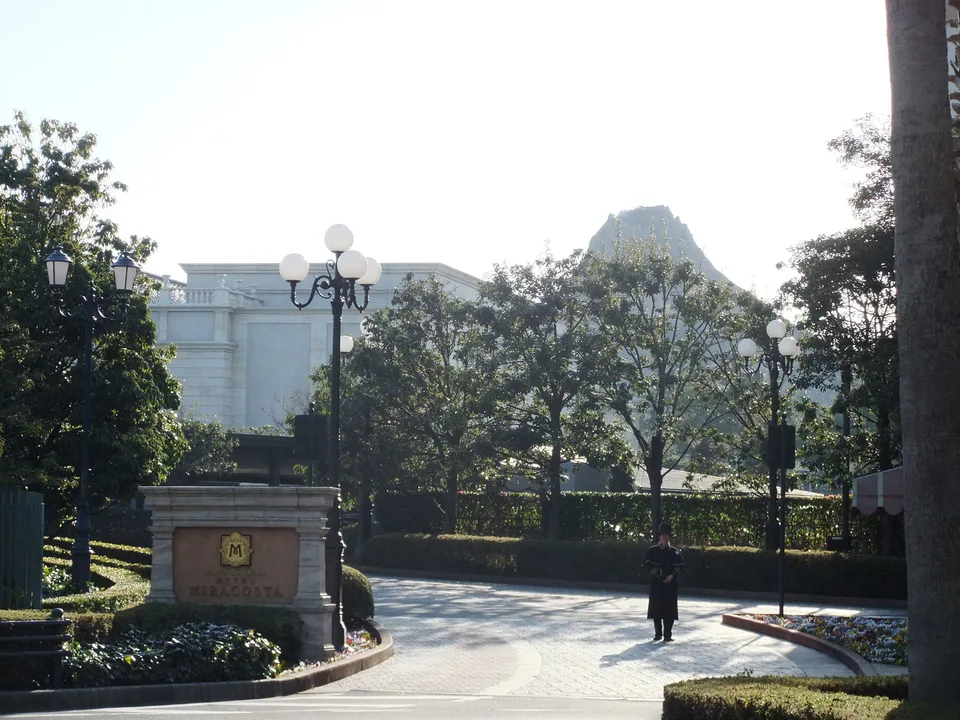
The hotel-premium test: remove Happy Entry and see if the booking survives
This is the most useful red-team test I know for the decision: if Happy Entry disappeared from the reservation tomorrow, would you still choose the same hotel?
If the answer is yes because you also want the location, room, theme, midday-return convenience or two-park-day base, Happy Entry is a valuable bonus. If the answer is no and the alternative hotel is substantially cheaper or fits the family much better, the early-entry benefit is carrying the entire price difference. In that case I would demand a very clear morning payoff before upgrading.
For the wider category choice, compare Disney Hotels vs Official and Partner Hotels. If the real question is whether to move to the resort area at all, use Stay Near Tokyo Disney or in Tokyo? first.
Use Disney Premier Access as a sanity check on the hotel premium
Happy Entry and Disney Premier Access are not substitutes. Happy Entry can improve your physical position and gives you earlier access to several app decisions; Disney Premier Access buys a designated time for a specific experience and is sold in limited quantities. But the paid-access price is still useful as a benchmark.
As of August 25, Enchanted Tale of Beauty and the Beast and Anna and Elsa's Frozen Journey cost ¥2,000 per person through August 31, 2026 and rise to ¥2,500 from September 1. For a family of four, that is ¥8,000 now or ¥10,000 from September for one attraction. If the only reason you are considering a much more expensive Disney Hotel is to reduce the risk around one headliner, compare the incremental hotel premium with that targeted cost first.
The comparison is not “buy Premier Access and Happy Entry becomes useless.” Premier Access can sell out, it covers only the experience you purchase, and Happy Entry may improve several morning decisions. The point is to stop treating the hotel premium as the only possible solution.
September 1 changes the morning strategy again
The Tokyo Disney Resort 40th Anniversary Priority Pass ends after August 31, 2026. From September 1, several attractions move into Disney Premier Access instead, including Big Thunder Mountain, Pooh's Hunny Hunt, Monsters, Inc. Ride & Go Seek!, Raging Spirits and—later in the year—other date-specific additions.
That means an August Happy Entry plan should not be copied blindly into September. The app tools available, which attractions require payment and the cost of solving a queue with Premier Access are changing. Recheck the live app-service list for your actual park date rather than using a saved itinerary from summer.
For Disneyland Hotel vs Toy Story Hotel, Happy Entry is a tie—not the upgrade reason
Both Tokyo Disneyland Hotel and Toy Story Hotel currently qualify for Tokyo Disneyland Happy Entry. If Disneyland is the park, I would not pay the Disneyland Hotel premium because of Happy Entry alone. Pay it for the front-gate location, easier midday room returns or the larger/more flexible room product.
That trade-off is broken down in Tokyo Disneyland Hotel vs Toy Story Hotel.
For DisneySea, hotel eligibility can reverse the answer
DisneySea is where “all Disney Hotels have Happy Entry” becomes a costly assumption. MiraCosta and Fantasy Springs Hotel remain the core qualifying choices under the current rules. Disneyland Hotel and Ambassador Hotel have temporary DisneySea eligibility only through September 14, 2026, while Toy Story Hotel is not on the current DisneySea Happy Entry list.
If DisneySea is the purpose of the stay, compare MiraCosta vs Fantasy Springs Hotel. Their shared Happy Entry benefit does not make them identical: entrance geography, room-return patterns and which side of DisneySea dominates your day still matter.
Families should price the morning they can actually execute
A theoretical 7:00 a.m. plan is worthless if the family will leave the room at 8:30. Young children, breakfast, stroller preparation and sleep debt can erase the benefit before you reach security. Do not use an aspirational arrival time in the hotel decision; use the earliest time your group can repeat without turning the previous evening into a disaster.
The opposite is also true. A family already staying near the park for two consecutive days, travelling with a stroller and protecting one major attraction may get more value from Happy Entry than a pair of fast-moving adults who are comfortable buying one Premier Access and staying elsewhere.
If four-person room fit is a constraint, compare Tokyo Disney hotels for families of four before letting a 5–15 minute benefit dictate the sleeping arrangement.
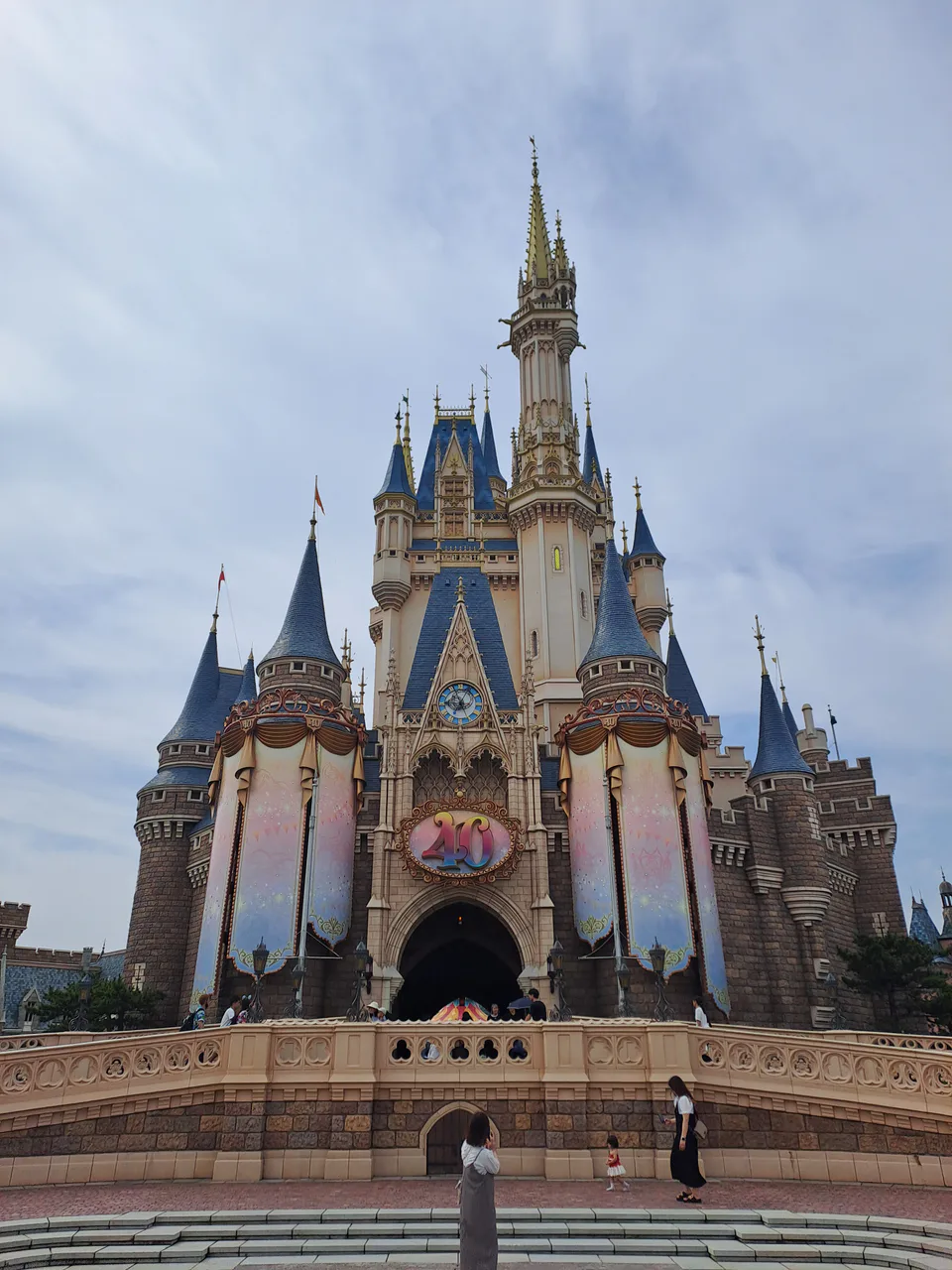
Check-in day is the most common calendar mistake
Happy Entry is available during the stay, including checkout day, but not on check-in day. If your only park day is the day you arrive at the Disney Hotel, that night's room cannot give you Happy Entry for the morning that has already happened.
This is why hotel timing and park timing have to be planned together. If the benefit matters, move to the Disney Hotel the night before the park morning. The Tokyo Disney split-stay guide compares that extra night with moving after your first park day.
When I would pay more for Happy Entry
I would pay a moderate premium when three conditions all hold: the Disney Hotel is already a sensible room/location choice, the group has a high-priority first-hour objective, and everyone will actually arrive early enough to use the special entrance. The benefit becomes stronger across two consecutive park mornings because the hotel is already solving commute and recovery friction.
I would be especially cautious about paying a large premium when only one morning is eligible, the preferred attraction already has an acceptable paid-access fallback, or the family's schedule is too slow to exploit the head start.
When I would not pay for it
I would remove Happy Entry from the hotel comparison when Disney is one day inside a longer Tokyo stay, the room premium is large, the group will not reach the entrance before normal opening, or the hotel loses badly on sleeping arrangements. I would also remove it when the chosen hotel does not qualify for the chosen park on the chosen date—an obvious point that becomes surprisingly easy to miss with DisneySea's temporary rules.
If you have not fixed the number of park days, settle 1 or 2 Days at Tokyo Disney? first. A perk used on two high-value mornings belongs in a different budget calculation from a perk used once.
Final verdict: pay for the morning outcome, not the phrase “Happy Entry”
Happy Entry is not worth a large Disney Hotel premium by itself. It becomes worth paying for when the hotel already fits the trip and earlier park access protects a specific morning objective that matters enough to change the day. For Disneyland, eligibility is broad enough that the room and location should usually decide between Disney Hotels. For DisneySea, hotel and date eligibility are restrictive enough that Happy Entry can genuinely change which hotel belongs on the shortlist.
The final test is simple: define the exact first-hour outcome you expect, compare the extra room cost with other ways to solve that problem, and use your group's realistic arrival time. If you cannot do all three, the benefit is probably being valued because it sounds exclusive rather than because it changes your trip.