
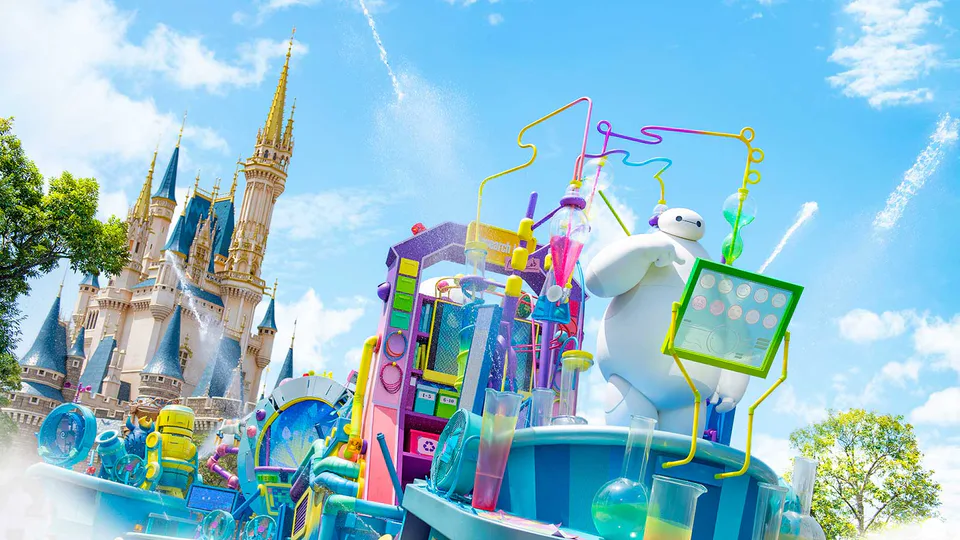
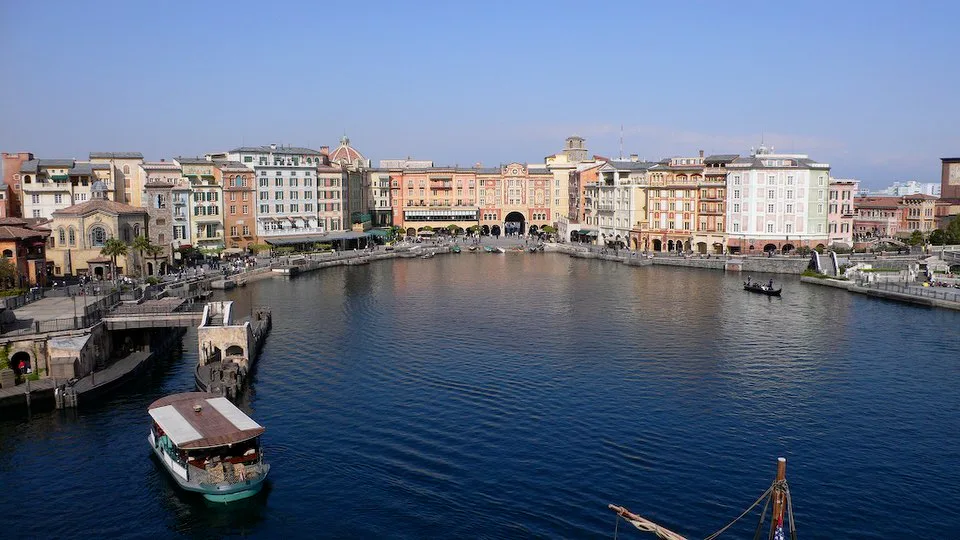
If you have only one Tokyo Disney day and no strong emotional attachment to the classic castle-park experience, I would choose Tokyo DisneySea. For an international visitor spending scarce Japan days, DisneySea is harder to substitute elsewhere: Fantasy Springs, Mediterranean Harbor, Mysterious Island and the nautical park design make the park itself part of the attraction.
Choose Tokyo Disneyland instead when Cinderella Castle, Enchanted Tale of Beauty and the Beast, Pooh’s Hunny Hunt or the familiar classic-Disney atmosphere are the experiences you would regret missing. That is not a weaker choice; it is a different reason for using the day.
The useful decision is therefore not “which park is better?” It is which park contains the experiences that justify giving up a full Tokyo day. Start with that answer, then let your actual visit date veto the generic recommendation if key attractions are closed or operating hours are unusually short.
Checked August 25, 2026. Attraction closures, operating hours, access products and seasonal programs are date-sensitive. The current official closure schedule and calendar should be checked again for your exact visit date.
Tokyo Disneyland vs DisneySea: the decision matrix
↔ Scroll table left or right
Your real priority | Choose | Why | What could reverse it |
One Disney day on a first Japan trip, no specific castle must-do | DisneySea | The overall park is harder to replicate outside Japan | Your personal must-dos cluster at Disneyland |
Cinderella Castle, Beauty and the Beast, Pooh, classic Disney atmosphere | Disneyland | Those are the emotional core of the day | Two or more top priorities are closed on your date |
Frozen, Tangled, Peter Pan, Fantasy Springs | DisneySea | Those priorities cluster in Fantasy Springs | Your group has stronger height, motion or ride-sensitivity constraints |
Thrill-focused teens or adults | DisneySea, usually | Its attraction mix gives thrill rides a larger role | A major headliner is closed on your visit date |
First-ever Disney park and the castle is part of the dream | Disneyland | It delivers the iconic castle-park experience directly | Your actual character and ride list points elsewhere |
Repeat Disney visitor seeking the least familiar park | DisneySea | The ports and waterfront identity add more novelty | Nostalgia matters more than novelty |
My default for one scarce Japan day is DisneySea—but only as a default
The strongest case for DisneySea is not simply that it is “for adults.” That stereotype is too crude. The stronger argument is replacement cost.
An international traveler may already have access to a Disney castle park elsewhere, or may visit one on another trip. DisneySea’s combination of Mediterranean Harbor, Mysterious Island, themed ports and Fantasy Springs is much harder to reproduce. If your Japan itinerary gives Disney only one full day and neither park contains a non-negotiable personal favorite, that distinctiveness is enough for me to break the tie in DisneySea’s favor.
The trade-off is obvious: you give up the castle, Beauty and the Beast, Pooh and the classic Disneyland rhythm. If any of those are the reason you wanted a Disney day in the first place, “DisneySea is more unique” becomes irrelevant. Emotional value beats novelty when the emotional target is specific.
Choose Disneyland when “Disney” means the castle, Beauty and the Beast or Pooh
Tokyo Disneyland is the better use of one day when your must-do list is anchored by Enchanted Tale of Beauty and the Beast, Pooh’s Hunny Hunt, Cinderella Castle or the familiar castle-park atmosphere. For a first-ever Disney park visit, this can also be the safer choice when the group wants the version of Disney they already recognize from films, photos and other castle parks.
Do not confuse familiarity with redundancy. Tokyo Disneyland has its own attraction lineup and entertainment. The decision point is simply that a repeat Disney visitor may value novelty more, while a first-time visitor with a strong castle expectation may value familiarity more.
Choose DisneySea when the park itself—not just a ride list—is part of the attraction
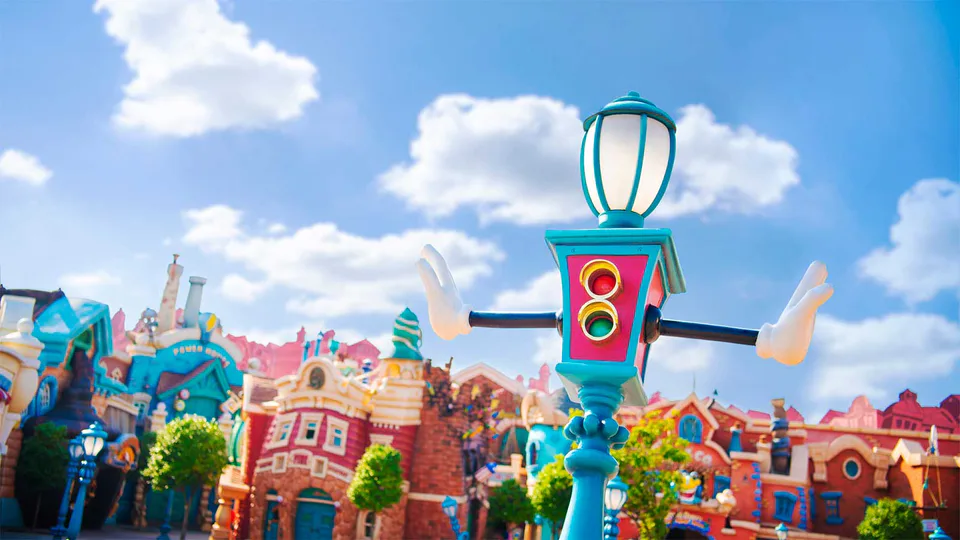
DisneySea becomes the stronger choice when your must-dos include Anna and Elsa’s Frozen Journey, Rapunzel’s Lantern Festival, Peter Pan’s Never Land Adventure, Journey to the Center of the Earth or simply spending time inside Fantasy Springs and the themed ports.
The park also has a stronger thrill-oriented case. Raging Spirits and Indiana Jones Adventure, for example, carry 117 cm minimum-height requirements, and both are explicitly categorized by Tokyo Disney Resort as thrill experiences. That can suit older children, teens and adults—but it also means a family should never interpret “DisneySea has more thrill appeal” as automatically better.
There is also a current 2026-specific reason to lean DisneySea: Tokyo DisneySea’s 25th “Sparkling Jubilee” runs from April 15, 2026 through March 31, 2027. Treat that as an extra layer, not the core reason to choose the park; seasonal programming should not override a must-do list that clearly points to Disneyland.
For families, stop asking “which park is better for kids?”
The more useful family question is: which park gives this child the highest number of meaningful, usable must-dos?
A child obsessed with Frozen and Rapunzel can have a compelling DisneySea day. A child whose list starts with Pooh and Beauty and the Beast can have a much stronger Disneyland day. Age by itself does not answer the question.
Then apply the restriction check. Tokyo Disney Resort publishes attraction-specific boarding requirements, including minimum heights and whether guests must be able to maintain a stable sitting position. Do this before you use a famous ride as the deciding factor. A family can otherwise choose a park around a headline attraction that one child cannot actually experience.
This matters especially at DisneySea because some of its thrill headliners use a 117 cm minimum. The benefit is a stronger thrill mix for eligible guests; the cost is a higher chance that a mixed-height family splits up or leaves some headline rides unused.
If hotel room practicality is also part of the family decision, keep that separate from the park choice and use the Tokyo Disney family hotel guide.
Use the three-must-do test before comparing every attraction
Do not build a spreadsheet of the entire attraction list unless you enjoy doing it. A faster test is enough for most travelers:
Each traveler writes down the three experiences they would be most disappointed to miss.
Ignore anything that is merely “nice to have.”
Count where the non-negotiable experiences cluster.
If the list points clearly to one park, choose it. If one adult chooses DisneySea and one child chooses Disneyland, compare the strength of those preferences rather than pretending every item has equal weight.
If both parks end up with several genuine non-negotiables, you no longer have a Disneyland-vs-DisneySea problem. You have a one-day-vs-two-day Tokyo Disney problem.
Your visit date gets veto power over the generic winner
This is the step that generic comparisons usually underweight. Choose a preliminary park, then check the official closure schedule for your exact date.
As of August 25, 2026, Tokyo Disneyland lists Pooh’s Hunny Hunt closed through August 28, Haunted Mansion through September 14 and Dumbo the Flying Elephant through October 22. Tokyo DisneySea lists Indiana Jones Adventure closed through November 29, with other shorter closures around the resort.
Those are not minor details if the closed attraction is one of your three reasons for choosing the park. For example, someone choosing Disneyland mainly for Pooh should treat an August 25–28 visit differently from someone visiting after the closure ends. Likewise, a thrill-focused guest visiting DisneySea before November 30 should not count Indiana Jones as part of the day’s value.
Operating hours can also differ by date. A park that is theoretically the better fit can become the worse use of your only Disney day if its usable hours are materially shorter on the date you can visit. Treat the official calendar as a final veto check, not as an afterthought.
Do not choose DisneySea purely because “it is more adult”
DisneySea can be more appealing to adults because of its design, waterfront atmosphere and thrill mix, but “adult = DisneySea” is still a shortcut. An adult who has wanted to ride Beauty and the Beast for years should choose Disneyland. A couple who wants the harbor, Fantasy Springs and a more distinctive evening environment may prefer DisneySea.
The same applies in reverse for children. Frozen and Tangled can make DisneySea the obvious answer for a preschool-age fan even if many generic guides push families toward Disneyland.
The correct variable is preference concentration, not age category.
One overlooked trade-off: which park would be harder to regret skipping?
When the attraction counts are close, ask a different question: which omission would bother you more after the trip?
If you leave Japan having never seen DisneySea and think “I could visit another castle park on a future trip,” choose DisneySea. If you leave Japan without seeing Cinderella Castle or Beauty and the Beast and that was the Disney image you came for, choose Disneyland.
This regret test is particularly useful for long-haul travelers who may not return to Japan soon. It converts an abstract comparison into an opportunity-cost decision: you are not choosing the park with the highest generic score; you are choosing which full-day experience deserves one of a limited number of Japan days.
If you are using the 2026 Park Hopper, your starting park matters more than it looks
For admissions from July 1 through September 14, 2026, the limited 1-Day Park Hopper Passport lets guests enter one selected park first and begin hopping between Tokyo Disneyland and Tokyo DisneySea from 11:00 a.m. It is a useful fallback when one day cannot become two, but it is not equivalent to giving each park half a perfect day.
There are three important constraints. First, the ticket is limited in supply and can sell out even while ordinary park tickets are still available. Second, the park selected for the pre-11:00 period cannot be changed after purchase. Third, Tokyo Disney Resort states that app services for a corresponding park become available after you have entered that park.
That creates a practical rule: start in the park containing your hardest-to-secure or most important morning priority. Do not choose the starting park casually and assume you can repair the strategy at 11:00.
Park hopping also carries transfer friction. Exiting, using the Resort Line, entering the other park and rebuilding your day costs more than the raw train ride. If both parks contain several genuine must-dos, two full days remain the more resilient plan.
When I would deliberately ignore the DisneySea default
I would choose Disneyland instead of DisneySea in any of these situations:
Beauty and the Beast, Pooh or the castle are the emotional point of the visit.
This is a first-ever Disney park and the group specifically wants the classic castle experience.
The child or adult with the strongest preference has a Disneyland-heavy must-do list.
DisneySea loses one or more of your key attractions to closures on your date.
The operating calendar gives Disneyland a materially better usable day.
Conversely, I would choose DisneySea when neither park has an emotional trump card and I am trying to maximize the distinctiveness of one Japan Disney day.
Final verdict
For an international traveler with only one Tokyo Disney day and no specific classic-Disney must-do, DisneySea is my default. Its overall environment is harder to substitute outside Japan, so the opportunity cost of skipping it is higher.
Choose Tokyo Disneyland instead when the castle, Beauty and the Beast, Pooh or the traditional Disney atmosphere are the reason you want the day at all. That preference is strong enough to override DisneySea’s novelty advantage.
Then run one final check: your three must-dos, boarding restrictions for your group, attraction closures and actual operating hours. If the “winner” fails that date-specific test, reverse the choice. If both parks still contain several non-negotiables, stop forcing the comparison and give them two days.
Your next decision
If both parks still feel non-negotiable, use 1 or 2 Days at Tokyo Disney? to decide whether the wider Japan itinerary can afford a second park day.
If the park count is fixed and the next problem is commuting, compare staying near Tokyo Disney or in central Tokyo. For resort accommodation categories, use Tokyo Disney Hotels vs Official and Partner Hotels.
Official sources checked
Tokyo Disneyland attractions · Tokyo DisneySea attractions · Tokyo Disneyland temporary closures · Tokyo DisneySea temporary closures · Tokyo Disney Resort operation calendar · 1-Day Park Hopper Passport
Tokyo Disney Split Stay: Move the Night Before or After Your First Park Day?
Tokyo Observation Decks Compared: Pick One — SHIBUYA SKY, Skytree, Tokyo Tower or Roppongi?
JR TOKYO Wide Pass 2026: Don’t Bundle Skyliner or Subway Tickets Until You Map These 3 Days
Japan March Weather: Tokyo Warms Up, Sapporo Stays Snowy, Okinawa Feels Like Another Season