
The best Tokyo shopping hotel is not necessarily in the district with the most shops. It is the hotel that shortens the part of shopping people underestimate: carrying purchases back, reopening the room around full suitcases, and moving everything out again on departure day. For fashion-heavy trips, Shibuya/Harajuku is the strongest first check. For department stores, cosmetics and late general shopping, Shinjuku is more flexible. For luxury and concentrated department-store shopping, Ginza deserves its own comparison. For electronics, figures and books, Akihabara can save repeated heavy bag carries—but only if the room is large enough to function as a packing space.
Before paying a location premium, count planned bag-drop sessions. If you will shop heavily on one final afternoon, paying five nights of Shibuya or Ginza rates may be wasteful. If you expect to unload at the hotel most afternoons before dinner, a short walk can repay itself repeatedly. The room, not just the station, also has to survive the final two nights when boxes, shopping bags and opened suitcases accumulate.
↔ Scroll table left or right
Your shopping pattern | Start with | What the base really solves | Main reason to reverse |
Fashion, streetwear, Harajuku + Shibuya on several days | Shibuya / sequence MIYASHITA PARK area | Repeated bag drops between shopping and dinner | Most shopping happens only once, or the rest of the itinerary is JR/airport-heavy elsewhere |
Department stores, cosmetics, late shopping and mixed west-Tokyo days | Shinjuku | Broad retail plus transport flexibility; east side and South Exit solve different evenings | The room is on the wrong side of Shinjuku Station for the routes you repeat |
Luxury brands, Ginza department stores, high-value purchases | Ginza / Yurakucho area | Concentrated shopping lets one hotel return replace carrying high-value bags across Tokyo | You only have one Ginza afternoon and otherwise use Shinjuku/Shibuya/Narita-side transport |
Electronics, figures, books, anime goods | Akihabara | Heavy or awkward purchases can be unloaded quickly | A compact room becomes the packing bottleneck faster than the station walk saves time |
Shopping spread evenly across Tokyo | Choose the best transport base, not a “shopping district” | You avoid paying a location premium that is only useful on one or two days | One district ends up producing most of the heavy purchases |
Count bag-drop sessions, not store count
The most useful number in a shopping-hotel decision is how often you would realistically return to the room before the day is over.
A hotel five minutes closer to the shops can be valuable if you will use that distance twice a day: shop in the morning, unload, go back out, then return after dinner. The same premium is much weaker if the room is untouched from 09:00 until midnight.
I would score the location like this:
0–1 heavy shopping day: keep the normal Tokyo base unless the purchases are unusually heavy or valuable.
2–3 days with afternoon bag drops: the shopping district can start justifying a hotel premium.
Daily shopping plus evening returns to the same district: location is now doing repeated work rather than merely being fashionable.
This also explains why a geographically central hotel can be a poor shopping base. If every large purchase requires another railway ride before you can unload it, “central” has not solved the part of the day that becomes tiring.
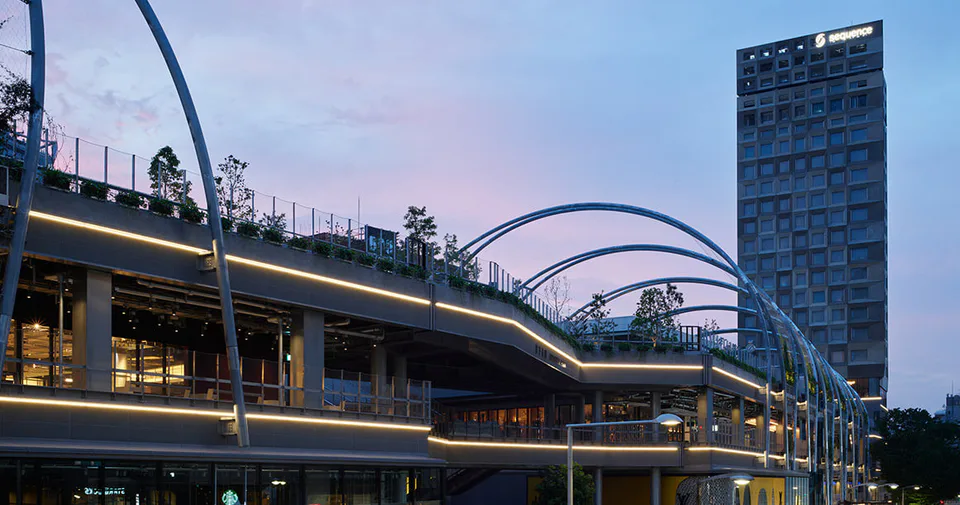
Shibuya / Harajuku: sequence MIYASHITA PARK is stronger than the 17:00 check-in suggests
sequence MIYASHITA PARK remains one of the cleanest Shibuya examples because the hotel is close enough to make a mid-day bag drop realistic. Its current official access is about three minutes from Tokyo Metro Shibuya Exit B1 and about seven minutes from the JR Hachiko Exit.
The important correction is its 17:00 check-in. That late room-access time does not mean you must carry purchases until 17:00. The hotel’s current FAQ explicitly says luggage can be stored at reception before check-in and after checkout, with same-day collection. It can also receive eligible luggage sent in advance and can ship luggage from the hotel.
So there are two different Shibuya uses:
Arrival-day unloading: reception storage solves the bag problem even before the room is ready.
In-stay repacking / resting: this still needs the room, so the 17:00 check-in matters only on the first day.
The hotel’s 14:00 checkout is more useful for a final shopping morning than the old “17:00 check-in is a major shopping flaw” framing suggests. But if the next day is an early airport or Shinkansen departure, that late checkout may have zero practical value.
Shinjuku: choose the side of the station where your shopping day actually ends
“Stay in Shinjuku for shopping” is too broad because Shinjuku Station can turn a short map distance into another cross-station journey with bags.
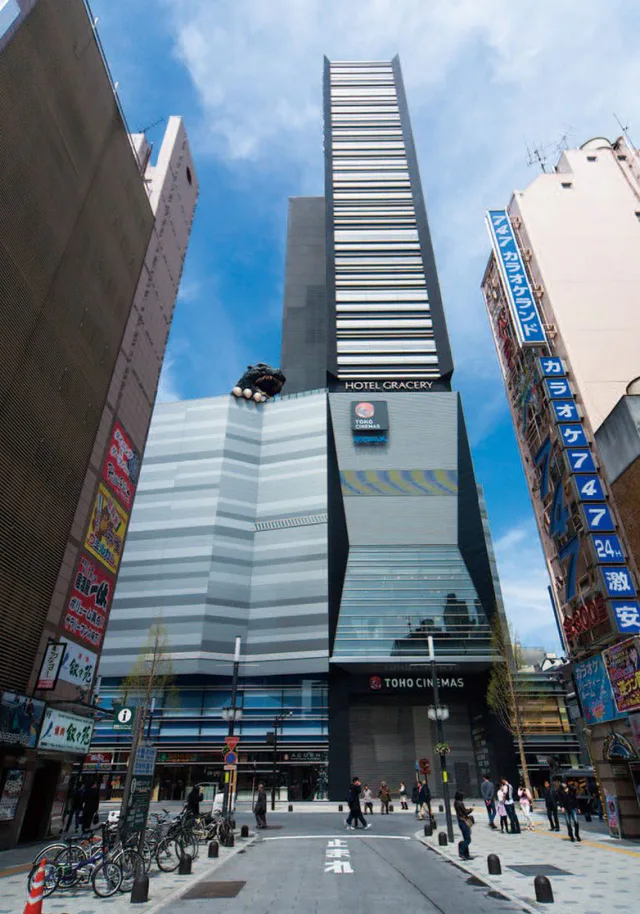
Hotel Gracery Shinjuku is the better example when most evenings finish on the east side. The hotel currently lists roughly five minutes from JR Shinjuku East Exit and about three minutes from Seibu-Shinjuku. The current airport-limousine stop at Tokyu Kabukicho Tower is also only a short walk away. That geometry works when Kabukicho, east-side department stores and late shopping dominate.
JR Kyushu Hotel Blossom Shinjuku is the better counter-example when South Exit / Busta Shinjuku transport matters. A shopper who also has Hakone, highway-bus or southern-station movements should not pay to be embedded in the east side and then drag purchases through the station repeatedly.
The decision rule is simple: do not choose “Shinjuku”; choose the exit that appears most often at the end of your shopping and transport days.
Ginza: the strongest case is concentrated high-value shopping, not “luxury atmosphere”
Ginza deserves a separate place in this comparison because its retail geography is unusually concentrated. The district’s official site currently lists major department stores and malls such as Ginza Mitsukoshi and GINZA SIX inside a compact central area.
That concentration matters when the purchases are expensive, bulky in branded packaging or likely to require several store visits. A nearby room can reduce the number of times high-value bags cross crowded trains and can give you a controlled place to consolidate receipts, packaging and luggage.
But Ginza is a weak hotel strategy when it is only one shopping afternoon. If the other four Tokyo days belong in Shinjuku, Shibuya, Ueno or Disneyland, the Ginza premium is being paid every night for one useful return. In that case, take the train once and keep the better overall base.
I would use Ginza as a final-one-or-two-night shopping base only when it also improves departure geometry—such as a Tokyo Station-facing itinerary—or when those final days are genuinely centred on Ginza/Yurakucho. Do not move purely to make the shopping bags feel closer if the next morning then becomes harder.
Akihabara: station distance gets more valuable as purchases get heavier—but room size gets more expensive too
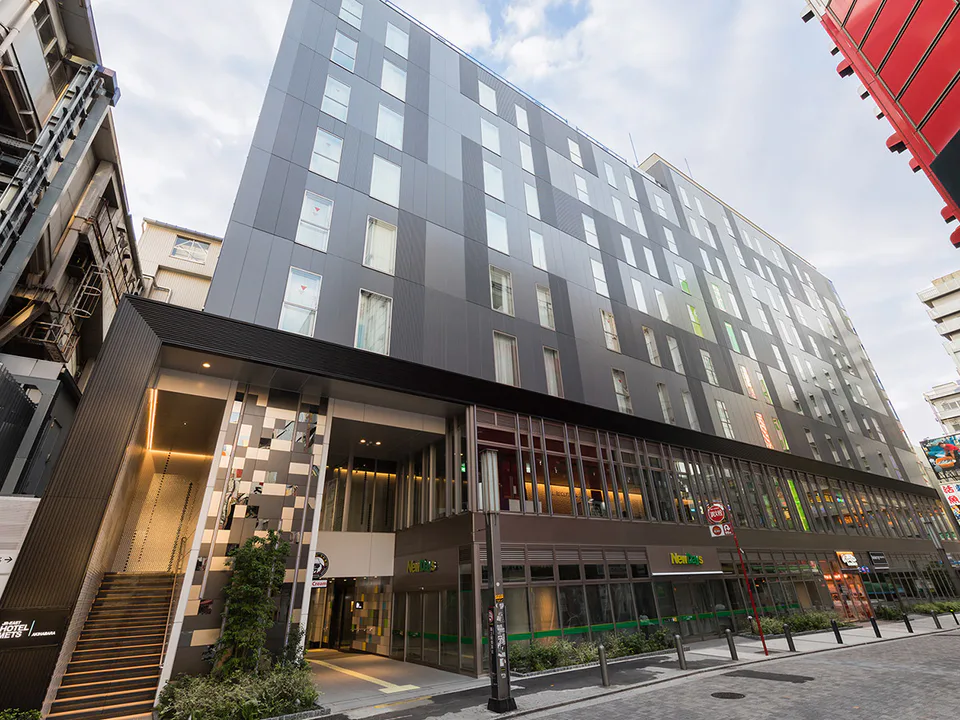
JR-EAST HOTEL METS PREMIER AKIHABARA is currently about one minute from JR Akihabara Station’s Electric Town South Exit. For figures, books, electronics and boxed goods, that is a meaningful logistics advantage because the awkward items do not have to remain in your hands through another railway journey.
But the hotel’s official room list also shows why location cannot be scored alone. The Superior Double is only 17 m². The hotel provides a baggage rack and a bathroom with a separate washing area, but the published room area does not become larger when shopping bags arrive.
A 17 m² room can be perfectly rational for one traveller with disciplined packing. It is a weaker product for two people who plan to open two large suitcases and sort several boxed purchases over the final nights. If the location makes you want Akihabara but the room becomes the bottleneck, compare the hotel’s larger categories or another nearby hotel before paying purely for the one-minute walk.
Your room needs to become a packing room on the final two nights
Room-size value changes during a shopping trip. A compact room that feels comfortable on Day 1 can feel materially smaller on Day 5 after shoe boxes, cosmetics, paper bags, outerwear and souvenirs are inside.
For a shopping-heavy stay, I would test the room against the final-two-night state, not the arrival state:
Can at least one full-size suitcase stay open without blocking the bathroom or exit?
Is there a table, shelf or floor zone where purchases can be sorted without using the bed?
Can packaging be collapsed and rubbish removed before departure?
If two people shop independently, where do both sets of purchases go?
No hotel should be described as able to fit two open 29-inch cases unless the property actually proves that. Use published room area as a risk signal, not as a fake luggage test.
Do not split hotels unless the move deletes repeated bag-carrying and improves another part of the trip
A shopping trip makes split stays tempting: Shibuya for fashion, then Akihabara for electronics, then Ginza at the end. That can become a hotel-moving project instead of a shopping strategy.
I would require two benefits before moving:
The new hotel eliminates at least two high-friction shopping returns.
It also improves the next travel block—for example, final departure, airport access, an early Shinkansen or another repeated itinerary direction.
A one-night move only to save one train ride with bags is usually poor value. The fixed cost of packing everything you already bought can exceed the carrying problem you were trying to solve.
For trips after November 1, 2026, tax-free shopping makes departure planning more important
Japan’s tax-free shopping process changes for purchases made on or after November 1, 2026. Under the new Refund Method, eligible travellers buy goods at tax-inclusive prices. The consumption-tax equivalent is refunded after Customs confirms at departure that the eligible goods are being carried out of Japan within 90 days of purchase.
The Japan Tourism Agency’s current traveller guidance adds an important operational rule: the tax-free departure procedure must be completed before baggage check-in. At major international airports, travellers use the tax-free procedure terminal or supported Visit Japan Web process before security; if Customs requires inspection, the goods must be available for presentation.
This changes the final-day shopping calculation in two ways:
Do not pack tax-free goods where you cannot access them before the procedure. Shopping organisation now affects airport handling.
Do not compress the airport buffer because the hotel is “convenient.” A final Ginza or Shibuya shopping morning can be valuable, but the new customs/refund step belongs before baggage check-in and needs time.
For purchases made through October 31, 2026, the old system still applies. Do not mix the two procedures in one article or itinerary.
The final shopping day should be designed backwards from the departure
The last day is where shopping-hotel logic often breaks. The hotel may be perfect for stores but poor for the actual flight or train. Build the day backwards:
Hard airport / Shinkansen arrival target.
Tax-free procedure and baggage-check margin if applicable.
Hotel luggage collection.
Final repacking / weight redistribution.
Only then add the final shopping session.
If the departure is early, a 14:00 checkout has no value. If the flight is late, a hotel that stores luggage and sits beside the final shopping zone can be unusually useful. The benefit depends on the departure clock, not the hotel brochure.
Which Tokyo shopping base should you choose?
Choose Shibuya/Harajuku when fashion and lifestyle shopping repeat over several days and you will actually return to unload purchases. sequence’s pre-check-in luggage storage means its 17:00 room check-in is less damaging to arrival-day shopping than it first appears.
Choose Shinjuku when the shopping mix is broad and late, but choose the east side or South Exit according to the routes you repeat. A hotel on the wrong side of the station can erase the apparent convenience.
Choose Ginza when high-value, department-store or luxury shopping is concentrated enough that a nearby room protects several heavy/high-value returns. It is a weak five-night base if Ginza is only one afternoon.
Choose Akihabara when electronics, figures or books are the mission and repeated unloading matters. Reopen the hotel comparison if a 17 m² room cannot cope with the final packing state.
Choose none of them specifically for shopping when purchases are spread evenly around Tokyo. In that case, the best transport base usually beats chasing one retail district.
Tokyo Concert Hotels: I’d Choose Based on the Hour After the Show
Tokyo Disney Hotels vs Official and Partner Hotels: Which Is Worth It?
Tokyo Honeymoon Hotels: Don’t Pay for the View Until You Pick the Night You’ll Stay In
Fukuoka Shopping Hotels: Dropping Bags Midday Matters More Than Saving Two Minutes to the Subway
Sources
sequence MIYASHITA PARK — check-in, luggage storage and shipping · JR-EAST HOTEL METS PREMIER AKIHABARA — room sizes · JR Hotel Group — Akihabara access · GINZA OFFICIAL — department stores and malls · Japan Tourism Agency — Refund Method for travellers from Nov 1, 2026. Hotel access, storage rules and tax-free procedures can change; recheck before travel.