
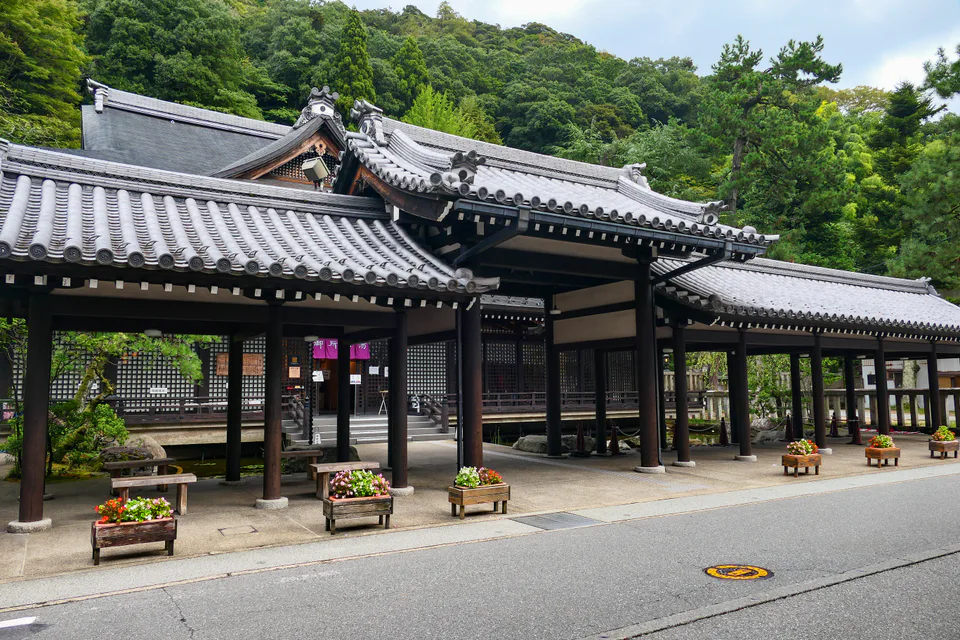
For most first-time Kinosaki visitors, I would not pay a large room premium for a private onsen. The town’s public bathhouse circuit is the main experience, and Kinosaki’s official tourism site still states that all seven public bathhouses accept tattoos of any size without requiring them to be covered. A private bath becomes worth paying for when it solves a specific problem: a couple wants to bathe together, a family needs one controlled bathing routine, mobility or sensory needs make bath-hopping difficult, or you genuinely expect to use an in-room bath more than once.
The important distinction is that “private bath” is not one product. A reservable family bath gives you one limited shared session; an in-room bath gives repeated access without another booking slot. Those benefits should be priced separately from Kinosaki’s public-bath circuit rather than treated as a generic luxury upgrade.
Checked August 25, 2026. Satono-yu remains closed indefinitely for renovation, and Kono-yu is closed from May 11 through October 30, 2026. Public-bath schedules can change. Accommodation baths can also have tattoo policies that differ from the town’s public bathhouses.
↔ Scroll table left or right
Your real constraint | Start with | Why | Main catch |
First Kinosaki trip, comfortable with communal bathing | Public bathhouses | You are buying the town’s signature experience rather than duplicating it inside the room | Baths are gender-separated and operating schedules vary |
Couple wants to bathe together once | Reservable private/family bath | One private session may solve the actual need without paying for an in-room bath all night | The available slot can clash with dinner or arrival |
You want a bath after dinner, before bed and again in the morning | In-room bath | Repeated access is what justifies the bigger premium | Do not overpay if you will use it only once |
Tattoo is the only concern | Public bathhouses first | Kinosaki’s public baths officially allow tattoos of all sizes | Ryokan in-house baths may use different rules |
Young children / mobility / sensory or privacy needs | Private bath can be practical | It removes changing-room, timing and bath-hopping friction | Check bath access, steps, water temperature and supervision needs |
The public baths are the main product, not the budget substitute
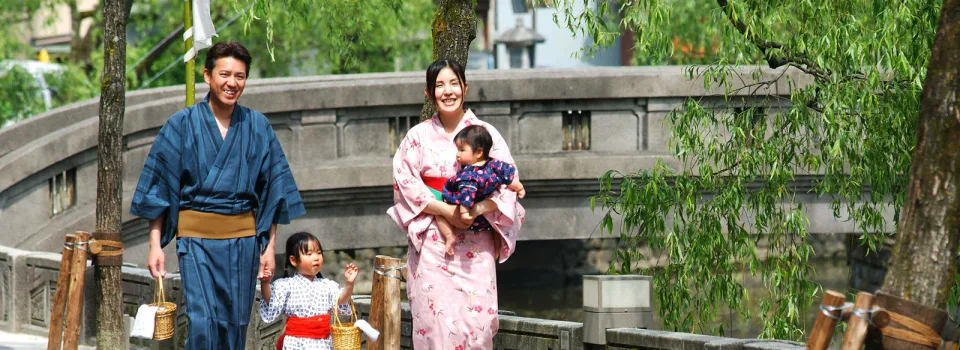
Kinosaki is built around leaving the ryokan in yukata, walking through town and visiting separate bathhouses. That means a private room bath is not automatically an “upgrade” to the Kinosaki experience. It is an alternative tool that solves privacy, timing or accessibility problems.
If your first night already includes a ryokan dinner and you hope to visit several bathhouses, the evening has limited usable windows. Paying a large premium for a room bath that competes with dinner and the public baths can duplicate value rather than add it.
This is why I would normally choose the better-located ryokan, the better meal plan or the easier luggage route before paying for a private bath on a first one-night stay. The rebuilt Kinosaki dinner vs room-only guide separates meal value from bath access so the two upgrades are not double-counted.
Tattoos usually do not justify the private-bath premium in Kinosaki
Kinosaki is unusual among Japanese onsen towns because its official tourism site says all seven public bathhouses allow tattoos of all sizes, with no need to cover them. That removes one of the most common reasons international travellers pay extra for private bathing elsewhere in Japan.
The important boundary is the accommodation. Visit Kinosaki explicitly warns that baths inside ryokan and hotels may have different tattoo rules. So the correct sequence is:
use the public bathhouses as the default tattoo-friendly option;
if you also want the ryokan’s in-house bath, check that property’s written rule;
pay for a private/in-room bath only if privacy or shared bathing itself has value.
Do not spend a room premium to solve a public-bath restriction that Kinosaki does not impose.
2026 closures make private bathing a better fallback—but do not erase the town circuit
Old guides often tell visitors to “try all seven baths.” That is not a realistic promise for every 2026 date. Satono-yu has been closed indefinitely for renovation since April 2024. Kono-yu is also closed from May 11 through October 30, 2026.
For an August or September 2026 stay, that means fewer operating public bathhouses than the historic seven-bath headline suggests. The operating baths also keep different weekly closing days and hours.
A private bath therefore has more fallback value during this period. If rain, tired children or a closure makes bath-hopping less appealing, you still have a controlled bathing option. But I would not let two temporary closures turn the whole Kinosaki decision upside down. The streets, yukata walk and remaining public bathhouses are still the distinctive town experience.
Couples: decide whether you want one shared session or repeated shared access
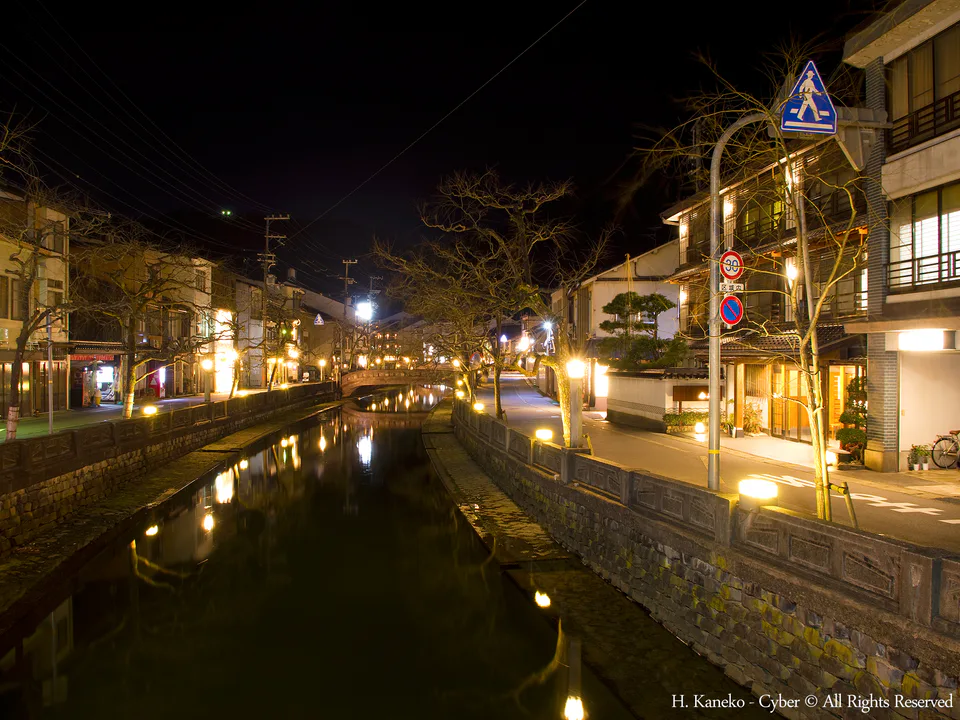
Kinosaki’s public bathhouses are not mixed-gender, so couples normally bathe separately and meet again outside. That is not necessarily a flaw: for many couples, the shared parts of the trip are the yukata walk, dinner, cafés and the town itself.
If bathing together is central to the trip, first ask whether one private session is enough. A reservable family/private bath can solve that need without paying for a room category with a private bath throughout the stay.
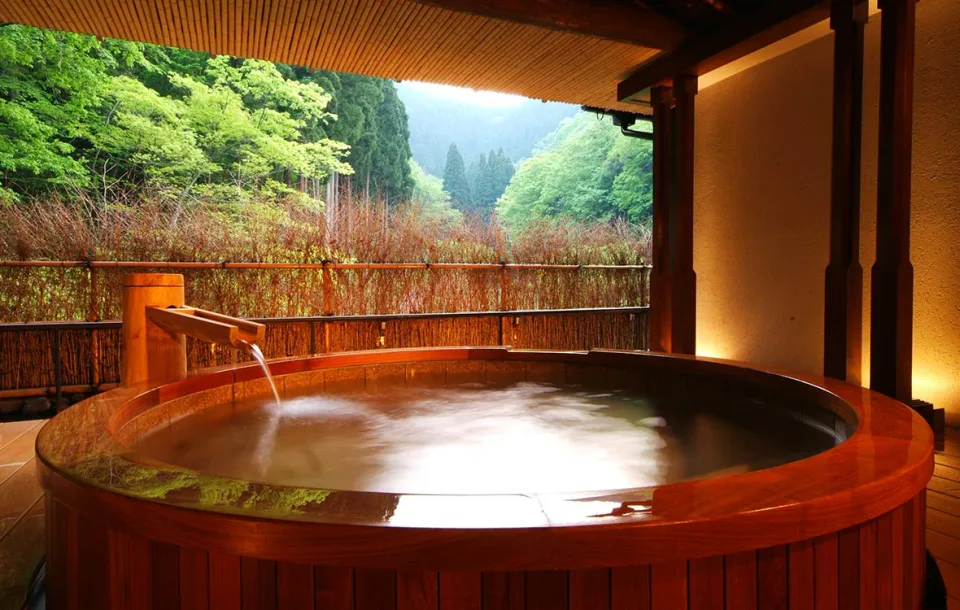
An in-room bath is worth more when repeated access is the point: one soak before dinner, another late at night and another in the morning. The premium should rise with the number of sessions you can actually use, not with how photogenic the bath looks on the booking page.
Arrival time can make a reservable private bath worthless
A reservable bath is a time slot. That makes it operationally different from an in-room bath.
A 15:00 arrival can leave enough room for check-in, a pre-dinner private session, dinner and public bath-hopping later. A 19:00 arrival may compress dinner and the remaining bathhouse hours so sharply that the “private bath available” amenity becomes almost theoretical.
Before paying, ask three questions: Is the private bath reservable in advance or only after check-in? How long is each session? Which slots remain usable around your dinner time and train arrival? A 45-minute private bath at 18:00 is poor value if your ryokan dinner also begins at 18:00.
Families can treat private bathing as logistics, not luxury
For parents with young children, privacy can remove several pieces of friction at once: separate changing rooms, synchronising two parents, unfamiliar communal-bath etiquette and repeated walks outside in winter or rain.
That does not make every in-room bath family-friendly. Check steps, bath depth, water temperature, supervision, child policies and whether the room itself has enough space for the family. The private bath solves the bathing sequence; it does not solve a cramped room or poor luggage layout.
For a family that would otherwise skip onsen bathing because the public-bath routine is too difficult, the premium can be high-value. For a family whose children are comfortable bath-hopping, public baths may still be the more memorable product.
Mobility and sensory needs can reverse the default
Kinosaki is compact, but public bath-hopping still means changing clothes, walking outside, entering several buildings and dealing with different bath layouts. A traveller with limited mobility, fatigue, sensory sensitivity or a strong need for privacy may get far more value from one controlled bath than from access to several public ones.
Do not assume “private” means accessible. Confirm the route from the room, steps, handrails, bath edge, shower setup and whether assistance is permitted. Accessibility is a property-level fact, not a benefit guaranteed by the phrase “private onsen.”
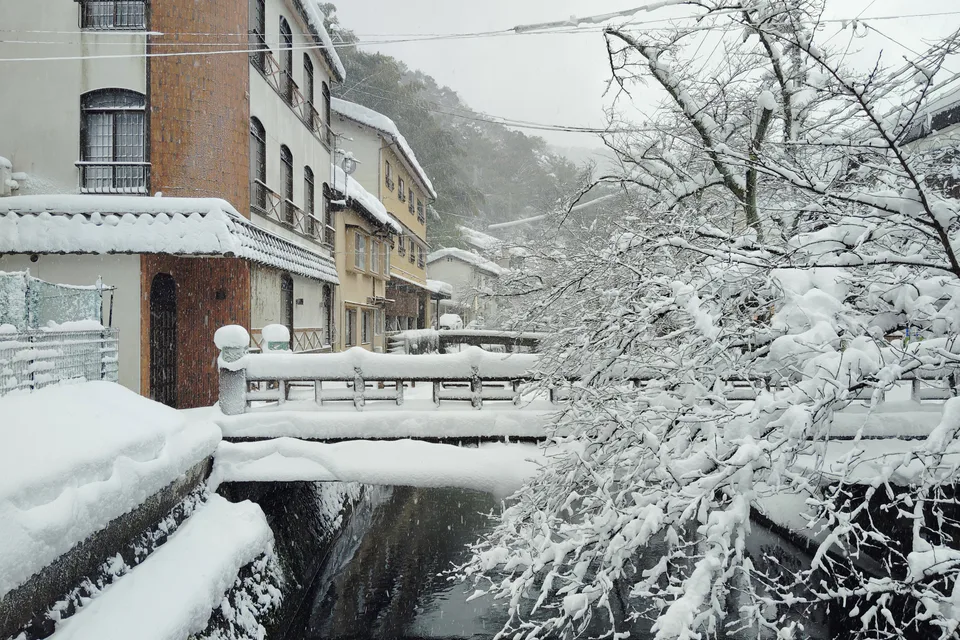
One night and two nights change the private-bath economics
On one night, a private bath competes with check-in, dinner, the public baths and breakfast. A large premium can buy a feature used once.
On two nights, the room gains a full middle day plus two evenings and two mornings. Repeated private bathing becomes easier to justify because you have more usable windows. This is why bath-category value should be calculated after stay length.
If you are still deciding how long to stay, settle Kinosaki 1 Night vs 2 Nights before paying for the room upgrade.
A simple private-bath premium test
Before booking, count the sessions the private bath realistically enables:
one shared bath after check-in;
one late bath after dinner;
one early-morning bath;
one fallback session if weather or bathhouse closures change the evening.
If the honest answer is “we will probably use it once,” compare a reservable family bath or use the public baths. If the room feature creates two or three valuable sessions—or removes a hard privacy/accessibility barrier—the premium has a much stronger case.
Final verdict
Use Kinosaki’s public bathhouses as the first-trip default. They are tattoo-friendly, they are the reason the town’s yukata-and-bathhouse rhythm exists, and a private room bath can easily duplicate an experience you already receive outside the ryokan.
Pay for private bathing only when you can name the job it performs: bathing together, family logistics, mobility, sensory comfort, privacy, repeated in-room use or a meaningful 2026 closure/weather fallback. If you cannot name that job, spend the difference on a better ryokan location, dinner, luggage simplicity or an extra night.
Tokyo Luggage Storage: Don’t Pick the Biggest Station — Pick Where You’ll Need the Bag Next
Hotel Torifito Hakata Gion Review: Is a 23 m² Twin and Public Bath Worth Leaving Hakata Station?
Japan Autumn Leaves Onsen Ryokan Guide: Foliage Views, Open-Air Baths and Access
References
Visit Kinosaki — tattoo-friendly public onsen · Visit Kinosaki — public bath hours and mixed-gender FAQ · Visit Kinosaki — Kono-yu 2026 closure · Visit Kinosaki — Satono-yu renovation closure. Checked August 25, 2026.