
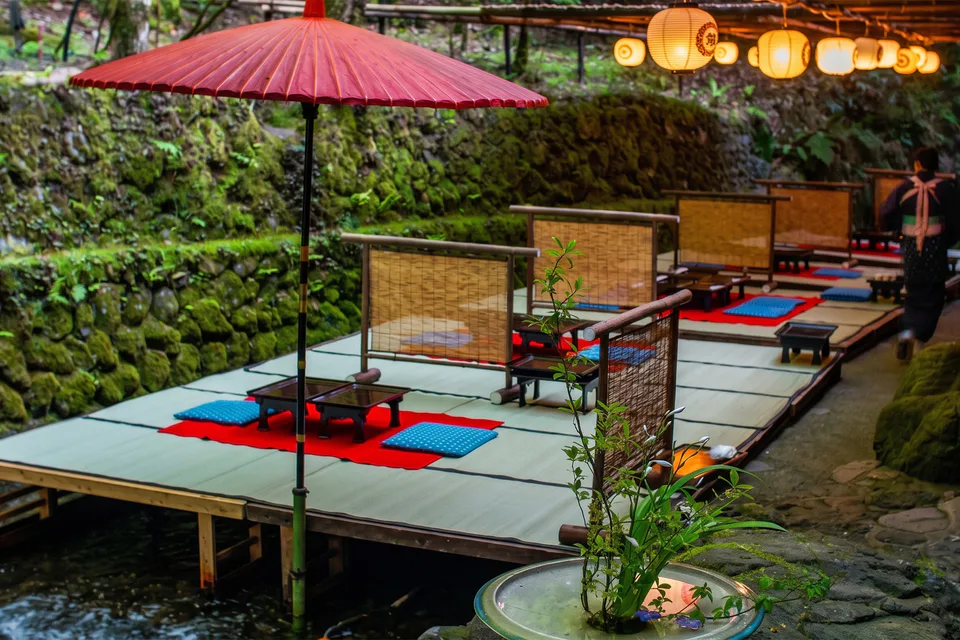
Kibune kawadoko is worth adding to a Kyoto summer trip when the river-level setting, seasonal meal and Kifune Shrine half-day are part of what you are paying for. The official 2026 kawadoko season runs May 1–September 30, although individual restaurants can differ. The catch is equally clear: rain, high water or strong wind can move the meal indoors, and Kibuneguchi Station is still a bus transfer away from the dining area. If you mainly want an inexpensive lunch or would resent paying the same meal price without the river deck, central Kyoto is the safer choice.
Choose the hotel base before you build this half-day. Where to Stay for Kyoto Summer Events helps decide whether staying in Kibune itself is actually useful. For a lunch visit that returns to the city, moving hotels is usually unnecessary.
30-second decision: when is Kibune kawadoko worth it?
↔ Scroll table left or right
Your situation | Best call |
River setting + seasonal meal are the point | Worth it; pair lunch with Kifune Shrine |
You mainly want a cheap lunch | Skip it; central Kyoto has easier options |
Indoor seating would ruin the value | Do not make kawadoko a non-refundable anchor |
You have a fixed-time evening event | Book an early lunch and work backward from the return |
2026 season and prices: separate the area-wide season from your restaurant
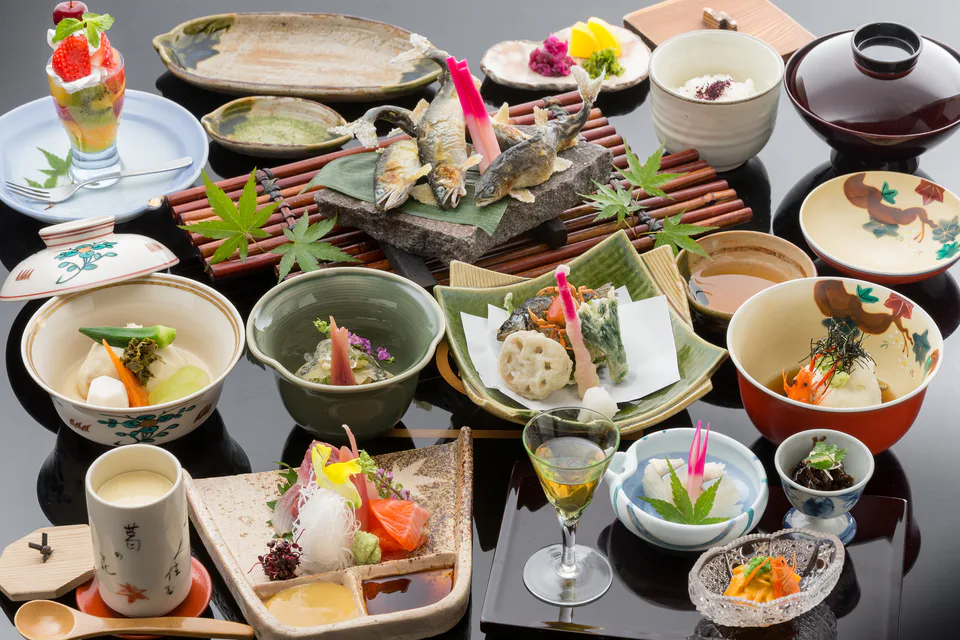
Kyoto’s official tourism site lists the 2026 Kibune kawadoko season as May 1–September 30 and warns that individual restaurants may differ. Fujiya’s current official page lists the same river-deck season, dining from 11:00 a.m. to 8:00 p.m. with final entry at 7:00 p.m., plus a ¥1,100 summer deck charge per person. Its lunch-only Haikazen is currently ¥7,500, while fuller kaiseki courses cost more. Those are Fujiya prices, not a Kibune-wide tariff, so confirm the exact course, deck charge, cancellation rules and total for your date before paying.
The last transfer is the real transport cost: Kibuneguchi is not the restaurant door
The standard official approach is the Eizan Railway to Kibuneguchi, then Kyoto Bus 33 to Kibune. Summer service can use extra or temporary schedules, and mid-August can run on holiday timetables, so a saved screenshot is not a reliable travel-day plan. Large luggage is a poor fit for the narrow Kibune road; leave it at your Kyoto hotel or station. On the return, check at least two usable buses rather than treating the final departure as Plan A, because queues and road conditions can absorb the buffer.
Rain changes the product, not just the photo
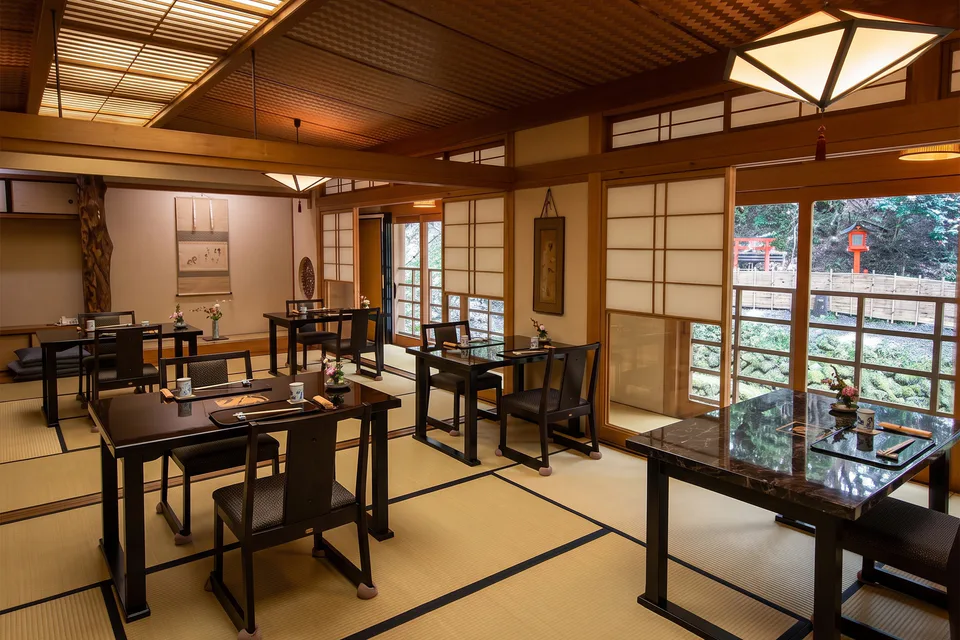
Fujiya explicitly says that during the kawadoko season, rain moves dining indoors. Kibunesou similarly states that rain, post-rain high water, strong wind or typhoon conditions can move guests inside whenever the river deck is judged unsafe. The decision question is therefore simple: would the meal and Kibune half-day still feel worth the price without outdoor river seating? If not, read the cancellation deadline before booking instead of treating weather risk as a surprise on arrival.
After lunch, should you walk all three Kifune Shrine sites? Let the return plan decide
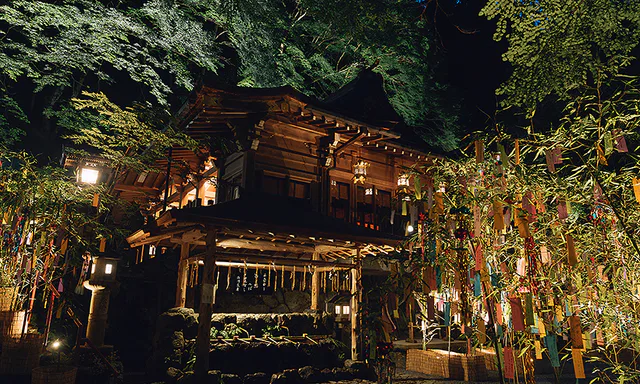
Kifune Shrine describes the Main Shrine, Inner Shrine and Yui-no-yashiro as the traditional three-shrine visit. From May 1 through November 30, 2026, the Main Shrine is open from 6:00 a.m. to 8:00 p.m., while the amulet and goshuin office operates 9:00 a.m.–5:00 p.m. If the weather is stable and everyone is comfortable walking, the three-site route makes the half-day feel complete. With children, older travelers, sore feet, heavy rain or a fixed evening event, stopping after the Main Shrine is a sensible trade-off.
If the same evening includes Kyoto Gozan Okuribi 2026, work backward from the fire-lighting and transport plan. “We’ll see which bus we get after lunch” is not a good plan for two time-sensitive activities on the same day.
Final verdict: the half-day is the product, not a single river-deck photo
For a first visit, the lowest-friction version is to keep your city hotel, travel to Kibune in the morning, eat around 11:00 a.m., choose the Main Shrine or the full three-shrine walk based on weather and energy, then return before dark. It is a poor fit if the only goal is a photo, indoor dining would feel like a failed purchase, or the rest of the day is already packed. The recommendation flips on three things: tolerance for weather changing the experience, tolerance for the Bus 33 transfer, and willingness to spend several thousand to well over ten thousand yen on one seasonal meal.
Your next decision
Kyoto Autumn Leaves by Elevation: Takao, Kibune and City Sequence
Things to Do in Kyoto: 1-, 2- and 3-Day Itineraries for First-Time Visitors