
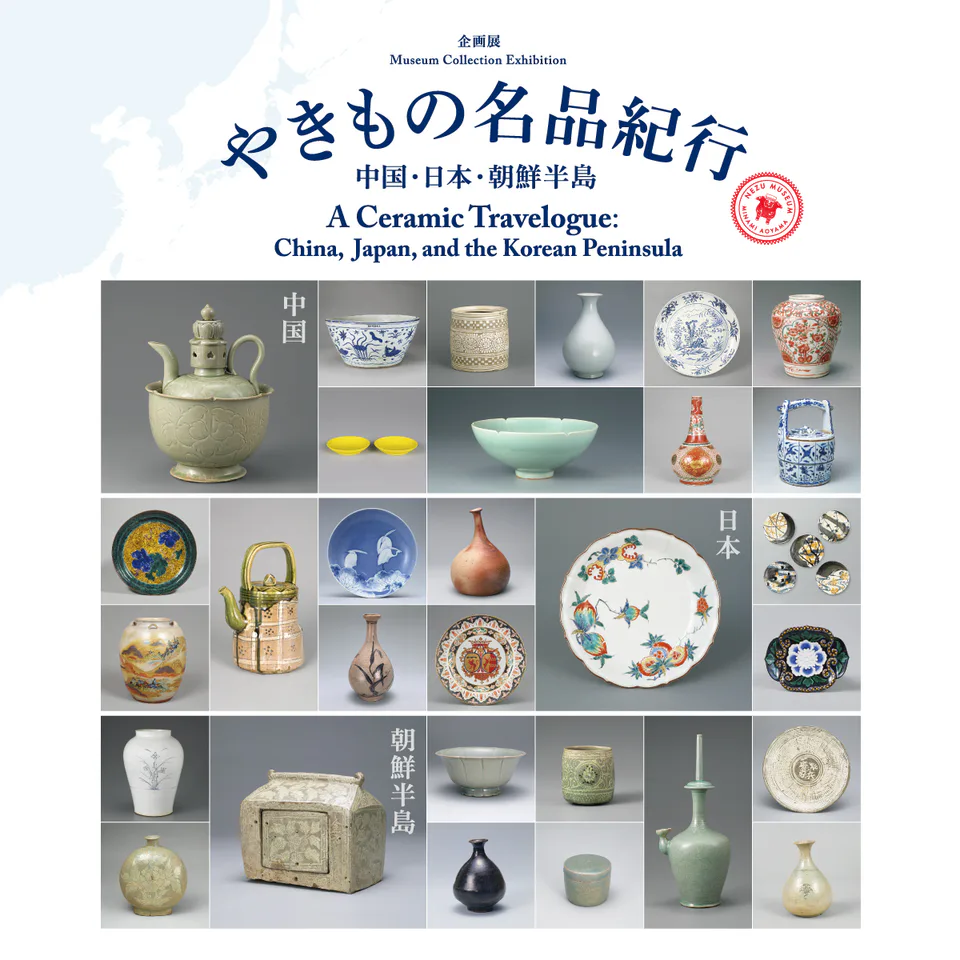
Nezu Museum 2026 is easy to misread as a quick Omotesando garden stop with a few pots attached. That is the wrong time budget. A Ceramic Travelogue runs from August 15 to October 12, 2026 and spreads Chinese, Japanese and Korean Peninsula ceramics across Galleries 1, 2 and 5. The same admission also gives you concurrent Buddhist art, ancient Chinese bronzes and distinguished tea ceramics, plus access to the garden, Museum Shop and NEZUCAFÉ. For the right visitor, this is a two-to-three-hour Minami-Aoyama block—not a 40-minute detour between shops.
The bigger twist is the garden. It is one of the reasons people remember Nezu Museum, but it is not a free public garden you can wander into after shopping. The garden, shop and café are restricted to museum visitors. So the ¥1,400 online adult ticket has two very different meanings: for ceramics lovers, the garden is a lovely bonus; for someone who only wants garden photos, ¥1,400 is effectively the minimum price of that stroll. That is the decision to make before you book.
A Ceramic Travelogue moves from China to Japan and the Korean Peninsula rather than turning ceramics into one long chronological corridor. Image: Nezu Museum official.
Nezu Museum 2026 in 30 seconds: ceramics fan, garden fan or Omotesando add-on?
If ceramics are the reason you are going, the ticket is easy to justify. The museum is drawing highlights from a collection of roughly 2,300 ceramics, with China in Gallery 1, Japan in Gallery 2 and the Korean Peninsula in Gallery 5. Gallery 6 then adds distinguished tea ceramics, which is useful because it shifts the question from “Is this beautiful?” to “How was this object valued and used in tea culture?”
If the garden is the main attraction, the answer is more conditional. The stone lanterns, teahouses, slopes and trees are a genuine part of the museum experience, but admission is still required. If you have no interest in the exhibition, you are paying museum admission largely to unlock the garden. That can still be worth it, but it should be a conscious choice rather than a surprise at the entrance.
For an Omotesando add-on, location is the advantage. Nezu Museum is about an eight-minute walk from Omotesando Station Exit A5, or around ten minutes from the B3 elevator exit. That makes it easy to pair with Aoyama, Harajuku or east Shibuya. It is much less compelling as a cross-city mission from the eastern side of Tokyo when all you want is a short garden visit.
If your hotel base is still undecided, compare Shinjuku vs Shibuya before building an Aoyama-heavy half-day. Shibuya naturally shortens the friction for Omotesando and Harajuku, while Shinjuku can make more sense when the rest of the trip points west.
If you have not chosen a Tokyo base at all, start with our first-time Tokyo hotel-area guide. Nezu Museum is not important enough to change hotels for by itself; a cluster of Shibuya, Harajuku and Aoyama plans can be.
Next decision: Where to Stay in Tokyo for First-Time Visitor…
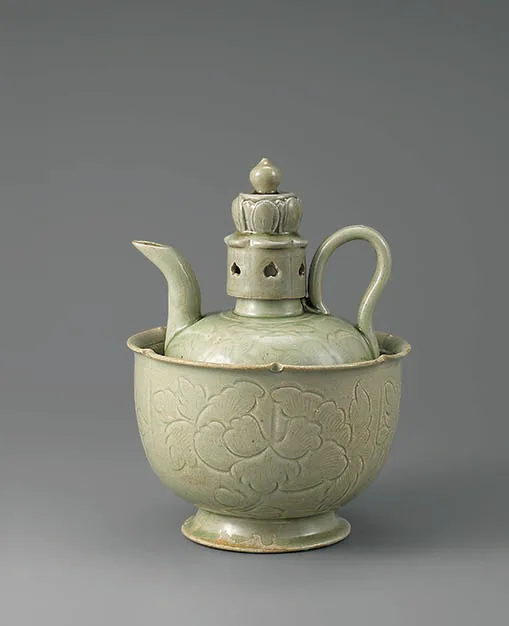
Gallery 1 includes Northern Song ceramics whose shapes and original functions make “old pottery” feel much less abstract. Image: Nezu Museum official.
Do not split six galleries evenly: China and Japan first, then Korea and tea ceramics
The exhibition route already gives you a useful hierarchy. Gallery 1 is Chinese ceramics, Gallery 2 is Japanese ceramics and Gallery 5 is ceramics from the Korean Peninsula. If you only have about 90 minutes, see Galleries 1 and 2 properly, then move to Gallery 5 and use whatever remains for Gallery 6. Trying to give every gallery exactly fifteen minutes is wonderfully democratic and not especially useful.
With two to three hours, Gallery 6 becomes much more worthwhile. The tea ceramics add another way of reading objects: not only where and when they were made, but how tea practitioners selected, named and valued them. Then the garden works as a visual reset. You move from clay, glaze and display cases to stone, trees and water. That change of pace is one of the strongest reasons to treat Nezu as a complete visit rather than a checklist museum.
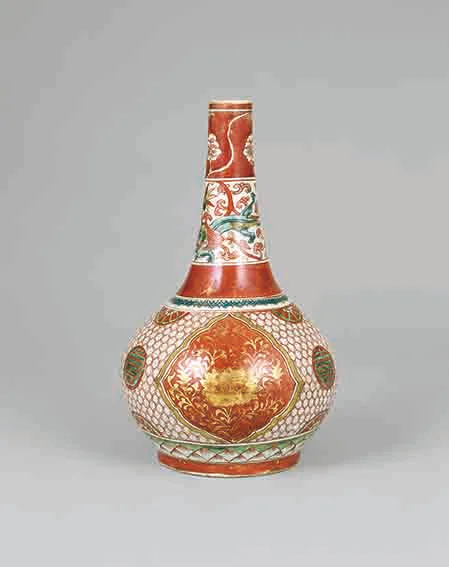
This Ming Jingdezhen vase pushes red and green overglaze enamels and gold pigment to a very different visual intensity from the Japanese ceramics that follow. Image: Nezu Museum official.
The adult online ticket is ¥1,400; waiting for the door costs ¥200 more and leaves availability open
A Ceramic Travelogue is a Museum Collection Exhibition. The current official adult timed-entry ticket bought online is ¥1,400. A same-day adult ticket at the museum is ¥1,600 and is still subject to availability. The ¥200 gap is not enormous, but once you already know you are going, paying more to keep the time-slot question unresolved does not buy much useful flexibility.
The practical choice is simple: if Nezu is a firm part of your Aoyama day, fix the entry time. If the day is still weather-dependent because the garden is half the reason you care, keep the booking decision until the forecast and the rest of the route are clearer.
Once you know you are going, check the entry options for your date
Klook currently lists the same Nezu Museum product as Activity 142139 and includes A Ceramic Travelogue through October 12, 2026. It is useful as another familiar place to check date and time options, not as a promise that the price will always beat the museum’s own timed ticket. Compare the actual terms for your date before paying.
This article may contain affiliate links. If you complete an eligible booking through one of them, ValueNavi may receive a commission at no extra cost to you.
Check Nezu Museum entry times for your date|Klook
Prices, remaining time slots and cancellation conditions are those shown for your selected date. Compare them with the museum’s own ¥1,400 online timed ticket before you commit.
The date trap is September 24—not simply “closed on Mondays”
The exhibition runs from August 15 to October 12, 2026. The museum is normally closed on Mondays, but it is open on Monday, September 21 and Monday, October 12. Instead, Thursday, September 24 is closed. That is exactly the kind of exception that survives badly in a copied itinerary: someone remembers “Monday closed,” sees a Thursday date and stops checking.
Opening hours are 10:00 to 17:00, with last entry at 16:30. If your ideal visit includes the three ceramics galleries, tea ceramics, the garden and a café stop, arriving at 16:00 turns a pleasant two-hour visit into a series of tiny negotiations with the clock.
NEZUCAFÉ is a rest stop inside the paid visit, not a café you can pop into from Omotesando
NEZUCAFÉ, the Museum Shop and the garden all require museum admission. The café currently operates from 10:00 to 16:30, with food last orders at 15:00 and drinks and desserts at 16:00; those cutoffs can become earlier when it is busy. So “shop Omotesando until 16:30, then have coffee in the garden” is not a workable plan.
If you want food rather than just a drink, place the café in the middle or later part of the museum visit instead of treating lunch after 15:00 as guaranteed. A comfortable order is Galleries 1 and 2, then 5 and 6 as time allows, then garden, then café or exit. The building is not trying to rush you; the last-order clock is.
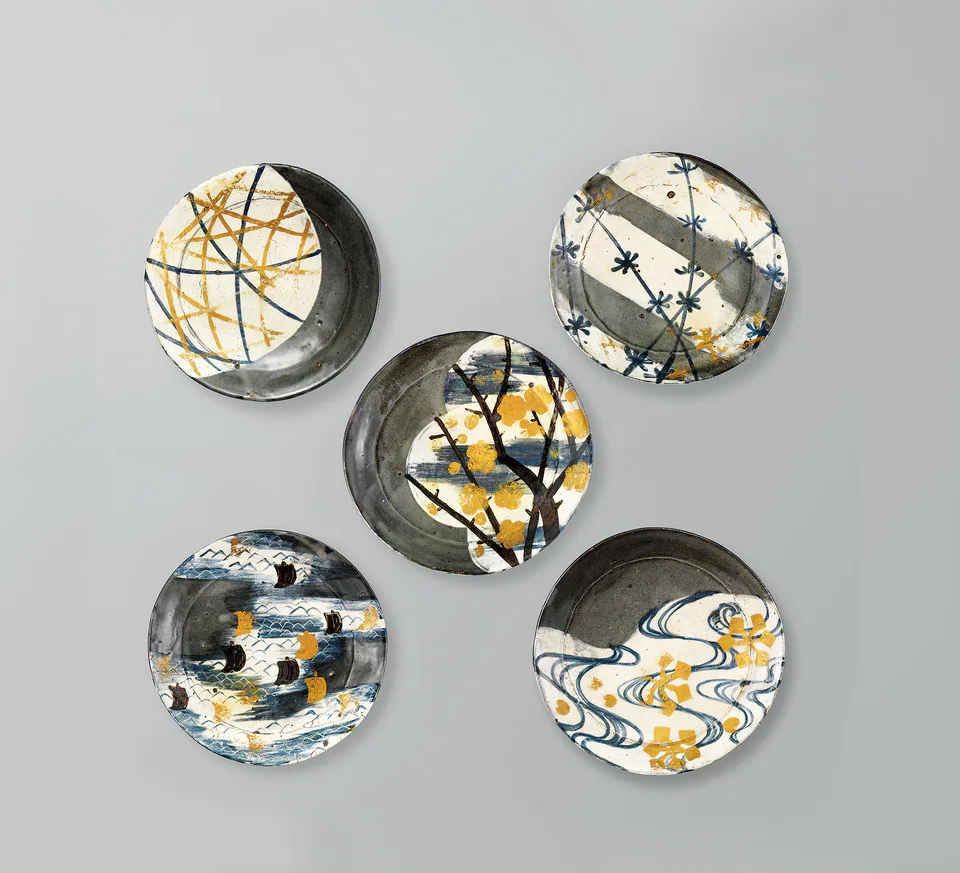
Gallery 2 moves into Japanese ceramics and Kyoto ware, including work by Ogata Kenzan with a very different visual language from the Chinese galleries. Image: Nezu Museum official.
Rain makes the museum easier to justify and the garden less valuable at the same time
The galleries are a very reliable rainy-day plan. Between the main exhibition and concurrent shows, you can spend well over 90 minutes indoors without inventing things to do. But part of Nezu Museum’s appeal is the garden, and heavy rain, strong wind or oppressive heat can shrink that part of the experience into a quick look before you retreat inside.
If the forecast is miserable, compare Nezu with a fuller Tokyo rainy-day indoor itinerary. Keep Nezu if ceramics are the main reason you care; reconsider the date if most of the ¥1,400 value in your head comes from the garden atmosphere.
If you are comparing several limited-time indoor exhibitions on the same trip, Tokyo’s 2026 Pingu exhibition is a useful opposite case: character production material and photo-friendly elements solve a very different travel need from ceramics, tea objects and a garden. “Indoor exhibition” is not a single category of experience.
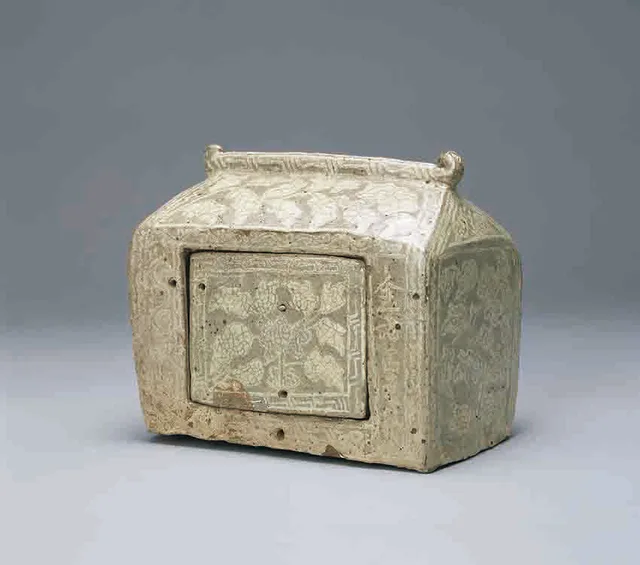
Gallery 5 reaches the Korean Peninsula; this 15th-century Joseon Buddhist cabinet uses inlay decoration in an unusually religious form. Image: Nezu Museum official.
No gallery photos: if your value comes from taking 200 object shots, lower expectations now
The museum asks visitors not to use photographic equipment in the galleries. That is not a tiny housekeeping rule if photography is half the fun of exhibitions for you. Nezu is not a place where the admission price turns into a camera roll full of object close-ups and portraits beside displays. The value has to come from looking at the objects, then changing pace in the garden.
The garden teahouses are also not open for casual walk-in exploration. The museum states that they are only open for tea ceremonies or other invited participants. A lovely little door is still a door with rules, unfortunately; the ticket does not include freely wandering through teahouse interiors.
With only four days in Tokyo, swap Nezu for another half-day—do not simply add it
Nezu’s location makes it dangerously easy to say, “It’s near Omotesando, we’ll just squeeze it in.” Once you actually see the galleries, walk the garden and stop for a drink, two to three hours is completely reasonable. On a four-day Tokyo trip that already includes Disney or a full-day side trip, Nezu needs to replace another half-day rather than colonize lunch, sleep and transfer time.
If you have not decided how long Tokyo deserves, use our 3-, 4- or 5-day Tokyo guide first. If a four-day trip is already trying to absorb Kamakura, run the same opportunity-cost test in our Tokyo-plus-Kamakura guide. A limited exhibition has a real deadline; it still does not create an extra half-day.
And if you are staying around Tokyo Station, compare Tokyo Station vs Shinjuku before assuming every west-side outing is “close enough.” Nezu is perfectly reachable from either base; the difference is whether Aoyama, Shibuya and Harajuku are isolated detours or part of a cluster.
Final verdict: go for the ceramics and let the garden improve the ticket—not the other way around
Nezu Museum is easiest to recommend to three groups: people who already like East Asian ceramics and tea objects; travelers who want a meaningful indoor block in an Omotesando/Aoyama day; and visitors happy to spend two to three hours combining galleries with the garden. It is a weaker fit if you only want a free garden, have no interest in the exhibition, or have forty-five minutes and a heroic belief that schedules are optional.
Before payment, check five things: your date falls between August 15 and October 12; you are not accidentally choosing the September 24 closure; you actually want at least 90 minutes; the weather will not remove most of the garden value you care about; and the ¥1,400 official timed ticket versus your preferred booking platform makes sense for that date. If NEZUCAFÉ matters, also remember the 15:00 food and 16:00 drinks/desserts last orders.
Facts and ticket rules last checked August 17, 2026. Before departure, recheck the official A Ceramic Travelogue page and Nezu Museum visitor information for your exact date.