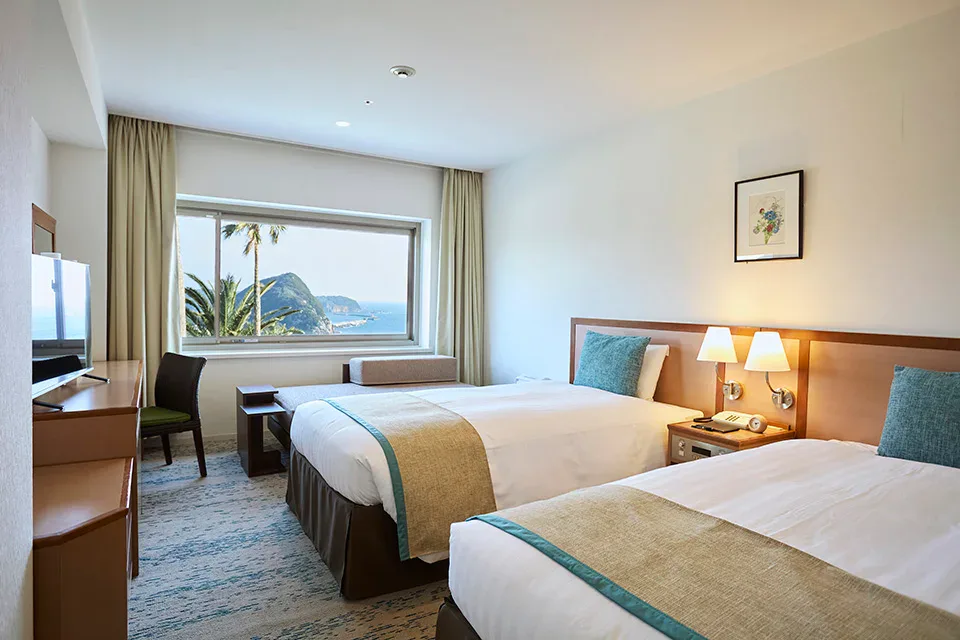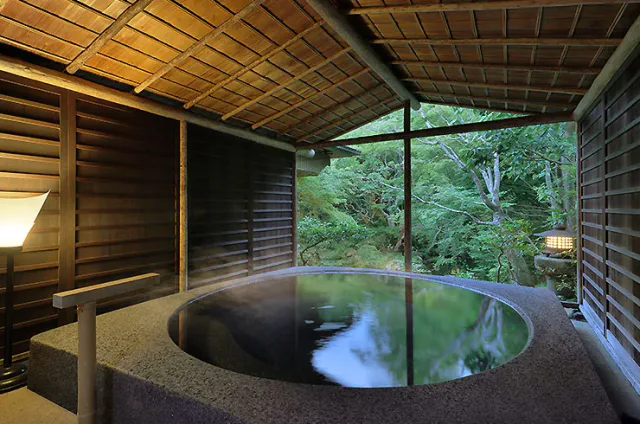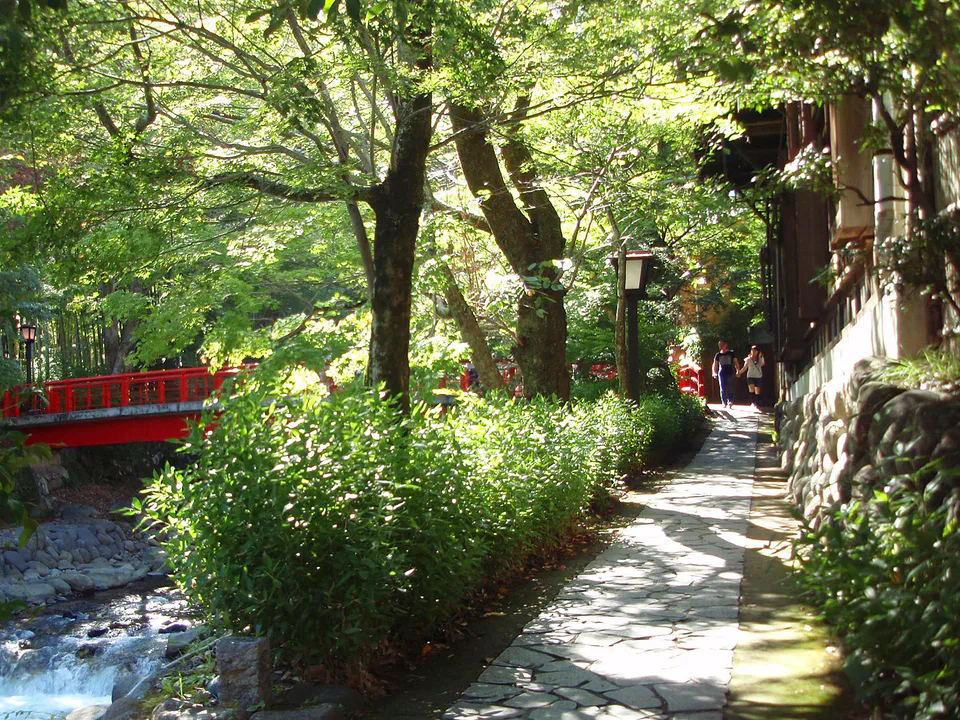
For only two nights in Izu, I would usually stay in one base rather than split one night in Shimoda and one in Shuzenji Onsen. Choose Shimoda when the trip is built around the east coast, beaches and a straightforward rail return toward Atami or Tokyo. Choose Shuzenji Onsen when the ryokan evening is the main event, when rain makes a beach-led trip fragile, or when Day 3 naturally continues through Mishima, the Tokaido Shinkansen or central/western Izu.
The reason is structural, not atmospheric. Shimoda sits at the southern end of the Izukyu east-coast rail corridor; JR East currently gives about 2 hours 49 minutes from Tokyo to Izukyu-Shimoda on the Odoriko. Shuzenji Onsen is a different transport product: Mishima to Shuzenji Station is roughly 35 minutes on the Izuhakone Railway, then the hot-spring district is another bus leg of roughly 8–10 minutes. A one-night/one-night split therefore means changing both hotel and transport spine during the only full day of a two-night trip.
↔ Scroll table left or right
Your two-night Izu trip | Start with | Why | What reverses it |
Tokyo/Atami in, beaches and east-coast sightseeing, Tokyo/Atami out | Shimoda | The rail corridor, hotel and sightseeing direction all align | Bad coastal weather or a Day 3 move toward Mishima/western Izu |
Ryokan dinner, bathing and a quiet evening are the purpose | Shuzenji Onsen | The overnight protects the hours a day trip cannot reproduce | You arrive too late for the booked meal/bath sequence or leave before breakfast |
Two nights total and tempted to sleep once in each | Usually do not split | You only have one complete middle day; a cross-Izu hotel move consumes the best uninterrupted block | The hotel change also advances the route and Day 3 genuinely leaves from the second side |
Summer trip mainly for supervised swimming | Shimoda | Its nine beaches are a real seasonal trip product | Your dates fall after the staffed swimming season or sea conditions close the beaches |
Rain-sensitive dates, older travellers, or hotel time matters more than beach time | Shuzenji Onsen | A ryokan evening can retain value when the coast loses its main activity | The group dislikes public/private bathing and only wants daytime sightseeing |
Day 3 goes to Mishima, Kyoto/Osaka or another Tokaido Shinkansen stop | Shuzenji gets stronger | The base points naturally toward Mishima instead of requiring a long return along the east coast | A direct Odoriko back to Tokyo is actually your next move |
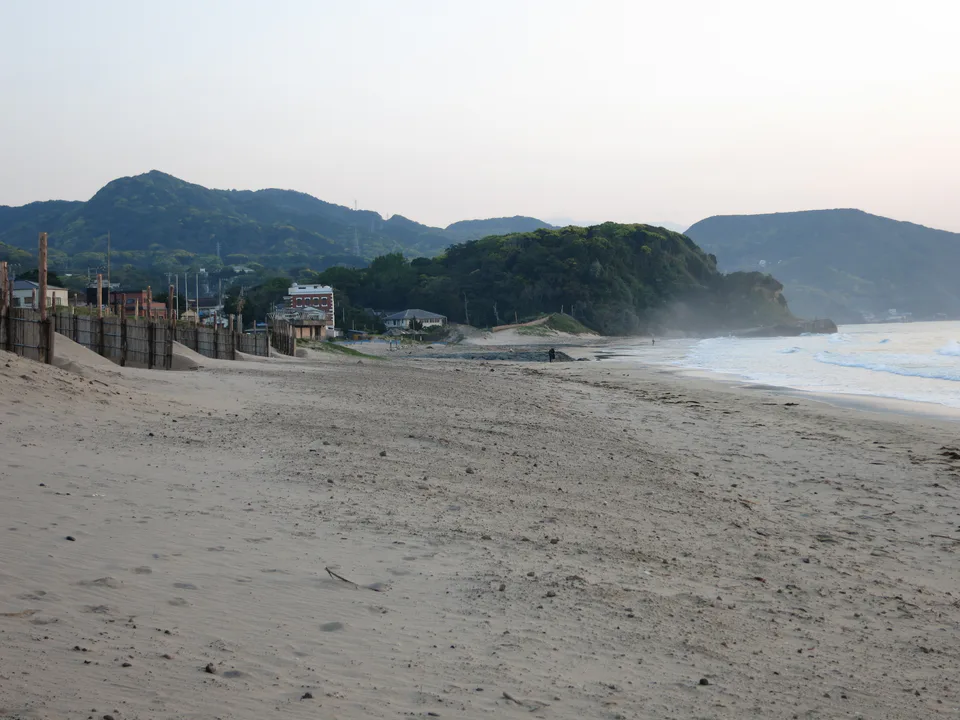
Shimoda is a rail-corridor choice before it is a beach choice
Shimoda's biggest logistical advantage is easy to miss because the beaches get all the attention. Izukyu-Shimoda is the end of the Izukyu Line, and JR East currently describes the Odoriko trip from Tokyo Station to Izukyu-Shimoda as about 2 hours 49 minutes. The current 2026 timetable also continues to show through Odoriko services between Tokyo and Shimoda on operating dates.
That makes the base unusually coherent for a car-free traveller coming down the east side of Izu. You can finish the long rail leg, leave the main luggage, then use local buses or taxis for shorter coastal trips. You are not repeatedly dragging a suitcase deeper into the peninsula.
Shirahama Ohama shows the pattern clearly. Shimoda's official tourism site currently puts the beach about 15 minutes by bus from Izukyu-Shimoda Station. That is a last mile, but it is a local sightseeing leg after the suitcase can stop moving. For a two-night stay, that distinction matters.
If the wider trip arrives from Tokyo or Atami and leaves the same way, Shimoda's apparent distance is not automatically a disadvantage. The train ride is long, but the geometry is simple. The hotel becomes wrong when the next destination points somewhere else.
Shuzenji Onsen is a last-mile penalty in exchange for a stronger evening
Shuzenji Station is not Shuzenji Onsen. The transport chain from the Tokaido corridor is roughly: Mishima → Izuhakone Railway to Shuzenji Station → local bus to the hot-spring district. Official Izu-area guidance gives about 35 minutes from Mishima to Shuzenji Station and roughly 10 minutes onward by bus; Izuhakone Railway walking-route material shows the return bus from Shuzenji Onsen to the station at about eight minutes.
That extra step is a real cost with luggage. It is also the reason the ryokan has to do more work. You should not stay in Shuzenji merely because the town is pretty. The night should unlock something that justifies carrying the trip through the last bus/taxi leg: a fixed dinner, a private or public bath you genuinely want to use, a slower riverside evening, and an unhurried morning before moving on.
The important ValueNavi distinction is transport friction versus time exclusivity. Shimoda removes a complicated rail spine once you reach the terminus. Shuzenji accepts one more transfer in order to buy an overnight experience that a daytime stop cannot fully reproduce.
Why one night in each usually fails on a two-night trip
Two hotel nights create only one fully protected day between check-in and check-out. A split stay spends part of that one day on packing, checkout, transporting luggage across or around Izu, finding the second hotel and waiting for the second room to become usable.
The mistake is treating Shimoda and Shuzenji like two stops on one railway line. They are not. Shimoda belongs to the Ito/Izukyu east-coast rail spine. Shuzenji belongs to the Mishima/Izuhakone central-Izu spine. Moving from one to the other is not equivalent to changing hotels between two adjacent Tokyo stations.
I would require a two-night split to pass one of these tests:
Route-progression test: the second hotel places you naturally on the route you must take on Day 3.
Experience test: both nights unlock a time window you genuinely cannot reproduce as a day trip.
Luggage test: the move is light because the main bags are forwarded or otherwise removed from the transfer day.
If none passes, stay two nights in one place. With three nights, a 2+1 split becomes much easier to defend because you still retain a complete day in the main base.
The 2026 swimming season makes Shimoda more seasonal than the photos suggest
Shimoda's coast is beautiful outside midsummer, but a beach holiday and a coastal scenery trip are not the same product. Shimoda's official 2026 beach information opened the city's swimming beaches from July 18. Most staffed beach periods ended on August 23; Shirahama Chuo continues to August 30, while Shirahama Ohama and Kujuppama continue to August 31.
After the official period, the sea and sand remain accessible, but the tourism authority warns that lifeguard/monitoring operations end. That changes the booking logic for families and cautious swimmers. A September Shimoda trip can still be excellent for coastline, food and walks; it should not be priced or planned as though the supervised summer-swimming product is unchanged.
Shirahama Ohama's current official page also states that the 2026 staffed hours are 08:00–16:00. If supervised swimming is the reason for choosing Shimoda, those hours—not sunset photos—are the high-value window you need to protect.
Weather creates an asymmetric downside
A wet or windy day hurts both destinations, but not equally. Shimoda loses more when the trip is built around swimming, beach time or exposed coastal scenery. The local tourism authority explicitly updates swimming conditions during the staffed season because waves and wind can change the day's status.
Shuzenji's value is less dependent on one outdoor activity if the ryokan is already part of the plan. Dinner, bathing and room time can absorb poor weather. That does not make Shuzenji weather-proof—the riverside district and outdoor walks are still affected—but the hotel itself can carry more of the day.
This is a useful red-team question before paying for a two-night base: if tomorrow is wet all day, which booking still feels worth the detour? A strong Shimoda answer might be seafood, town history and a flexible hotel; a strong Shuzenji answer might be the ryokan itself. If neither answer works, Izu may not deserve two scarce nights on that forecast.
Let Day 3 break a tie: Tokyo points to Shimoda; Mishima and the Tokaido corridor point to Shuzenji
If the first two nights are genuinely tied on experience, choose the base that reduces the third day's most expensive movement.
Shimoda gets stronger when you entered from Tokyo/Atami, want two east-coast days and then return toward Tokyo. The current Odoriko network gives you a through-train option back toward the capital on operating dates. You are accepting one long corridor rather than introducing a second one.
Shuzenji gets stronger when the trip exits through Mishima toward Nagoya, Kyoto or Osaka, or continues into central/western Izu. The Mishima–Shuzenji rail link means the hot-spring stay is already oriented toward the Tokaido Shinkansen rather than the southern east-coast terminus.
This is why map distance is a poor hotel filter. The better base is the one that reduces the next hard movement, not necessarily the one closest to the geometric centre of Izu.
Large luggage and older travellers: count the last mile twice
With one carry-on, a bus transfer is a minor inconvenience. With two large suitcases, a stroller or older parents, you pay the last mile on arrival and again at checkout.
Shimoda's station-terminus structure lets the main luggage stop at the rail hub, but beaches such as Shirahama still require a local bus or taxi. Shuzenji requires the station-to-onsen transfer before you even reach the ryokan district. Neither is automatically effortless.
If the hotel offers pickup, confirm the exact station, reservation deadline, operating hours and luggage rule before counting it as part of the route. If the main bags can be forwarded to the next hotel, the accommodation decision can shift back toward experience rather than suitcase handling. The Japan luggage-forwarding guide is useful when the bags, rather than Izu itself, are causing the itinerary problem.
Ryokan dinner is a hard constraint, not a free amenity
Shuzenji becomes a poor choice when you treat a half-board ryokan as a late-arrival hotel. Dinner and check-in conditions vary by property and rate, and the exact booking rules govern the stay. If your rail day is already fragile, do not create a plan in which one missed connection destroys the most expensive part of the night.
The same principle applies to private baths. “Private onsen” may mean an in-room bath, a reservable shared bath or another property-specific system. Verify the exact room and rate rather than assuming the destination name guarantees privacy.
A strong Shuzenji night has slack: arrive early enough to check in without rushing, use the bath before or after dinner, sleep, then keep a useful morning. If the schedule only leaves bed-and-breakfast hours, the ryokan premium is solving the wrong problem.
Three two-night itineraries that actually make sense
1. Summer coast trip: two nights in Shimoda
Day 1: arrive from Tokyo/Atami, leave luggage and keep the afternoon/evening local. Day 2: beach plus one nearby coastal/town block. Day 3: return north on the east-coast rail corridor. This is strongest during the staffed swimming season and when the forecast is stable.
2. Ryokan-led Izu stop: two nights around Shuzenji
Day 1: enter through Mishima, reach the onsen district early enough for the ryokan evening. Day 2: central Izu/Shuzenji at a slower pace rather than turning the stay into a road race. Day 3: leave through Mishima or continue toward the Tokaido corridor. This is strongest when the hotel itself is part of the attraction budget.
3. You genuinely want both: add a third night
Use two nights in the side that matters more and one night on the side that aligns with Day 3. This gives the main base one uninterrupted day and makes the hotel move part of route progression rather than the centrepiece of a two-night trip.
Final verdict: choose the transport spine and the irreplaceable hours
Choose Shimoda when beaches/east-coast scenery are the purpose, your dates actually support the beach experience you want, and Tokyo/Atami is the natural entry or exit. Choose Shuzenji Onsen when dinner, bathing and the ryokan evening are the purpose, or when Mishima and the Tokaido corridor make the next move cleaner.
For only two nights, do not split simply because both places look attractive. The hotel change should either unlock a genuinely different time window or move you toward the next destination. Otherwise the most valuable thing you can buy in Izu is one uninterrupted day.
Compare Izu stays for your exact dates
References and verification date
JR East — Odoriko route and Tokyo–Izukyu-Shimoda travel time · Izukyu — 2026 train timetables · Shimoda Tourism Association — Shirahama Ohama access and 2026 swimming season · Shimoda Tourism Association — August 24, 2026 beach-season update · Izu Letters — Mishima to Shuzenji Onsen access · Izuhakone Railway — Shuzenji Onsen bus return reference.
Checked August 25, 2026. Timetables, beach operations, bus services and ryokan meal/check-in rules can change; verify the exact travel date and property before booking.
Tokyo Station vs Shinjuku: Which Base Fits Your Japan Itinerary?
NOHGA HOTEL UENO TOKYO vs HOTEL GROOVE SHINJUKU: Which Base Saves More Friction?
Miyako Hotel Hakata vs Solaria Nishitetsu Hotel Fukuoka: Which Base Fits Your Trip?
Tokyu Stay Hida-Takayama Musubi no Yu: Which Room Works for Two Suitcases and Three Nights?