
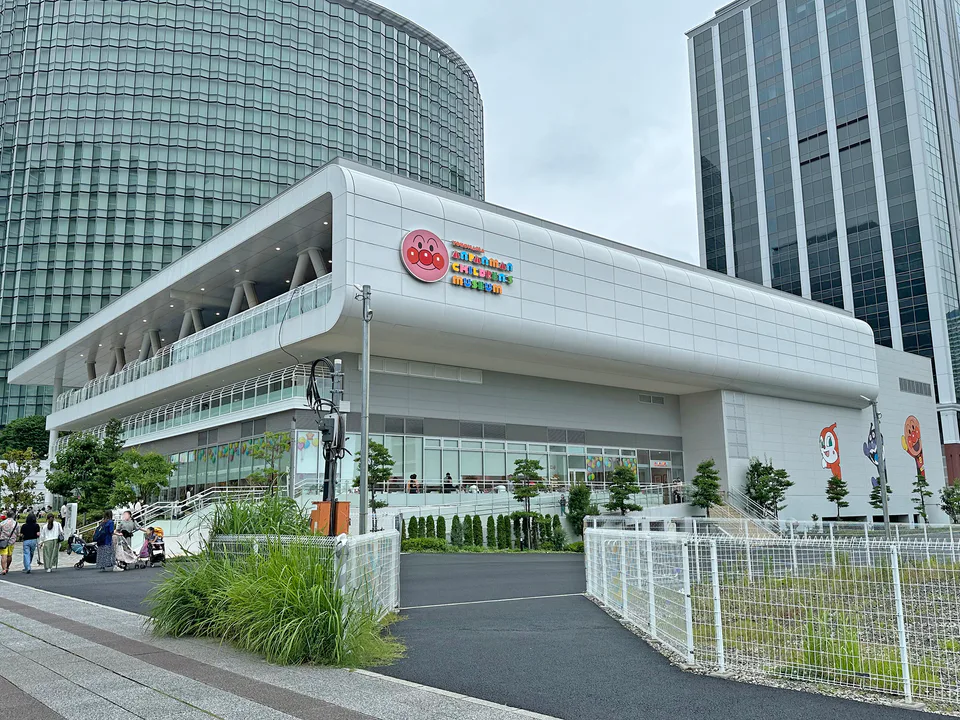
Yokohama Anpanman Children's Museum 2026 is not an automatic yes just because you are traveling with a toddler. Children from age one currently pay the same ¥2,200–¥2,600 admission range as adults, so two adults and one child start at ¥6,600 and can reach ¥7,800 on a higher-priced day. The useful question is whether your child will actually use the paid 2F–3F play areas, shows and character spaces. If you mainly want Anpanman bread, merchandise or a themed meal, the entire 1F shopping and food area is free to enter.
Yokohama Anpanman Children's Museum 2026: price the whole family before you buy
The official 2026 ticket calendar lists both children from age one and adults from junior-high age at ¥2,200–¥2,600, depending on the date. For a family of three, that means ¥6,600–¥7,800 before food or shopping. For two adults and two ticketed children, it is ¥8,800–¥10,400. That does not make the museum overpriced by itself; it simply means the child needs to be at the right stage for the paid floors to earn their time and money.
The easiest yes is a child who already recognizes Anpanman, wants to move around independently, will watch character shows and is excited by pretend-play spaces. The harder sell is a child who spends most of the visit asleep or carried, has little reaction to the characters, or whose parents mostly want the shops and bakery downstairs.
Image: Tokumeigakarinoaoshima / Wikimedia Commons, CC BY-SA 4.0

Only want bread, merchandise or a themed lunch? The 1F area is free
This is the single best money-saving distinction at the Yokohama museum. Admission is required for the 2F and 3F museum, but the 1F Shops & Food / Restaurant area is free. You can browse the Anpanman shops, visit Uncle Jam’s Bakery and eat on the first floor without buying museum admission.
That makes the free floor a useful short stop on a broader Yokohama day. You can pair it with the Yokohama Sea Bass instead of paying for the museum just because you happen to be nearby. If your child lights up at the characters and clearly wants more, the paid floors make much more sense on a future or preplanned visit.
The 2026 ticket rules are much friendlier to families than the old three-day window
From April 1, 2026, the official date-and-time web ticket window changed from three days before the visit to 28 days before. The museum also introduced free cancellation until 8:59 a.m. on the visit day. That matters more for families with very young children than simply being able to book earlier: fevers, naps, weather and travel fatigue are exactly the things that can make a fixed morning plan fall apart.
Same-day web purchase is still possible when capacity remains, but ordinary tickets are not generally sold at the box office. On weekends and holiday periods, securing a useful time before you arrive is sensible. If your Yokohama day itself is still moving, though, do not let a small attraction ticket become the thing that forces the rest of the itinerary to bend around it.
Klook sells the same type of ordinary admission ticket — not a Fast Pass
Klook currently lists the Yokohama museum as a selected-date admission product and shows free cancellation before 09:00 on the participation day, with a fee applying later. Its practical value is convenience if you already keep your Japan bookings in the same app. It should not be framed as guaranteed cheaper admission or queue skipping.
The museum itself warns that entry can still be restricted depending on crowd conditions, and re-entry can also involve a wait. Compare the actual same-date checkout price and the time slot you want, then choose the route that makes your day easier.
Your Yokohama date is fixed: check available admission times on Klook
Earlier entry times are usually more valuable because there is no timed exit
You must enter during the one-hour admission window printed on the ticket; you cannot simply arrive before your slot and expect early entry. Once you are inside, however, the museum does not operate as a timed rotation. You can stay until closing, which makes an earlier slot useful when your child is genuinely engaged.
The museum normally operates 10:00–17:00 with last admission at 16:00, while the 1F shops and restaurants run later. Some summer dates have adjusted hours, so the date-specific official calendar still matters more than a generic opening-hours line copied into an old guide.
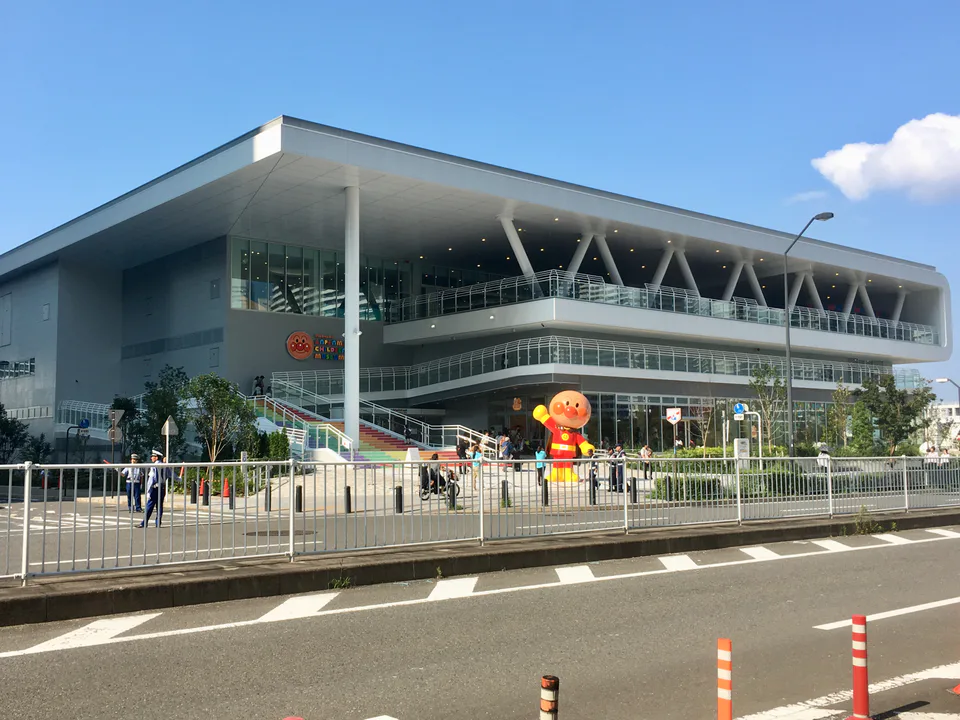
Image: Thirteen-fri / Wikimedia Commons, CC BY-SA 4.0

A better family rhythm is paid floors first, lunch downstairs, then re-enter if energy survives
Same-day re-entry is allowed. That gives families with nap-age children much more flexibility than a one-and-done attraction. A practical rhythm is to use the paid 2F–3F area in the morning, move down to the free 1F for lunch and a slower break, then decide whether the child actually wants to go back upstairs. Re-entry can still involve waiting when it is busy, but you are not forced to squeeze every yen of value out of one uninterrupted session.
Klook suggests roughly 2–3 hours for the attraction itself. If you include lunch, shopping, a rest and possible re-entry, reserving a 4–5 hour Yokohama block is more comfortable than treating it as a strict two-hour stop.
Age one is not automatically “too young” anymore: the 2026 Baby Area changes the calculation
On March 19, 2026, a new Baby Area and picture-book corner opened on the 3F museum level, currently planned to remain until around mid-January 2027. The baby space is designed for crawling children, with shoes-off play, blocks, a slide and wall features that even zero-year-olds can interact with. The adjacent reading area has more than 80 picture books.
That is why “one-year-olds pay full price” does not automatically mean “one-year-olds have nothing to do.” The better test is whether your child is already crawling, walking, touching, climbing and reacting to the characters. A highly active one-year-old can use the paid floor very differently from a one-year-old who spends most of the outing in a carrier.
The stroller rule is more important than it looks
Strollers are not allowed inside the 2F–3F museum. They must be left at the 2F stroller parking area, which is unattended, so valuables need to stay with you. For children who still rely heavily on a stroller, a baby carrier can be more important than saving a few hundred yen on the ticket.
If you know your toddler will need to be carried for long stretches, shorten the paid-floor plan rather than forcing a long visit just to “get your money’s worth.” The parent’s physical effort is part of the real cost too.
Large luggage is another avoidable mistake
The museum has coin lockers on both 1F and 2F, but capacity is limited and the information desk does not provide staffed baggage storage. The official Q&A lists only a limited number of large lockers, so a hotel-change day with full-size suitcases is a poor time to depend on finding one after arrival.
If the family is deciding whether to base itself in Yokohama instead of commuting back to Tokyo, read Yokohama or Tokyo: Where to Stay for Two Nights before building the museum into a checkout-day itinerary. One less luggage transfer can matter more than a small difference in admission price.
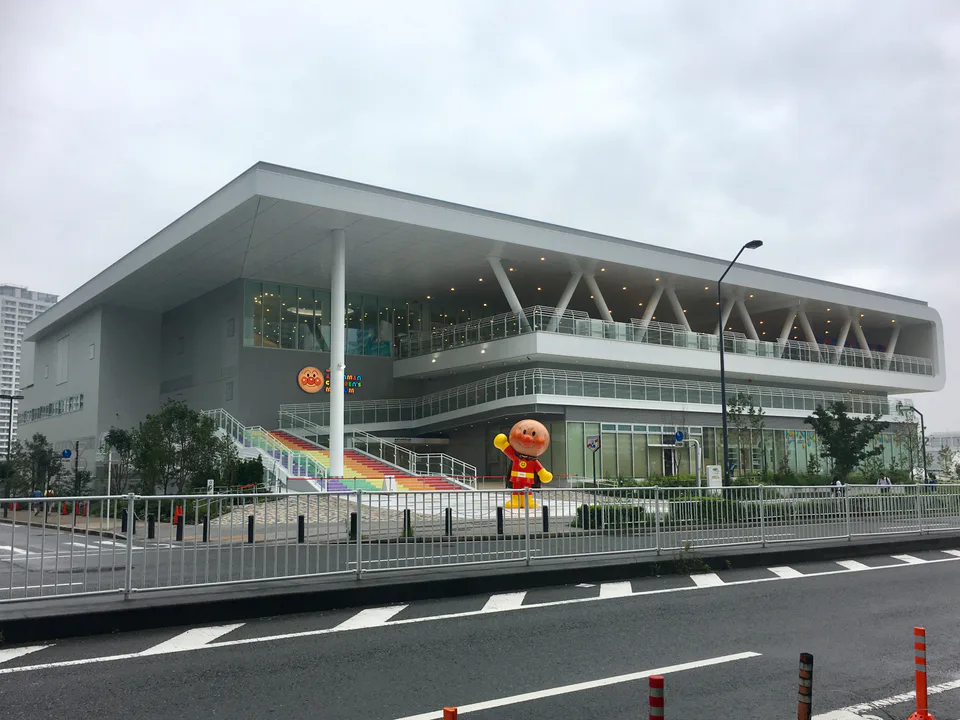
Image: Thirteen-fri / Wikimedia Commons, CC BY-SA 4.0

August and September visits get extra value from the water-play area through September 30
The 2026 Water Play Plaza runs from June 13 through September 30 on the 3F outdoor area. It includes stronger water effects as well as a gentler zone for smaller children with mist and water arches. It is part of the paid museum experience rather than a separate premium ticket.
The real planning consequence is your bag. The museum tells families to bring clothes that can get wet, a towel, a change of clothes and a plastic bag, and provides a changing area. Forgetting dry clothes can ruin the rest of a summer Yokohama afternoon much faster than paying a slightly higher admission band.
Until September 13, the summer main stage gives character fans another reason to pay for the museum
The current limited-time main-stage show “Baikinman Dance! Dance!! Dance!!!” runs through September 13, 2026, alongside character greetings and other daily programming. For a child who genuinely recognizes the cast, seeing the characters perform can be the moment that makes the ticket feel worthwhile.
Performance times can change by date, so do not choose your entry slot from an old blog timetable. Check the museum’s event schedule for the actual day you plan to visit, then pick an admission window that covers the show your child cares about.
Getting there: Shin-takashima is the easier walk with a small child
The museum lists roughly a three-minute walk from Shin-takashima Station on the Minatomirai Line and about ten minutes from Yokohama Station. Seven minutes sounds trivial when traveling alone; in August with a toddler, carrier, spare clothes and shopping bags, it is a real difference.
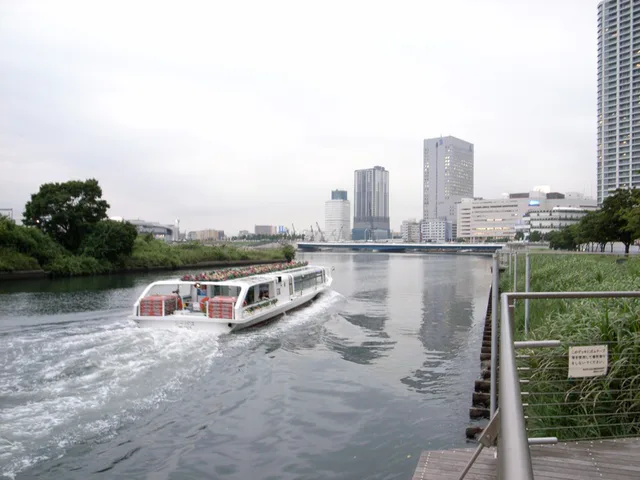
If everyone still has energy after the museum, use the Yokohama Sea Bass to turn the family stop into a harbour route instead of immediately retracing the train journey.
For an evening extension, the Yokohama Night Walk from Air Cabin to Osanbashi is a better use of a second wind than adding another indoor attraction.
On a three- or four-day Tokyo trip, do not add every attraction your child might like
A family trip can easily become a chain of purpose-built attractions: two Disney days, half a day in Yokohama, another indoor character stop, then very little time left for ordinary Tokyo neighborhoods. The question is not whether each place is fun. It is whether all of them deserve the limited family energy available on the same trip.
If Disney is already taking a large share of the itinerary, settle whether you need one or two Tokyo Disney days before adding another character-led half day.
If the total Tokyo stay is not fixed yet, start with how many days you actually need in Tokyo. And if a Kamakura day trip is competing for the same day, compare the bigger commitment first with the Kamakura day-trip decision guide.
Next decision: 3, 4 or 5 Days in Tokyo? How Long First-Time …
Who should pay for 2F–3F, and who should start with free 1F?
Paid museum admission is easier to justify when your child recognizes Anpanman, actively walks or crawls through play spaces, enjoys live character shows, can use at least 2–3 hours of the paid floors, and your Yokohama date is already stable. In summer, being willing to bring a proper change of clothes makes the water-play area another real benefit.
Start with free 1F instead if the main goal is merchandise or bread, your child barely reacts to the characters, the child depends on a stroller and you do not have a carrier, Yokohama is only a brief stop, or the trip dates are still moving. You lose nothing by being honest about which part of the building you actually want.

Final verdict: decide whether your child will use the paid floors before deciding where to buy
Yokohama Anpanman Children's Museum 2026 is at its best for children who are right in the Anpanman phase and active enough to use the play areas, Baby Area, shows and summer water play. The age-one admission rule makes buying first and deciding later an expensive habit, but the free 1F means families who mainly want food or merchandise have an easy alternative.
Use this order: first decide whether your child genuinely wants the paid museum rather than just the free shops; then decide whether Yokohama deserves half a day; check the date-specific official event schedule and price; only then compare the official web ticket and Klook for the time you need. The ticket platform should be the final decision, not the first one.
If the museum becomes part of a longer family stay rather than a day trip, the Best Tokyo Disney Hotels for Families of 4 can help separate bed-space and family logistics from the attraction decisions themselves.
Sources and verification
Official tickets and hours · Official Q&A · 2026 ticket-rule change · 2026 Baby Area · 2026 Water Play Plaza
Ticket prices, event schedules and remaining admission slots can change. Recheck the official date-specific calendar and final checkout conditions before paying. This article may contain affiliate links; ValueNavi may receive a commission from qualifying bookings made through them, without increasing the price you pay because of the referral.